8 Weeks Pregnant: Symptoms, Baby Development, and What to Expect

At 8 weeks pregnant, the embryo is about the size of a raspberry and major organs are beginning to form. Common symptoms include nausea, breast tenderness, fatigue, bloating, and frequent urination.
Key Takeaways
- At 8 weeks pregnant, the embryo is about the size of a raspberry and major organs are beginning to form.
- Common symptoms include nausea, breast tenderness, fatigue, bloating, and frequent urination.
- Mild cramping without heavy bleeding can be normal, but severe pain or bleeding needs medical review.
- Prenatal care, folic acid, hydration, and avoiding alcohol and smoking remain important this week.
- An early ultrasound may be offered to confirm dating, location of pregnancy, and early development.
At 8 weeks pregnant, the embryo is developing quickly, early pregnancy symptoms are often more noticeable, and many people are preparing for or attending their first prenatal visit. This stage can bring reassurance as changes become more real, while also raising practical questions about symptoms, body changes, and next steps.
Overview: what 8 weeks pregnant usually means
At 8 weeks pregnant, most people are in the second month of pregnancy, counted from the first day of the last menstrual period. The embryo is developing rapidly, and many early pregnancy symptoms become more noticeable around this time. Even though the baby bump may not be visible yet, important internal changes are already underway.
This week often brings a mix of physical symptoms and emotional adjustment. Some people feel clearly pregnant, while others have only mild symptoms or none at all. Symptom intensity can vary widely from person to person and even from one pregnancy to another, so differences are usually normal.
For many, this is also the stage when prenatal care becomes more structured. A first appointment may include a health history review, blood tests, and sometimes an ultrasound to confirm how far along the pregnancy is. The aim is to support both maternal health and early fetal development from the start.
Symptoms this week
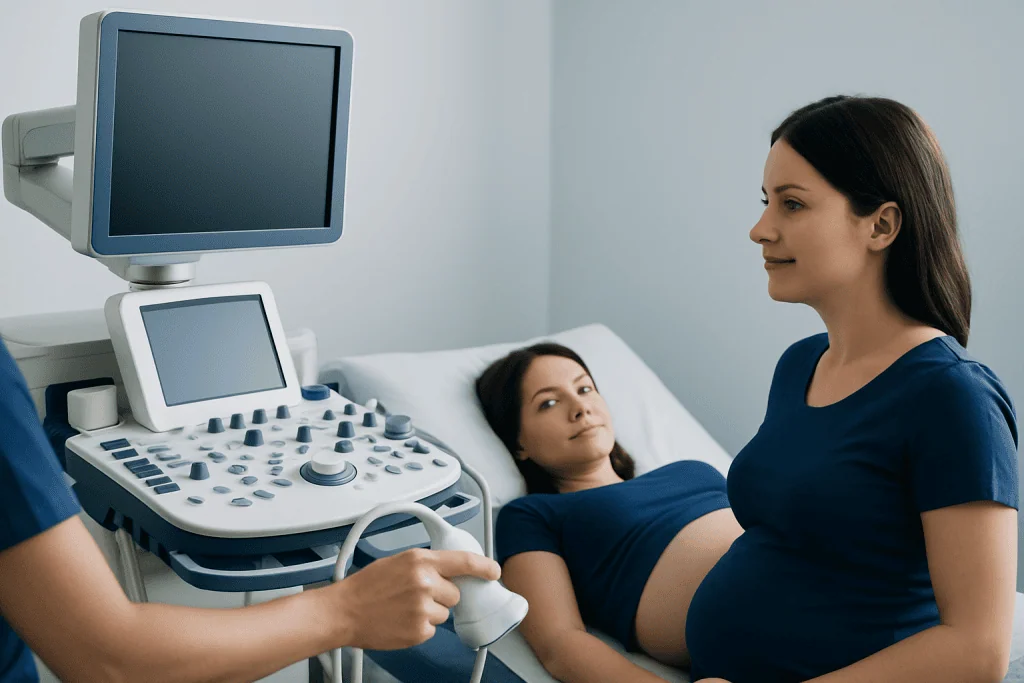
At 8 weeks pregnant, hormone levels are rising and can lead to a range of common symptoms. Nausea, with or without vomiting, is often strongest in the morning but can happen at any time of day. Fatigue is also very common because the body is using more energy to support the pregnancy.
Breast tenderness, a feeling of fullness, and darkening of the areolae may continue this week. Bloating, mild cramping, food aversions, a stronger sense of smell, constipation, and frequent urination are also typical. Some people notice more vaginal discharge, which is usually normal if it is clear or milky and does not have a strong odor.
Emotionally, mood changes can happen because of hormonal shifts, tiredness, and the stress of adjusting to pregnancy. A person may feel excited, worried, tearful, or all of these in the same day. Rest, regular meals, and support from a partner, friend, or clinician can help.
- Common symptoms: nausea, fatigue, sore breasts, bloating
- Also possible: mild cramping, constipation, headaches, food aversions
- Symptoms may be strong, mild, or fluctuate from day to day
Baby development at 8 weeks
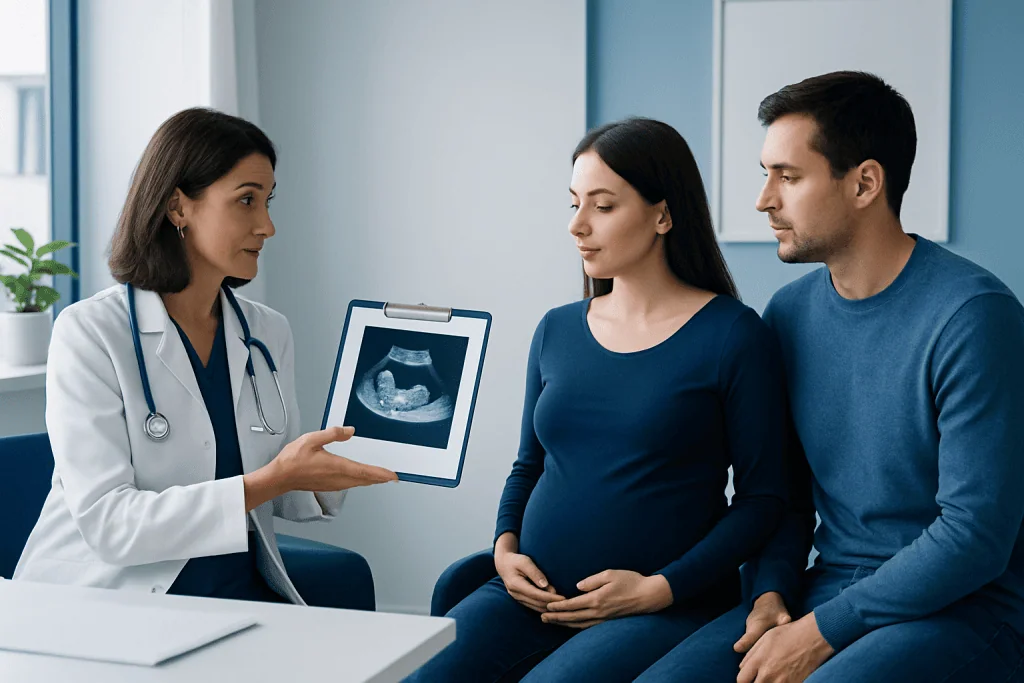
At 8 weeks pregnant, the baby is still called an embryo and is about the size of a raspberry. Although very small, development is happening quickly. Major organs are beginning to form, and structures that will later become the arms, legs, fingers, and toes are becoming more defined.
The heart is developing and may be seen beating on an ultrasound, depending on the equipment used and the exact dating of the pregnancy. The brain, spinal cord, eyes, and ears are also continuing to take shape. Facial features are still early, but the basic foundations are present.
Because development is so active in these early weeks, good prenatal habits matter. Folic acid, balanced nutrition, and avoiding harmful substances support neural tube development and overall growth. People with questions about fetal growth, scans, or high-risk pregnancy care may discuss options such as perinatology evaluation with their doctor when appropriate.
Body changes and how they may feel
Even if there is little change in outward appearance, the body is adapting in many ways at 8 weeks pregnant. The uterus is enlarging, blood volume is beginning to increase, and hormone levels continue to shift. These changes can cause tiredness, breast changes, digestive symptoms, and a general sense that the body feels different.
Some people experience light cramping as the uterus grows. Mild back discomfort and bloating can also appear, especially later in the day. It is common for clothes to feel tighter at the waist because of bloating rather than true abdominal growth at this stage.
Vaginal spotting can happen in early pregnancy, but it should always be discussed with a healthcare professional if it is new, recurrent, or associated with pain. Heavy bleeding or significant pain needs prompt assessment because early pregnancy bleeding can have several causes, including ectopic pregnancy or miscarriage. Most causes of early symptoms are not emergencies, but it is safer to check when symptoms are concerning.
What to do this week: a practical checklist
A helpful focus at 8 weeks pregnant is building a steady routine. Taking a daily prenatal vitamin with folic acid, drinking enough water, and eating small, regular meals may help with both nutrition and nausea. Gentle activity such as walking is often beneficial unless a clinician advises otherwise.
This is also a good time to arrange or attend the first prenatal appointment if it has not happened yet. A clinician may review medical history, medications, allergies, previous pregnancies, and any chronic conditions. Some people may need more specialized support if they have diabetes, thyroid disease, high blood pressure, fertility treatment history, or prior pregnancy complications.
A short checklist for this week can include:
- Start or continue a prenatal vitamin with folic acid
- Review all medicines and supplements with a doctor
- Avoid alcohol, smoking, and recreational drugs
- Limit foods that increase infection risk, such as unpasteurized products
- Book prenatal blood tests or an early scan if recommended
- Seek help if nausea is making it hard to keep fluids down; some people may benefit from fertility and early pregnancy specialist follow-up when pregnancy has followed assisted reproduction
Prenatal assessment, scans, and treatment support
Early pregnancy appointments are designed to confirm that the pregnancy is in the uterus, estimate gestational age, and check overall maternal health. Not everyone will need an ultrasound exactly at 8 weeks, but one may be advised for dating, symptoms such as pain or bleeding, or a history of prior complications. Blood tests may look at blood group, anemia, infection screening, and hormone levels when needed.
If symptoms such as bleeding, pain, or severe nausea develop, doctors may recommend further evaluation. Imaging can help clarify what is happening in early pregnancy, especially if dates are uncertain. Depending on the situation, an early assessment might include obstetric ultrasound to check pregnancy location and development.
For international patients who need coordinated maternity or early pregnancy care, Acibadem International’s multidisciplinary specialists and JCI-accredited hospitals provide diagnostic and treatment services tailored to pregnancy needs. The right care plan depends on symptoms, medical history, and scan findings.
When to seek medical care
Many symptoms at 8 weeks pregnant are uncomfortable but not dangerous. Nausea, fatigue, bloating, and mild cramping are all common. Even so, it is important to contact a healthcare professional if symptoms suddenly worsen, if there is uncertainty about what is normal, or if there are risk factors that need closer monitoring.
Medical care should be sought promptly for heavy vaginal bleeding, one-sided abdominal pain, severe pelvic pain, fainting, fever, pain with urination, or vomiting that prevents keeping fluids down. These symptoms do not always mean something serious, but they should not be ignored. A doctor may also review concerns about reduced symptoms, though symptom changes alone do not reliably show whether a pregnancy is progressing normally.
People with a history of ectopic pregnancy, recurrent pregnancy loss, fertility treatment, or significant medical conditions should stay in close contact with their prenatal team. Early assessment can help guide next steps and offer reassurance where appropriate. If there is chest pain, severe shortness of breath, or collapse, emergency care is needed immediately.
Frequently asked questions
Is it normal to have cramps at 8 weeks pregnant?
Mild cramping can be normal at 8 weeks pregnant as the uterus changes and the body adjusts to pregnancy hormones. However, severe pain, one-sided pain, or cramping with heavy bleeding should be assessed by a doctor.
How big is the baby at 8 weeks pregnant?
At 8 weeks pregnant, the embryo is often compared to a raspberry. It is still very small, but important organs and body structures are developing quickly.
Can an ultrasound show a heartbeat at 8 weeks?
In many cases, an ultrasound can detect cardiac activity around this time, especially if pregnancy dates are accurate. If it is too early or the dates are uncertain, a repeat scan may be recommended rather than drawing conclusions from a single early result.
What if pregnancy symptoms suddenly decrease at 8 weeks?
Symptoms can naturally vary from day to day, and a change in nausea or breast tenderness does not always mean there is a problem. If symptom changes happen together with bleeding, pain, or personal concern, it is sensible to contact a healthcare professional.
What should be avoided at 8 weeks pregnant?
Alcohol, smoking, recreational drugs, and medications not approved by a doctor should be avoided. It is also wise to avoid unpasteurized foods, undercooked animal products, and other infection risks discussed during prenatal care.
Is bleeding normal at 8 weeks pregnant?
Light spotting can occur in early pregnancy, but any bleeding should be discussed with a clinician. Heavy bleeding, clots, dizziness, or pain require prompt medical evaluation.
References
- American College of Obstetricians and Gynecologists
- National Health Service
- Royal College of Obstetricians and Gynaecologists
- Centers for Disease Control and Prevention
- World Health Organization
This article is for general information only and is not a substitute for professional medical advice. Please consult a qualified doctor about your individual situation.
Explore treatments in Turkey — costs, top hospitals & a free quote
JCI-accredited · board-certified surgeons · reply within 24h
Add us as a Preferred Source to see more of our trusted health content across Google Search, AI Overviews and Discover.