Ab Etching: An Evidence-Based Guide for Patients

Ab etching uses precise liposuction to enhance the visible contours of the rectus abdominal muscles. It is designed for body contouring rather than weight reduction or treatment of obesity.
Key Takeaways
- Ab etching uses precise liposuction to enhance the visible contours of the rectus abdominal muscles.
- It is designed for body contouring rather than weight reduction or treatment of obesity.
- Results depend on natural anatomy, body fat distribution, skin quality, healing and long-term lifestyle habits.
- Swelling, bruising and temporary numbness are common after surgery; less common complications can occur.
- A consultation with a board-qualified plastic surgeon is essential to assess suitability and discuss realistic outcomes.
Ab etching is a surgical body-contouring technique that uses targeted liposuction to make the natural lines of the abdominal muscles more visible. It is not a weight-loss procedure and is generally most suitable for people who are already close to a stable, healthy weight and have good skin elasticity.
What Is Ab Etching?
Ab etching, also called abdominal etching or six-pack surgery, is a cosmetic surgical procedure intended to enhance definition in the abdominal area. A surgeon uses liposuction techniques to selectively remove small amounts of fat from around the natural lines of the rectus abdominis muscles, commonly known as the “six-pack” muscles. The aim is not to create muscles that are not already present, but to make existing muscular contours more noticeable.
The procedure is usually considered by people who exercise regularly, have relatively low levels of abdominal fat, and find that their muscle definition remains partly hidden by small, localized fat deposits. It is a form of body contouring rather than a substitute for nutrition, exercise, or weight-management care. The final appearance is influenced by each person’s baseline muscle shape, fat distribution, skin elasticity and healing response.
Ab etching may be performed as a standalone procedure or alongside other contouring treatments when clinically appropriate. However, combining procedures can increase operating time and recovery demands. A thorough individual assessment helps the surgical team determine whether a focused abdominal approach is appropriate and safe.
How the Procedure Creates Abdominal Definition
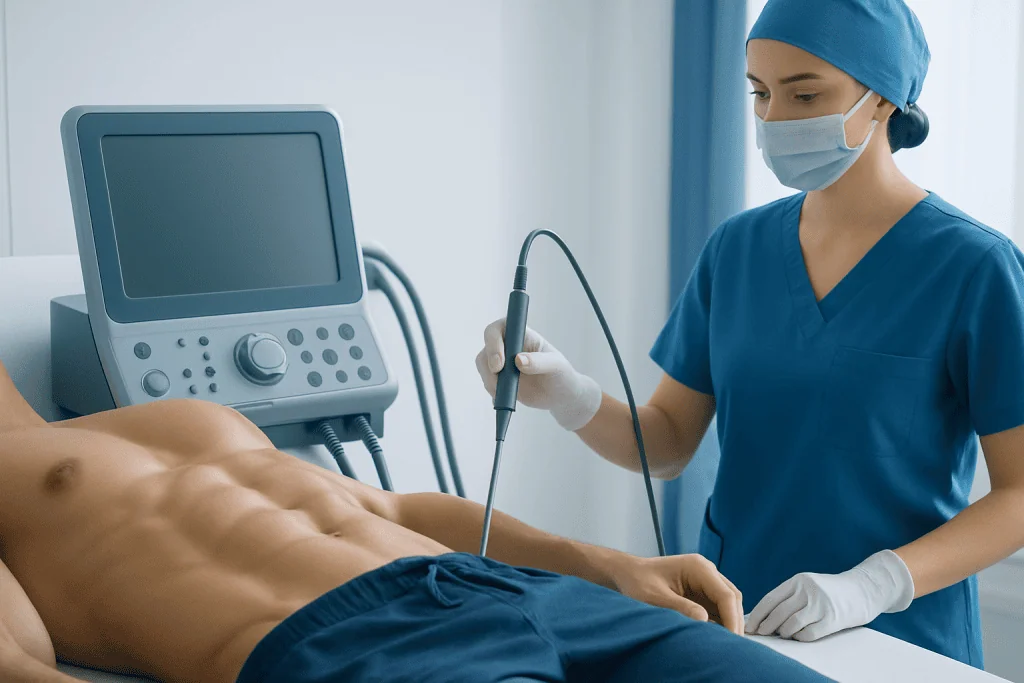
Before surgery, the surgeon typically examines the abdomen while the person is standing and may mark the natural grooves between abdominal muscle groups. These markings guide the contouring plan. The goal is usually a balanced, natural-looking result that fits the individual’s body frame rather than a standardized appearance.
During the procedure, small incisions are made in discreet areas of the abdomen. A thin tube called a cannula is inserted beneath the skin to remove fat using suction. In ab etching, fat removal is more selective than in broad-area liposuction: the surgeon sculpts shallow channels over and between particular muscle borders while preserving adequate tissue for smooth contours.
Ab etching may be done under general anesthesia or, in selected situations, another appropriate form of anesthesia determined by the surgeon and anesthesiology team. It is commonly an outpatient procedure, although the plan depends on the extent of surgery, other procedures being performed, medical history and the availability of support after discharge.
The technique cannot tighten significantly loose skin or repair separated abdominal muscles. People with substantial skin laxity, significant weight fluctuations, or muscle separation after pregnancy may need a different assessment. In some cases, an abdominoplasty, commonly called a tummy tuck, may address concerns that liposuction-based contouring cannot.
Who May Be a Candidate for Ab Etching?
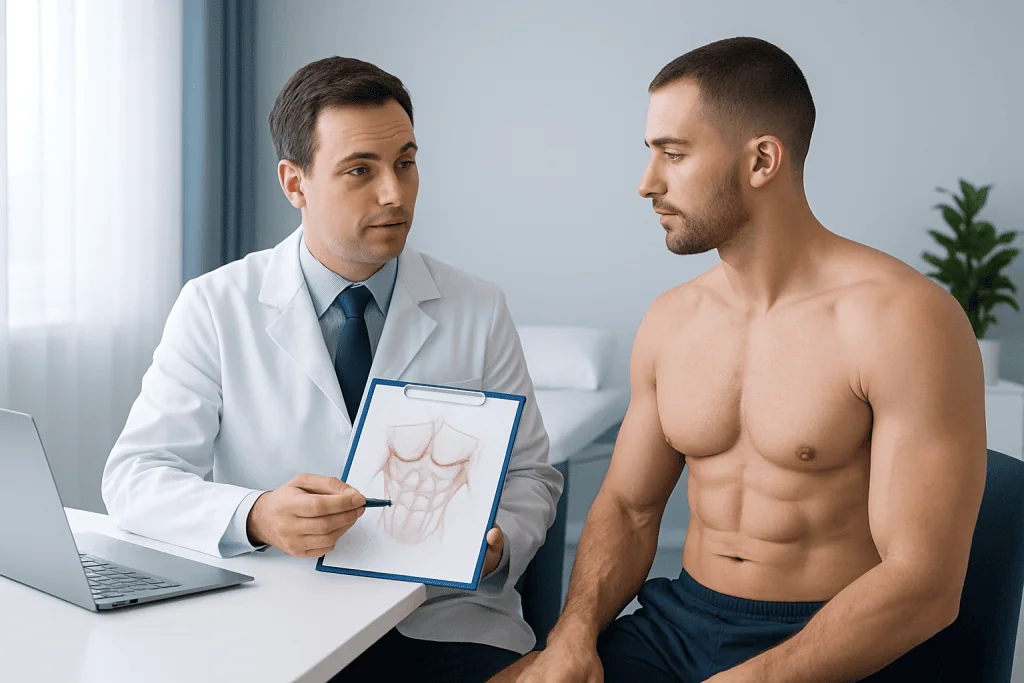
Suitable candidates are usually adults who are in good general health, are near a stable target weight, and have localized abdominal fat that can be safely contoured. Good skin elasticity is important because the skin needs to contract smoothly over the newly shaped tissue. Individuals should also have realistic expectations: the procedure can enhance visible definition, but it cannot guarantee a particular “six-pack” appearance.
A surgeon will consider body composition, the strength and shape of the underlying abdominal muscles, prior abdominal surgery, skin quality and any hernias or areas of weakness. Medical conditions such as poorly controlled diabetes, significant heart or lung disease, bleeding disorders, or conditions that impair wound healing may make elective surgery less suitable or require additional evaluation.
Smoking and nicotine exposure can reduce blood flow and raise the risk of wound-healing problems and other surgical complications. Surgeons commonly ask patients to stop smoking and avoid nicotine products for a specified period before and after surgery. People should disclose all medications, supplements, allergies, past operations and any history of blood clots during their consultation.
- Best results are generally seen when body weight is stable.
- Regular exercise and developed abdominal muscles can support visible contour definition.
- Good skin recoil helps reduce the chance of uneven or loose-looking contours.
- A willingness to follow recovery instructions is an important part of surgical safety.
Expected Results and the Limits of the Evidence
Ab etching can produce more visible grooves and shadows around the abdominal muscles, particularly when post-operative swelling has resolved. Early changes may be noticeable soon after surgery, but swelling can temporarily obscure the final contour. The result typically develops gradually over weeks to months as tissues settle and the skin adapts.
Scientific evidence on ab etching specifically is more limited than the broader evidence base for liposuction. Published reports and clinical experience suggest that careful patient selection and precise surgical technique are central to satisfaction and safety. Outcomes are not identical from one person to another, and photographs from social media or advertising may not reflect typical results, lighting conditions, body position, or the full recovery period.
Fat cells removed by liposuction do not usually return in the same treated area. However, remaining fat cells can enlarge with weight gain, and body fat can accumulate elsewhere. Maintaining a stable weight, following a balanced eating pattern and continuing regular physical activity are important for preserving contouring results over time.
Ab etching does not improve core strength, athletic performance, metabolic health or self-esteem on its own. If concerns about body image are causing distress, affecting daily life, or driving repeated cosmetic procedures, discussing these concerns openly with a healthcare professional can be helpful before making a surgical decision.
Recovery, Aftercare and Return to Activity
After ab etching, bruising, swelling, soreness, firmness and temporary changes in skin sensation are expected. A compression garment is commonly recommended to support the treated area and help manage swelling. The surgeon will provide individualized instructions about garment use, wound care, showering, sleep position and follow-up appointments.
Most people need time away from strenuous routines, but the exact timeline varies. Gentle walking is often encouraged soon after surgery to support circulation, while heavy lifting, core exercises and vigorous training should be resumed only when the surgeon confirms that healing is progressing appropriately. Returning to activity too early may increase discomfort, swelling or the risk of complications.
It is important to arrange for a responsible adult to help after anesthesia and to attend follow-up visits as advised. Pain relief should be used exactly as directed by the care team. Patients should avoid taking non-prescribed medications, herbal products or supplements that may affect bleeding or healing unless their clinician has approved them.
Small scars usually fade over time but do not disappear completely. Sun protection after incisions have healed can help limit darkening of scars. The surgical team may suggest scar-care measures based on the person’s skin type, incision healing and medical history.
Risks and Safety Considerations
All surgery carries risks, and ab etching has the risks associated with liposuction, anesthesia and wound healing. Common short-term effects include swelling, bruising, tenderness, fluid drainage and temporary numbness. These effects often improve during recovery, although changes in sensation can occasionally last longer.
Less common but important complications can include infection, bleeding, fluid collections, delayed healing, contour irregularities, asymmetry, skin discoloration, scarring, persistent pain or the need for revision surgery. Removing too much or too little fat, or healing unevenly, can affect the visibility and smoothness of the abdominal contours.
Rare complications of liposuction can be serious, including blood clots, fat embolism, injury to deeper structures, reactions to anesthesia or fluid-balance problems. Safety depends on appropriate patient selection, a properly equipped surgical setting, qualified anesthesia care and careful post-operative monitoring. Patients should ask who will perform the procedure, where it will take place, how complications are managed and what follow-up care is included.
A consultation should include a discussion of alternatives, expected scars, limitations and possible need for further treatment. A reputable surgeon will not promise a particular body shape and will advise against surgery if the potential risks outweigh the likely benefit.
When to Seek Medical Care
Anyone considering ab etching should first seek assessment from a qualified plastic surgeon with experience in liposuction and body contouring. The consultation is an opportunity to review medical history, examine the abdomen, discuss goals and determine whether non-surgical measures or another procedure may be more appropriate.
After surgery, the operating team should be contacted promptly for increasing redness, warmth, swelling, severe or worsening pain, pus-like drainage, fever, wound opening, persistent vomiting or a new area of marked asymmetry. These symptoms do not always mean a serious complication, but they require timely clinical advice.
Emergency medical care is needed for chest pain, shortness of breath, fainting, confusion, coughing blood, or sudden swelling and pain in one leg. These symptoms can have several causes and should not be managed at home after any operation.
For international patients, Acibadem International’s multidisciplinary specialists and JCI-accredited hospitals can assess and treat people considering abdominal body-contouring procedures, with care plans tailored to their clinical needs.
Frequently asked questions
Is ab etching the same as liposuction?
Ab etching is a specialized form of liposuction, but it has a more focused goal. Rather than reducing fat across a broad area alone, it selectively contours fat around the natural borders of the abdominal muscles. It is still surgery and carries the general risks of liposuction.
Does ab etching create abdominal muscles?
No. Ab etching does not build or strengthen abdominal muscles. It can make existing muscle contours more visible by reducing selected fat deposits over them. Regular resistance training and overall fitness remain necessary for muscle development.
How long does it take to see ab etching results?
Some contour changes may be visible early, but swelling and bruising can mask the outcome at first. Definition usually becomes clearer over the following weeks and months as swelling settles and tissues heal. Recovery timing varies between individuals and procedures.
Is ab etching permanent?
The fat cells removed during liposuction are generally permanently removed from the treated area. However, remaining fat cells can enlarge if a person gains weight, and natural aging can change skin and body contours. Stable weight and regular activity help maintain the result.
Can ab etching remove loose abdominal skin?
Ab etching is not designed to remove substantial loose skin. Mild skin laxity may improve somewhat if the skin has good natural elasticity, but marked excess skin may remain. A surgeon can explain whether another procedure may better address skin concerns.
What is the recovery time after ab etching?
Recovery varies according to the extent of treatment and individual healing. People commonly need to limit strenuous activity initially and wear a compression garment as instructed. The surgeon will provide a personalized plan for returning to work, exercise and other daily activities.
References
- American Society of Plastic Surgeons
- U.S. Food and Drug Administration
- National Health Service
- Mayo Clinic
- International Society of Aesthetic Plastic Surgery
This article is for general information only and is not a substitute for professional medical advice. Please consult a qualified doctor about your individual situation.
Explore treatments in Turkey — costs, top hospitals & a free quote
JCI-accredited · board-certified surgeons · reply within 24h
Add us as a Preferred Source to see more of our trusted health content across Google Search, AI Overviews and Discover.