Aching Jaw and Ear: A Complete Medical Overview

Aching jaw and ear is often linked to the temporomandibular joint, teeth, jaw muscles, or ear conditions. Pain may be referred, meaning the problem starts in one area but is felt in another nearby structure.
Key Takeaways
- Aching jaw and ear is often linked to the temporomandibular joint, teeth, jaw muscles, or ear conditions.
- Pain may be referred, meaning the problem starts in one area but is felt in another nearby structure.
- Clenching, teeth grinding, dental infection, ear infection, and sinus inflammation are common causes.
- Warning signs such as swelling, fever, hearing changes, trouble opening the mouth, or severe pain need medical review.
- Treatment depends on the cause and may include self-care, dental treatment, medications, or specialist evaluation.
Aching jaw and ear commonly happens when pain from the jaw joint, teeth, muscles, or ear is felt in the same area. The cause is often treatable, but the right diagnosis matters because symptoms can overlap between dental, ear, sinus, and joint problems.
Overview: Why aching jaw and ear often happen together
Aching jaw and ear is a common symptom pattern because the jaw joint, chewing muscles, teeth, nerves, and ear structures sit very close together. Pain from one part of this region can be felt in another, so a person may think the ear is the main problem when the source is actually the jaw, or vice versa.
One of the most frequent explanations is irritation of the temporomandibular joint, often called the TMJ, which connects the lower jaw to the skull. Problems affecting this joint or the surrounding muscles can cause pain in front of the ear, jaw stiffness, clicking, and discomfort with chewing. This overlap is why TMJ disorder is often considered when someone reports both symptoms together.
Other possible causes include tooth decay, gum infection, impacted wisdom teeth, ear infection, sinus congestion, arthritis, and nighttime teeth grinding. Less commonly, nerve pain or inflammatory conditions can be involved. Because several different issues can feel similar at first, evaluation focuses on the exact location of the pain, what triggers it, and whether there are symptoms like fever, drainage, hearing changes, or trouble moving the jaw.
What the symptoms may feel like
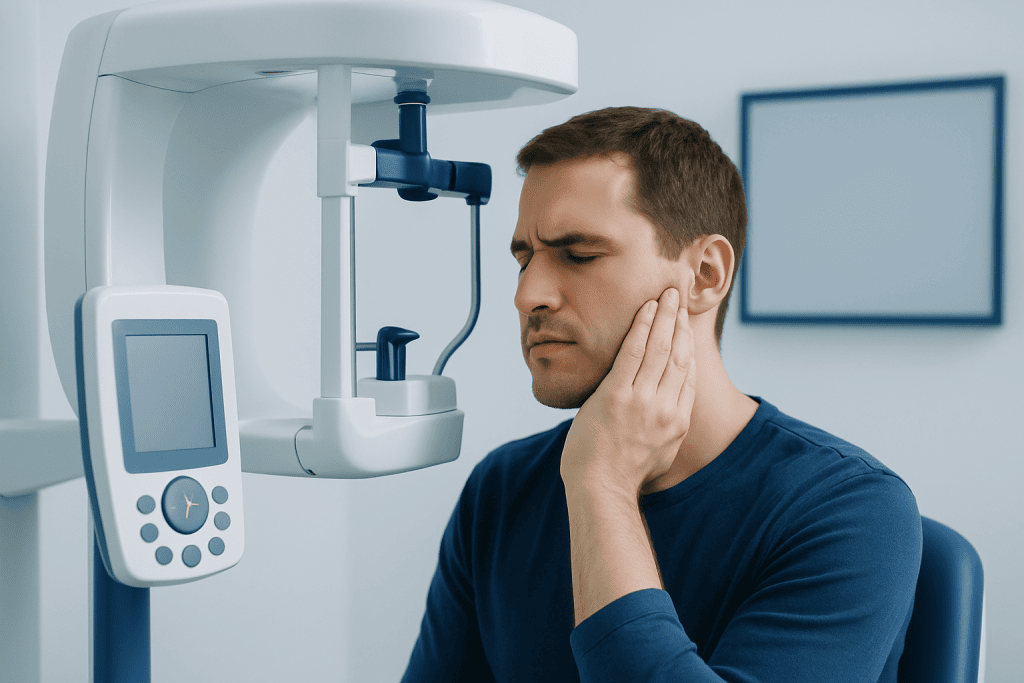
The discomfort may be dull, throbbing, sharp, or pressure-like. Some people notice a steady ache near the ear and jaw hinge, while others feel pain mainly when chewing, yawning, or opening the mouth wide. The pain may affect one side or both, and it may spread to the temple, cheek, teeth, or neck.
Associated symptoms can help point to the cause. Jaw-related symptoms often include clicking or popping, stiffness in the morning, tenderness in the chewing muscles, or a sense that the bite feels different. Ear-related symptoms may include fullness, muffled hearing, ringing, or pain that seems deeper inside the ear. Dental causes may come with sensitivity to hot or cold, gum swelling, or pain when biting down.
Some symptoms deserve closer attention because they may suggest infection or a more urgent problem. These include facial swelling, fever, pus or drainage from the ear or gums, worsening pain, inability to open the mouth normally, sudden hearing loss, or pain after trauma. These features do not always mean a serious condition, but they should not be ignored.
Common causes and risk factors

Temporomandibular disorders are among the leading causes of combined jaw and ear pain. The joint can become irritated by clenching, teeth grinding, stress-related muscle tension, bite imbalance, arthritis, or overuse from frequent gum chewing. The nearby muscles can also become strained and tender, especially after poor sleep, stress, or prolonged jaw activity.
Dental conditions are another major group of causes. Cavities, gum disease, cracked teeth, abscesses, and impacted wisdom teeth can all send pain toward the ear. In some people, the main complaint is an earache, even though the problem starts in the mouth. If jaw discomfort is linked to chewing or tooth pressure, a dental source becomes more likely.
Ear and sinus conditions can also produce this symptom pattern. Middle ear infections, outer ear canal inflammation, pressure changes, and sinus inflammation may cause aching around the ear that extends into the jaw. Throat infections can occasionally contribute too, especially if the discomfort worsens with swallowing.
Less common causes include inflammatory arthritis, salivary gland problems, nerve irritation, and trauma to the face or jaw. Rarely, persistent jaw pain can relate to tumors or systemic illness. Risk factors that increase the chance of aching jaw and ear include stress, bruxism, recent dental work, poor oral hygiene, chronic sinus issues, jaw injury, and a history of arthritis.
How doctors find the cause
Diagnosis starts with a detailed history and physical examination. A doctor or dentist will usually ask when the pain began, whether it is constant or triggered by chewing, whether there is hearing loss or drainage, and whether the person grinds their teeth, recently had dental work, or has had sinus or ear problems. The pattern of the pain often provides important clues.
The examination may include checking the ear canal and eardrum, feeling the jaw joint and chewing muscles, assessing how wide the mouth opens, and looking for clicking or deviation of the jaw. The teeth and gums may be examined for signs of infection, damage, or bite problems. If symptoms suggest an ENT cause, evaluation of the nose and throat may also be helpful, especially when sinus pressure or recurrent infections are part of the picture.
Tests are not always needed for mild, straightforward cases. However, imaging or specialist assessment may be recommended if symptoms persist, there is trauma, infection is suspected, or the diagnosis is uncertain. Depending on the clinical picture, this may involve dental X-rays, jaw imaging, or MRI scanning to evaluate soft tissues and joint structures. Hearing tests or an ENT examination may also be advised when ear symptoms are prominent.
Treatment options depend on the source
Treatment for aching jaw and ear is guided by the underlying cause rather than the location of the pain alone. For TMJ-related discomfort, care often begins with a period of jaw rest, avoiding very hard or chewy foods, applying warm compresses, and using simple pain relief if a doctor recommends it. Stress management and awareness of daytime clenching can also reduce muscle tension. In selected cases, a dentist may suggest a night guard to help with grinding.
When a dental issue is responsible, the tooth or gum problem usually needs direct treatment. This may include fillings, drainage of an abscess, treatment of gum disease, or tooth extraction for a severely damaged or impacted tooth. If symptoms point to a structural or advanced oral problem, a specialist in oral and maxillofacial surgery may become involved.
Ear infections, sinus inflammation, or throat conditions are treated according to the diagnosis. Some cases improve with supportive care, while others may need prescription medication or ENT follow-up. If the pattern suggests a primary ear problem, evaluation by an ear specialist may help identify inflammation, fluid behind the eardrum, or other causes of ear pain.
Persistent or complex cases sometimes need coordinated care across dentistry, ENT, radiology, pain medicine, or maxillofacial specialists. Near the end of the diagnostic pathway, some international patients may seek care at centers such as Acibadem International, where multidisciplinary specialists in JCI-accredited hospitals assess and treat jaw, dental, and ear-related conditions.
Self-care and prevention
Many mild cases improve with simple measures, especially when the cause is muscle tension or minor jaw irritation. Eating softer foods for a few days, avoiding very wide yawning, and limiting habits such as gum chewing, nail biting, or resting the chin on the hand can reduce strain on the jaw joint. Warm compresses may ease muscle tightness, while good sleep habits can support recovery.
Oral health is an important part of prevention. Regular tooth brushing, flossing, routine dental checkups, and early treatment of cavities or gum irritation can lower the risk of pain that spreads toward the ear. People who wake with jaw tightness or headaches may benefit from discussing possible teeth grinding with a dentist.
Stress reduction can also make a difference because jaw clenching often increases during stressful periods, sometimes without the person noticing. Relaxation exercises, posture awareness, and breaks from prolonged screen use may help reduce neck and jaw tension. If symptoms happen repeatedly, identifying personal triggers can be useful.
Self-care is helpful for mild symptoms, but it should not replace evaluation when pain is severe, prolonged, or associated with swelling, fever, or hearing changes. Repeated episodes deserve proper diagnosis so that a correct and lasting treatment plan can be made.
When to seek medical care
Medical or dental assessment is recommended if aching jaw and ear lasts more than a few days, keeps returning, or interferes with eating, sleeping, or daily activities. Review is also important if the pain follows facial trauma, recent dental treatment, or a known ear infection.
Prompt care is especially important if there is fever, facial swelling, pus or bad-tasting drainage in the mouth, redness around the ear, trouble opening the mouth, worsening headache, or sudden hearing symptoms. These signs may point to infection, significant inflammation, or a condition that needs timely treatment.
Emergency care may be appropriate for severe swelling, difficulty breathing or swallowing, uncontrolled bleeding, or sudden neurological symptoms. While these situations are less common, they should be assessed without delay. For most people, early review by a dentist, primary care doctor, or ENT specialist helps clarify the cause and prevents symptoms from becoming more difficult to treat.
Frequently asked questions
Can TMJ problems cause ear pain?
Yes. TMJ problems can cause pain in front of or around the ear because the jaw joint and ear are very close together and share nearby nerves and muscles. Ear fullness, clicking, and pain with chewing may suggest the jaw joint is involved.
Is aching jaw and ear always a sign of an ear infection?
No. Ear infection is only one possible cause. Jaw joint irritation, tooth problems, gum disease, sinus pressure, and muscle tension can all create a similar pain pattern.
How can someone tell whether the pain is from a tooth or the jaw joint?
Pain from a tooth is often more focused and may worsen with biting, hot or cold foods, or pressure on one tooth. TMJ-related pain is more commonly felt near the jaw hinge and may come with clicking, stiffness, or pain when opening the mouth wide. Sometimes both areas need to be examined to tell the difference.
What helps aching jaw and ear at home?
For mild cases, soft foods, rest for the jaw, warm compresses, and avoiding gum chewing or very wide mouth opening may help. Good oral hygiene and awareness of clenching can also be useful. If symptoms are strong, persistent, or linked to swelling or fever, professional evaluation is important.
When should jaw and ear pain be checked by a doctor or dentist?
It should be checked if it lasts more than a few days, keeps returning, or makes it hard to chew or sleep. Prompt assessment is also needed for fever, swelling, drainage, hearing changes, trauma, or trouble opening the mouth.
Can stress make aching jaw and ear worse?
Yes. Stress can increase jaw clenching and teeth grinding, which may strain the jaw muscles and TMJ. This can lead to aching that is felt in the jaw, temple, and ear region.
This article is for general information only and is not a substitute for professional medical advice. Please consult a qualified doctor about your individual situation.
Joint and spine care in Turkey — expert assessment & treatment
JCI-accredited · board-certified surgeons · reply within 24h
Add us as a Preferred Source to see more of our trusted health content across Google Search, AI Overviews and Discover.

More from the Health Library

Acute Kidney Injury — Explained by Medical Evidence, Not Myths

Ampreview: An Evidence-Based Guide for Patients

Somatostatin — Explained by Medical Evidence, Not Myths

Antirheumatic — Explained by Medical Evidence, Not Myths

White Hair White — Explained by Medical Evidence, Not Myths

Lemon Is It a Fruit: An Evidence-Based Guide for Patients
Otorhinolaryngology Specialists at Acibadem

Prof. Dr. Deniz Tuna Edizer
Otorhinolaryngology
Prof. Dr. Denizhan Dizdar
Otorhinolaryngology
Prof. Dr. Dilaver Özturan
Otorhinolaryngology
Dr. Dilek Sınmaz
Otorhinolaryngology