ACL Reconstruction Recovery Timeline: Week-by-Week Expectations
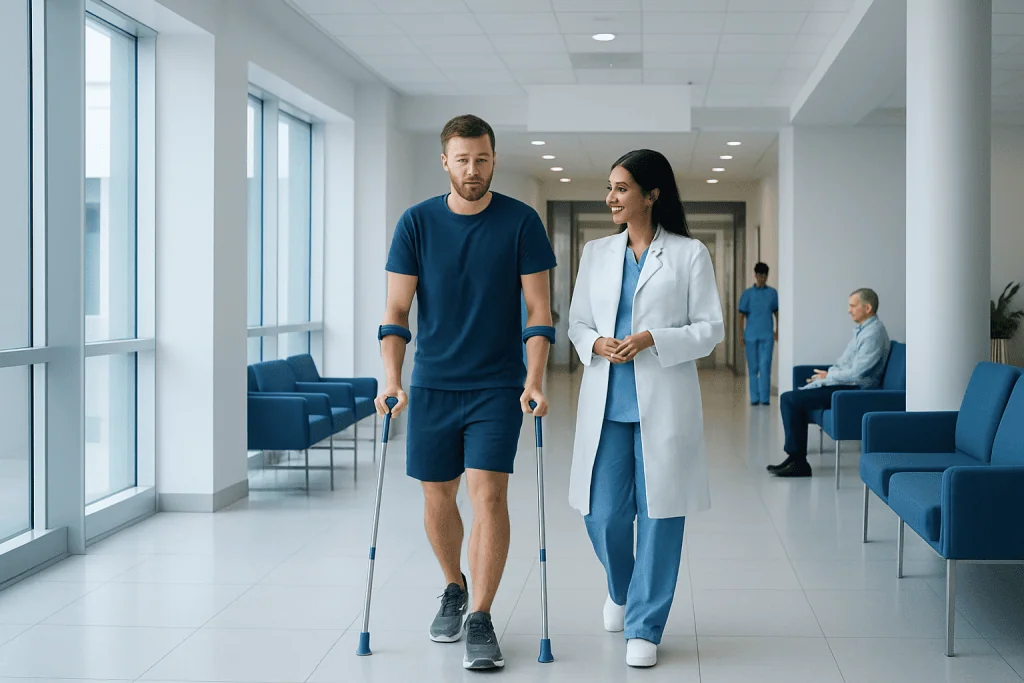
ACL reconstruction recovery happens in stages and usually takes many months, not just a few weeks. Early rehabilitation focuses on controlling swelling, restoring knee extension, and walking safely.
Key Takeaways
- ACL reconstruction recovery happens in stages and usually takes many months, not just a few weeks.
- Early rehabilitation focuses on controlling swelling, restoring knee extension, and walking safely.
- Strength, balance, and movement quality are essential before returning to running or sports.
- Recovery speed depends on the surgical technique, associated injuries, general health, and commitment to physiotherapy.
- A surgeon and physiotherapist should guide decisions about braces, activity progression, and return to sport.
An ACL reconstruction recovery timeline usually unfolds over several months, with early goals focused on pain control, swelling reduction, and safe movement, followed by strength, balance, and return-to-sport training. Recovery is individual, but understanding week-by-week expectations can help patients prepare for rehabilitation and follow medical advice with confidence.
Overview of ACL Reconstruction Recovery
The anterior cruciate ligament, or ACL, helps stabilize the knee during turning, pivoting, and sudden changes in direction. When it is torn, some people can manage with rehabilitation alone, while others need reconstruction surgery to restore stability and return to desired activities. ACL reconstruction recovery is a gradual process that combines healing from surgery with a structured rehabilitation program.
A week-by-week timeline can be helpful, but it should be viewed as a general guide rather than a strict schedule. Every person heals at a different pace. Factors such as age, activity level, swelling, pain, cartilage injury, meniscus damage, graft type, and adherence to physiotherapy can all influence progress.
Most patients notice meaningful improvements over the first few months, but full recovery often takes longer. Returning to desk work may happen relatively early, while return to pivoting sports usually requires many months of rehabilitation and medical clearance. The main goals are not only to reduce symptoms, but also to rebuild strength, coordination, confidence, and knee control.
What to Expect in the First 2 Weeks
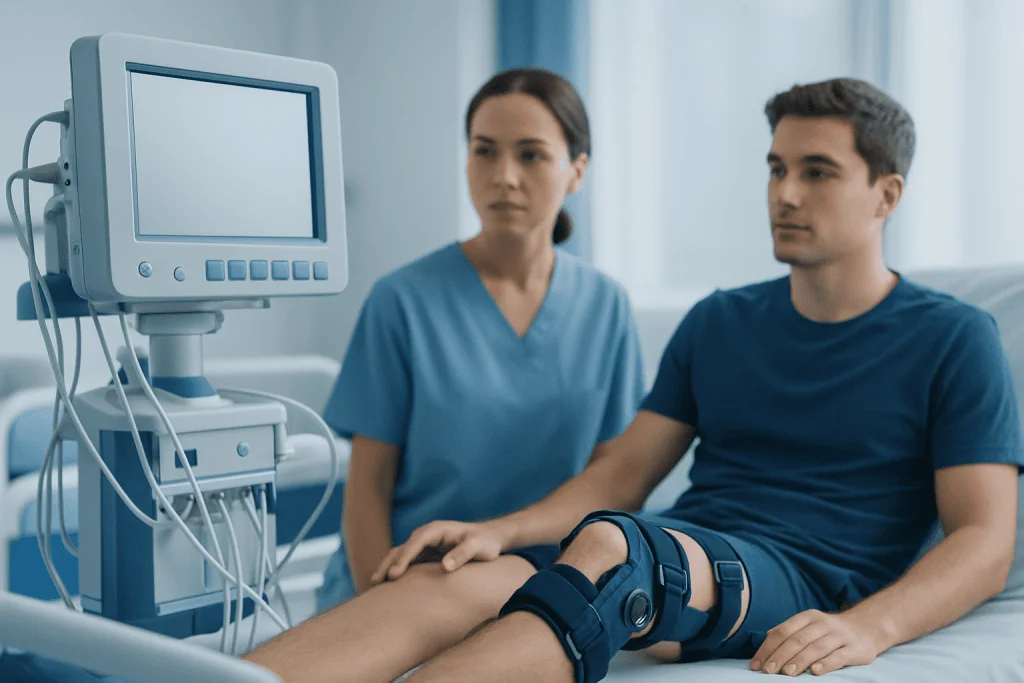
The first days after surgery are usually focused on rest, swelling control, pain management, and safe mobility. Patients are commonly advised to elevate the leg, use ice as instructed, and take prescribed medications appropriately. Crutches are often needed at first, and some patients may also be given a brace depending on the surgeon’s protocol and whether other structures in the knee were treated.
Physiotherapy often begins very early. The key goals are usually to fully straighten the knee, gradually improve bending, activate the quadriceps muscle, and begin walking with good technique as permitted. Simple exercises may include ankle pumps, quadriceps-setting exercises, gentle range-of-motion work, and straight-leg raises if approved.
Swelling, stiffness, bruising, and fatigue are common during this period. It is also normal to feel uncertain about movement. However, severe calf pain, shortness of breath, fever, worsening redness, or drainage from the incision should be assessed promptly, as these can suggest a complication.
If the ACL injury occurred together with other knee damage, such as a meniscus tear, recovery instructions may be more restrictive. Weight-bearing and range-of-motion limits can differ, so patients should follow the surgical team’s advice closely rather than comparing themselves to others.
Weeks 2 to 6: Regaining Motion and Basic Strength
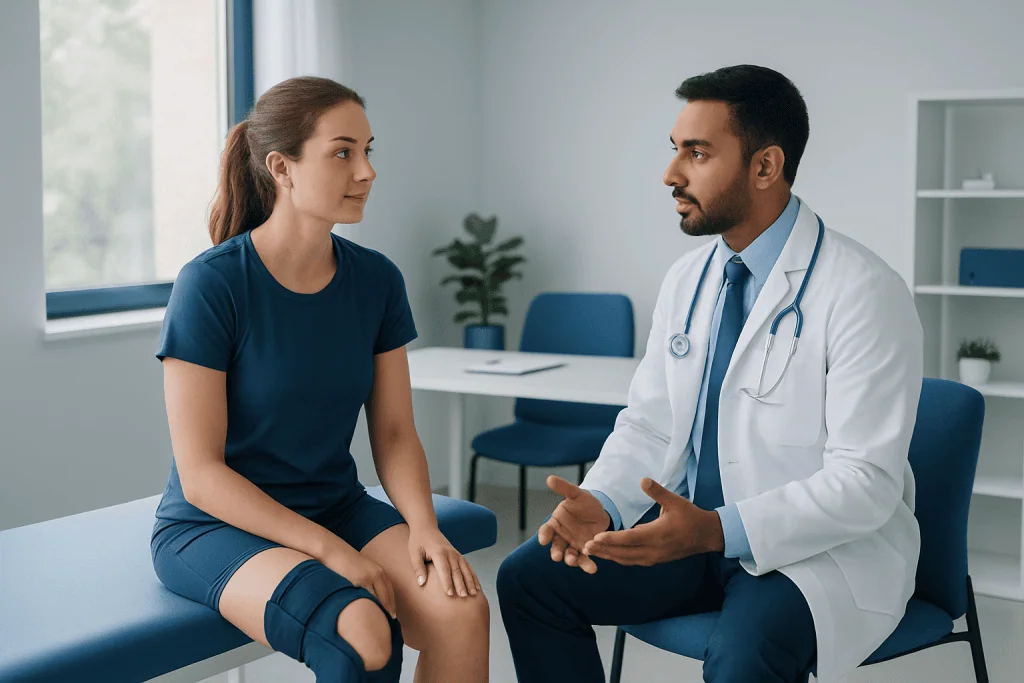
During this stage, many patients gradually become more comfortable walking and performing everyday activities. The focus remains on reducing swelling, improving knee motion, and restoring normal muscle activation. Regaining full knee extension is especially important because lingering stiffness can affect walking pattern and later recovery.
Crutches may be reduced or discontinued when walking is safe and steady, based on medical guidance. Patients often continue supervised physiotherapy and a home exercise program. Exercises may progress to include stationary cycling, closed-chain strengthening, balance work, and gait training. Pain should not be ignored, but mild muscle fatigue during rehabilitation is often expected.
By the end of this phase, many patients can walk more naturally, tolerate longer periods on their feet, and perform daily tasks with less discomfort. Still, the knee may remain swollen after activity, and kneeling or climbing stairs can be challenging. The surgical graft is still healing, so this is not the time for twisting, jumping, or sudden directional changes.
- Common goals in this phase include near-normal walking
- Improved knee bending and full straightening
- Better quadriceps control
- Reduced swelling and pain
- Safe progression of basic strengthening exercises
Weeks 6 to 12: Building Strength, Balance, and Control
From around six weeks onward, rehabilitation often becomes more active and strength-focused. Patients may work on the quadriceps, hamstrings, gluteal muscles, and core, all of which help support the knee. Balance and proprioception training are also important because an ACL injury can affect the body’s sense of joint position and movement control.
Exercises in this phase may include leg presses, step-ups, bridges, mini-squats, resistance-band work, and balance drills, depending on the rehabilitation plan. Some people also begin low-impact cardiovascular exercise, such as a stationary bike or elliptical trainer, when approved. The aim is to improve movement quality as much as muscle strength.
Progress is not always linear. One week may feel easier, while the next may bring temporary soreness or swelling after increased activity. This does not always mean something is wrong, but it is a sign to review technique, workload, and recovery. Patients who had additional procedures, such as knee arthroscopy, may need adjustments to their rehabilitation plan based on tissue healing.
By the end of this stage, many people feel more independent and are able to manage routine activities with less limitation. Even so, the knee may still feel weak during more demanding tasks, and sports participation remains premature unless the care team specifically advises otherwise.
Months 3 to 6: Advanced Rehabilitation and Return to Activity
As recovery progresses, rehabilitation often shifts toward more advanced strengthening, dynamic balance, and controlled impact training. Depending on the surgeon’s and physiotherapist’s assessment, some patients may begin light jogging during this period. This usually happens only when swelling is minimal, knee movement is good, and strength and control meet specific targets.
Running, however, is only one milestone. Returning to sports that involve cutting, pivoting, contact, or rapid deceleration requires much more than being able to jog. Rehabilitation may include hopping drills, landing mechanics, single-leg control, agility work, and sport-specific training. The goal is to reduce the risk of reinjury by making sure the knee and the rest of the body can handle higher demands safely.
Psychological recovery also matters. Some patients feel strong physically but remain hesitant about twisting or planting the foot quickly. Confidence, movement quality, and readiness are all part of a safe return-to-sport decision. For some individuals, especially athletes or those with complex knee injuries, care may involve a wider orthopedic and rehabilitation approach similar to programs used for sports injuries.
Many patients can resume a wide range of daily and fitness activities by this stage, but timelines differ. Some may progress faster, while others need more time to address weakness, stiffness, or movement asymmetry. A careful, criteria-based return is generally safer than rushing to meet a calendar date.
Long-Term Recovery: Months 6 to 12 and Beyond
Even when pain has improved and normal activities have returned, ACL reconstruction recovery is often still ongoing. The graft continues to remodel over time, and muscular strength, endurance, and coordination may still lag behind. This is why return to unrestricted sport is usually based on function, testing, and medical clearance rather than symptoms alone.
Functional assessment may include strength testing, hop tests, balance assessment, movement analysis, and review of confidence during sport-specific tasks. Patients may feel “mostly recovered” before the knee is truly ready for full return to pivoting or contact sports. Continuing rehabilitation beyond the early months can play an important role in reducing reinjury risk.
Some people may notice occasional swelling after heavy activity, numbness around the scar, or stiffness after sitting for long periods. These symptoms can improve gradually. However, persistent instability, repeated giving-way episodes, or ongoing loss of motion should be discussed with a specialist, as they may indicate a problem that needs further evaluation.
In patients with broader ligament damage or joint problems, treatment and rehabilitation can be more complex, sometimes overlapping with care pathways used in orthopedics. Near the end of the recovery journey, some international patients choose centers such as Acibadem International, where multidisciplinary specialists in JCI-accredited hospitals evaluate knee injuries and guide treatment and rehabilitation planning.
Factors That Can Affect the Recovery Timeline
Several factors can make ACL surgery recovery shorter or longer. One of the most important is whether the injury was isolated or accompanied by other damage, such as a meniscus tear, cartilage injury, or injury to other ligaments. Combined injuries may require more protection early on and a slower rehabilitation schedule.
The type of graft used for reconstruction can also influence the early experience, including pain at the donor site and rehabilitation considerations. General health matters as well. Smoking, poor sleep, inadequate nutrition, low activity before surgery, or difficulty attending regular physiotherapy can all affect healing and recovery quality.
Consistency is often more important than intensity. Doing rehabilitation exercises correctly and regularly, attending follow-up appointments, and progressing step by step usually lead to better outcomes than trying to advance too quickly. Overloading the knee too soon can increase swelling, delay progress, and sometimes raise the risk of reinjury.
- Associated meniscus or cartilage injuries
- Graft type and surgical details
- Age, baseline strength, and fitness
- Commitment to physiotherapy and home exercises
- Work demands and sport goals
- Overall health, sleep, and nutrition
Self-Care Tips and When to Contact a Doctor
Self-care during ACL reconstruction recovery includes protecting the knee while keeping it moving in a controlled way. Patients are usually advised to follow the rehabilitation plan carefully, use ice and elevation when swelling increases, and avoid activities that involve twisting, jumping, or sudden impact until cleared. Wearing supportive footwear and keeping walkways safe can also help prevent slips and falls during the early stages.
Nutrition, hydration, and sleep support healing. A balanced diet with adequate protein and regular meal patterns can help recovery, while staying active within prescribed limits can support circulation and overall well-being. Many patients also benefit from setting small goals, because rehabilitation can feel slow at times.
Medical review is important if there is fever, increasing redness, significant wound drainage, severe or worsening pain, calf swelling, chest symptoms, or loss of knee motion that is not improving. Patients should also contact their care team if the knee feels unstable, locks repeatedly, or swells markedly after routine rehabilitation.
Regular follow-up with the orthopedic surgeon and physiotherapist helps ensure that milestones are based on healing and function, not guesswork. Anyone planning to return to exercise, physically demanding work, or sport should do so only after individualized assessment and professional guidance.
Frequently asked questions
How long does ACL reconstruction recovery usually take?
Recovery after ACL reconstruction usually takes several months, and full return to pivoting sports often takes longer than return to everyday activities. The exact timeline depends on healing, strength, knee control, and whether there were other injuries in the knee.
When can someone walk normally after ACL surgery?
Many patients begin walking with support soon after surgery and gradually improve over the first few weeks. Walking normally depends on pain, swelling, quadriceps control, and the surgeon’s weight-bearing instructions, especially if other procedures were done at the same time.
When can running start after ACL reconstruction?
Light jogging may begin around the later stages of early rehabilitation for some patients, but only when the knee has good motion, minimal swelling, and adequate strength and control. The decision should be based on assessment by the surgeon and physiotherapist rather than time alone.
Is swelling normal during ACL recovery?
Some swelling is common for weeks or even months, especially after increased activity or rehabilitation sessions. However, sudden worsening swelling, marked pain, fever, or calf symptoms should be assessed by a doctor.
What can slow down ACL surgery recovery?
Recovery can be slower if there is additional damage to the meniscus, cartilage, or other ligaments, or if stiffness develops after surgery. Missing physiotherapy, returning to activity too early, poor sleep, smoking, and inconsistent exercise can also affect progress.
When can a person return to sports after ACL reconstruction?
Return to sport should happen only after medical clearance and functional testing show that the knee is ready. Even if a person feels better earlier, strength, balance, movement quality, and confidence need to be restored to help lower the risk of reinjury.
References
- American Academy of Orthopaedic Surgeons
- National Institute of Arthritis and Musculoskeletal and Skin Diseases
- National Health Service
- American Orthopaedic Society for Sports Medicine
This article is for general information only and is not a substitute for professional medical advice. Please consult a qualified doctor about your individual situation.
ACL Reconstruction in Turkey — costs, top hospitals & a free quote
JCI-accredited · board-certified surgeons · reply within 24h
Add us as a Preferred Source to see more of our trusted health content across Google Search, AI Overviews and Discover.

Orthopedics & Spine
Care for bones, joints and the musculoskeletal system, including joint replacement, sports injuries and trauma.
125 specialists in this unit