

ACL Reconstruction Surgery: Who Needs It and What Recovery Involves
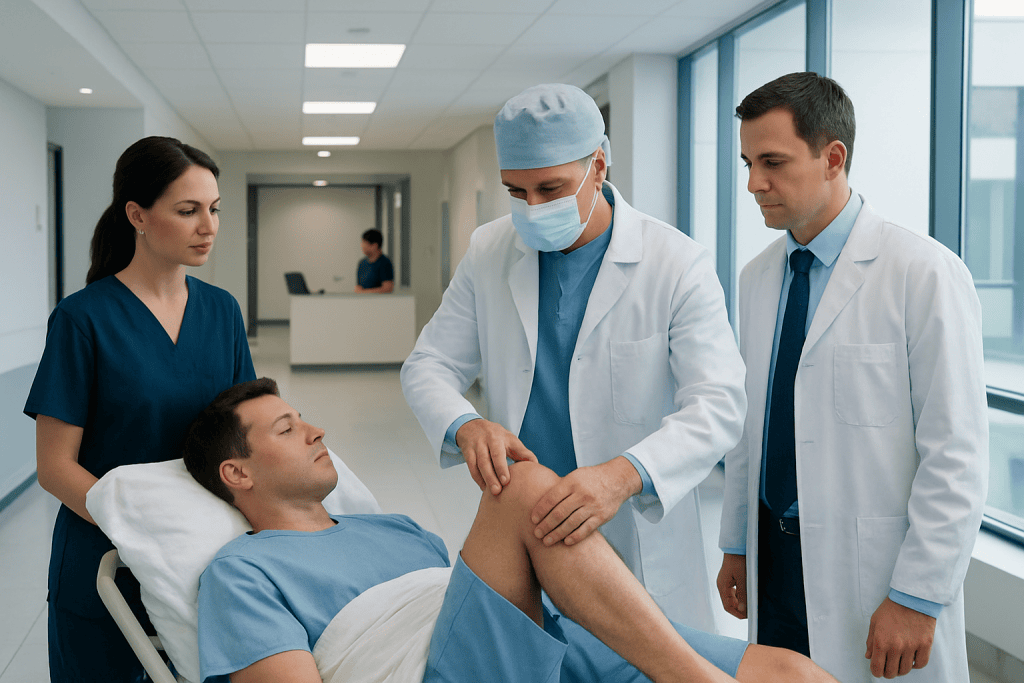
Not every ACL tear requires surgery; treatment depends on symptoms, activity level, and associated knee damage. ACL reconstruction usually uses a graft to replace the torn ligament rather than stitching the original ACL back together.
Key Takeaways
- Not every ACL tear requires surgery; treatment depends on symptoms, activity level, and associated knee damage.
- ACL reconstruction usually uses a graft to replace the torn ligament rather than stitching the original ACL back together.
- Rehabilitation is a major part of recovery and is often just as important as the operation itself.
- Return to sport typically takes months and should follow strength, balance, and functional testing.
- Early medical evaluation helps identify meniscus, cartilage, or other ligament injuries that may affect treatment.
ACL reconstruction surgery is a common procedure used to restore stability to a knee after an anterior cruciate ligament tear. It is not necessary for every person with an ACL injury, but it may be recommended when the knee remains unstable, activity goals are high, or other structures in the knee are also damaged.
Overview: What ACL Reconstruction Surgery Is
The anterior cruciate ligament, or ACL, is one of the main ligaments that helps keep the knee stable. It connects the thigh bone to the shin bone and plays an important role in controlling twisting, pivoting, and sudden changes of direction. ACL injuries are common in sports, but they can also happen during falls, traffic accidents, or other traumatic events.
ACL reconstruction surgery is a procedure used to restore stability to a knee after the ligament has torn. In most cases, the surgeon does not repair the original torn ACL directly. Instead, the damaged ligament is replaced with a graft, which acts as a new ligament as it heals and integrates into the knee.
The goal of surgery is to reduce episodes of the knee “giving way,” improve function, and help protect the joint from further injury. For many patients, treatment planning also includes a careful discussion about activity level, occupation, age, associated knee injuries, and long-term goals. Some people do very well with rehabilitation alone, while others benefit most from ACL surgery combined with structured physiotherapy.
Who May Need ACL Reconstruction Surgery
ACL reconstruction is usually considered when the knee feels unstable during daily life or sports, especially during turning or pivoting movements. A person may also be a good candidate if they want to return to activities that place high demands on the knee, such as football, basketball, skiing, or similar sports.
Surgery may be more strongly recommended when the ACL tear occurs together with other injuries, such as a meniscus tear, cartilage damage, or injury to other ligaments. In these cases, leaving the knee unstable may increase the risk of repeated injury and ongoing symptoms. Persistent swelling, repeated buckling, and loss of confidence in the knee can all affect quality of life.
Not everyone with an ACL tear needs surgery. Some people with lower activity demands, partial tears, or good stability after rehabilitation may manage well without an operation. A specialist may compare non-surgical care with surgical options based on examination findings, imaging, and the patient’s goals, especially if there is a known ACL injury that is limiting daily function.
Symptoms and Signs After an ACL Tear
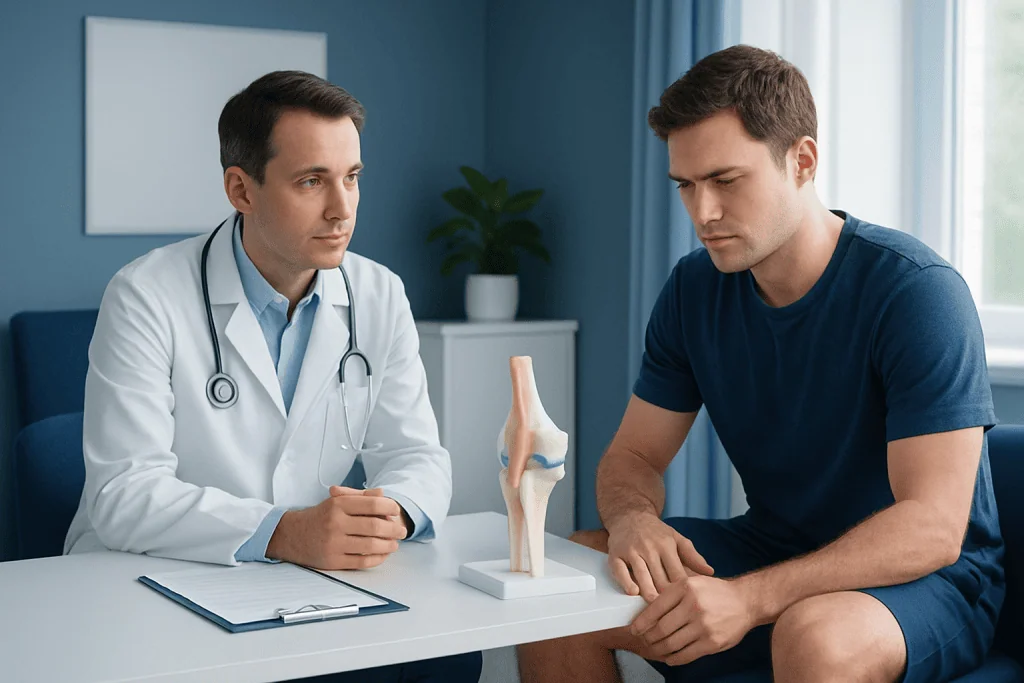
An ACL tear often causes a sudden injury with pain, swelling, and difficulty continuing activity. Some people report hearing or feeling a “pop” at the time of injury. Swelling may develop quickly because bleeding occurs inside the joint.
After the first few days, the most important symptom is often instability. The knee may feel as if it shifts, slips, or gives way, particularly when turning or changing direction. Some patients also notice stiffness, reduced range of motion, or difficulty trusting the leg during walking, stairs, or exercise.
Other symptoms may suggest additional damage inside the knee. Locking, catching, persistent joint-line pain, or ongoing swelling can point to meniscus or cartilage injury. These associated injuries may influence both treatment decisions and recovery expectations. Because symptoms vary from person to person, assessment by an orthopedic specialist is important.
Causes, Risk Factors, and Associated Knee Injuries
Most ACL tears happen through non-contact movements such as sudden stopping, pivoting, awkward landing from a jump, or rapid change of direction. Contact injuries can also occur, especially when a blow forces the knee inward or twists it unexpectedly. The ligament can tear partially or completely, and the severity may affect treatment planning.
Several factors can increase risk. These include participation in pivoting sports, poor landing mechanics, muscle weakness or imbalance, previous knee injury, and inadequate neuromuscular control. Fatigue and training errors may also contribute. In some people, structural differences in the knee and hormonal or biomechanical factors may play a role in injury risk.
ACL tears do not always happen alone. The meniscus, articular cartilage, and other ligaments may be injured at the same time. These associated problems are important because they can affect pain, stability, long-term joint health, and the need for additional procedures such as meniscus tear treatment or cartilage-focused care. A thorough diagnosis helps guide the safest and most effective plan.
How Doctors Diagnose ACL Injuries
Diagnosis usually begins with a detailed medical history and physical examination. The doctor asks how the injury happened, whether there was swelling or a popping sensation, and whether the knee feels unstable. During the examination, specific tests are used to assess whether the shin bone moves too far forward or rotates abnormally in relation to the thigh bone.
Imaging often helps confirm the diagnosis and identify associated injuries. X-rays do not show the ACL itself, but they can help rule out fractures or other bone problems. Magnetic resonance imaging, or MRI, is commonly used to evaluate the ACL, meniscus, cartilage, and other soft tissues inside the knee.
Timing also matters. Some people are assessed immediately after injury, while others present later because instability continues after the initial swelling settles. In more complex cases, the doctor may also evaluate alignment, strength, gait, and readiness for surgery. This broader view helps determine whether rehabilitation alone, knee arthroscopy, or ligament reconstruction is the most appropriate next step.
How ACL Reconstruction Is Performed
ACL reconstruction is commonly done using arthroscopic techniques through small incisions around the knee. During the procedure, the surgeon removes the torn ligament remnants as needed, prepares tunnels in the bone, and places a graft in the correct position to function as a new ACL. The graft is then fixed in place with surgical devices designed to hold it securely while healing begins.
Different graft options may be used. Common choices include tissue taken from the patient’s own body, such as part of the patellar tendon or hamstring tendon, or donor tissue in selected cases. The best graft choice depends on factors such as age, sport, anatomy, previous surgery, and surgeon recommendation.
If there are additional injuries, these may sometimes be treated during the same operation. For example, meniscus repair or treatment of cartilage injury may be performed at the same time. The exact surgical plan is individualized, and the surgeon explains the expected benefits, limitations, and possible risks before the procedure.
Recovery, Rehabilitation, and Return to Activity
Recovery after ACL reconstruction is gradual and requires commitment. Rehabilitation begins early, often focusing first on controlling swelling, restoring knee extension, improving range of motion, and helping the patient walk safely. Crutches or a brace may be used for a period, depending on the procedure and whether other structures were treated at the same time.
As healing progresses, physiotherapy usually emphasizes muscle strength, balance, movement control, and confidence in the knee. The quadriceps and hamstring muscles are especially important. Rehabilitation is not only about time passed after surgery; it is also about meeting specific milestones in strength, stability, and function.
Return to running, training, work, or sports varies widely. Some people return to desk work relatively early, while physically demanding jobs and competitive sports often take much longer. A safe return to sport generally depends on clinical review, functional testing, and the ability to move well without pain, swelling, or instability. Trying to return too quickly can increase the risk of reinjury.
Near the end of recovery, some patients benefit from assessment by a broader team that includes orthopedic surgeons, physiotherapists, and sports medicine specialists. At Acibadem International, multidisciplinary specialists in JCI-accredited hospitals diagnose and treat ACL injuries for international patients, with treatment plans that include surgery and rehabilitation when appropriate.
Possible Risks, Prevention, and When to See a Doctor
As with any operation, ACL reconstruction has possible risks. These may include infection, bleeding, stiffness, ongoing pain, blood clots, graft problems, or persistent instability. Some patients may also have numbness around the incision or difficulty regaining full motion. Careful surgical technique and structured rehabilitation help reduce these risks, but no procedure can guarantee a perfect outcome.
Preventing ACL injury is not always possible, but training can help lower risk. Programs that improve landing technique, muscle strength, balance, and neuromuscular control are often recommended, especially for athletes in pivoting sports. Good conditioning, proper footwear, gradual progression in training, and attention to fatigue may also be helpful.
A doctor should assess any significant knee injury that causes immediate swelling, inability to continue activity, locking, or a feeling that the knee gives way. Medical review is also important if symptoms continue after rest and rehabilitation, or if there is concern about another injury such as a meniscus tear. Early evaluation can clarify the diagnosis and support timely, appropriate care.
Frequently asked questions
Is ACL reconstruction surgery always necessary after an ACL tear?
No. Some people can manage an ACL tear with rehabilitation, activity modification, and strengthening if the knee remains stable. Surgery is more often considered when instability continues, activity demands are high, or there are additional injuries inside the knee.
How long does ACL surgery recovery usually take?
Recovery is gradual and often takes several months. Daily activities may improve earlier, but return to sport usually takes longer and depends on strength, balance, movement quality, and medical clearance rather than time alone.
Can the torn ACL simply be stitched back together?
In most standard cases, the ACL is reconstructed rather than directly stitched. This means the torn ligament is replaced with a graft that can heal into the knee and restore stability. In selected situations, specific repair techniques may be considered, but they are not suitable for every tear.
What happens if an ACL tear is left untreated?
Some people do well without surgery, especially if they are less active and do not experience instability. However, an unstable knee may lead to repeated giving-way episodes and can increase the risk of further meniscus or cartilage damage. A specialist can help assess whether non-surgical treatment is reasonable.
Will the knee be normal again after ACL reconstruction?
Many patients regain good stability and return to work, exercise, and sport after successful surgery and rehabilitation. Even so, recovery varies, and some people may notice ongoing stiffness, weakness, or reduced confidence. Long-term knee health also depends on associated injuries and adherence to rehabilitation.
When should someone see a doctor after a knee injury?
A doctor should be seen if the knee swells quickly, feels unstable, cannot bear weight properly, locks, or remains painful after a twisting injury. Early assessment is helpful because ACL tears often occur with other injuries that may need prompt treatment.
References
- American Academy of Orthopaedic Surgeons
- National Institute of Arthritis and Musculoskeletal and Skin Diseases
- American Orthopaedic Society for Sports Medicine
- OrthoInfo
- National Health Service
This article is for general information only and is not a substitute for professional medical advice. Please consult a qualified doctor about your individual situation.
ACL Reconstruction in Turkey — costs, top hospitals & a free quote
JCI-accredited · board-certified surgeons · reply within 24h
Add us as a Preferred Source to see more of our trusted health content across Google Search, AI Overviews and Discover.

Orthopedics & Spine
Care for bones, joints and the musculoskeletal system, including joint replacement, sports injuries and trauma.
125 specialists in this unitMore from the Health Library



Related Specialists

Dr. Dilara Akman
Infectious Diseases & Clinical Microbiology
Assoc. Prof. Dr. İsmail Selçuk
Cardiovascular Surgery
Dr. Gürkan Uysal
Anesthesiology
Dr. Salih Manavoğlu
Ear Nose & Throat