ADHD in Children: Signs, Diagnosis, and Daily Management

ADHD can show up as inattention, hyperactivity, impulsivity, or a combination of these patterns. Symptoms must be persistent, affect daily functioning, and be present in more than one setting for diagnosis.
Key Takeaways
- ADHD can show up as inattention, hyperactivity, impulsivity, or a combination of these patterns.
- Symptoms must be persistent, affect daily functioning, and be present in more than one setting for diagnosis.
- Evaluation usually includes medical, developmental, behavioral, and school information rather than a single test.
- Treatment may include parent guidance, school support, behavior strategies, and sometimes medication.
- Structured routines, sleep, movement, and clear communication can make daily life easier for children with ADHD.
ADHD in children is a common neurodevelopmental condition that can affect attention, activity level, and self-control. With careful evaluation, practical support, and the right treatment plan, many children learn and thrive at home, at school, and in relationships.
Overview of ADHD in Children
Attention-deficit/hyperactivity disorder, or ADHD, is a neurodevelopmental condition that affects how a child pays attention, manages impulses, and regulates activity level. Many children are naturally energetic or distractible at times, but ADHD involves patterns that are stronger, more persistent, and more disruptive than expected for a child’s age and developmental stage.
ADHD can affect school performance, friendships, family life, and self-esteem. A child may find it hard to sit still, follow instructions, finish tasks, wait their turn, or organize daily activities. These challenges are not a sign of laziness, poor parenting, or low intelligence. In fact, many children with ADHD are bright, creative, and capable, but they may need support that fits how they learn and function best.
Symptoms often begin in early childhood, although they may become more noticeable when school demands increase. Some children mainly struggle with attention, while others are more hyperactive and impulsive. Many have a combination of both. Because every child is different, ADHD can look different from one family to another.
Signs and Symptoms
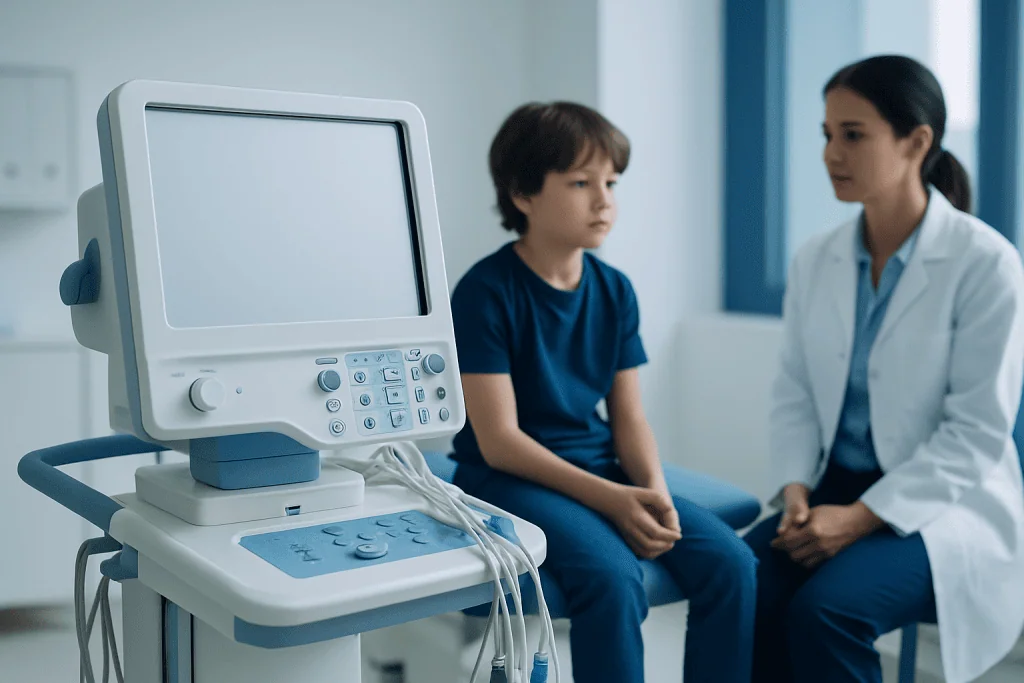
The symptoms of ADHD are usually grouped into two main areas: inattention and hyperactivity-impulsivity. A child with inattention may seem forgetful, lose things often, become easily distracted, or have trouble staying focused on homework, conversations, or routines. They may start tasks but not finish them, make careless mistakes, or seem not to listen even when spoken to directly.
Hyperactivity and impulsivity can appear as constant movement, fidgeting, running or climbing when it is not appropriate, talking excessively, interrupting others, or difficulty waiting. In younger children, these signs may stand out more clearly. In older children, hyperactivity may look more like inner restlessness, impatience, or difficulty staying seated and calm.
Common signs may include:
- Short attention span for tasks that require mental effort
- Difficulty following multi-step directions
- Frequent loss of school supplies or personal items
- Forgetfulness in daily routines
- Fidgeting, squirming, or leaving the seat often
- Interrupting conversations or blurting out answers
- Acting before thinking about consequences
- Trouble organizing schoolwork or time
Not every active or dreamy child has ADHD. Symptoms become concerning when they happen often, last over time, and interfere with learning, behavior, relationships, or home life. Some children may also have emotional frustration, low confidence, or conflict with peers because of these challenges.
Causes and Risk Factors

There is no single known cause of ADHD. Research suggests that it develops from a combination of genetic, biological, and environmental influences. ADHD often runs in families, which means a child may be more likely to have it if a parent or sibling has similar symptoms or a formal diagnosis.
Brain development and brain signaling patterns also play a role. ADHD is not caused by too much sugar, bad parenting, or lack of discipline, although daily stress can make symptoms more difficult to manage. It is important for families to know that the condition is real and medically recognized.
Some factors are associated with a higher risk, including premature birth, low birth weight, exposure to tobacco or alcohol during pregnancy, and certain developmental or neurological differences. Children with ADHD may also have other conditions at the same time, such as learning disorders, anxiety, sleep problems, oppositional behaviors, or autism spectrum disorder. Identifying these coexisting concerns can help guide the most effective support plan.
How ADHD Is Diagnosed
There is no single blood test, scan, or classroom checklist that can diagnose ADHD by itself. Diagnosis is based on a careful clinical assessment by a qualified healthcare professional, often a pediatrician, child psychiatrist, child psychologist, or developmental specialist. The goal is to understand the child’s behavior over time and across different settings.
The evaluation usually includes a detailed medical and developmental history, discussions with parents or caregivers, and information from teachers or school staff. Standardized behavior rating scales may be used to compare symptoms with what is typical for children of the same age. The clinician will look at whether symptoms began in childhood, have lasted long enough, and are affecting function at home, school, or in social situations.
Doctors also consider other possible explanations. Hearing or vision problems, sleep disorders, anxiety, depression, trauma, learning differences, seizures, thyroid conditions, and other medical or emotional issues can sometimes mimic or worsen ADHD symptoms. A thorough assessment helps distinguish ADHD from these concerns and may include referral for child neurology evaluation or behavioral assessment when appropriate.
Because ADHD can overlap with learning and emotional conditions, some children may also benefit from educational testing or review by a multidisciplinary team. This more complete approach helps families understand the child’s strengths as well as their challenges.
Treatment Options for Children with ADHD
Treatment for ADHD is individualized. The best plan depends on the child’s age, symptom pattern, school needs, family circumstances, and whether other conditions are present. In many cases, a combination of approaches works best. Treatment aims to improve daily functioning, not to change a child’s personality.
Behavioral and educational strategies are often central to care. Parents may receive guidance on how to use clear expectations, consistent routines, positive reinforcement, and calm consequences. At school, children may benefit from seating adjustments, task breakdown, extra time, movement breaks, visual schedules, or communication between home and teachers. Supportive counseling or child and adolescent psychiatry services may also help families manage emotional and behavioral challenges.
Medication may be recommended for some children, especially when symptoms significantly affect learning, safety, or relationships. A doctor will discuss potential benefits, side effects, monitoring, and follow-up. Medicines do not cure ADHD, but they may help some children focus better, reduce impulsive behavior, and function more comfortably during the day.
When speech, learning, sleep, or developmental concerns are also present, additional care may be useful. Some children benefit from coordinated support such as pediatric care alongside psychology, school services, or developmental follow-up. Near the end of the care journey, families may appreciate that Acibadem International’s multidisciplinary specialists and JCI-accredited hospitals diagnose and treat ADHD and related child health concerns for international patients.
Daily Management at Home and School
Daily management can make a meaningful difference. Children with ADHD often do best with structure, predictability, and simple systems. Families can create routines for waking up, dressing, meals, homework, play, and bedtime. Visual charts, timers, checklists, and labeled storage can help reduce overwhelm and support independence.
Instructions are usually easier to follow when they are short, specific, and given one step at a time. Praise for effort and small successes can be more effective than repeated criticism. It is also helpful to notice early signs of frustration and build in regular movement breaks, transitions, and calming strategies before problems grow.
Useful daily strategies may include:
- Keeping a consistent sleep schedule
- Reducing clutter in study areas
- Breaking homework into short blocks
- Using reminders, alarms, and visual planners
- Rewarding progress with positive feedback
- Staying in regular contact with teachers
- Encouraging physical activity and outdoor play
School partnership is especially important. Parents can share what works at home and ask teachers about classroom triggers, strengths, and support options. Small adjustments in the learning environment can greatly improve concentration, confidence, and participation.
Prevention, Self-Care, and Family Support
ADHD cannot always be prevented, but healthy prenatal care, avoiding tobacco and alcohol in pregnancy, and early attention to developmental concerns may support child health overall. For a child who already has ADHD, self-care focuses on habits that improve regulation and reduce daily stress.
Good sleep is especially important, since tiredness can worsen attention and behavior. Regular meals, balanced nutrition, and opportunities for physical activity can also support mood and concentration. Some families notice that screen habits affect sleep or behavior, so clear limits around devices may be useful.
Family support matters just as much as symptom management. Parenting a child with ADHD can be rewarding, but it can also be tiring. Caregivers may benefit from parent training, counseling, support groups, or guidance from a pediatric mental health professional. When families understand the condition and work together, children often feel safer, more capable, and more motivated.
When to See a Doctor
Parents should consider speaking with a doctor if a child’s inattention, impulsivity, or activity level seems much greater than expected for their age and is causing regular problems at school, home, or with friends. It is also a good idea to seek evaluation if teachers repeatedly raise concerns, homework becomes a daily struggle, or the child appears increasingly frustrated, anxious, or discouraged.
Medical advice is important when symptoms affect safety, sleep, learning, or emotional well-being. A child who is falling behind in school, having frequent conflicts, or developing low self-esteem should not be expected to simply “grow out of it” without support. Early assessment can help identify ADHD or another treatable issue.
Urgent evaluation may be needed if a child shows severe aggression, self-harm thoughts, sudden behavioral change, major sleep disruption, or signs of depression or trauma. Families do not need to manage these concerns alone. Professional guidance can bring clarity, reassurance, and a practical plan for next steps.
Frequently asked questions
At what age can ADHD be recognized in children?
ADHD symptoms often begin in early childhood, but they may become easier to notice once a child starts school and has to follow routines, sit still, and focus for longer periods. A formal diagnosis is made only after a careful assessment that considers age, development, and how symptoms affect daily life.
Is ADHD caused by parenting?
No. ADHD is a neurodevelopmental condition and is not caused by poor parenting, lack of discipline, or a child being intentionally difficult. Supportive parenting strategies can improve daily functioning, but they do not cause or erase the condition.
Can a child have ADHD without being hyperactive?
Yes. Some children mainly have difficulties with attention, organization, and forgetfulness rather than obvious hyperactivity. These children may be quiet or daydreamy, so their symptoms can be missed more easily.
How is ADHD different from normal childhood behavior?
Many children are active, impulsive, or distracted at times, especially when tired, excited, or bored. ADHD is different because the symptoms are more persistent, happen in more than one setting, and interfere with learning, behavior, or relationships.
Do all children with ADHD need medication?
No. Treatment is individualized and may include behavior strategies, parent guidance, school support, counseling, and sometimes medication. A doctor will help families weigh the child’s symptoms, needs, and response to non-medication approaches before deciding on a plan.
Can children with ADHD do well in school?
Yes. With the right support, many children with ADHD learn successfully and build confidence in school. Helpful steps may include structured routines, classroom accommodations, regular communication with teachers, and treatment tailored to the child’s needs.
References
- American Academy of Pediatrics
- Centers for Disease Control and Prevention
- National Institute of Mental Health
- American Psychiatric Association
- World Health Organization
This article is for general information only and is not a substitute for professional medical advice. Please consult a qualified doctor about your individual situation.
ADHD in Turkey — costs, top hospitals & a free quote
JCI-accredited · board-certified surgeons · reply within 24h
Add us as a Preferred Source to see more of our trusted health content across Google Search, AI Overviews and Discover.