

Advanced Glaucoma Treatment: How It Works, Results and What to Expect
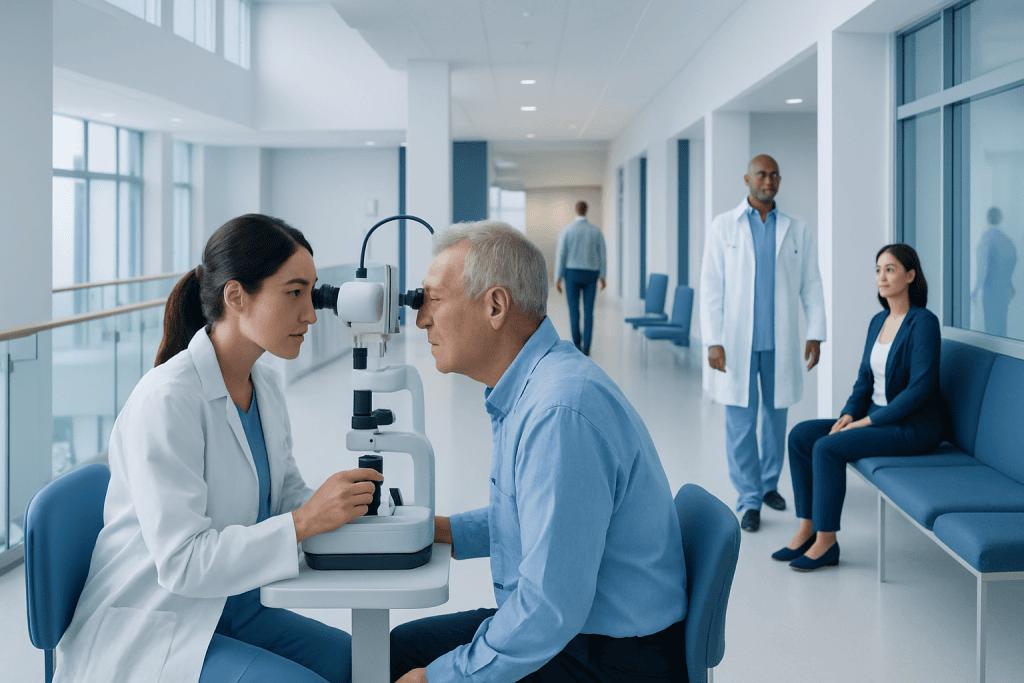
Advanced glaucoma means substantial optic nerve damage and visual-field loss, often requiring intensive pressure-lowering care. The main goal of treatment is to preserve remaining sight; existing glaucoma-related vision loss is usually permanent.
Key Takeaways
- Advanced glaucoma means substantial optic nerve damage and visual-field loss, often requiring intensive pressure-lowering care.
- The main goal of treatment is to preserve remaining sight; existing glaucoma-related vision loss is usually permanent.
- Eye drops, laser procedures, trabeculectomy, drainage devices and selected minimally invasive procedures may be used depending on the eye and glaucoma type.
- No single treatment is best for every person; the most effective option is the one that achieves a safe target eye pressure with acceptable risks.
- Regular pressure checks, visual-field tests and optic nerve imaging remain essential even after successful treatment.
- Sudden pain, redness, halos, nausea or rapid vision changes need urgent eye assessment.
Advanced glaucoma treatment aims to protect the vision that remains by lowering intraocular pressure (IOP), usually with eye drops, laser treatment, surgery, or a combination of approaches. Although lost vision cannot currently be restored, consistent treatment and follow-up can often slow or stop further damage.
Overview: how advanced glaucoma treatment works
Advanced glaucoma treatment is designed to lower pressure inside the eye and protect the remaining optic nerve function. In advanced disease, the optic nerve has already been significantly damaged and the visual field may be narrowed. Treatment cannot reverse established nerve damage, but it can substantially reduce the likelihood of further loss when pressure is brought to an individually chosen target and monitored carefully.
Glaucoma is not one single condition. Open-angle glaucoma is the most common form and usually develops slowly, while angle-closure glaucoma may cause a sudden pressure rise and needs urgent care. Treatment planning considers the glaucoma type, current eye pressure, amount and rate of vision loss, corneal thickness, general health, previous procedures and the person’s ability to use drops reliably.
For many people with advanced glaucoma, care involves more than one method. Prescription eye drops may be used alongside laser treatment or surgery, with regular testing to confirm that the target pressure is being reached and that the disease is stable.
What do people with advanced glaucoma see?
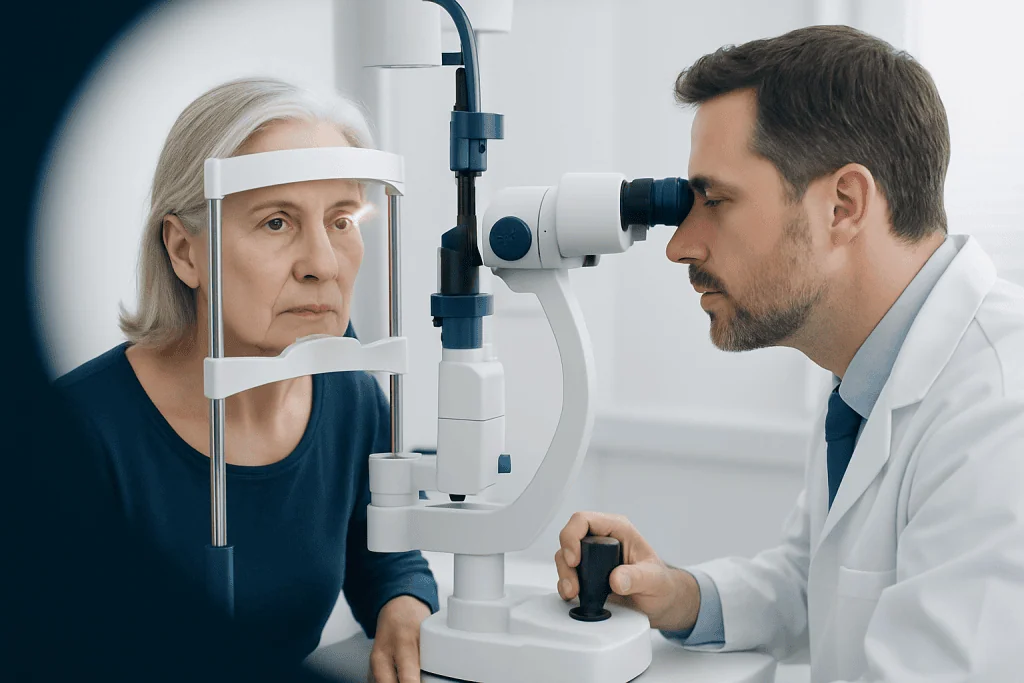
People with advanced glaucoma commonly experience loss of side, or peripheral, vision. They may bump into objects, miss steps or curbs, find it difficult to move through crowded places, or struggle with driving, especially in unfamiliar or low-light settings. Because the brain adapts and each eye can compensate for the other to some extent, visual-field loss may be less obvious than expected in daily life.
As glaucoma becomes more severe, the remaining field can become very narrow, sometimes described as tunnel vision. Central vision may remain useful until later stages, but it can also be affected in some forms of glaucoma or if damage progresses close to the central visual field. Blurred vision is not always caused by glaucoma itself and should be assessed for other treatable causes, such as cataract, dry eye or retinal disease.
Visual-field testing provides a more reliable picture than symptoms alone. An ophthalmologist may also use optic nerve examination and imaging to compare results over time and identify changes early.
Candidacy and evaluation for advanced glaucoma treatment

Anyone with advanced glaucoma needs individualized assessment by an ophthalmologist, ideally one with glaucoma expertise. Surgery is often considered when eye pressure remains above the target despite appropriate drops and laser treatment, when vision is worsening, when drops cause significant side effects, or when a person cannot safely maintain a complex medication schedule.
The assessment usually includes repeated eye-pressure measurements, a review of medications, visual-field testing, optic nerve imaging and examination of the drainage angle using gonioscopy. The clinician also checks the cornea, lens, retina and overall eye anatomy, since these factors influence which treatment is safest and most likely to achieve the desired pressure reduction.
Advanced glaucoma does not automatically mean that surgery is required immediately. However, because there is less vision reserve, clinicians may recommend a lower target pressure and closer follow-up than for early glaucoma. The decision should balance the potential benefit of pressure control against procedure-related risks and the person’s lifestyle and health needs.
Treatment options and step-by-step procedure pathway
Treatment usually begins or continues with pressure-lowering eye drops. These may reduce fluid production in the eye or improve fluid drainage. Correct technique and regular use are important: drops should be taken exactly as prescribed, and the prescribing clinician should know about any breathing, heart, kidney or other health conditions that could affect medication choice.
Laser treatment may be suitable in selected cases. For open-angle glaucoma, laser trabeculoplasty applies controlled laser energy to the eye’s natural drainage tissue to improve outflow. It is generally performed in an outpatient setting after numbing drops are applied. For angle-closure glaucoma, laser peripheral iridotomy creates a small opening in the iris to improve fluid movement and reduce the risk of angle blockage.
When lower pressure is required, filtering surgery or a tube shunt may be recommended. In a trabeculectomy, the surgeon creates a controlled new pathway for fluid to leave the eye and form a small drainage reservoir beneath the upper eyelid. A glaucoma drainage device uses a small tube and plate to direct fluid to a similar area. These procedures are commonly performed with local anesthesia and sedation or, when appropriate, general anesthesia.
The exact sequence varies. Before surgery, the eye is measured and drops may be adjusted. During the procedure, the surgeon creates or implants the drainage route and closes the tissues carefully. Afterward, frequent follow-up visits are essential because the drainage pathway may need adjustment with drops, gentle office procedures or other measures while healing takes place. A person considering surgery can discuss glaucoma treatment options with an ophthalmology team.
What is the most successful treatment for glaucoma?
There is no single most successful treatment for glaucoma because the best approach depends on the type and severity of glaucoma, the target eye pressure and the individual eye. A treatment is considered successful when it lowers pressure enough to prevent further optic nerve damage while causing manageable side effects and allowing reliable long-term follow-up.
For advanced glaucoma, filtering surgery such as trabeculectomy or a glaucoma drainage device often achieves a larger pressure reduction than drops alone and may be the most appropriate option when very low pressure is needed. However, surgery also requires more intensive postoperative care and has risks that must be weighed carefully. Laser treatment and medications remain valuable, either as primary measures or as part of combined care.
Success is measured over time, not only by a single pressure reading. The ophthalmologist reviews pressure trends, visual fields, optic nerve appearance, treatment tolerability and adherence. A treatment plan may need to change as the condition or a person’s circumstances change.
Benefits, risks and recovery timeline
The principal benefit of advanced glaucoma treatment is preservation of remaining vision by reducing pressure-related damage to the optic nerve. It may also reduce the need for multiple medications. Results differ between individuals, and even with well-controlled pressure, ongoing monitoring is needed because glaucoma can occasionally progress at pressures previously considered acceptable.
After laser treatment, mild discomfort, light sensitivity or temporary blurred vision can occur. Many people return to routine activities quickly, but the treating team will advise when driving, work and exercise are appropriate. Pressure can rise temporarily after some laser procedures, so follow-up is important.
Recovery after trabeculectomy or drainage-device surgery is longer and more closely supervised. Vision may be blurred initially and can fluctuate for several weeks. People are usually asked to use prescribed postoperative drops, avoid eye rubbing, heavy lifting and strenuous activity for a period advised by their surgeon, and attend several early visits. Full healing and stabilization may take weeks to months.
Potential surgical risks include infection, bleeding, inflammation, scarring of the drainage area, pressure that is too low or too high, cataract progression, corneal problems and the need for further treatment. These complications are not inevitable, but they explain why shared decision-making and prompt reporting of new symptoms are important.
What is the new glaucoma treatment for 2026?
There is not one universal “new glaucoma treatment for 2026.” Glaucoma care continues to develop through improved sustained-release drug delivery, refined laser methods, minimally invasive glaucoma surgery (MIGS), better drainage implants and monitoring technologies. Availability and suitability vary by country, glaucoma type and the individual eye.
Sustained-release approaches are intended to reduce the burden of daily drops for selected patients, while MIGS procedures aim to lower pressure with less tissue disruption than traditional filtering surgery. However, in advanced glaucoma, MIGS may not always achieve the very low pressure required. Traditional trabeculectomy or drainage-device surgery may therefore remain the more suitable choice when disease is severe.
Research is also exploring neuroprotection and ways to detect progression earlier, but no established treatment currently restores optic nerve tissue or reliably returns vision already lost from glaucoma. A clinician can explain which established and emerging options are appropriate and available for a specific situation.
How fast does glaucoma progress when treated?
When glaucoma is effectively treated and eye pressure is maintained at the right target level, progression may slow greatly or stop for long periods. The rate is highly individual. It depends on the glaucoma type, how advanced the damage is, the pressure level achieved, natural pressure fluctuations, age, family history, blood-flow factors and whether treatment is used consistently.
Some people remain stable for many years, while others need treatment intensification despite apparently good adherence. This is why regular visual-field testing and optic nerve assessment are necessary. These tests can show small changes before they become noticeable in everyday vision.
Missing appointments or stopping drops without medical advice can allow pressure to rise and increase the risk of progression. If drops are difficult to use or cause side effects, it is important to tell the eye-care team promptly; alternative medications, laser treatment or surgery may help.
When to seek medical care
People with known advanced glaucoma should keep all planned eye appointments and contact their ophthalmologist if vision seems to worsen, eye drops become difficult to tolerate, or medication supplies are running low. A gradual change in vision still deserves timely assessment, even when there is no pain.
Urgent same-day eye care is needed for sudden severe eye pain, a red eye, halos around lights, sudden blurred vision, headache with nausea or vomiting, or rapid loss of vision. These symptoms can occur with acute angle closure or other urgent eye conditions and should not be managed at home.
Acibadem International’s multidisciplinary specialists and JCI-accredited hospitals can assess and treat glaucoma for international patients, including planning for follow-up needs after laser or surgical care.
Frequently asked questions
Can advanced glaucoma be cured?
Advanced glaucoma cannot currently be cured because damage to the optic nerve cannot be reversed. Treatment can often lower eye pressure and preserve the vision that remains. Lifelong monitoring is usually needed.
Can vision improve after glaucoma surgery?
Glaucoma surgery is intended to prevent further vision loss rather than restore vision already lost from optic nerve damage. Vision may be temporarily blurred during recovery and can later improve toward its preoperative level, depending on the eye and any other conditions present. The surgeon can explain realistic expectations for the individual case.
Will I still need eye drops after glaucoma surgery?
Some people need fewer drops after successful surgery, while others continue using one or more medications. The need for drops depends on the pressure achieved, healing response and glaucoma severity. Drops should only be changed or stopped on the advice of the treating ophthalmologist.
Is glaucoma surgery painful?
Glaucoma procedures are performed with anesthesia so people should not feel pain during the operation. Mild irritation, grittiness or discomfort can occur afterward and is usually managed with prescribed medication and postoperative instructions. Severe pain or a sudden change in vision should be reported urgently.
How often are follow-up visits needed after glaucoma surgery?
Follow-up is usually frequent in the first days and weeks after surgery because the drainage pathway and eye pressure can change during healing. Visits become less frequent once the eye is stable, but ongoing glaucoma monitoring remains essential. The exact schedule is individualized.
Can lifestyle changes replace treatment for advanced glaucoma?
Healthy habits such as taking medications consistently, attending appointments, exercising safely and avoiding smoking support overall health, but they do not replace pressure-lowering glaucoma treatment. No diet, supplement or exercise program has been shown to reverse advanced glaucoma. A doctor should be consulted before making changes that could affect eye or general health.
References
- American Academy of Ophthalmology
- National Eye Institute
- Glaucoma Research Foundation
- World Glaucoma Association
This article is for general information only and is not a substitute for professional medical advice. Please consult a qualified doctor about your individual situation.
Glaucoma in Turkey — costs, top hospitals & a free quote
JCI-accredited · board-certified surgeons · reply within 24h
Add us as a Preferred Source to see more of our trusted health content across Google Search, AI Overviews and Discover.

Ophthalmology
Comprehensive eye care from laser vision correction to retina, cornea and cataract surgery.
75 specialists in this unitMore from the Health Library



Related Specialists

Embriyolog Hasan Benli
Vitro Fertilization and Reproductive Medicine Center
Dt. Mete Dalbeler
Oral & Dental Health
Dyt. Renan Güneş
Nutrition & Diet
Dr. Fatma Kutlusoy Güçlü
Gynecology & Obstetrics