After Effects Radiation Therapy: How It Works, Results and What to Expect

Fatigue and skin reactions are common after effects radiation therapy, but their timing and severity differ from person to person. Side effects are usually related to the treatment area, such as bowel changes after pelvic radiation or swallowing difficulties after head and neck radiation.
Key Takeaways
- Fatigue and skin reactions are common after effects radiation therapy, but their timing and severity differ from person to person.
- Side effects are usually related to the treatment area, such as bowel changes after pelvic radiation or swallowing difficulties after head and neck radiation.
- The most difficult period is often the final treatment weeks and the first one to two weeks afterward, when effects may temporarily peak.
- Most normal tissues repair to some extent, but a small number of people develop long-term effects that require ongoing medical support.
- Promptly reporting new, severe or persistent symptoms helps the oncology team provide safe symptom relief and assess for complications.
After effects radiation therapy vary by the body area treated, radiation dose, treatment schedule and individual health. Many short-term effects develop gradually during treatment or shortly afterward and improve over the following weeks, while some changes can appear months or years later and should be monitored through follow-up care.
Overview: after effects radiation therapy
After effects radiation therapy are changes that occur as healthy cells near a treatment area respond to radiation. Radiation therapy is designed to damage cancer cells so they cannot continue dividing, while planning techniques aim to limit radiation exposure to surrounding normal tissue. Even with careful planning, nearby tissues may become irritated or temporarily less able to repair themselves.
Effects may be early, meaning they begin during treatment or in the weeks afterward, or late, meaning they arise months or occasionally years later. The experience is highly individual. It depends on the part of the body treated, the total dose and number of sessions, whether chemotherapy or surgery is also used, and a person’s general health.
Radiation therapy does not make a person radioactive after external-beam treatment. Most people can safely be around family, friends and children. Internal radiation treatments may involve specific temporary precautions, and the care team will explain these clearly when relevant.
How radiation works and who may receive it
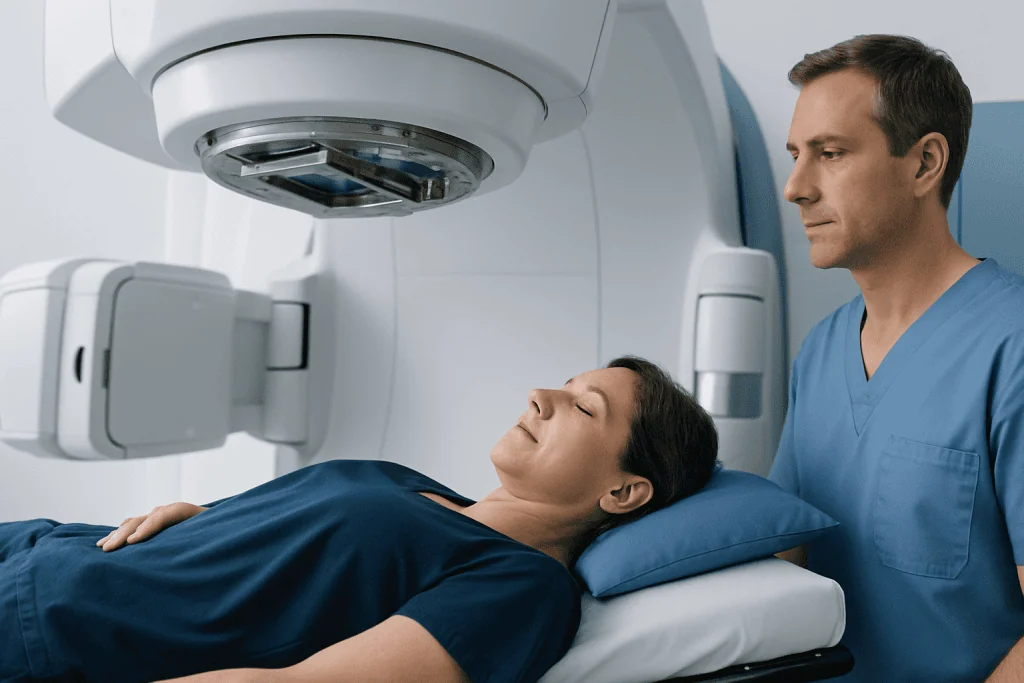
Radiation therapy uses high-energy radiation to damage DNA within cells. Cancer cells often have less ability than healthy cells to repair this damage, so they may stop growing or die over time. Treatment can be used to cure certain cancers, lower the chance of cancer returning after surgery, slow cancer growth, or relieve symptoms such as pain or bleeding.
A radiation oncologist considers the cancer type, stage, location and treatment goals, along with previous treatments and medical conditions. Radiation may be given alone or combined with surgery, chemotherapy, immunotherapy or hormone therapy. The likely benefits and possible effects on nearby organs are discussed before treatment begins.
People who have had radiation to the same body area before, have certain connective-tissue diseases, are pregnant, or have an implanted medical device may need additional assessment. These factors do not automatically rule out treatment, but they can affect planning, technique and monitoring.
Radiation care is individualized. The team may recommend external-beam radiation, internal radiation called brachytherapy, or another specialized approach based on the clinical situation and the safest way to target the area of concern.
What happens during radiation treatment
Before treatment, the radiation oncology team performs a planning visit, often including a CT scan in the treatment position. Small skin marks, imaging guidance and, for some treatment sites, custom supports or masks help ensure the same area is treated accurately at every session. Planning may take days to weeks because clinicians and medical physicists carefully calculate the treatment plan.
External-beam radiation is usually delivered as outpatient care over one or more sessions. At each visit, radiographers position the patient, take verification images when needed and leave the room while the machine delivers radiation. The machine does not touch the body, and the treatment itself is painless, although holding a position can be uncomfortable for some people.
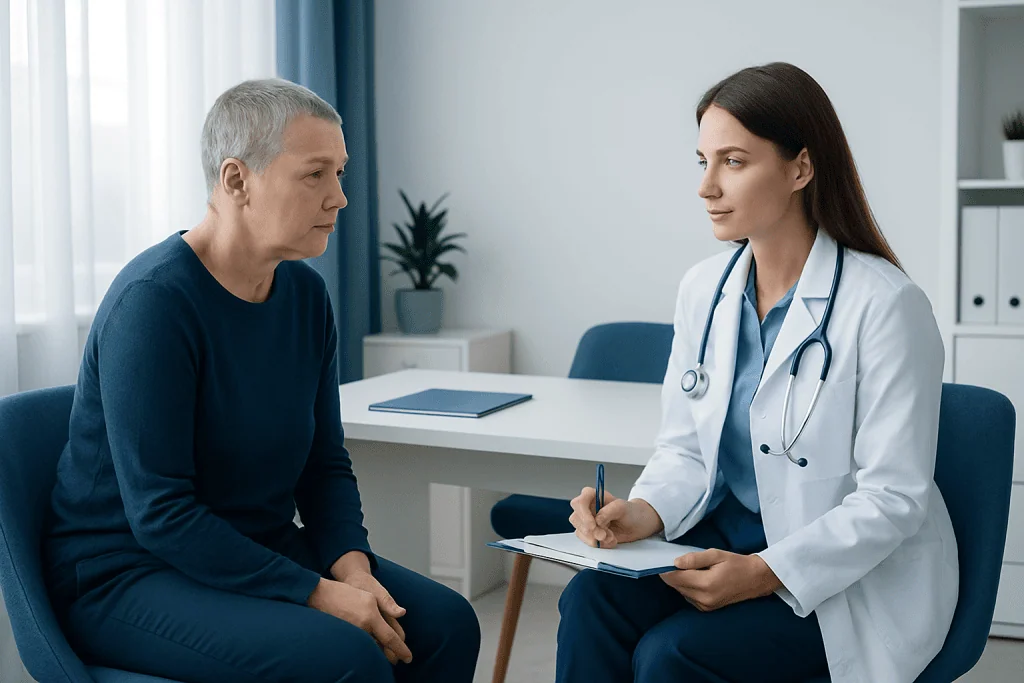
Appointments are generally brief, but treatment effects build gradually because normal tissues respond over time. The team reviews symptoms regularly and may adjust supportive medicines, skin-care advice, nutrition plans or other aspects of care. It is important to attend planned sessions unless the radiation oncology team advises otherwise.
After treatment ends, follow-up appointments assess recovery, manage side effects and monitor the response to cancer treatment. Imaging and blood tests are scheduled according to the cancer type and overall treatment plan; they are not always performed immediately because radiation-related changes can take time to settle.
Common early effects and recovery timeline
Early effects often begin after the first few weeks of treatment and may continue to worsen briefly after the final session. Fatigue is common and can feel out of proportion to activity. It may be linked to the body’s repair process, travel to appointments, sleep changes, emotional strain, nutritional difficulties, anemia or other treatments.
Skin in the treated area may become red, dry, itchy, sore, darker or more sensitive, much like a sunburn. Depending on the body region, other temporary effects may include mouth soreness, altered taste, swallowing discomfort, nausea, diarrhea, bladder irritation, hair loss limited to the treatment field, or changes in sexual comfort. The oncology team can offer measures to reduce discomfort and protect nutrition and hydration.
For many people, the most noticeable short-term effects begin to improve within several weeks after treatment. Energy may return more slowly and can take weeks to months to recover. A person should not judge treatment success by how quickly side effects disappear; symptom recovery and cancer response follow different timelines.
- During treatment: mild symptoms may emerge and build gradually.
- First 1-2 weeks afterward: skin and site-specific inflammation can temporarily peak.
- Weeks 2-8 afterward: many acute reactions settle, although fatigue may persist.
- Months to years afterward: follow-up focuses on recovery, cancer surveillance and possible late effects.
Benefits, risks and possible late effects
The principal benefit of radiation therapy is its ability to target a defined area while preserving as much healthy tissue as possible. It can play an important role in curative treatment, reducing the risk of recurrence, or improving quality of life by easing symptoms caused by cancer. Modern planning and image guidance have improved precision, but no treatment is entirely without risk.
Late effects are less common than early effects, but they are important to understand. They may include lasting skin color or texture changes, firmness or scarring of tissue, swelling called lymphedema, reduced fertility or hormonal changes when reproductive organs are in the field, bowel or bladder changes after pelvic treatment, or effects on lung, heart, bone, nerves or other nearby structures depending on the treatment site.
Rarely, radiation can contribute to a new cancer in the treated area many years later. This risk is considered alongside the expected benefit of treating the current cancer. The radiation oncologist uses the lowest effective dose and the most appropriate technique to reduce exposure to normal organs.
New symptoms should not automatically be assumed to be a late radiation effect. They may have another cause, including infection, medication effects or cancer-related changes. Ongoing communication with the oncology team is the safest way to obtain an accurate assessment.
Practical self-care after radiation therapy
Recovery is supported by rest balanced with gentle activity, adequate fluids and regular nourishing meals. A short walk or other activity approved by the care team can help maintain strength and may ease fatigue, but patients should avoid pushing through severe exhaustion. Family members and friends can often help with meals, transport and daily tasks during the recovery period.
Skin in the treatment field should be treated gently. Patients should use only products recommended by their radiation team, avoid rubbing or scratching, protect the area from direct sun and avoid extreme heat or cold such as heating pads, ice packs or very hot baths unless specifically advised. Loose, soft clothing may reduce irritation.
It is helpful to keep a record of symptoms, bowel and bladder changes, food intake, sleep and any medicines used. This gives the clinical team clearer information at review appointments. Before starting vitamins, herbal products or over-the-counter remedies, patients should ask their oncology team, as some products may not be suitable during cancer treatment or recovery.
Acibadem International’s multidisciplinary specialists at JCI-accredited hospitals support international patients through radiation planning, symptom management and follow-up care. Individual aftercare recommendations should always come from the treating radiation oncology team.
When to seek medical care
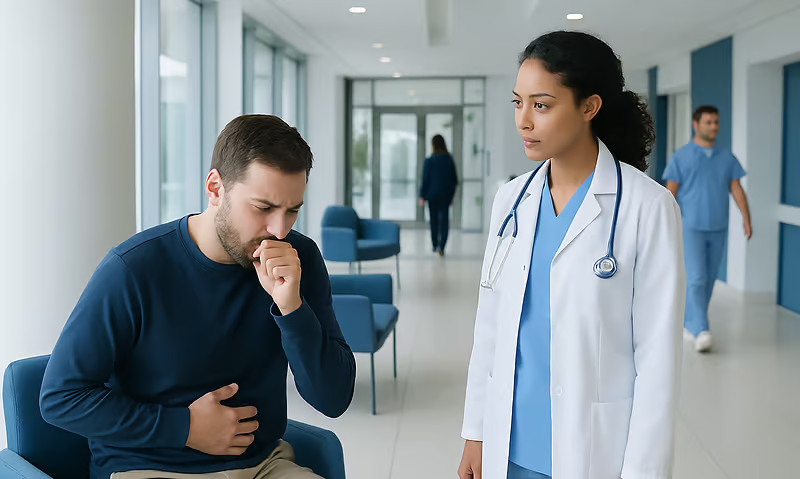
Patients should contact their radiation oncology team promptly for symptoms that are severe, worsening or difficult to manage. This includes inability to drink enough fluids, repeated vomiting, persistent diarrhea, uncontrolled pain, painful swallowing that limits eating or drinking, rapidly worsening skin breakdown, new swelling, or urinary or bowel symptoms that are significant or persistent.
Urgent medical assessment is needed for trouble breathing, chest pain, confusion, fainting, uncontrolled bleeding, a fever or signs of serious infection, sudden weakness or numbness, or severe dehydration. These symptoms may not be caused by radiation, but they should be assessed without delay.
It is also appropriate to seek support for anxiety, low mood, sleep difficulty or distress about body changes. Emotional recovery is a meaningful part of cancer care, and counseling, social work, rehabilitation and palliative-care services can be valuable alongside medical treatment.
Frequently asked questions
What are the hardest days after radiation treatment?
For many people, symptoms are most noticeable during the final week of treatment and the first one to two weeks after it ends. This is because inflammation in normal tissues can continue briefly after the last session. The hardest period varies by treatment area and whether other cancer treatments are being given at the same time.
Does your body ever fully recover from radiation?
Many healthy tissues recover substantially after radiation therapy, and common short-term effects often improve over weeks to months. Some people have lasting changes, such as skin texture changes, tissue firmness, fatigue or organ-specific effects, depending on the treatment area and dose. Regular follow-up helps identify and manage any long-term concerns.
What I wish I knew before radiation?
Many patients find it useful to know that side effects can build gradually rather than appearing on the first day, and they may peak shortly after treatment finishes. It is also helpful to plan practical support for transport, meals, work and rest, especially if daily appointments are needed. Asking early about skin care, nutrition, activity, fertility, sexual health and expected site-specific symptoms can make preparation easier.
What should you not do after radiation therapy?
Patients should not apply unapproved creams, supplements or herbal remedies to the treated area or take them without discussing them with the oncology team. They should avoid rubbing irritated skin, intense sun exposure on the treatment field and extreme temperatures on sensitive skin. It is also important not to ignore worsening symptoms or miss planned follow-up visits.
How long does fatigue last after radiation therapy?
Fatigue often improves gradually in the weeks after treatment, but some people need several months to regain their previous energy level. Recovery may take longer when radiation is combined with chemotherapy, surgery, anemia, pain, sleep disruption or emotional stress. A clinician can assess persistent or severe fatigue for treatable contributors.
Can radiation side effects start months or years later?
Yes. Some late effects can develop months or years after radiation, although not everyone experiences them. The possible effects depend largely on which organs were close to the treatment area. Patients should tell their doctors about prior radiation treatment whenever they develop new health concerns.
References
- National Cancer Institute
- American Cancer Society
- American Society for Radiation Oncology
- Cancer Research UK
- World Health Organization
This article is for general information only and is not a substitute for professional medical advice. Please consult a qualified doctor about your individual situation.
Radiation Therapy in Turkey — costs, top hospitals & a free quote
JCI-accredited · board-certified surgeons · reply within 24h
Add us as a Preferred Source to see more of our trusted health content across Google Search, AI Overviews and Discover.

Radiation Oncology
Precision radiotherapy and radiosurgery using advanced linear accelerators and image-guided techniques.
26 specialists in this unitMore from the Health Library


Related Specialists

Prof. Dr. Mitat Bahçeci
Endocrinology
Asst. Prof. Dr. Gökhan Arslanhan
Cardiovascular Surgery
Prof. Dr. Işık Aslay
Radiation Oncology
Dr. Ceyhun Başoğlu
Physical Medicine & Rehabilitation