Ageing: An Evidence-Based Guide for Patients

Ageing is normal, but its effects vary widely depending on genetics, lifestyle, environment, and medical history. Not every new symptom should be blamed on age; some changes may signal a treatable health condition.
Key Takeaways
- Ageing is normal, but its effects vary widely depending on genetics, lifestyle, environment, and medical history.
- Not every new symptom should be blamed on age; some changes may signal a treatable health condition.
- Exercise, good nutrition, sleep, social connection, and preventive care support healthy ageing.
- Regular medical review can help detect hearing loss, memory problems, heart disease, osteoporosis, and other age-related conditions early.
- The goal of care is often to maintain function, independence, and quality of life rather than to reverse ageing itself.
Ageing is a natural lifelong process that affects the body, brain, and daily function in different ways from person to person. While some changes are expected, healthy habits, regular checkups, and timely treatment can help preserve independence, comfort, and quality of life.
Overview: what ageing means
Ageing is the gradual, natural process of change that happens throughout life. It affects cells, tissues, organs, and body systems, and it can influence strength, balance, memory, sleep, skin, vision, hearing, and metabolism. Some changes occur slowly over decades, while others become more noticeable later in life.
Healthy ageing does not mean avoiding all illness or looking a certain way. It means supporting physical, mental, and social well-being as the body changes over time. Many people remain active and independent for many years by combining healthy habits with preventive medical care.
It is also important to remember that “normal ageing” and disease are not the same thing. For example, needing more light to read may be age-related, but sudden confusion, major weight loss, chest pain, or rapid loss of mobility are not changes that should simply be accepted as part of getting older. A careful medical assessment can help separate expected change from treatable illness.
How ageing affects the body and mind
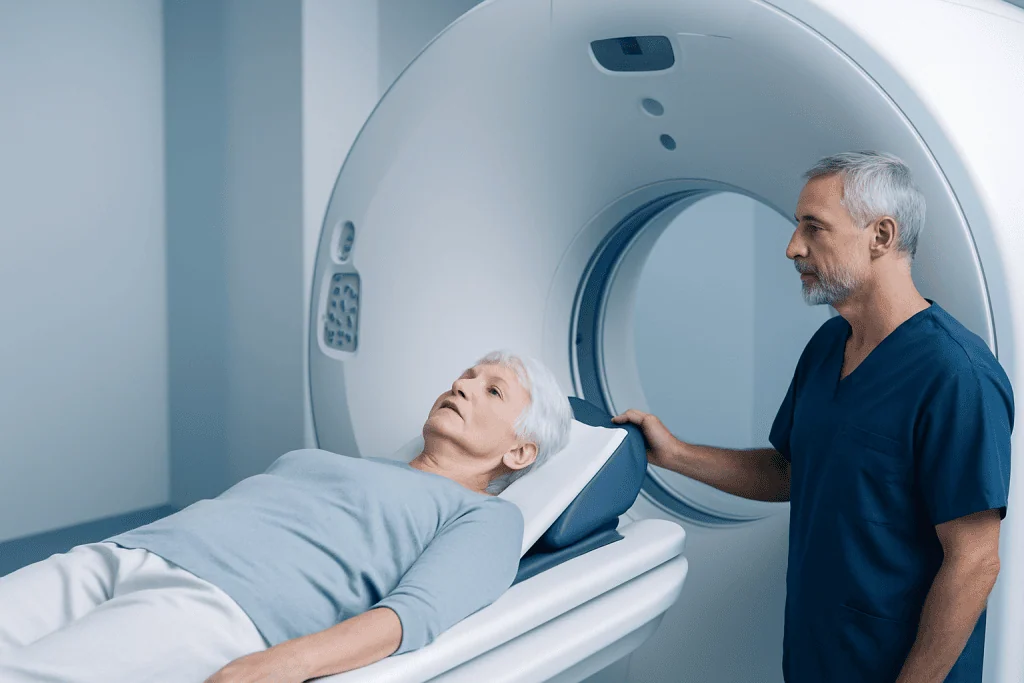
Ageing can affect nearly every system in the body. Muscle mass and bone density may gradually decline, making weakness, slower movement, or fractures more likely. Joints may feel stiffer, the skin may become thinner and drier, and recovery from illness or injury may take longer than before.
The heart, lungs, kidneys, digestive system, and immune system also change with age. Some people notice lower exercise tolerance, constipation, changes in appetite, or greater sensitivity to dehydration and certain medicines. Vision and hearing commonly change too, sometimes so gradually that the person does not realize how much function has been lost.
Changes in the brain can include slower processing speed or occasional forgetfulness, but significant memory loss, difficulty managing daily tasks, or personality change deserve medical attention. Mood also matters. Loneliness, depression, anxiety, grief, and sleep problems are common in later life and can have a major impact on energy, memory, and overall health.
- Common age-related changes: reduced muscle strength, slower balance reactions, presbyopia, hearing loss, dry skin, and altered sleep patterns
- Changes that need assessment: sudden confusion, falls, new incontinence, severe pain, rapid functional decline, or major behavior changes
What influences the ageing process

Ageing is shaped by more than time alone. Genetics influence how the body repairs itself, handles inflammation, and responds to stress. However, lifestyle and environment also play a major role. Smoking, heavy alcohol use, poor sleep, chronic stress, limited activity, and an unbalanced diet can increase the burden of age-related disease.
Long-term medical conditions can affect how a person ages as well. High blood pressure, diabetes, obesity, high cholesterol, arthritis, chronic lung disease, and depression may reduce mobility, energy, and independence over time if not well managed. In contrast, early diagnosis and ongoing treatment often help protect long-term function.
Social factors are equally important. Financial strain, limited access to healthcare, isolation, unsafe housing, and caregiving stress can all affect health in older age. Healthy ageing is therefore not only about biology; it also depends on support, safety, and access to appropriate care.
Some age-related concerns are linked to specific conditions, such as osteoporosis or Alzheimer’s disease. Identifying these conditions early may open the door to interventions that reduce complications and support daily life.
Common health concerns in older adults
Many conditions become more common with age, but they are not inevitable. Heart and blood vessel disease, type 2 diabetes, hearing loss, cataracts, osteoarthritis, osteoporosis, urinary problems, and memory disorders are among the issues doctors often monitor more closely in later life. The goal is to identify concerns early, before they lead to avoidable disability or loss of independence.
Falls are a particularly important concern because they can result from several overlapping problems, such as poor balance, weak muscles, low blood pressure, medication side effects, vision changes, or unsafe home conditions. Bone health matters here too, since weaker bones raise the risk of serious injury after a fall.
Cognitive changes also deserve thoughtful evaluation. Mild forgetfulness can occur with age, but progressive memory loss, trouble following conversations, getting lost, or difficulty handling familiar tasks may suggest a neurological condition rather than typical ageing. Similarly, persistent sadness, lack of interest, and social withdrawal should not be dismissed, since mental health treatment can be very helpful at any age.
Depending on symptoms, a doctor may recommend further assessment by specialists. For example, movement and balance problems may benefit from physical therapy and rehabilitation, while advanced joint damage may sometimes be managed with options such as knee replacement when appropriate.
How doctors assess ageing-related changes
There is no single test for ageing. Instead, doctors assess how a person is functioning and whether new symptoms may be caused by a specific medical problem. A thorough review often includes medical history, current symptoms, medications, mobility, sleep, mood, memory, appetite, continence, and ability to manage daily activities.
Physical examination may focus on blood pressure, heart and lung function, vision, hearing, balance, muscle strength, joint movement, and neurological signs. Blood tests may be used to look for anemia, thyroid disease, vitamin deficiencies, diabetes, kidney problems, or infection, especially when fatigue, confusion, or weakness is present.
In some cases, imaging or specialist evaluation is needed. Bone density testing may help assess fracture risk. Memory concerns may lead to cognitive testing or neurological review. Hearing and eye examinations can uncover problems that significantly affect safety and social function. If there are signs of vascular disease, arthritis, or another specific condition, more targeted tests may be advised.
A medication review is especially important in older adults. Some medicines can cause dizziness, constipation, falls, confusion, dry mouth, or interactions with other treatments. Simplifying or adjusting treatment plans can sometimes improve well-being significantly.
Supporting healthy ageing: treatment and self-care
There is no treatment that stops ageing, but many strategies can support healthy function and quality of life. Care is often personalized and may include exercise guidance, nutrition support, sleep advice, medication review, vaccination, management of chronic conditions, and treatment for pain, depression, hearing loss, or balance problems.
Physical activity is one of the most effective tools for healthy ageing. A balanced routine usually includes aerobic activity, strength training, flexibility, and balance work. Even gentle, regular movement can help preserve mobility, reduce fall risk, support heart health, and improve mood and sleep.
Nutrition also plays a central role. Older adults may need focused support to maintain protein intake, hydration, calcium, vitamin D, and overall energy balance. A doctor or dietitian may help if there is unintentional weight loss, chewing difficulty, low appetite, or a chronic condition that affects eating.
For some individuals, targeted procedures or specialist treatments are part of the plan. Depending on the person’s needs, this may include geriatric medicine assessment or cataract surgery to improve safety and daily function. Near the end of the care pathway, international patients may also seek coordinated assessment through Acibadem International, where multidisciplinary specialists in JCI-accredited hospitals evaluate and treat age-related health concerns.
- Helpful habits: regular exercise, balanced meals, social engagement, brain stimulation, good sleep routines, and smoking cessation
- Preventive steps: routine vaccinations, blood pressure checks, diabetes screening, bone health review, hearing and vision testing, and medication review
When to seek medical care
Medical advice should be sought if ageing-related changes begin to interfere with daily life, safety, mobility, eating, sleep, or memory. A person should also be assessed if family members notice major changes in mood, thinking, self-care, walking, or communication. Early review may uncover a treatable cause and help prevent complications.
Prompt medical attention is important for sudden confusion, chest pain, shortness of breath, severe weakness, one-sided numbness, fainting, a new fall with injury, black stools, dehydration, or rapid swelling. These are not routine signs of ageing and should not be ignored.
Regular follow-up is also valuable even when symptoms seem mild. Gradual hearing loss, poor balance, constipation, low mood, urinary leakage, or persistent fatigue can significantly affect independence and quality of life, and many of these issues improve with proper care.
Frequently asked questions
Is ageing a disease?
No. Ageing is a natural biological process that happens across the lifespan. However, ageing can increase the risk of certain diseases, which is why regular health review remains important.
What are normal signs of ageing?
Common age-related changes can include drier skin, reduced muscle strength, slower balance reactions, changes in sleep, needing more light to read, and gradual hearing decline. These changes tend to develop slowly and do not usually cause sudden loss of function.
When should memory changes be checked by a doctor?
Occasional forgetfulness can happen with age, but repeated problems with daily tasks, conversations, navigation, finances, or medication management should be assessed. Sudden confusion or rapid decline needs prompt medical attention.
Can lifestyle really affect ageing?
Yes. Physical activity, a balanced diet, sleep, social connection, avoiding tobacco, and managing long-term conditions can all influence how well a person functions as they age. These habits do not stop ageing, but they can support independence and reduce health risks.
Why do older adults need medication reviews?
As the body changes with age, medicines may act differently and side effects may become more likely. A review can help identify unnecessary drugs, harmful interactions, or medicines that may contribute to falls, confusion, or constipation.
How can families support healthy ageing?
Families can help by encouraging medical checkups, supporting regular activity, noticing changes in mood or memory, and helping create a safer home environment. Respectful communication and support for independence are also important.
References
- World Health Organization
- National Institute on Aging
- Centers for Disease Control and Prevention
- National Health Service
- American Geriatrics Society
This article is for general information only and is not a substitute for professional medical advice. Please consult a qualified doctor about your individual situation.
Medical weight-loss options in Turkey — costs & eligibility
JCI-accredited · board-certified surgeons · reply within 24h
Add us as a Preferred Source to see more of our trusted health content across Google Search, AI Overviews and Discover.
Check your numbers in seconds
BMI, calories, due date, blood pressure and 30+ more clinical calculators — free, instant, doctor-reviewed ranges.