Alzheimer’s Disease: Early Memory Changes, Diagnosis, and Care Planning

Alzheimer’s disease is the most common cause of dementia, but not every memory problem is Alzheimer’s. Early symptoms often include repeating questions, misplacing items, difficulty planning, and getting confused in familiar situations.
Key Takeaways
- Alzheimer’s disease is the most common cause of dementia, but not every memory problem is Alzheimer’s.
- Early symptoms often include repeating questions, misplacing items, difficulty planning, and getting confused in familiar situations.
- Diagnosis usually combines medical history, cognitive testing, physical and neurological examination, blood tests, and brain imaging.
- Treatment can help manage symptoms, support daily functioning, and address mood, sleep, and safety concerns.
- Care planning is best started early, while the person can participate in decisions about health care, finances, living arrangements, and future preferences.
Alzheimer’s disease is a progressive brain condition that affects memory, thinking, behavior, and daily independence over time. Recognizing early changes and seeking a careful medical evaluation can help patients and families plan treatment, safety, and long-term support with more confidence.
Overview
Alzheimer’s disease is a long-term, progressive condition that affects the brain areas involved in memory, learning, language, judgment, and behavior. It is the most common cause of dementia, a general term for a decline in thinking abilities that is significant enough to interfere with everyday life. Although Alzheimer’s disease is more common with increasing age, it is not considered a normal part of aging.
The condition usually develops gradually. In the early stages, a person may seem mostly independent but have more trouble remembering recent conversations, managing appointments, or finding the right word. Over time, Alzheimer’s disease can affect orientation, decision-making, personal care, mobility, and communication. The pace of change varies widely from one person to another.
Families often notice symptoms before the person with Alzheimer’s fully recognizes them. This can be emotionally difficult, but an early and respectful evaluation is helpful. Some memory problems are caused by treatable conditions such as medication side effects, depression, sleep disorders, thyroid disease, vitamin deficiencies, or infections. A clear diagnosis helps guide the right care plan.
Early Memory Changes and Symptoms
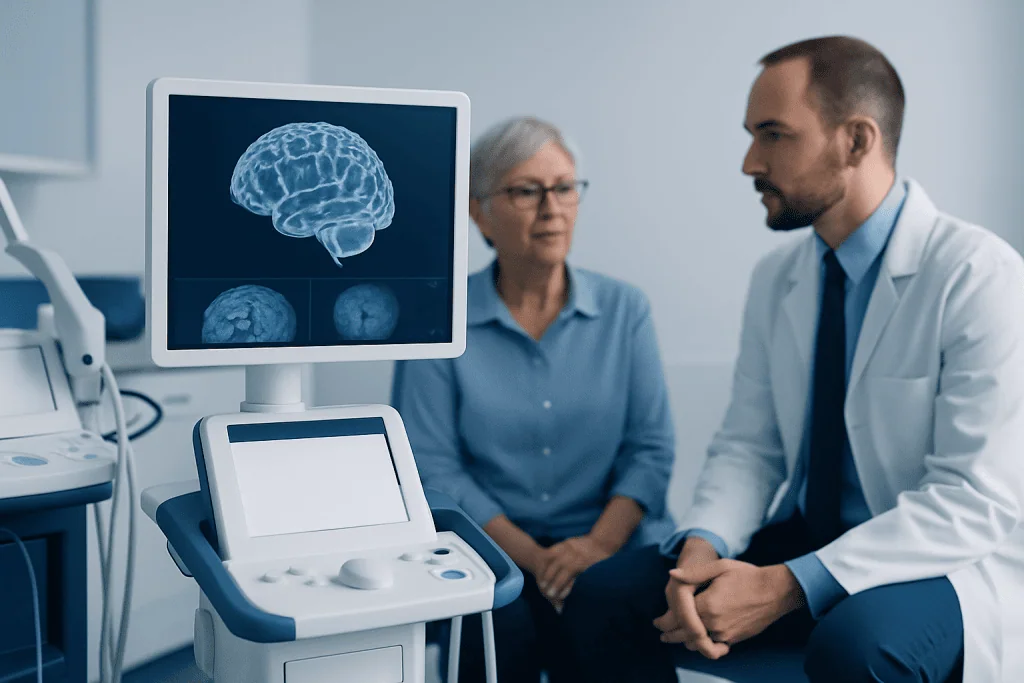
Early Alzheimer’s disease commonly affects short-term memory first. A person may remember events from many years ago but forget a conversation from the same morning. They may repeat questions, rely more heavily on notes, lose track of bills, or become less confident with tasks that used to be routine.
Memory changes become more concerning when they are persistent, progressive, and affect daily life. Occasional forgetfulness, such as misplacing keys and later finding them, can happen to anyone. In Alzheimer’s disease, a person may put objects in unusual places, be unable to retrace steps, or accuse others of moving items because the memory of placing them is lost.
Other early symptoms can include difficulty planning or solving problems, trouble following a familiar recipe, confusion about dates or locations, and reduced ability to manage finances or medications. Some people experience word-finding difficulty, withdrawal from social activities, changes in judgment, irritability, anxiety, or low mood. These changes are symptoms of a brain condition, not a character flaw.
- Repeating the same question or story within a short time
- Missing appointments or forgetting important events
- Getting lost or confused in familiar places
- Difficulty managing money, medicines, or household tasks
- New problems with language, planning, or decision-making
- Changes in mood, confidence, social engagement, or sleep
Causes and Risk Factors

Alzheimer’s disease is linked to complex changes in the brain, including abnormal buildup of proteins often described as amyloid plaques and tau tangles. These changes interfere with communication between nerve cells and contribute to the gradual loss of brain cells. Researchers continue to study why these changes begin and why some people are more vulnerable than others.
Age is the strongest known risk factor. The likelihood of Alzheimer’s disease increases as people get older, especially after the mid-60s. Family history can also play a role, particularly when a parent or sibling has had the condition. However, many people with a family history never develop Alzheimer’s disease, and many people diagnosed with it do not have a clear family history.
Some rare genetic forms can cause Alzheimer’s disease at a younger age, but these account for only a small proportion of cases. More commonly, risk is influenced by a combination of genes, vascular health, lifestyle factors, and medical conditions. Hearing loss, poorly controlled high blood pressure, diabetes, smoking, physical inactivity, social isolation, depression, head injury, and sleep problems may contribute to overall dementia risk.
Risk factors do not mean that Alzheimer’s disease is inevitable. Many brain-healthy habits also support heart and blood vessel health. Managing chronic conditions, staying mentally and socially active, and seeking treatment for hearing, mood, or sleep problems can be valuable parts of prevention and overall well-being.
Diagnosis
There is no single simple test that diagnoses every case of Alzheimer’s disease. A careful assessment usually begins with a detailed medical history from the patient and, when possible, a family member or close friend. The doctor will ask when symptoms began, how they have changed, which daily activities are affected, and whether there are concerns about mood, sleep, medications, alcohol use, falls, or other illnesses.
Cognitive screening tests and more detailed neuropsychological tests can evaluate memory, attention, language, problem-solving, and visuospatial skills. These tests help determine the pattern and severity of thinking changes. A physical and neurological examination may look for signs of stroke, Parkinson’s disease, vitamin deficiency, thyroid problems, or other medical issues that can mimic or worsen dementia symptoms.
Blood tests are often used to check for potentially reversible contributors, such as anemia, thyroid disease, vitamin B12 deficiency, liver or kidney problems, infection, or metabolic imbalance. Brain imaging, such as MRI or CT, may be recommended to look for stroke, bleeding, tumors, fluid buildup, or patterns of brain shrinkage. In some cases, specialists may discuss advanced tests for amyloid or tau biomarkers through PET imaging, cerebrospinal fluid testing, or newer blood-based tests where available and appropriate.
Diagnosis also includes identifying the stage of impairment. Mild cognitive impairment means thinking changes are noticeable on testing but daily independence is mostly preserved. Dementia means the changes interfere with everyday functioning. Knowing the stage helps guide treatment decisions, safety planning, follow-up, and support for caregivers.
Treatment Options
Treatment for Alzheimer’s disease is individualized. Current approaches cannot reverse all brain changes, but they may help support symptoms, maintain function for a period of time, and improve quality of life. The care plan often includes medication review, treatment of other medical conditions, cognitive and physical activity, caregiver education, and practical adjustments at home.
Doctors may prescribe medicines that affect brain chemicals involved in memory and communication, such as cholinesterase inhibitors or memantine, depending on the stage and the person’s overall health. These medicines do not work the same way for everyone, and benefits are usually modest. Regular follow-up is important to monitor effectiveness, side effects, interactions, appetite, sleep, heart rate, and daily functioning.
In selected people with early Alzheimer’s disease, disease-modifying anti-amyloid therapies may be discussed where they are approved and available. These treatments require careful eligibility assessment, biomarker confirmation, brain imaging, and monitoring for potential side effects. They are not suitable for everyone, so the decision should be made with a neurologist or dementia specialist after reviewing risks, benefits, expectations, and alternatives.
Non-medication care is equally important. Structured routines, calendars, labeled storage, simplified instructions, regular exercise, good lighting, hearing or vision correction, and meaningful activities can reduce frustration. If depression, anxiety, agitation, sleep disturbance, pain, or caregiver stress is present, these should be assessed and treated carefully because they can strongly affect daily life.
Care Planning, Safety, and Daily Support
Care planning is most helpful when it begins early, while the person with Alzheimer’s disease can still express preferences and participate in decisions. Planning does not mean giving up independence. Instead, it helps families prepare gradually for changes and reduce crisis decisions later. Discussions may include legal documents, financial arrangements, health care wishes, driving, work, travel, home safety, and future living options.
Daily support should be respectful and adapted to the person’s abilities. Many people function better with a predictable routine, fewer distractions, and one task at a time. Caregivers can offer choices in a simple way, such as choosing between two outfits or two meals. Maintaining dignity, privacy, and familiar activities can help preserve identity and emotional well-being.
Safety planning should be practical and reviewed regularly. Families may consider medication organizers, automatic bill payments, smoke and carbon monoxide alarms, fall-prevention measures, safe storage of hazardous items, and emergency contact information. If wandering or getting lost is a concern, identification jewelry or location-support tools may be useful. Driving should be discussed sensitively with a doctor, especially if there are accidents, near misses, disorientation, or slowed reaction time.
Caregivers also need care. Supporting someone with Alzheimer’s disease can be rewarding, but it may be physically and emotionally demanding. Respite care, support groups, counseling, shared family responsibilities, and professional home or day services can reduce strain. International patients and families may seek evaluation and coordinated treatment planning through centers such as Acibadem International, where multidisciplinary specialists in JCI-accredited hospitals assess and manage neurological conditions, including dementia.
Prevention and Brain-Healthy Self-Care
No lifestyle change can guarantee prevention of Alzheimer’s disease, but several habits are associated with better brain and vascular health. The brain depends on healthy blood vessels, good sleep, balanced nutrition, movement, and meaningful social connection. These steps are useful at any age and are especially important for people with family history or early cognitive concerns.
Regular physical activity, as recommended by a doctor, can support circulation, balance, mood, and sleep. A heart-healthy eating pattern that emphasizes vegetables, fruits, legumes, whole grains, fish, nuts, and olive oil while limiting highly processed foods may be beneficial. Managing high blood pressure, diabetes, cholesterol, weight, and smoking risk is also important because vascular disease can worsen cognitive decline.
Brain stimulation does not need to be complicated. Reading, music, learning a language, crafts, gardening, volunteering, games, religious or cultural activities, and social contact can all help keep the mind engaged. Treating hearing loss and vision problems can improve communication and reduce isolation. Good sleep habits and evaluation for snoring, sleep apnea, or persistent insomnia may also support cognitive health.
Self-care should be realistic and sustainable. For a person already diagnosed with Alzheimer’s disease, the goal is not perfection but comfort, safety, participation, and routine. Small changes, introduced one at a time, often work better than major lifestyle overhauls.
When to See a Doctor
A medical appointment is recommended when memory or thinking changes are new, persistent, worsening, or affecting daily life. Examples include missed bills, medication mistakes, repeated getting lost, difficulty following conversations, unusual judgment, or family concerns that the person is not functioning as before. Early evaluation is also important after a sudden change in confusion, because this may indicate infection, dehydration, medication effects, stroke, or another urgent medical problem.
People should seek prompt medical care if confusion appears suddenly, especially with fever, weakness, severe headache, speech difficulty, chest pain, fall, new incontinence, hallucinations, or major behavior change. Sudden symptoms are not typical of slowly progressive Alzheimer’s disease and may require immediate assessment. In older adults, treatable illnesses can sometimes present mainly as confusion.
For gradual memory changes, a primary care doctor, neurologist, geriatrician, psychiatrist, or memory clinic can begin the assessment. Bringing a list of medicines, medical conditions, symptom examples, and a trusted family member can make the visit more useful. A diagnosis may take more than one appointment, but each step can help clarify what is happening and what support is needed next.
Frequently asked questions
Is forgetfulness always a sign of Alzheimer’s disease?
No. Occasional forgetfulness can happen with stress, poor sleep, busy schedules, normal aging, or medication effects. Alzheimer’s disease is more likely when memory loss is persistent, progressive, and interferes with daily life. A medical evaluation can help identify treatable causes and clarify the diagnosis.
What is the difference between Alzheimer’s disease and dementia?
Dementia is a general term for a decline in memory, thinking, or behavior that affects daily functioning. Alzheimer’s disease is the most common cause of dementia. Other causes include vascular dementia, Lewy body dementia, frontotemporal dementia, Parkinson’s disease dementia, and some reversible medical conditions.
Can Alzheimer’s disease be diagnosed early?
Yes, many cases can be recognized in an early stage through medical history, cognitive testing, examination, laboratory tests, and brain imaging. In selected cases, biomarker tests may provide additional information. Early diagnosis allows the person and family to plan treatment, safety, legal matters, and support services while the person can participate in decisions.
Are there medicines that cure Alzheimer’s disease?
There is currently no medicine that cures Alzheimer’s disease for everyone or fully reverses established damage. Some medications may help manage symptoms or slow decline in selected patients, and newer disease-modifying therapies may be considered for certain people with early disease. A specialist can explain whether a treatment is appropriate based on diagnosis, stage, health status, and potential risks.
How can families communicate better with a person who has Alzheimer’s disease?
Calm, simple communication is often most effective. Families can speak slowly, use short sentences, offer one instruction at a time, and allow extra time for responses. Arguing about forgotten details usually increases frustration; reassurance, redirection, and familiar routines are often more helpful.
When should driving be reconsidered?
Driving should be reviewed if there are accidents, near misses, traffic violations, getting lost, slow reactions, or family concerns about judgment. A doctor can help assess risk and may recommend a formal driving evaluation. Planning transportation alternatives early can help preserve independence while improving safety.
References
- World Health Organization
- National Institute on Aging
- Alzheimer’s Association
- Mayo Clinic
- European Academy of Neurology
This article is for general information only and is not a substitute for professional medical advice. Please consult a qualified doctor about your individual situation.
Explore treatments in Turkey — costs, top hospitals & a free quote
JCI-accredited · board-certified surgeons · reply within 24h
Add us as a Preferred Source to see more of our trusted health content across Google Search, AI Overviews and Discover.
Check your numbers in seconds
BMI, calories, due date, blood pressure and 30+ more clinical calculators — free, instant, doctor-reviewed ranges.