Alzheimer’s Disease Specialists: When to Seek Expert Care

Not all memory problems are Alzheimer’s disease, so specialist evaluation can help identify the true cause. A geriatric neurologist, neurologist, psychiatrist, or memory clinic team may be involved in assessment and treatment.
Key Takeaways
- Not all memory problems are Alzheimer’s disease, so specialist evaluation can help identify the true cause.
- A geriatric neurologist, neurologist, psychiatrist, or memory clinic team may be involved in assessment and treatment.
- Early expert care can improve symptom management, safety planning, and support for patients and caregivers.
- Warning signs include worsening forgetfulness, trouble with daily tasks, disorientation, language problems, and personality changes.
- Diagnosis usually includes medical history, cognitive testing, physical and neurological exams, lab tests, and sometimes brain imaging.
Alzheimer’s disease specialists can help when memory changes, confusion, or behavior shifts begin to affect daily life. Expert evaluation may clarify the cause of symptoms, support earlier treatment, and help families plan care with more confidence.
Overview: What Alzheimer’s Disease Specialists Do
Alzheimer’s disease specialists are doctors and multidisciplinary clinicians with experience in evaluating memory loss, thinking problems, and changes in behavior or function in older adults. They may include geriatric neurologists, neurologists, geriatricians, psychiatrists, neuropsychologists, and other professionals who focus on disorders that affect the brain and daily functioning.
These specialists do more than confirm a diagnosis. They help determine whether symptoms are related to Alzheimer’s disease, another type of dementia, medication side effects, depression, sleep disorders, vitamin deficiencies, stroke, or other medical conditions. Because many causes of cognitive decline can overlap, an expert assessment is often useful when symptoms are persistent, progressive, or difficult to explain.
Specialist care may also help families understand what to expect over time. This can include advice on treatment options, home safety, driving, communication strategies, legal and financial planning, and caregiver support. For many people, seeing a specialist brings clarity and a more structured plan for next steps.
Signs It May Be Time to Seek Expert Care
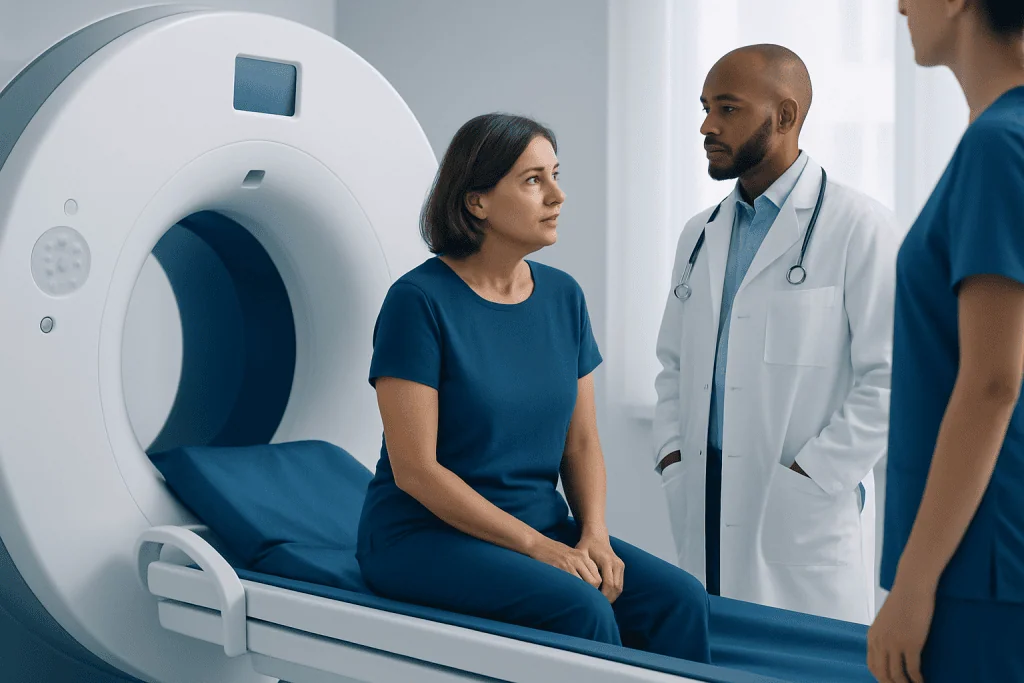
Occasional forgetfulness can happen with normal aging, stress, poor sleep, or busy routines. However, specialist evaluation becomes more important when memory problems begin to interfere with work, household tasks, medication management, finances, appointments, or social interactions. A person may repeat questions often, misplace items in unusual places, get lost in familiar areas, or struggle to follow conversations.
Family members are often the first to notice patterns. They may observe increasing confusion, reduced judgment, personality changes, apathy, irritability, or withdrawal from activities once enjoyed. Some people have difficulty finding words, using familiar devices, preparing meals, or completing multi-step tasks that were previously routine.
Expert care should also be considered when symptoms appear to worsen over months, when the diagnosis is uncertain, or when there are unusual features such as early age of onset, hallucinations, sudden changes, movement problems, or repeated falls. These situations may suggest a need to look beyond Alzheimer’s disease alone and consider related conditions such as Parkinson’s disease or vascular cognitive impairment.
A prompt specialist review can be especially helpful after a hospital stay, head injury, stroke, or major change in medications if cognition has declined. In these cases, identifying reversible or treatable contributors is an important part of care.
Who Should Be Evaluated by a Specialist

People with persistent memory loss, confusion, language difficulty, or a noticeable decline in daily function may benefit from seeing an Alzheimer’s specialist. This is true even if symptoms seem mild. Early-stage changes are sometimes subtle, and a detailed assessment may detect patterns that are not obvious in a brief routine visit.
A specialist is also appropriate for people with a strong family history of dementia, complex medical conditions, or symptoms that do not fit a typical pattern. For example, a person who has depression, sleep apnea, thyroid disease, or prior stroke may have more than one factor affecting cognition. Specialist input can help separate these causes and guide the best treatment plan.
Caregivers should seek expert advice if safety concerns are emerging. Missed medications, wandering, unsafe driving, kitchen accidents, or poor judgment with money and strangers may signal that more structured assessment and support are needed. In some cases, a specialist can recommend community services, rehabilitation, or supervised care arrangements to reduce risk.
How Specialists Diagnose Alzheimer’s Disease
Diagnosis usually begins with a careful medical history. The specialist asks about memory, attention, language, behavior, mood, sleep, and how symptoms affect daily activities. Input from a family member or close friend is often very helpful, because changes may be easier for others to recognize over time.
A physical and neurological examination is then performed. Cognitive screening or more detailed neuropsychological testing may be used to assess memory, problem-solving, orientation, language, and executive function. These tests do not stand alone, but they provide valuable clues about the pattern and degree of impairment.
Laboratory tests may be ordered to look for conditions that can mimic or worsen dementia, such as vitamin deficiencies, thyroid disease, infection, or metabolic problems. Brain imaging, including MRI or CT, may help rule out stroke, tumors, bleeding, or other structural causes. In selected cases, a specialist may recommend more advanced imaging or biomarker-based testing to clarify the diagnosis.
Because Alzheimer’s disease is only one cause of dementia, the specialist also considers alternatives such as vascular dementia, Lewy body dementia, frontotemporal dementia, medication effects, or severe depression. A thoughtful diagnosis can shape treatment decisions and help families prepare in a more informed way.
Treatment and Ongoing Care After Diagnosis
Although there is no single cure for Alzheimer’s disease, specialist care can still make a meaningful difference. Treatment often includes medicines aimed at symptom management, along with strategies to support memory, routine, sleep, communication, nutrition, and safety. Specialists also monitor for related problems such as anxiety, depression, agitation, poor balance, or caregiver strain.
Non-drug approaches are an important part of care. These may include establishing predictable daily routines, simplifying tasks, reducing noise and clutter, using calendars and reminders, and encouraging physical activity and social engagement when possible. Speech, occupational, or physical therapy may be suggested to maintain function and quality of life. In some situations, cognitive assessment may be combined with neurological rehabilitation to support daily abilities.
Specialists may also coordinate care with primary doctors and other professionals. For example, they may advise on sleep problems, hearing loss, fall prevention, swallowing concerns, or behavior changes. If symptoms overlap with other neurological disorders, a wider work-up may be needed, including tests such as EEG when seizures or unusual episodes are suspected.
As the condition progresses, expert follow-up helps adjust the care plan. This may include reviewing medications, discussing driving and home safety, addressing advance care planning, and supporting caregivers with practical guidance. Near the end of the care pathway, multidisciplinary teams such as those at Acibadem International can help international patients access diagnosis and treatment through JCI-accredited hospitals.
Preparing for a Specialist Appointment
A well-prepared appointment can make evaluation more efficient and informative. It helps to bring a list of symptoms, when they began, and how they have changed over time. Families should note examples of missed tasks, repeated questions, getting lost, behavior changes, sleep issues, falls, or safety concerns. A complete medication list, including over-the-counter products and supplements, is also important.
If possible, a relative or trusted friend should attend the visit. Their observations may help fill in details about daily functioning, finances, driving, cooking, personal care, and social changes. Doctors may also ask about alcohol use, mood symptoms, past medical history, hearing or vision problems, and family history of dementia.
Patients and caregivers may find it helpful to prepare questions in advance. Useful questions include what the likely diagnosis is, whether further testing is needed, what treatments may help, what warning signs to watch for, and what support services are available. Clear communication at the first visit can reduce uncertainty and help families feel more prepared.
Self-Care, Family Support, and Prevention Strategies
Even after specialist involvement, daily habits remain important. People with memory concerns may benefit from regular sleep, physical activity, balanced meals, social interaction, hearing and vision correction, and management of blood pressure, diabetes, and cholesterol. These steps do not guarantee prevention, but they support overall brain health and may reduce additional strain on cognitive function.
Caregivers also need support. Looking after a loved one with dementia can be physically and emotionally demanding, so respite care, support groups, counseling, and help from relatives or community services can be valuable. Burnout can affect the quality of care and the health of the caregiver, so asking for help is a practical step, not a failure.
Simple home adjustments may improve safety and independence. These can include better lighting, medication organizers, labels, calendars, automatic shut-off devices, and removing tripping hazards. A specialist may suggest further assessments if wandering, falls, or confusion at night become more common.
- Keep medical appointments and review medications regularly.
- Encourage routines and familiar surroundings.
- Monitor for changes in mood, behavior, and appetite.
- Address hearing, vision, sleep, and mobility issues promptly.
When to See a Doctor Urgently
Most memory problems develop gradually, but some symptoms need prompt medical attention. Sudden confusion, new weakness, facial drooping, trouble speaking, severe headache, collapse, or a rapid change in consciousness could point to a medical emergency rather than Alzheimer’s disease itself. These signs should be assessed immediately.
Urgent review is also important if a person with known dementia becomes suddenly much more confused, agitated, sleepy, or unsteady. Infections, dehydration, medication reactions, pain, constipation, or other acute illnesses can cause delirium, which needs medical care. A rapid change from the person’s usual baseline should never be ignored.
Families should also seek timely medical advice for repeated falls, wandering, unsafe driving, refusal to eat or drink, hallucinations, or severe behavior changes. These issues may not always require emergency care, but they do need professional assessment to protect the person’s health and safety.
Frequently asked questions
What kind of doctor specializes in Alzheimer’s disease?
Several specialists may diagnose and manage Alzheimer’s disease, including neurologists, geriatric neurologists, geriatricians, and psychiatrists. Many patients are also evaluated in memory clinics where doctors, neuropsychologists, and therapists work together.
When should someone with memory loss see a specialist?
A specialist visit is a good idea when memory problems start affecting daily life, safety, work, finances, or communication. It is also important if symptoms are getting worse, the cause is unclear, or there are unusual features such as hallucinations, falls, or early onset.
Can a specialist tell if memory loss is not Alzheimer’s disease?
Yes. One of the main roles of a specialist is to look for other causes of cognitive symptoms, including medication effects, depression, thyroid problems, sleep disorders, vitamin deficiencies, stroke, and other dementias. This is important because some causes may be treatable or require a different care plan.
What tests are usually done by Alzheimer’s disease specialists?
Assessment often includes a medical history, neurological exam, cognitive testing, blood tests, and sometimes brain imaging. In selected cases, more detailed neuropsychological testing or additional biomarker-based studies may be recommended.
Does early specialist care make a difference?
Early specialist care can help clarify the diagnosis, identify treatable contributors, and start symptom management sooner. It also gives patients and families more time to plan for safety, support, daily routines, and future care needs.
Should a family member attend the appointment?
Yes, this is often very helpful. A family member or trusted friend can describe changes over time, provide examples from daily life, and help remember the doctor’s advice and next steps.
References
- World Health Organization
- National Institute on Aging
- Alzheimer's Association
- Centers for Disease Control and Prevention
- National Institute of Neurological Disorders and Stroke
This article is for general information only and is not a substitute for professional medical advice. Please consult a qualified doctor about your individual situation.
Explore treatments in Turkey — costs, top hospitals & a free quote
JCI-accredited · board-certified surgeons · reply within 24h
Add us as a Preferred Source to see more of our trusted health content across Google Search, AI Overviews and Discover.