

Alzheimer’s — Explained by Medical Evidence, Not Myths

Alzheimer's is the most common cause of dementia, but not all memory loss is Alzheimer's. Early symptoms often include trouble learning new information, repeating questions, and difficulty with planning or familiar tasks.
Key Takeaways
- Alzheimer's is the most common cause of dementia, but not all memory loss is Alzheimer's.
- Early symptoms often include trouble learning new information, repeating questions, and difficulty with planning or familiar tasks.
- Diagnosis relies on medical history, cognitive testing, brain assessment, and ruling out other causes of memory problems.
- Treatment focuses on symptom management, safety, daily function, and support for both the person and caregivers.
- Healthy routines, social engagement, and management of vascular risk factors may support brain health.
- A doctor should assess new or worsening memory, behavior, or functional changes as early as possible.
Alzheimer's is a progressive brain disorder that gradually affects memory, language, judgment, and independence. Medical evaluation cannot cure it yet, but it can confirm the cause of symptoms, guide treatment, and help people and families plan supportive care early.
Understanding Alzheimer's
Alzheimer’s is a disease of the brain that slowly damages nerve cells and the connections between them. Over time, it can affect memory, thinking, communication, behavior, and the ability to manage everyday tasks. It is the most common cause of dementia, a general term for a decline in mental abilities severe enough to interfere with daily life.
One common myth is that Alzheimer’s is simply a normal part of aging. It is not. While age is the strongest risk factor, healthy aging alone does not normally cause persistent memory loss, confusion, or loss of independence. Another myth is that every person with forgetfulness has Alzheimer’s; in reality, memory problems can also be linked to stress, depression, sleep disorders, medication effects, thyroid disease, vitamin deficiencies, stroke, or other neurological conditions.
Alzheimer’s usually develops gradually. In the earliest phase, a person may notice subtle changes in memory or word-finding, while family members may see repeated questions, misplaced items, or increasing difficulty managing finances or appointments. As the condition progresses, these changes become more noticeable and begin to affect safety, relationships, and daily routine.
How Alzheimer's affects the brain and daily life
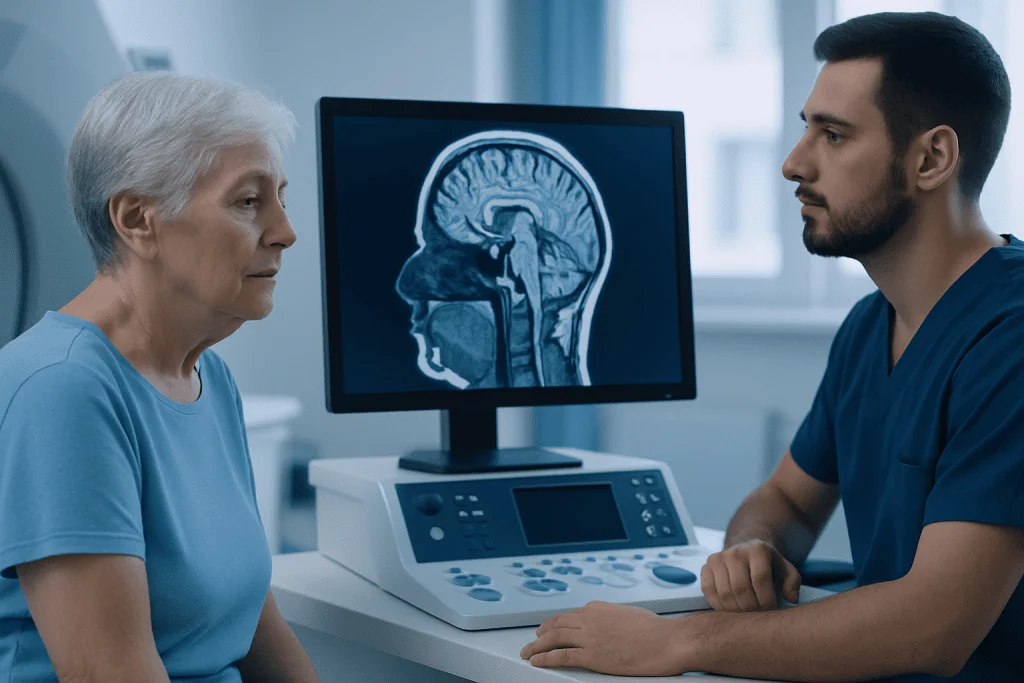
From a medical perspective, Alzheimer’s is associated with abnormal protein changes in the brain that lead to cell injury and cell loss. These changes tend to begin years before symptoms become obvious. As more brain areas are affected, difficulties can extend beyond memory to include language, orientation, judgment, mood, and behavior.
In everyday life, this may mean a person has trouble remembering recent conversations, following a recipe, handling money, taking medicines correctly, or finding the right route in familiar places. Later, they may need help with dressing, bathing, eating, or recognizing familiar people. The pattern and speed of change vary from one person to another.
Understanding that Alzheimer’s is a brain disease—not laziness, stubbornness, or a lack of effort—can help families respond with patience and practical support. Clear routines, calm communication, and a safe environment often become as important as medical treatment.
Symptoms and warning signs

The early signs of Alzheimer’s often center on short-term memory. A person may forget recently learned information, repeat the same story or question, rely more heavily on notes, or struggle to keep track of dates and appointments. These changes are usually persistent and gradually worsen, rather than happening only occasionally.
As the disease advances, symptoms may involve more than memory. Difficulties can appear in language, visual-spatial skills, planning, and judgment. Some people become withdrawn, anxious, or irritable; others show less initiative or changes in sleep. Behavioral symptoms do not mean the person is being difficult on purpose—they often reflect the brain’s reduced ability to process information and cope with stress.
- Frequent repetition of questions or statements
- Getting lost in familiar places
- Trouble handling bills, medications, or household tasks
- Difficulty finding words or following conversations
- Poor judgment or reduced awareness of risk
- Changes in mood, personality, or social behavior
- Needing increasing help with daily activities
These symptoms can overlap with other conditions, including dementia from non-Alzheimer causes. That is why a structured medical assessment is important instead of assuming a diagnosis based on memory loss alone.
Causes and risk factors
The exact cause of Alzheimer’s is complex and not fully explained by any single factor. Experts believe it develops through a combination of aging-related brain changes, genetics, vascular health, inflammation, and abnormal protein buildup. Most cases are not directly inherited in a simple way, although family history can increase risk.
Age remains the strongest known risk factor. However, risk is also influenced by cardiovascular and lifestyle factors that affect brain health over time. High blood pressure, diabetes, high cholesterol, obesity, smoking, physical inactivity, poor sleep, and social isolation may all contribute to a higher risk of cognitive decline. A history of head injury may also play a role in some people.
Genetics can matter more strongly in rare early-onset forms that begin before older age, but these are uncommon. Having a relative with Alzheimer’s does not mean a person will definitely develop it. It means their risk may be higher, and it becomes especially important to focus on modifiable factors such as heart health, exercise, sleep, hearing care, and mental and social activity.
How doctors diagnose Alzheimer's
There is no single office question that confirms Alzheimer’s. Diagnosis begins with a detailed medical history from both the patient and, when possible, a family member or close companion who has observed changes over time. Doctors ask about memory, language, daily function, medications, mood, sleep, and any sudden or stepwise changes that could suggest another problem.
A medical evaluation usually includes physical and neurological examination, cognitive testing, and blood tests to look for potentially reversible causes of symptoms such as thyroid disease, vitamin deficiency, infection, or metabolic problems. Brain imaging may also be recommended to look for strokes, tumors, fluid buildup, or patterns of brain shrinkage that support a diagnosis. In selected cases, more specialized tests may help clarify the type of dementia.
Because diagnosis can be nuanced, referral to specialists may be helpful, especially when symptoms begin at a younger age, progress quickly, or do not fit a typical pattern. Depending on the situation, assessment may involve neurology evaluation, neuropsychological assessment, and brain MRI. The goal is not only to name the condition, but also to identify treatable contributors and create a practical care plan.
Treatment options and supportive care
At present, Alzheimer’s cannot be fully cured, but treatment can still make a meaningful difference. Medical care aims to manage symptoms, preserve function for as long as possible, address behavioral changes, and support caregivers. Some medications may help with memory and thinking symptoms in certain stages, while others may be used carefully for sleep, mood, anxiety, or agitation when needed.
Non-drug strategies are equally important. A stable daily routine, regular physical activity, simple communication, good lighting, hearing and vision support, and a calm home environment can reduce confusion and distress. Occupational therapy, speech-language support, and structured cognitive or social activities may help maintain daily function and quality of life.
Safety planning is a central part of treatment. Families may need to review driving, medication supervision, fall prevention, wandering risk, nutrition, finances, and legal planning early rather than waiting for a crisis. For some people, assessment in a memory-focused setting or comprehensive check-up can help organize this process. Near the end of care planning, some international patients may choose centers such as Acibadem International, where multidisciplinary specialists in JCI-accredited hospitals diagnose and treat complex neurological conditions.
Prevention, brain health, and self-care
No strategy can guarantee prevention of Alzheimer’s, but many steps that support heart health also support brain health. Keeping blood pressure, blood sugar, and cholesterol under control may reduce the burden of vascular injury in the brain. Regular physical activity, a balanced diet rich in whole foods, consistent sleep, and not smoking are sensible measures for overall cognitive health.
Mental and social engagement also matter. Reading, learning, hobbies, conversation, volunteering, and staying connected with family or community can help keep the brain active. Treating hearing loss, depression, and sleep problems is also worthwhile, because these issues can worsen cognitive function or make symptoms more noticeable.
For people already living with Alzheimer’s, self-care often means adapting rather than trying to force old routines. Helpful approaches include keeping calendars and labels visible, simplifying tasks into small steps, maintaining hydration and regular meals, and scheduling demanding activities earlier in the day when energy is better. Caregivers also need support, rest, and guidance, because caregiver strain can become a major health issue of its own.
When to seek medical care
Medical advice should be sought when memory or thinking problems begin to affect work, home responsibilities, medication use, finances, driving, or personal safety. An assessment is also important if family members notice personality change, confusion, getting lost, or poor judgment, even when the person affected does not recognize a problem.
Urgent medical attention is needed if confusion develops suddenly, or if it is accompanied by fever, severe headache, weakness, trouble speaking, falls, dehydration, chest symptoms, or major behavior change. Sudden confusion may point to delirium, stroke, infection, medication effects, or another condition that needs prompt treatment.
Early evaluation gives the best chance to identify reversible causes, begin supportive treatment, and plan ahead. It can also help distinguish Alzheimer’s from other disorders, including Parkinson's disease-related cognitive changes or other neurological illnesses that may present differently.
Frequently asked questions
Is Alzheimer's the same as dementia?
No. Dementia is a broad term for a decline in memory and thinking that interferes with daily life, while Alzheimer's is the most common specific cause of dementia. Other causes include vascular dementia, Lewy body disease, frontotemporal disorders, and some reversible medical problems.
What is usually the first symptom of Alzheimer's?
The earliest noticeable symptom is often difficulty remembering recently learned information. A person may repeat questions, misplace items, or forget conversations and appointments more often than expected.
Can Alzheimer's be cured?
There is currently no complete cure for Alzheimer's. However, treatment may help manage symptoms, support daily function, and improve quality of life, especially when combined with practical home and caregiver support.
Does every older adult with memory loss have Alzheimer's?
No. Memory loss can also be caused by depression, sleep disorders, medication side effects, thyroid disease, vitamin deficiency, stroke, or other neurological conditions. A proper medical evaluation is needed to determine the reason.
Is Alzheimer's inherited?
Most cases are not inherited in a simple one-gene pattern. Family history can increase risk, but many people with a relative who had Alzheimer's never develop the disease, and many people diagnosed have no clear family history.
How is Alzheimer's diagnosed?
Doctors diagnose Alzheimer's by combining medical history, cognitive assessment, neurological examination, blood tests, and often brain imaging. The aim is to understand the symptom pattern and rule out other possible causes.
Can lifestyle changes help if someone already has Alzheimer's?
Yes, supportive lifestyle measures can still be valuable. Regular activity, a predictable routine, good sleep, balanced nutrition, social engagement, and home safety adjustments may help preserve function and reduce stress for both the person and caregivers.
References
- World Health Organization
- National Institute on Aging
- Alzheimer's Association
- Centers for Disease Control and Prevention
- National Institute of Neurological Disorders and Stroke
This article is for general information only and is not a substitute for professional medical advice. Please consult a qualified doctor about your individual situation.
Explore treatments in Turkey — costs, top hospitals & a free quote
JCI-accredited · board-certified surgeons · reply within 24h
Add us as a Preferred Source to see more of our trusted health content across Google Search, AI Overviews and Discover.
Check your numbers in seconds
BMI, calories, due date, blood pressure and 30+ more clinical calculators — free, instant, doctor-reviewed ranges.

More from the Health Library



Related Specialists

Dr. Süheyla Tak
Emergency Service
Prof. Dr. Seyit Ali Gümüştaş
Orthopedic Surgery & Traumatology
Assoc. Prof. Dr. Ahmet Yeşilyurt
Medical Genetics
Assoc. Prof. Dr. Bedriye Koyuncu Sökmen
Gastrointestinal Oncology Unit Clinical Service