Am I a Candidate for Breast lift? Eligibility Criteria

A breast lift, also called mastopexy, reshapes and raises the breasts but does not substantially increase breast volume. Candidates are usually healthy adults with stable weight, non-smoking status or willingness to stop smoking, and realistic goals.
Key Takeaways
- A breast lift, also called mastopexy, reshapes and raises the breasts but does not substantially increase breast volume.
- Candidates are usually healthy adults with stable weight, non-smoking status or willingness to stop smoking, and realistic goals.
- The best technique depends on the degree of breast sagging, skin quality, breast size and whether implants or reduction are also being considered.
- Recovery is gradual; swelling and temporary changes in sensation are common, while scars mature over many months.
- Pregnancy, breastfeeding plans, major weight changes and certain medical conditions should be discussed during the consultation.
A person may be a candidate for a breast lift if breast sagging, lowered nipples or stretched skin are causing concern and they are in generally good health with realistic expectations. A plastic surgeon confirms suitability through an individual assessment of breast shape, medical history, lifestyle and future plans such as pregnancy or weight loss.
Am I a Candidate for a Breast Lift?
People often ask, “am I a candidate for breast lift?” They may be eligible when their breasts have lost their previous position or shape because of aging, pregnancy, breastfeeding, weight changes or natural differences in skin elasticity. A breast lift can raise and reshape the breasts when the nipple sits lower on the breast or points downward, but suitability can only be confirmed after an in-person surgical assessment.
A breast lift is also called mastopexy. It removes excess skin, reshapes breast tissue and repositions the nipple-areola complex when needed. The goal is a more lifted breast contour, not a particular cup size. People who would also like more fullness may discuss a lift combined with augmentation, while those with heavy breasts may benefit from a lift combined with breast reduction.
The decision is personal and should be based on informed goals rather than pressure to meet an external standard. A consultation for breast lift surgery helps clarify whether mastopexy alone, another procedure, or no procedure is the most appropriate option.
What a Breast Lift Can and Cannot Do
Breasts can change over time as ligaments stretch and skin becomes less elastic. A breast lift addresses drooping, also known as ptosis, by removing excess skin and reshaping the remaining tissue. Depending on the technique, the surgeon may move the nipple and areola to a higher, more central position and reduce the size of stretched areolas if appropriate.
Although a lift can improve breast position and contour, it does not reliably create significant upper-breast fullness or a much larger breast size. Some people have enough breast tissue for a pleasing result with a lift alone. Others may choose to discuss implants, fat transfer or a different approach if increased volume is an important goal. The surgeon should explain the expected trade-offs, including scars and the effect of future body changes.
A breast lift also cannot stop normal aging, gravity, pregnancy or weight fluctuations from changing the breasts again. Maintaining a stable weight, wearing supportive bras for comfort during exercise and avoiding smoking can support general skin and surgical health, although they cannot guarantee a permanent result.
Breast Lift Eligibility Criteria

Good candidates are generally adults whose breast development is complete and who are physically well enough for elective surgery and anesthesia. They commonly have breast sagging, nipples positioned at or below the breast crease, nipples that point downward, stretched skin or breasts that appear flattened after pregnancy or weight loss. These signs are assessed in relation to the person’s own anatomy and goals.
Weight stability is an important consideration. Significant planned weight loss after surgery can reduce breast volume and stretch skin again, potentially changing the result. Similarly, people planning pregnancy may choose to postpone surgery, because pregnancy can alter breast shape and may affect the longevity of the outcome. Breastfeeding can sometimes still be possible after mastopexy, but it cannot be guaranteed because surgical changes may affect ducts, nerves or milk production.
Suitable candidates should understand that scars are part of breast lift surgery. Scar patterns may be around the areola, vertically down the lower breast, and sometimes along the breast crease. They usually fade over time but do not disappear completely. Realistic expectations include understanding the likely benefits, limits, recovery period and possibility of future revision surgery.
- General good health and medical conditions that are well controlled
- A stable body weight or a practical plan to reach one before surgery
- Non-smoking status, or readiness to stop nicotine products as directed by the surgical team
- Clear personal goals and an understanding of scars and recovery
- No untreated breast symptoms requiring diagnostic assessment first
Pre-Assessment: What the Surgeon Reviews
Breast lift candidacy is determined through a detailed consultation, not by photographs or breast size alone. The surgeon asks about current health, prior operations, medications, allergies, smoking or nicotine use, family history of breast cancer, pregnancies, breastfeeding history and plans for future pregnancy. Conditions such as poorly controlled diabetes, bleeding disorders, significant heart or lung disease, or active infections may require treatment, specialist input or postponement of elective surgery.
The physical examination considers breast size, symmetry, skin elasticity, the position of the nipple relative to the breast crease, chest-wall shape and the amount of breast tissue. It also identifies asymmetry, which is common naturally. A surgeon may explain that perfect symmetry cannot be promised, but careful planning aims for the best achievable balance.
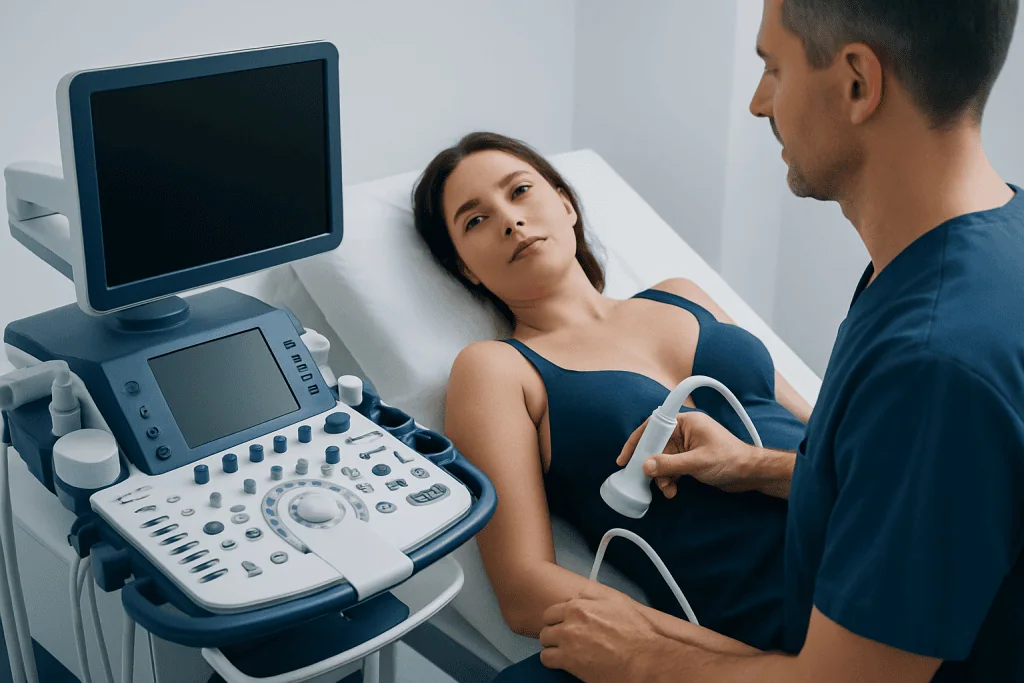
Age-appropriate breast screening should be up to date before surgery. Depending on age, symptoms, medical history and local guidance, this may include mammography or other breast imaging. Any new lump, nipple discharge, skin change or unexplained breast pain should be medically evaluated before considering cosmetic surgery. Completing a pre-assessment form can help the care team identify relevant health factors before a consultation.
How the Procedure Is Performed
Breast lift surgery is usually performed under general anesthesia. Before the operation, the surgeon marks the breasts while the patient is standing to plan the new nipple position and incision pattern. The technique is tailored to the amount of sagging, breast size, skin quality and whether another breast procedure is being performed at the same time.
During the operation, the surgeon makes planned incisions, removes excess skin and reshapes the breast tissue. The nipple and areola are repositioned while remaining connected to underlying tissue whenever possible. The skin is then redraped and closed with sutures. In more extensive lifts, the incision may extend around the areola, vertically down the breast and along the breast crease.
The procedure is often completed as day surgery, although individual arrangements vary. The surgical team provides personalized instructions about fasting, medications, transport home and early recovery. A safe plan includes having a responsible adult available after anesthesia and attending scheduled follow-up visits.
Benefits, Risks and Recovery Timeline
The main potential benefit of a breast lift is a higher, firmer-looking breast contour with nipples in a more forward-facing position. Clothing and bras may fit differently, and some people feel more comfortable with their body image. Outcomes vary because breast shape, skin quality, healing and later life changes differ from person to person.
All surgery has risks. With breast lift surgery, these can include bleeding, infection, delayed wound healing, fluid collection, noticeable scars, breast asymmetry, changes in nipple or breast sensation, pain, anesthetic complications and the need for revision surgery. Rarely, blood supply to the nipple or skin can be affected. Smoking and nicotine exposure increase wound-healing risks, so the surgeon may require nicotine cessation before and after surgery.
In the first days, swelling, bruising, tightness and discomfort are expected and are managed according to the care plan. Many people return to light daily activities within about one to two weeks, depending on the procedure and their work. Strenuous exercise, heavy lifting and upper-body training usually need to wait until the surgeon confirms that healing is progressing safely. Swelling settles gradually over several weeks, while scars and final breast shape continue to mature for months.
Preparing Well and Supporting Recovery
Preparation can improve safety and make recovery more manageable. Patients should give the surgical team a complete medication and supplement list, including herbal products, because some substances can affect bleeding or anesthesia. They should follow individualized instructions about which medicines to continue or pause, avoid nicotine as advised, arrange help at home and prepare loose, front-opening clothing for the early recovery period.
After surgery, following wound-care, showering, bra-wearing and activity instructions is important. A supportive postoperative bra may be recommended. It is also helpful to attend all follow-up appointments, eat a balanced diet, stay hydrated and avoid activities that strain the chest or raise the risk of falls until cleared by the surgeon.
Patients should contact their surgical team promptly if they develop worsening rather than improving pain, fever, spreading redness, unusual drainage, sudden swelling on one side, shortness of breath or chest pain. These symptoms do not always indicate a serious problem, but they need timely medical assessment.
When to Seek Medical Care
Anyone with a new breast lump, bloody or spontaneous nipple discharge, persistent skin dimpling, nipple inversion that is new, unexplained breast swelling or a change that does not settle should seek medical advice before pursuing a breast lift. These changes need clinical evaluation to rule out breast conditions that require different care.
People considering mastopexy should also speak with a qualified plastic surgeon if they have chronic health conditions, take anticoagulant medication, use nicotine products, have had breast surgery or radiation, or are unsure about future pregnancy and breastfeeding. A thoughtful consultation gives time to discuss alternatives and decide whether surgery fits their health needs and personal goals.
Acibadem International’s multidisciplinary specialists and JCI-accredited hospitals assess and treat international patients considering breast procedures. A consultation and pre-assessment process can help determine whether a breast lift is appropriate and support an individualized care plan.
Frequently asked questions
How do I know if I need a breast lift or breast implants?
A breast lift is mainly used to address sagging and reposition the breasts and nipples. Implants are primarily used to add volume. Some people benefit from one procedure, while others may consider a combined approach after discussing their anatomy, goals and acceptance of scars with a plastic surgeon.
Can I have a breast lift if I plan to become pregnant?
It is possible, but many people choose to wait until after pregnancy if timing allows. Pregnancy can enlarge and stretch the breasts, which may change the surgical result. Breastfeeding may still be possible after surgery, but no surgeon can guarantee milk production or breastfeeding ability.
Do I need to stop smoking before a breast lift?
Yes, surgeons commonly require patients to stop smoking and avoid all nicotine products before and after surgery. Nicotine can reduce blood flow and increase the risk of poor wound healing, infection and skin or nipple complications. The surgical team will provide an individualized cessation timeframe.
Will a breast lift leave scars?
Yes. Scars are expected because incisions are necessary to remove skin and reshape the breast. Their location and length depend on the lift technique, and they usually become less noticeable over time, although they do not disappear completely.
How long does recovery from a breast lift take?
Early recovery commonly takes one to two weeks for light activities, but healing continues for much longer. Exercise, lifting and other strenuous activities should only resume when approved by the surgeon. Swelling and scar maturation can continue for several months.
Can a breast lift correct uneven breasts?
A breast lift can improve differences in breast position, shape and nipple height. However, most breasts have some natural asymmetry, and complete symmetry is not realistic. The surgeon can explain what degree of improvement is likely in an individual case.
References
- American Society of Plastic Surgeons
- American College of Surgeons
- U.S. Food and Drug Administration
- National Health Service
- Mayo Clinic
This article is for general information only and is not a substitute for professional medical advice. Please consult a qualified doctor about your individual situation.
Medical weight-loss options in Turkey — costs & eligibility
JCI-accredited · board-certified surgeons · reply within 24h
Add us as a Preferred Source to see more of our trusted health content across Google Search, AI Overviews and Discover.

Plastic, Reconstructive & Aesthetic Surgery
Reconstructive and aesthetic procedures for the face and body, performed by experienced surgeons.
35 specialists in this unit