Amputation: What Patients Need to Know

Amputation may be planned or urgent, depending on the cause and the condition of the tissue. Common reasons include severe injury, poor circulation, infection, diabetes-related complications, or cancer affecting a limb.
Key Takeaways
- Amputation may be planned or urgent, depending on the cause and the condition of the tissue.
- Common reasons include severe injury, poor circulation, infection, diabetes-related complications, or cancer affecting a limb.
- Recovery involves wound healing, pain management, rehabilitation, and in some cases fitting for a prosthetic limb.
- Many people regain independence with a personalized care plan and support from a multidisciplinary team.
- Prompt medical attention is important for signs of infection, poor circulation, worsening wounds, or sudden limb injury.
Amputation is the surgical removal of all or part of a limb, finger, or toe when damaged or diseased tissue cannot be safely preserved. Patients often need clear information not only about the operation itself, but also about healing, rehabilitation, pain control, emotional adjustment, and long-term mobility.
Overview
Amputation is a surgical procedure that removes all or part of a limb or digit, such as a leg, arm, foot, hand, finger, or toe. It is usually considered when tissue has been so badly damaged by injury, poor blood flow, severe infection, or disease that keeping it would endanger health, delay healing, or leave the limb without useful function. In some cases, amputation is planned after careful evaluation; in others, it is performed urgently to protect the patient’s life or prevent the spread of infection.
Although the word can sound overwhelming, amputation is not only about removal of tissue. It is also about preserving as much healthy tissue and function as possible, controlling pain, preventing complications, and supporting the person through rehabilitation. Modern care focuses on the whole patient, including mobility, emotional well-being, skin care, and long-term independence.
Doctors aim to choose the safest level of amputation and the best timing for surgery. Whenever possible, the surgical team considers future rehabilitation needs, including whether a prosthetic device may be suitable. This planning can help improve balance, comfort, and everyday function after recovery.
Why an Amputation May Be Needed
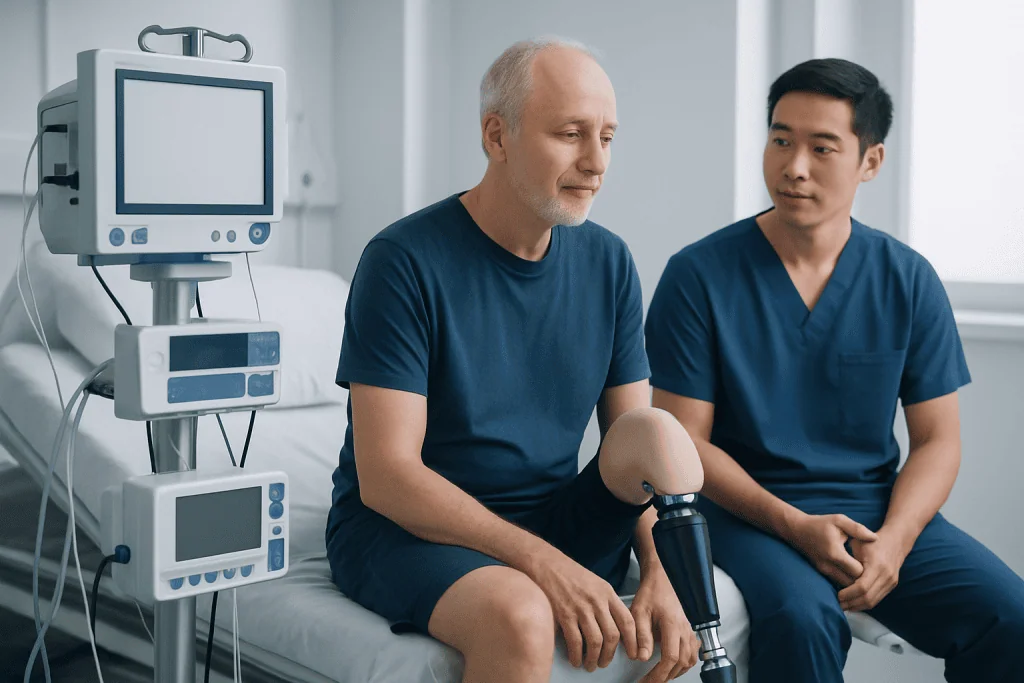
Amputation may be recommended when a limb or digit cannot heal properly or poses a serious risk to overall health. A common reason is severe trauma, such as crush injuries, major accidents, or burns that destroy bone, muscle, blood vessels, and nerves. When repair is not possible or the damage is too extensive, amputation may offer the best chance for recovery and infection control.
Another major cause is poor circulation, especially in people with peripheral artery disease or diabetes. Reduced blood flow can prevent wounds from healing and may lead to gangrene, severe pain, or tissue death. In these situations, doctors often try to improve circulation and save the limb first, but amputation may still become necessary if the tissue cannot recover. Related vascular problems may overlap with conditions such as peripheral artery disease.
Other causes include serious infections that do not respond to antibiotics or surgery, bone or soft tissue cancers affecting a limb, congenital differences, and complications after repeated surgeries. For some patients, amputation is part of a larger treatment plan designed to remove disease, relieve pain, and help restore quality of life.
Symptoms and Warning Signs Before Amputation

Amputation itself is a procedure rather than a disease, but the conditions leading to it often cause warning signs. These may include a wound that does not heal, blackened or dead-looking tissue, spreading redness, drainage with a bad odor, severe swelling, persistent fever, worsening pain, numbness, or a cold pale limb. These symptoms can suggest infection, tissue death, or severely reduced blood flow and should be assessed by a doctor without delay.
In people with diabetes, even a small blister, ulcer, or pressure sore on the foot can become serious if sensation is reduced and circulation is poor. Because nerve damage may make injuries hard to feel, routine foot checks are especially important. Conditions such as diabetic foot problems may progress gradually, sometimes without dramatic early symptoms.
Following a major injury, signs that a limb may be at high risk include uncontrollable bleeding, loss of pulse below the injury, crushed or detached tissue, inability to move the limb, and severe contamination of the wound. In these emergency situations, the priority is to stabilize the patient and assess whether the limb can be safely saved.
How Doctors Evaluate the Need for Amputation
Before recommending amputation, doctors assess the patient’s overall health, the condition of the affected limb, and whether the tissue has a realistic chance of recovery. This evaluation may include a physical examination, blood tests, wound assessment, and imaging to look at bones, soft tissues, and blood flow. The goal is to understand how much tissue is damaged, whether infection is present, and what treatment options remain.
If poor circulation is suspected, vascular testing may be needed. These tests help show whether enough blood reaches the limb to support healing. In some cases, restoring blood flow first may reduce the need for amputation or allow a more limited operation. Patients may undergo procedures related to angiography or other vascular assessments as part of this workup.
Doctors also consider functional outcomes, meaning how the patient is likely to move and manage daily life after surgery. Preserving a joint such as the knee or elbow, when medically possible, can improve mobility and energy use during walking or arm function. The final decision is usually made after balancing safety, healing potential, pain, infection risk, and the likelihood of meaningful use of the limb.
Treatment Options Before and During Surgery
Not every severe limb problem leads directly to amputation. When it is safe and appropriate, doctors first try to treat the underlying cause. This may include antibiotics for infection, wound cleaning and removal of dead tissue, blood sugar control, pressure relief for ulcers, procedures to improve circulation, fracture repair, and reconstructive surgery. In selected patients with blocked arteries, options such as peripheral bypass surgery may help improve blood flow to support healing.
When amputation is the safest choice, the operation is planned to remove diseased tissue while preserving as much healthy tissue as possible. The surgeon shapes the remaining bone and soft tissue to create a limb end that can heal well and tolerate pressure, movement, and possibly a prosthetic device. Depending on the cause and urgency, the procedure may be done in one stage or in more than one operation.
During surgery, the team also focuses on pain control, infection prevention, and protecting nearby nerves and muscles. If cancer is the cause, treatment planning may involve oncologists, orthopedic surgeons, and rehabilitation specialists. For patients with circulation problems, vascular specialists may be involved before or after surgery, and some may need procedures such as endovascular treatment to address blood vessel disease in other areas.
Recovery, Rehabilitation, and Living After Amputation
Recovery begins immediately after surgery and continues well beyond hospital discharge. Early priorities include protecting the wound, managing pain, reducing swelling, and preventing complications such as infection or blood clots. Patients are often encouraged to begin gentle movement and positioning exercises soon after surgery to maintain strength and joint flexibility.
Rehabilitation is a central part of care. Physical and occupational therapists help patients learn safe movement, transfers, balance, and daily self-care. If a prosthetic limb is appropriate, the timing of fitting depends on wound healing, swelling, strength, and overall health. Prosthetic training takes time, and progress varies from person to person, but structured rehabilitation can improve comfort, mobility, and confidence.
Some people experience phantom limb sensations, which are feelings that the removed limb is still present. These sensations are common and may or may not be painful. Phantom limb pain can often be managed with a combination of medications, physical therapy approaches, desensitization techniques, mirror therapy, and specialist pain care. Emotional support also matters, because adapting to body changes and altered mobility can affect mood, sleep, and self-image.
Near the end of the treatment journey, some patients seek coordinated international care for surgery, rehabilitation, and follow-up. Acibadem International’s multidisciplinary specialists and JCI-accredited hospitals diagnose and treat conditions that may lead to amputation and support recovery planning for international patients.
Prevention and Self-care
Not all amputations can be prevented, especially after major trauma, but many risk factors can be reduced. For people with diabetes, careful blood sugar management, daily foot inspection, well-fitting footwear, and early treatment of blisters or ulcers are especially important. Stopping smoking, controlling blood pressure and cholesterol, and staying physically active can also support blood vessel health and lower the risk of circulation-related limb problems.
People with known vascular disease should keep regular medical appointments and report new leg pain, skin color changes, numbness, or non-healing wounds early. Prompt treatment of infections, especially in the feet, can help prevent deeper tissue damage. Protective footwear, good hygiene, and proper nail and skin care may reduce avoidable injuries.
After amputation, self-care remains essential. Patients should follow wound-care instructions closely, inspect the remaining limb and skin every day, and attend rehabilitation appointments. If using a prosthetic device, proper fit and skin monitoring are important because pressure points and friction can lead to sores if not addressed quickly.
When to Seek Medical Care
Medical care is needed promptly for any serious limb injury, uncontrolled bleeding, sudden loss of movement or sensation, or a limb that becomes cold, pale, blue, or pulseless. Emergency assessment is also important for crush injuries, severe burns, or wounds with exposed bone or heavy contamination. Early treatment may improve the chances of saving tissue and reducing complications.
Patients should contact a doctor as soon as possible for a wound that is not healing, increasing redness, swelling, pus, bad odor, fever, severe pain, or blackened skin. People with diabetes or poor circulation should be especially cautious, because small foot wounds can worsen quickly. After an amputation, urgent review is needed for worsening stump pain, drainage, opening of the wound, signs of infection, or problems with a prosthetic fit that cause skin breakdown.
Ongoing follow-up is an important part of safe care. Even after healing, patients may need reassessment for pain, mobility changes, new vascular symptoms, or emotional distress. A qualified healthcare professional can guide the next steps and tailor treatment to the individual’s needs.
Frequently asked questions
What is an amputation?
Amputation is the surgical removal of part or all of a limb or digit, such as a leg, arm, foot, hand, finger, or toe. It is usually done when tissue is too damaged or diseased to heal safely or function well.
Why would a doctor recommend amputation?
A doctor may recommend amputation for severe injury, poor circulation, serious infection, diabetes-related tissue damage, or cancer affecting a limb. The aim is to protect health, remove nonviable tissue, and improve the chance of recovery and function.
Can amputation sometimes be avoided?
In some cases, yes. Doctors may first try antibiotics, wound care, blood flow restoration, reconstructive surgery, or other treatments to save the limb, depending on the cause and the amount of healthy tissue remaining.
How long does recovery after amputation take?
Recovery varies based on the level of amputation, the reason for surgery, overall health, and whether complications occur. Initial wound healing may take weeks, while rehabilitation and prosthetic training can continue for months.
Is phantom limb pain common?
Yes, phantom limb sensations are common after amputation, and some people also feel pain that seems to come from the removed limb. Treatment may include medicines, rehabilitation techniques, and specialist pain support.
Will every patient need a prosthetic limb?
No. A prosthetic limb can be helpful for many patients, but not everyone is a suitable candidate, and some amputations do not require one. The decision depends on healing, strength, balance, daily goals, and overall health.
What should patients watch for after amputation surgery?
Patients should monitor for fever, increasing redness, drainage, worsening pain, swelling, opening of the wound, or skin breakdown. Any of these changes should be discussed with a healthcare professional promptly.
References
- World Health Organization
- Centers for Disease Control and Prevention
- American Academy of Orthopaedic Surgeons
- National Institute of Diabetes and Digestive and Kidney Diseases
- Society for Vascular Surgery
This article is for general information only and is not a substitute for professional medical advice. Please consult a qualified doctor about your individual situation.
Explore treatments in Turkey — costs, top hospitals & a free quote
JCI-accredited · board-certified surgeons · reply within 24h
Add us as a Preferred Source to see more of our trusted health content across Google Search, AI Overviews and Discover.

More from the Health Library



Related Specialists

Prof. Dr. Emre Özker
Varicose Vein Treatment
Assoc. Prof. Dr. Lütfiye Uygur
Gynecology & Obstetrics
Prof. Dr. Ayça Özbal Koç
Otorhinolaryngology
Dr. Nur Arslan
Emergency Service