Anastomosis: Symptoms, Causes, and Treatment Options

Anastomosis most commonly refers to a surgeon joining two sections of bowel or two blood vessels. Many people recover well, but warning signs after surgery can include fever, worsening abdominal pain, vomiting, swelling, or changes in bowel movements.
Key Takeaways
- Anastomosis most commonly refers to a surgeon joining two sections of bowel or two blood vessels.
- Many people recover well, but warning signs after surgery can include fever, worsening abdominal pain, vomiting, swelling, or changes in bowel movements.
- Complications may include anastomotic leak, stricture, bleeding, infection, or blockage.
- Diagnosis often involves physical examination, blood tests, and imaging such as CT scans or contrast studies.
- Treatment depends on the problem and may range from monitoring and antibiotics to drainage, endoscopy, or repeat surgery.
Anastomosis is a surgical connection created between two body structures, most often sections of intestine or blood vessels. It is usually done to restore normal flow after part of an organ is removed or bypassed, but complications such as leakage, narrowing, or bleeding can sometimes occur and need prompt medical attention.
What anastomosis means
Anastomosis is a medical term for a connection between two hollow or tube-like structures in the body. In everyday clinical use, it often describes a connection a surgeon creates between two sections of intestine after a diseased part is removed. It can also refer to joining blood vessels, urinary structures, or other passages so that normal flow can continue.
This is not a disease by itself. Rather, an anastomosis is part of a treatment plan used in many operations. For example, after bowel surgery, the surgeon may reconnect the remaining ends of the intestine so that food and waste can pass through the digestive tract again. In vascular surgery, joining two blood vessels can help restore blood flow.
Most anastomoses heal without major problems. Still, because they depend on good blood supply, healthy tissue, and careful healing, they can sometimes develop complications. When people search for “anastomosis,” they are often asking not only what it is, but also what symptoms might suggest that the surgical connection is not healing as expected.
Why an anastomosis is performed
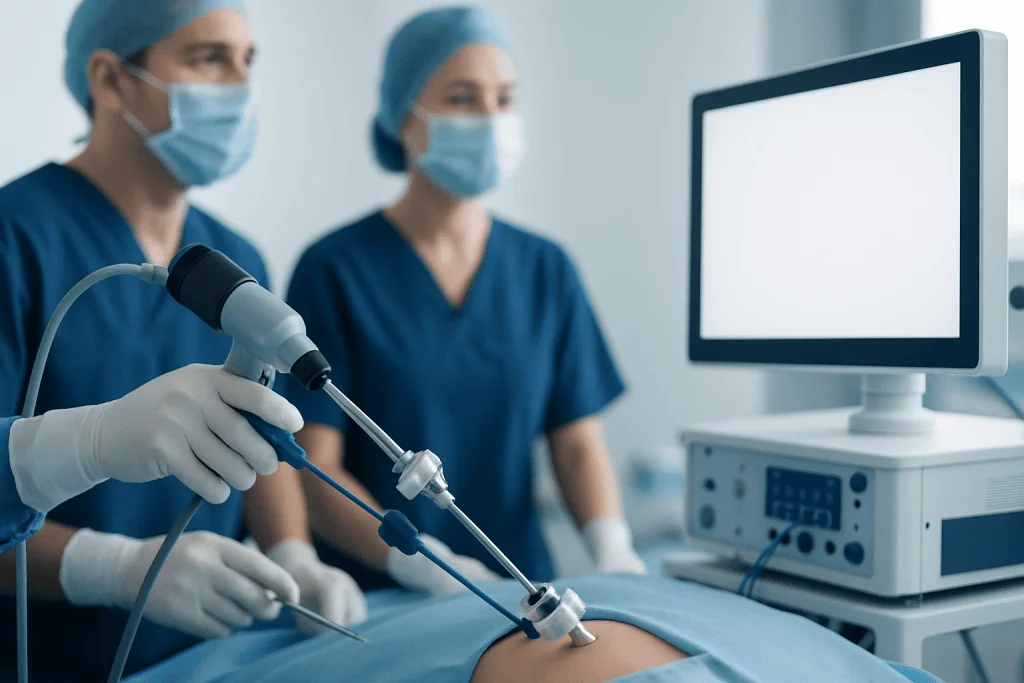
Surgeons perform an anastomosis when they need to remove, bypass, or repair part of the body while preserving function. In digestive surgery, this may happen after treatment for cancer, inflammatory bowel disease, bowel injury, diverticular disease, or blocked intestine. After the unhealthy section is removed, the two healthy ends may be sewn or stapled together.
Anastomosis is also used outside the bowel. In blood vessel surgery, it can help improve circulation. In urinary tract surgery, it may reconnect parts of the system after repair. The exact technique depends on the organ involved, the patient’s overall health, and whether the procedure is planned or urgent.
In some cases, surgeons may decide that a temporary or permanent stoma is safer than creating an immediate bowel connection. This decision may be influenced by severe inflammation, infection, poor tissue quality, or concern about healing. Procedures involving the digestive tract are often part of broader gastroenterology care and, when needed, colorectal surgery.
Symptoms and signs of anastomosis problems

Symptoms depend on where the anastomosis is located and what type of problem has developed. After bowel surgery, some discomfort, tiredness, and temporary changes in bowel habits are common during recovery. However, certain symptoms can suggest a complication that should be assessed by a doctor.
Possible warning signs include:
- Worsening abdominal pain rather than gradual improvement
- Fever or chills
- Nausea or repeated vomiting
- Abdominal swelling or bloating
- Redness, drainage, or infection around the surgical wound
- Inability to pass gas or stool
- Diarrhea that is severe or persistent
- Rectal bleeding or blood in stool
- Fast heartbeat, weakness, or faintness
One of the most important complications is anastomotic leak, in which the connection does not seal fully and intestinal contents or other body fluids escape into surrounding tissues. This can lead to serious infection or inflammation and often causes fever, increasing pain, and a general feeling of being very unwell. Another possible issue is a stricture, or narrowing, which may develop later and cause cramping, bloating, constipation, or trouble eating.
People who have surgery related to conditions such as colon cancer or Crohn’s disease may already have symptoms from their underlying illness, which can make recovery harder to interpret. A clear follow-up plan with the surgical team helps distinguish expected healing from signs that need urgent review.
Causes and risk factors for complications
An anastomosis needs adequate blood flow, gentle handling of tissue, and enough time to heal. Complications may happen when any of these conditions are affected. A leak can occur if the tissue does not join securely, if blood supply is reduced, or if infection interferes with healing. Narrowing can result from scar formation during the healing process.
Several factors can raise risk. These include emergency surgery, poor nutritional status, smoking, diabetes, obesity, steroid use, severe infection, prior radiation therapy, and advanced illness. Low blood flow to the area, tension at the connection site, or widespread inflammation in the abdomen can also make healing less reliable.
The location matters too. Some bowel connections, especially lower in the rectum, may carry a higher risk of leak than others because of technical difficulty and local blood supply. Surgeons assess these details carefully before and during the operation and may choose protective measures when appropriate, including temporary diversion of stool in selected cases.
It is also important to remember that a complication is not always caused by something the patient did or did not do. Even with careful surgery and good post-operative care, some risks cannot be eliminated entirely. Early recognition is the key to safer treatment if a problem develops.
How doctors diagnose anastomosis complications
Diagnosis begins with symptoms, timing, and physical examination. The medical team will ask when symptoms started, how recovery has been progressing, whether there is fever or vomiting, and whether bowel movements or wound drainage have changed. They will also look for tenderness, swelling, dehydration, or signs of infection.
Blood tests may show inflammation, infection, anemia, or changes in kidney function and electrolytes. Imaging is often important, especially if a leak or blockage is suspected. A CT scan of the abdomen and pelvis is commonly used after bowel surgery because it can help show fluid collections, free air, abscesses, or bowel obstruction.
In some cases, doctors use contrast studies, ultrasound, or endoscopy to evaluate the area more closely. If narrowing is suspected, endoscopic assessment may help confirm the diagnosis and sometimes guide treatment at the same time. The choice of test depends on the type of surgery, the body system involved, and how unwell the person appears.
Because an anastomotic leak can become serious quickly, doctors generally investigate new or worsening symptoms sooner rather than later. Prompt assessment helps determine whether the issue can be managed conservatively or needs urgent intervention.
Treatment options for anastomosis-related problems
Treatment depends on the type of complication, its severity, and the patient’s overall condition. Mild problems may only require close monitoring, bowel rest, fluids, pain control, and antibiotics. If there is a small contained leak or a limited fluid collection, image-guided drainage may be possible without open surgery in selected patients.
When a leak is larger, the patient is unstable, or there is widespread infection in the abdomen, repeat surgery may be necessary. The surgeon may wash out the area, repair or remake the anastomosis, or create a temporary stoma to allow healing. If the issue is a stricture, treatment may involve endoscopic dilation to widen the narrowed section. Some patients need more than one procedure over time.
Bleeding, infection, or blockage are managed according to the cause. An obstruction may improve with bowel rest and supportive care, but persistent or complete blockage can require further intervention. For some people, recovery includes nutritional support and carefully planned follow-up to make sure healing is progressing.
Care is often multidisciplinary, involving surgeons, gastroenterologists, radiologists, anesthesiologists, and specialized nursing teams. In complex digestive cases, evaluation may also overlap with general surgery and advanced imaging or endoscopic care. Near the end of the treatment journey, some international patients choose centers such as Acibadem International, where multidisciplinary specialists in JCI-accredited hospitals diagnose and treat anastomosis-related complications.
Recovery, self-care, and lowering risk
Recovery after surgery involving an anastomosis varies from person to person. The main goals are to support healing, reduce strain on the surgical site, and identify any early warning signs. Patients are usually advised to follow the surgeon’s instructions closely regarding diet, wound care, activity level, bowel medications, and follow-up appointments.
General steps that may support recovery include:
- Stopping smoking, if possible
- Maintaining good nutrition and hydration
- Walking regularly as advised to support circulation and bowel function
- Avoiding heavy lifting until cleared by the doctor
- Taking medicines exactly as prescribed
- Monitoring for fever, increasing pain, vomiting, or changes in the wound
Dietary advice depends on the surgery and the stage of healing. Some people are asked to begin with liquids or soft foods and increase gradually. Others may need temporary adjustments to fiber intake. It is best not to make major changes without guidance, especially after bowel surgery, because needs can differ considerably.
Long-term prevention of problems also includes managing chronic conditions such as diabetes, attending regular reviews, and discussing any persistent digestive symptoms. People with underlying inflammatory or cancer-related conditions may need ongoing specialist care after the operation.
When to seek medical care
Medical care should be sought promptly if symptoms after surgery are getting worse instead of better. This includes fever, increasing abdominal pain, persistent vomiting, a swollen abdomen, inability to pass stool or gas, significant rectal bleeding, shortness of breath, or feeling faint. These symptoms do not always mean a serious complication, but they do need timely assessment.
Urgent evaluation is especially important in the first days to weeks after an operation, when an anastomotic leak or early blockage is more likely to appear. People should also contact their doctor if the wound becomes very red, painful, or starts draining pus, or if bowel habits change suddenly in a concerning way.
For later symptoms such as repeated bloating, cramping after meals, constipation, or trouble tolerating food, a scheduled medical review is still important because these may point to a developing stricture or another treatable issue. When in doubt, it is safer to call the surgical team or a qualified doctor rather than waiting at home.
Frequently asked questions
Is anastomosis a surgery or a complication?
Anastomosis itself is usually a surgical connection created between two body structures, such as sections of bowel or blood vessels. It is not automatically a complication. However, complications can happen at the anastomosis site, including leakage, narrowing, bleeding, or infection.
How long does an anastomosis take to heal?
Initial healing begins soon after surgery, but full recovery can take weeks and sometimes longer depending on the operation and the person’s overall health. Healing may be slower in people with infection, poor nutrition, smoking history, or chronic illnesses. The surgical team usually gives the most accurate timeline for each case.
What is an anastomotic leak?
An anastomotic leak happens when the surgical join does not seal completely and fluid escapes from the connection. In bowel surgery, this can allow intestinal contents to enter surrounding tissues and cause infection or inflammation. It needs prompt medical evaluation because treatment may be urgent.
Can an anastomosis narrow over time?
Yes. Scar tissue can sometimes cause a stricture, which means the joined area becomes narrower. This may lead to bloating, cramping, constipation, trouble swallowing in some surgical sites, or other symptoms depending on where the anastomosis is located.
Are bowel changes normal after bowel anastomosis?
Some bowel changes are common during recovery, including temporary constipation, looser stools, or more frequent bowel movements. These often improve gradually as the bowel adapts. Persistent, severe, or worsening symptoms should be discussed with a doctor.
Does everyone with an anastomosis need another surgery?
No. Many people heal well and never need further procedures. Even when a problem occurs, treatment may sometimes involve antibiotics, drainage, nutritional support, or endoscopic therapy rather than another operation.
References
- National Institute of Diabetes and Digestive and Kidney Diseases
- American College of Surgeons
- National Cancer Institute
- MedlinePlus
- National Health Service
This article is for general information only and is not a substitute for professional medical advice. Please consult a qualified doctor about your individual situation.
Persistent digestive symptoms? Get evaluated in Turkey
JCI-accredited · board-certified surgeons · reply within 24h
Add us as a Preferred Source to see more of our trusted health content across Google Search, AI Overviews and Discover.