Anemia in Pregnancy Explained: Causes, Management, and When to See a Doctor

Anemia in pregnancy is common and often develops because the body needs more iron, folate, and other nutrients to support the baby and placenta. Symptoms can include tiredness, weakness, shortness of breath, dizziness, headaches, and pale skin, but mild anemia may cause no clear symptoms.
Key Takeaways
- Anemia in pregnancy is common and often develops because the body needs more iron, folate, and other nutrients to support the baby and placenta.
- Symptoms can include tiredness, weakness, shortness of breath, dizziness, headaches, and pale skin, but mild anemia may cause no clear symptoms.
- A blood test can confirm the diagnosis and help identify the cause, such as iron deficiency, folate deficiency, vitamin B12 deficiency, or an underlying blood disorder.
- Treatment depends on the cause and may include diet changes, oral supplements, intravenous iron, and treatment of any contributing condition.
- Regular prenatal care is the best way to detect anemia early and protect both maternal health and fetal growth.
Anemia in pregnancy means there are not enough healthy red blood cells or enough hemoglobin to carry oxygen effectively during pregnancy. It is common, often linked to iron deficiency, and usually improves with careful evaluation, nutrition, supplements, and follow-up care.
Overview
Anemia in pregnancy is a condition in which a pregnant woman has lower than normal hemoglobin or too few healthy red blood cells to carry oxygen efficiently through the body. In many cases, it happens because pregnancy increases the need for iron and other nutrients used to make blood. When identified early, it is usually manageable and often improves with appropriate treatment and follow-up.
During pregnancy, blood volume expands to support the developing baby, placenta, and maternal tissues. This normal increase in plasma can make hemoglobin levels appear lower, sometimes called dilutional or physiologic anemia of pregnancy. Even so, healthcare professionals still monitor blood counts carefully, because true anemia can affect energy levels and, if significant, may raise the risk of complications for both mother and baby.
The most common type is iron deficiency anemia, but low folate, low vitamin B12, inherited blood conditions, bleeding, infection, or chronic disease can also contribute. A proper evaluation matters because treatment should match the cause rather than rely on supplements alone.
Symptoms and possible effects
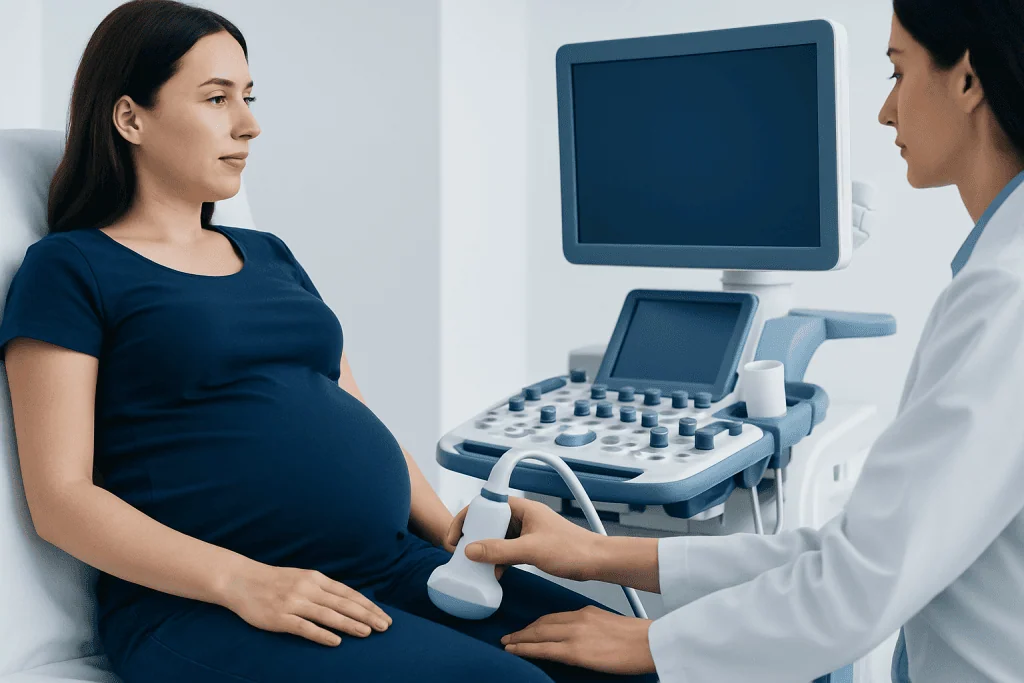
Symptoms of anemia in pregnancy can be subtle, especially when anemia is mild or develops gradually. Many women notice tiredness that feels more intense than expected, weakness, reduced exercise tolerance, lightheadedness, headaches, or difficulty concentrating. Some may also develop shortness of breath with exertion, palpitations, or pale skin.
These symptoms can overlap with normal pregnancy changes, which is why blood testing is important. A person should not assume fatigue is always just part of pregnancy. If symptoms are persistent or worsening, a clinician can decide whether anemia or another condition needs attention.
If anemia becomes more severe, it may place extra strain on the heart and reduce oxygen delivery to tissues. In pregnancy, untreated significant anemia has been associated with increased maternal fatigue, reduced reserves around the time of delivery, and concerns such as poor fetal growth or preterm birth in some cases. This does not mean complications will occur, but it highlights why regular prenatal monitoring is important.
- Common symptoms: fatigue, weakness, dizziness, headaches
- Possible signs: pale skin, fast heartbeat, breathlessness, cold hands and feet
- Sometimes no symptoms are present, especially early on
Why anemia happens during pregnancy

Iron deficiency is the leading cause of anemia in pregnancy. The body needs extra iron to make more hemoglobin and support the growing baby and placenta. If iron stores were already low before conception, or if dietary intake is limited, pregnancy can make the deficiency more noticeable.
Other nutritional causes include folate deficiency and, less commonly, vitamin B12 deficiency. Folate is especially important in pregnancy because it supports both blood production and fetal development. B12 deficiency may be more likely in people with certain digestive conditions, strict vegan diets without supplementation, or problems absorbing nutrients.
Not all anemia in pregnancy is caused by diet. Blood loss, chronic kidney disease, inflammatory conditions, infections, and inherited blood disorders can also lead to low hemoglobin. Examples include thalassemia and sickle cell disease. If blood tests suggest one of these conditions, a doctor may recommend further assessment for thalassemia or sickle cell anemia rather than assuming simple iron deficiency.
Risk factors include carrying twins or multiples, closely spaced pregnancies, heavy menstrual bleeding before pregnancy, limited access to iron-rich foods, a history of anemia, teenage pregnancy, and certain gastrointestinal or blood conditions. Understanding these factors helps guide prevention and early screening.
How doctors diagnose anemia in pregnancy
Diagnosis starts with prenatal blood tests, usually including a complete blood count. This test measures hemoglobin, hematocrit, and the size and number of red blood cells. If anemia is present, these details help show whether iron deficiency is likely or whether another cause should be considered.
Further tests may include ferritin to check iron stores, iron studies, folate and vitamin B12 levels, and sometimes a blood smear. In selected cases, doctors may check kidney function, look for signs of inflammation or bleeding, or request testing for inherited blood disorders. The goal is not only to confirm anemia but also to identify why it has developed.
Because normal blood volume changes affect lab values in pregnancy, clinicians interpret results in the context of gestational age, symptoms, diet, and medical history. Follow-up testing is often used to make sure treatment is working. If anemia does not improve as expected, the care team may broaden the evaluation or refer the patient to a specialist in hematology.
Treatment and management options
Treatment for anemia in pregnancy depends on the cause, severity, and stage of pregnancy. For iron deficiency anemia, the first step is often oral iron supplementation along with advice on improving iron intake from food. Iron is usually absorbed better when taken as directed by a doctor, sometimes with vitamin C-rich foods, and less well when taken close to calcium supplements, tea, or coffee.
Dietary support can help, although food alone may not correct moderate anemia once it is established. Useful sources of iron include lean red meat, poultry, fish, beans, lentils, tofu, eggs, spinach, and iron-fortified cereals. Folate-rich foods such as leafy greens, legumes, and citrus fruits are also important, and vitamin B12 may need attention in people with low intake or poor absorption.
If oral iron causes significant nausea, constipation, or stomach upset, the clinician may suggest a different preparation, a change in timing, or another route of treatment. In some situations, especially when anemia is more pronounced, when oral iron is not tolerated, or when a quick response is needed, doctors may recommend iron infusion therapy. Severe cases or complex blood conditions may need specialist input and, rarely, other interventions based on the underlying cause.
Management also includes repeat blood tests to confirm recovery. Taking supplements inconsistently or stopping them as soon as symptoms improve can delay correction of low iron stores. Ongoing prenatal care helps ensure hemoglobin rises appropriately and that the baby’s growth and maternal wellbeing remain on track.
Self-care, nutrition, and prevention
Prevention begins before or early in pregnancy. Attending prenatal visits, taking prescribed prenatal vitamins, and discussing any past history of anemia can help catch problems early. People planning pregnancy may benefit from reviewing their iron status if they have heavy periods, restrictive diets, prior anemia, or short intervals between pregnancies.
Healthy eating supports treatment and prevention, even though diet may not be enough on its own once anemia has developed. Combining plant-based iron foods with vitamin C sources, such as citrus fruits, tomatoes, strawberries, or peppers, can improve absorption. Cooking methods and food choices can also matter; for example, regular inclusion of legumes, fortified grains, and animal-based iron sources may help maintain iron stores.
It is important not to self-prescribe high-dose iron without medical advice. Too much iron can cause side effects and may not address the true reason for anemia. The right approach is guided by blood tests and a clinician’s advice, particularly in pregnancy, when symptoms may have several possible causes.
For women with recurrent anemia, inherited blood disorders, or complex pregnancies, coordinated care can be helpful. Near the end of care planning, some families may choose centers with multidisciplinary maternity and blood specialists. Acibadem International’s JCI-accredited hospitals care for international patients with pregnancy-related blood concerns, including access to obstetrics and gynecology and specialist blood evaluation when needed.
When to seek medical care
Any pregnant woman who feels unusually tired, dizzy, short of breath, or weak should mention it during prenatal care, especially if symptoms are new or getting worse. Medical review is also important for palpitations, chest discomfort, fainting, persistent headaches, or if there is known anemia before pregnancy.
Urgent medical attention is needed for severe breathlessness, chest pain, fainting, signs of heavy bleeding, or symptoms that rapidly worsen. These symptoms do not always mean anemia is the cause, but they should not be ignored during pregnancy.
It is also reasonable to seek review if iron tablets are causing side effects that make them hard to take, or if follow-up blood tests are not improving. A doctor can adjust treatment, look for another cause, or involve additional specialists if needed. Timely care supports the health of both mother and baby.
Frequently asked questions
Is anemia in pregnancy common?
Yes. Anemia in pregnancy is common because the body needs more blood and more nutrients, especially iron, to support the baby and placenta. Many cases are mild and improve with routine prenatal care and treatment.
What is the most common cause of anemia in pregnancy?
The most common cause is iron deficiency. During pregnancy, iron needs increase significantly, and if iron stores are low to begin with or intake is inadequate, anemia can develop.
Can anemia in pregnancy harm the baby?
Mild anemia often can be managed without major problems, especially when treated early. More significant or untreated anemia may increase the chance of issues such as poor fetal growth or preterm birth, which is why monitoring and treatment matter.
How is anemia in pregnancy treated?
Treatment depends on the cause. Many women are treated with iron supplements and dietary advice, while others may need folate or vitamin B12 replacement, treatment of an underlying condition, or intravenous iron if oral treatment is not enough.
Can diet alone fix anemia in pregnancy?
Diet is an important part of care, but it may not be enough once anemia is already established. Moderate or more significant anemia often needs supplements or other medical treatment in addition to healthy eating.
When should a pregnant woman worry about anemia symptoms?
A person should contact a doctor if fatigue, dizziness, breathlessness, weakness, or palpitations are persistent or getting worse. Urgent care is needed for fainting, chest pain, severe shortness of breath, or heavy bleeding.
References
- World Health Organization
- American College of Obstetricians and Gynecologists
- Centers for Disease Control and Prevention
- National Heart, Lung, and Blood Institute
- Merck Manual Professional Edition
This article is for general information only and is not a substitute for professional medical advice. Please consult a qualified doctor about your individual situation.
Anemia in Turkey — costs, top hospitals & a free quote
JCI-accredited · board-certified surgeons · reply within 24h
Add us as a Preferred Source to see more of our trusted health content across Google Search, AI Overviews and Discover.