Anemia Treatment Foods: How It Works, Results and What to Expect

Iron-rich foods are most helpful for iron-deficiency anemia, but the type and cause of anemia should be confirmed first. Heme iron from meat, poultry and seafood is generally absorbed more readily than iron from plant foods.
Key Takeaways
- Iron-rich foods are most helpful for iron-deficiency anemia, but the type and cause of anemia should be confirmed first.
- Heme iron from meat, poultry and seafood is generally absorbed more readily than iron from plant foods.
- Vitamin C can improve absorption of plant-based iron, while tea, coffee and large amounts of calcium around meals may reduce it.
- Improvement is usually measured with symptoms and blood tests, not by diet changes alone.
- Some people need iron, vitamin B12 or folate treatment in addition to dietary changes.
- New, severe or worsening symptoms should be assessed promptly by a qualified clinician.
Anemia treatment foods can help the body make healthy red blood cells when anemia is related to low iron, vitamin B12 or folate. Food is an important part of care, but it may not correct anemia quickly or safely when there is significant blood loss, poor absorption, chronic disease or another underlying cause.
Overview: How anemia treatment foods work
Anemia treatment foods support red blood cell production by supplying nutrients needed to make hemoglobin, the protein that carries oxygen through the body. The most important nutrient depends on the reason for anemia. Iron is essential in iron-deficiency anemia, while vitamin B12 and folate are especially important in certain other nutritional anemias.
Diet can be a useful part of treatment, particularly for mild deficiency or for preventing anemia from returning. However, food alone may not be enough when anemia is moderate or severe, when blood loss is continuing, or when the body cannot absorb nutrients well. A blood test helps identify the type of anemia and guides appropriate care.
There is no single “anemia diet.” The best approach combines nutrient-rich foods with treatment for the underlying cause, such as heavy menstrual bleeding, digestive tract bleeding, pregnancy-related needs, kidney disease, inflammation, medication effects or an inherited blood condition. Anemia is a finding with several possible causes rather than one condition with one dietary solution.
Who may benefit from anemia treatment foods
People with confirmed or suspected iron deficiency may benefit from increasing dietary iron. This can include people who have heavy periods, are pregnant, follow vegetarian or vegan eating patterns, have increased needs during growth, or have a diet low in iron-rich foods. A clinician should still investigate why iron stores became low, especially in adult men and postmenopausal women.
People with low vitamin B12 or folate may also benefit from targeted dietary changes. Vitamin B12 is naturally found mainly in animal-derived foods and fortified products, while folate is found in leafy green vegetables, beans, peas, citrus fruits and fortified grains. Some people with B12 deficiency have absorption problems and may require medical treatment rather than food alone.
Dietary measures are less likely to fully correct anemia caused by chronic kidney disease, ongoing inflammation, significant bleeding, bone marrow disorders or inherited conditions such as thalassemia. In these circumstances, adding iron without advice may be ineffective or inappropriate. Individual assessment is particularly important for children, pregnant people and anyone with a long-term medical condition.
A practical step-by-step plan for using foods for anemia
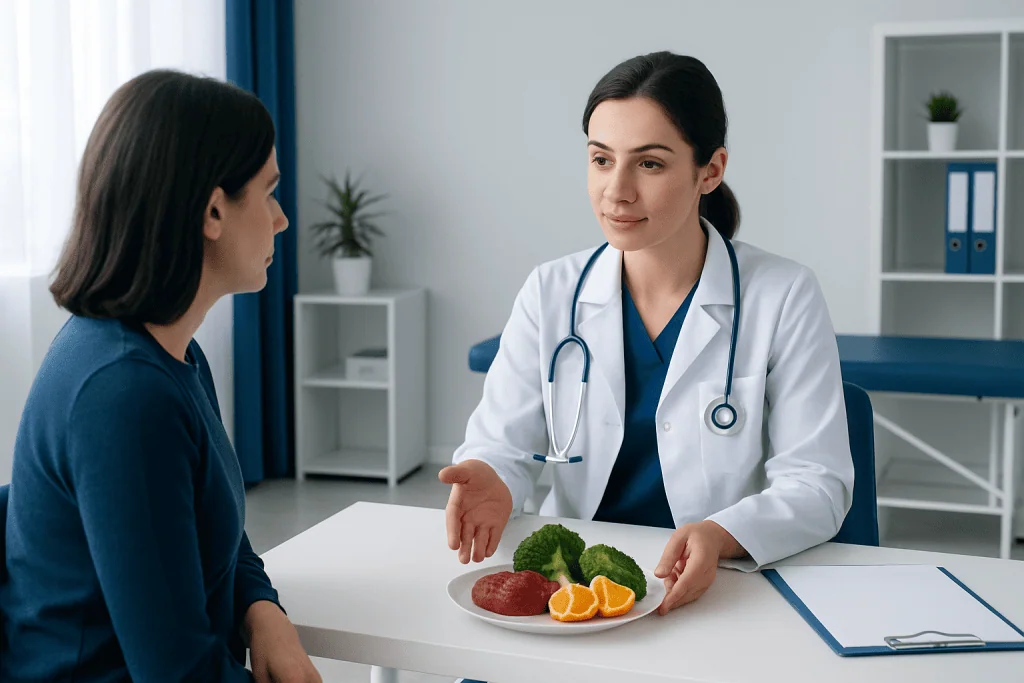
First, arrange a medical review if anemia has been diagnosed or symptoms suggest it. Clinicians commonly use a complete blood count and may check ferritin, iron studies, vitamin B12, folate, kidney function or other tests. This helps distinguish iron deficiency from other causes and avoids treating the wrong problem.
Second, build iron-containing foods into regular meals. Heme iron sources include lean red meat, liver in limited amounts where appropriate, poultry, fish and shellfish. Non-heme iron sources include lentils, beans, chickpeas, tofu, tempeh, dark leafy greens, iron-fortified cereals, seeds, nuts and dried fruit. Plant sources remain valuable, although the body usually absorbs their iron less efficiently.
Third, pair plant-based iron with vitamin C at the same meal. Examples include beans with tomatoes or peppers, lentils with citrus fruit, or fortified cereal with berries. Tea and coffee can reduce iron absorption when consumed with meals, so many people find it helpful to have them between meals. Calcium-rich foods are nutritious but may also reduce iron absorption when taken at the same time as iron-rich meals or prescribed iron treatment.
- Choose an iron source at one or more meals most days.
- Add a vitamin C-rich fruit or vegetable to plant-based meals.
- Include vitamin B12 and folate foods when these nutrients are low.
- Follow prescribed supplements exactly as advised rather than self-treating with high-dose iron.
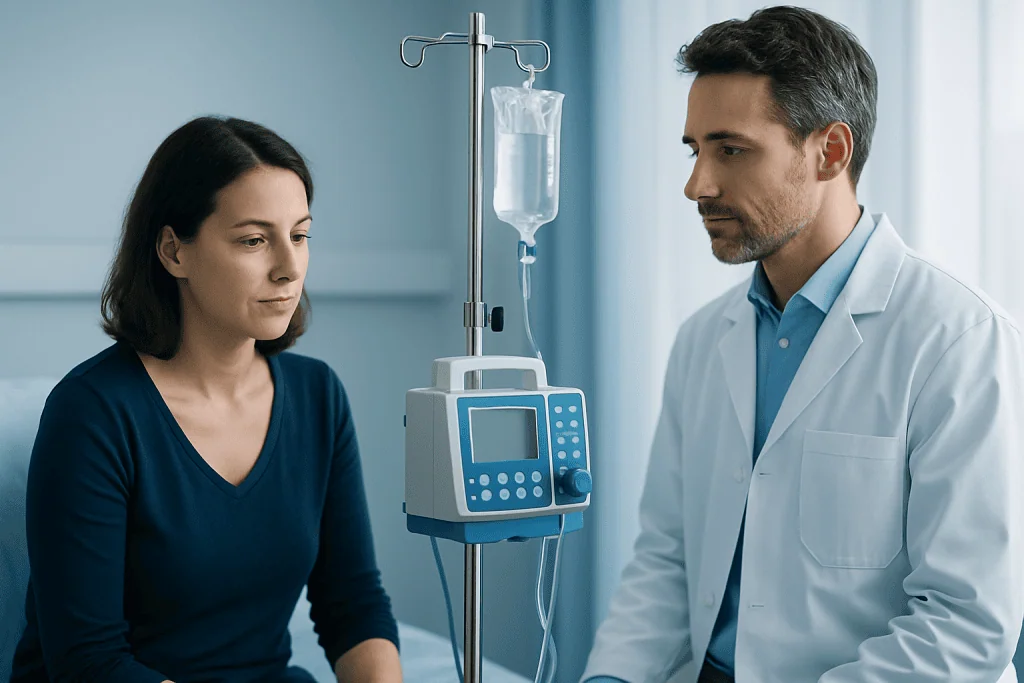
When food is not sufficient, a clinician may recommend iron infusion treatment or another form of nutrient replacement. The choice depends on anemia severity, the cause, digestive tolerance, absorption and how quickly iron levels need to be restored.
What foods help anemia quickly?
Foods cannot usually correct anemia immediately, but meals containing iron and vitamin C can support gradual recovery. For readily absorbed dietary iron, options include lean beef, lamb, poultry, fish and shellfish. For plant-based choices, lentils, beans, tofu, iron-fortified breakfast cereals, pumpkin seeds and dark leafy greens are useful additions.
Combining foods is often more practical than searching for one “quick” remedy. For example, a meal of lentils with tomatoes and peppers, a chicken salad with citrus fruit, or fortified cereal with strawberries can provide iron alongside vitamin C. Regular intake over time matters more than a single large serving.
Iron-rich foods should not delay medical assessment for tiredness, breathlessness, faintness, palpitations or suspected blood loss. If anemia is caused by bleeding or poor absorption, even an excellent diet may not restore iron stores without treating the underlying issue.
Is 2 eggs a day enough iron?
Two eggs can be part of a balanced diet, but they are unlikely to provide enough iron by themselves to treat iron-deficiency anemia. Eggs contain some iron, yet the amount and absorption are generally not sufficient to rebuild depleted iron stores in most adults. Individual needs also differ by age, sex, pregnancy status, health conditions and the cause of anemia.
For a more complete approach, eggs can be combined with other iron sources such as legumes, meat, fish, fortified grains or seeds, plus vitamin C-rich produce. People following a vegetarian diet can focus on varied plant sources and ask a clinician or dietitian whether testing or supplementation is needed.
It is also important to avoid assuming that low energy means iron deficiency. Excess iron supplementation can be harmful for some people, so supplements should be based on clinical advice and blood test results.
How do you know when your anemia is getting better?
Some people notice that fatigue, weakness, light-headedness, headaches, reduced exercise tolerance or shortness of breath improve as anemia is corrected. Improved concentration and less noticeable heart pounding during ordinary activity may also be reassuring signs. Symptoms can improve before iron stores are fully replenished.
Blood tests provide the most reliable measure of progress. A clinician may monitor hemoglobin and, in iron deficiency, ferritin or other iron studies. The testing schedule depends on the severity and cause of anemia, the type of treatment and the person’s overall health.
Improvement should be steady rather than assumed. If symptoms continue, return after initially improving, or become worse, the treatment plan may need adjustment and the cause may need further investigation. Dietary changes should be continued as part of an overall plan rather than used as the only marker of recovery.
How many days will it take to cure anemia?
There is no fixed number of days to cure anemia. The timeline depends on the cause, how low the hemoglobin is, whether bleeding is ongoing, nutrient absorption, and whether treatment includes food changes, supplements, infusions or care for another condition. Some people begin to feel better within weeks, while restoring iron stores can take longer.
Dietary changes are usually gradual in effect because the body needs time to produce new red blood cells and replenish nutrient reserves. If anemia is severe, causing symptoms, or related to significant iron deficiency, clinicians may use supplements or intravenous iron in addition to food-based measures. Vitamin B12 or folate deficiency may require different replacement strategies.
Follow-up testing is important before considering anemia resolved. Stopping prescribed treatment too early may allow the deficiency to return, particularly if its source has not been addressed. A clinician can explain realistic expectations based on the individual diagnosis.
Benefits, limitations and when to seek medical care
A nutrient-rich diet has broad health benefits and can help prevent recurrent nutritional deficiencies. It supports treatment without the side effects that some people experience with iron tablets, such as nausea, constipation or stomach discomfort. Nevertheless, dietary treatment has limitations: it may act slowly, cannot stop active bleeding, and cannot correct every type of anemia.
Medical care should be sought promptly for chest pain, severe shortness of breath, fainting, confusion, black or bloody stools, vomiting blood, rapidly worsening weakness, or very heavy bleeding. A doctor should also assess persistent tiredness, pallor, unexplained weight loss, new anemia, or anemia that does not improve with advised treatment.
At Acibadem International, multidisciplinary specialists and JCI-accredited hospitals assess anemia causes and provide coordinated treatment for international patients when needed. Care may include nutrition guidance, laboratory evaluation and treatment directed at the condition responsible for anemia.
Frequently asked questions
Can diet alone treat iron-deficiency anemia?
Diet may help mild iron deficiency and can support long-term recovery, but it does not always correct anemia on its own. Many people need iron supplementation or other treatment, particularly when iron levels are very low, absorption is reduced or blood loss continues. A blood test and clinical review help determine the appropriate plan.
What should be avoided when trying to absorb more iron?
Tea and coffee taken with iron-rich meals can reduce absorption, especially from plant foods. Large amounts of calcium consumed at the same time may also interfere with iron absorption for some people. These foods do not need to be eliminated; timing them away from iron-rich meals or prescribed iron may be helpful.
Can vegetarians get enough iron from food?
Yes, vegetarians can obtain iron from lentils, beans, chickpeas, tofu, fortified cereals, seeds, nuts and leafy greens. Because plant iron is absorbed less efficiently, combining these foods with vitamin C-rich produce is helpful. Regular monitoring may be appropriate for people at higher risk of deficiency.
Should everyone with fatigue take iron tablets?
No. Fatigue has many possible causes, including sleep problems, thyroid conditions, infection, depression and other nutrient deficiencies. Iron should ideally be taken after a clinician confirms iron deficiency, since unnecessary iron can cause side effects and may not address the true cause of symptoms.
Can anemia return after treatment?
Yes, anemia can return if the original cause continues, such as heavy menstrual bleeding, digestive blood loss, inadequate dietary intake or an absorption problem. Completing follow-up tests and addressing the cause lowers the chance of recurrence. Ongoing dietary habits may help maintain healthy iron and vitamin levels.
When should a child with possible anemia see a doctor?
A child should be assessed for unusual tiredness, pallor, poor feeding, slowed growth, breathlessness, frequent headaches or changes in behavior or school performance. Children should not be given iron supplements unless recommended by a healthcare professional. Their iron needs and anemia causes can differ from those of adults.
References
- World Health Organization
- National Heart, Lung, and Blood Institute
- National Institutes of Health Office of Dietary Supplements
- British Society of Haematology
- Mayo Clinic
This article is for general information only and is not a substitute for professional medical advice. Please consult a qualified doctor about your individual situation.
Anemia in Turkey — costs, top hospitals & a free quote
JCI-accredited · board-certified surgeons · reply within 24h
Add us as a Preferred Source to see more of our trusted health content across Google Search, AI Overviews and Discover.