Angiogenesis: An Evidence-Based Guide for Patients

Angiogenesis means the formation of new blood vessels from existing vessels. It is normal in wound healing, growth, and reproductive health.
Key Takeaways
- Angiogenesis means the formation of new blood vessels from existing vessels.
- It is normal in wound healing, growth, and reproductive health.
- Too much angiogenesis can support diseases such as cancer and some eye conditions.
- Too little angiogenesis may contribute to poor wound healing or reduced blood supply to tissues.
- Doctors do not usually treat angiogenesis itself; they treat the underlying condition linked to it.
- Medical evaluation is important if symptoms suggest a condition involving abnormal blood vessel growth.
Angiogenesis is the body's natural process of making new blood vessels from existing ones. It is essential for normal healing and development, but when it is too active or too limited, it can play a role in several medical conditions.
Overview: what angiogenesis means
Angiogenesis is the process by which the body forms new blood vessels from blood vessels that already exist. In simple terms, it is one of the ways the body expands its circulation network to deliver oxygen and nutrients where they are needed. This is a normal and highly regulated biological function.
Healthy angiogenesis helps with growth, tissue repair, and recovery after injury. For example, when a wound heals, the body needs new tiny blood vessels to bring in oxygen and support rebuilding. Angiogenesis also has normal roles in development before birth and in some reproductive processes in adults.
At the same time, angiogenesis can become part of disease. If it is overactive, it may help tumors grow by supplying them with blood. It may also contribute to certain eye diseases or inflammatory conditions. If it is insufficient, tissues may not receive enough blood supply, which can slow healing or worsen ischemic problems. Because of this, angiogenesis is best understood not as good or bad on its own, but as a natural process that needs careful balance.
How angiogenesis works in the body
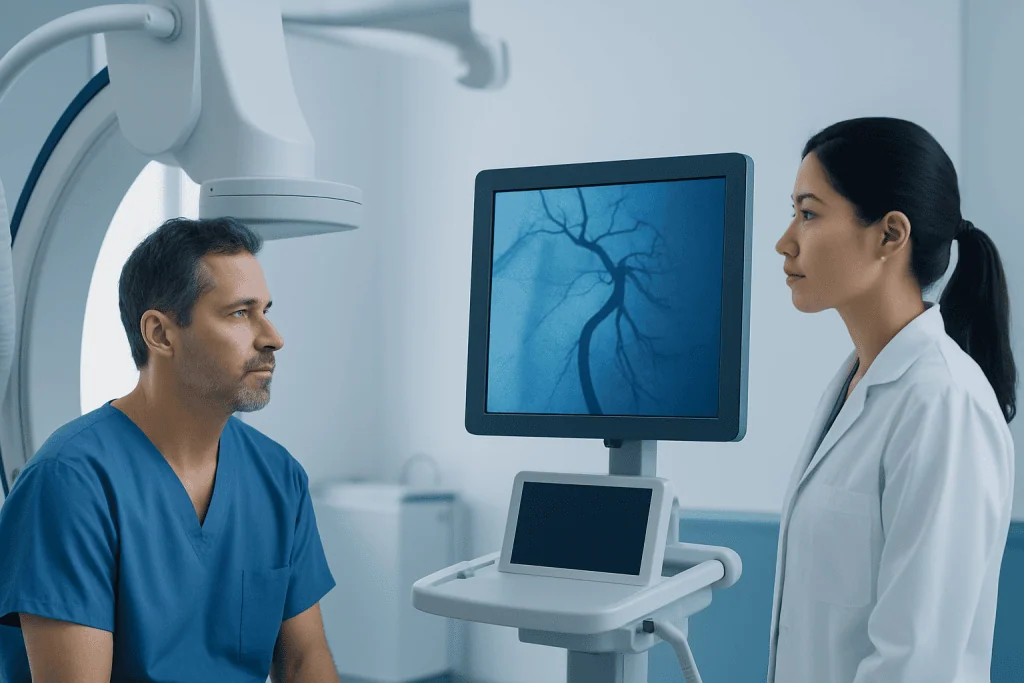
Blood vessels do not form at random. The body uses a complex set of signals to decide when and where new vessel growth should happen. Cells release chemical messengers called growth factors that tell nearby blood vessel cells to grow, move, and organize into new branches. One of the best-known signals is vascular endothelial growth factor, or VEGF.
When tissues are injured or temporarily low in oxygen, the body may increase these signals. In response, cells lining blood vessels begin to multiply and migrate. They create small sprouts that develop into new capillaries, the tiniest blood vessels in the body. Later, supporting cells and structural proteins help stabilize these new vessels.
The process is tightly controlled by both stimulators and inhibitors. In a healthy state, these opposing signals stay in balance. If stimulators greatly outweigh inhibitors, too many new vessels may grow. If inhibitors dominate, blood vessel growth may be inadequate. This balance is one reason angiogenesis is such an important area in modern medicine, especially in cancer, cardiovascular disease, wound care, and ophthalmology.
When angiogenesis is normal and when it becomes a problem
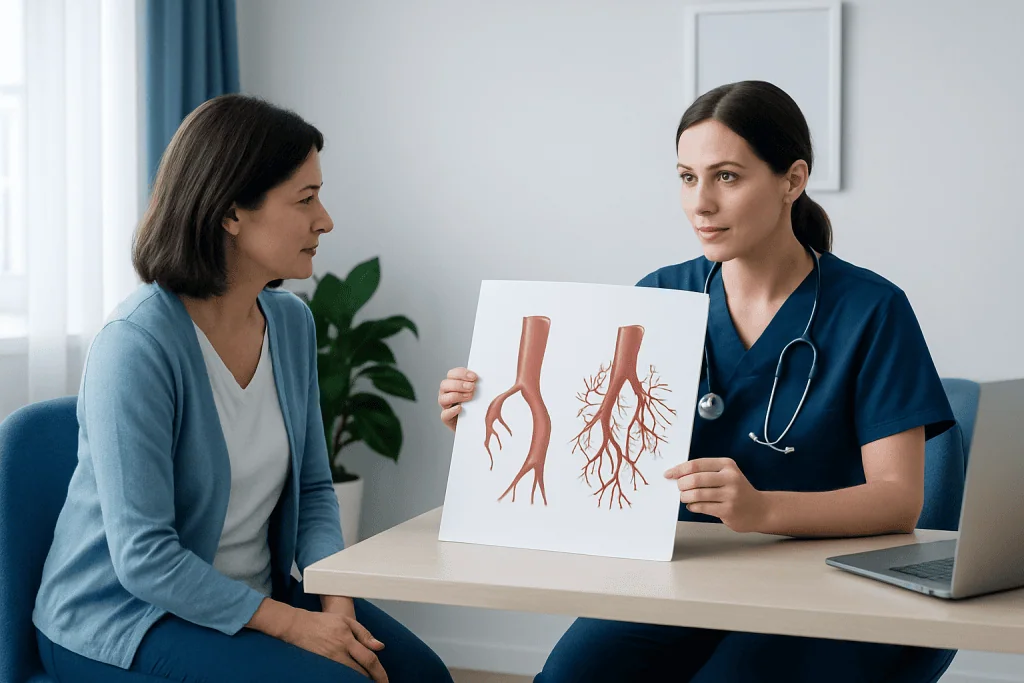
Normal angiogenesis is part of everyday biology, even when a person is not aware of it. It supports healing after cuts or surgery, helps tissues adapt, and contributes to normal development. In these settings, the process turns on when needed and settles down once the job is done.
Abnormal angiogenesis usually refers to blood vessel growth that is excessive, disorganized, or poorly timed. In cancer, for example, a tumor may release signals that encourage new vessels to grow toward it. These vessels can provide nutrients that help the tumor enlarge. This is one reason angiogenesis is closely linked with cancer biology and treatment planning.
Too much angiogenesis may also be involved in some eye disorders, where fragile or abnormal vessels can damage vision. Too little angiogenesis may contribute to chronic wounds, poor circulation, or tissue injury after reduced blood flow. Rather than causing one specific set of symptoms by itself, angiogenesis becomes clinically important because of the condition it is associated with.
Symptoms and conditions linked to abnormal angiogenesis
Angiogenesis does not usually cause a distinct symptom that a person can recognize on its own. Instead, symptoms come from the disease process behind the abnormal blood vessel growth. For example, in a tumor, symptoms depend on where the tumor is located and how large it becomes. In an eye condition, symptoms may include blurred vision or visual distortion.
Conditions that may involve abnormal angiogenesis include several cancers, some retinal diseases, inflammatory disorders, endometriosis, psoriasis, and complications of diabetes affecting the eyes or tissues. Poor angiogenesis may be relevant in slow-healing wounds, certain heart and vascular problems, and tissue ischemia. In some cases, related blood vessel changes are evaluated alongside varicose veins or other vascular concerns, although these are not classic examples of angiogenesis-driven disease in the same way cancer or retinal disorders are.
Possible signs that deserve medical attention depend on the organ involved and may include:
- Unexplained weight loss, persistent pain, or a new lump
- Changes in vision, such as blurriness or dark spots
- Wounds that do not heal as expected
- Persistent swelling, skin changes, or signs of poor circulation
- Symptoms related to a known chronic illness, such as diabetes or inflammatory disease
Because these symptoms can have many causes, proper evaluation is important. It is not possible to diagnose an angiogenesis-related problem based on symptoms alone.
How doctors evaluate angiogenesis-related conditions
Doctors do not usually perform a single routine test simply called an “angiogenesis test.” Instead, they investigate the underlying condition and assess whether abnormal blood vessel growth may be part of it. The evaluation begins with medical history, symptoms, physical examination, and a review of risk factors such as smoking, diabetes, high blood pressure, family history, or a previous cancer diagnosis.
Imaging and specialized tests are often central to diagnosis. Depending on the concern, a doctor may recommend ultrasound, CT, MRI, angiographic studies, or eye imaging. Blood tests may help assess inflammation, anemia, organ function, or other contributing issues, but they do not usually confirm angiogenesis by themselves.
If cancer is suspected, tissue sampling may be needed to establish an exact diagnosis and guide treatment. This can include biopsy and pathology review, along with imaging to understand the extent of disease. In vascular or circulation problems, testing may focus on blood flow and tissue health. The goal is to identify the cause, not just the blood vessel changes.
Because angiogenesis can be relevant across several specialties, care may involve oncologists, ophthalmologists, cardiologists, vascular specialists, dermatologists, or wound-care teams. A multidisciplinary approach helps connect the biological process to the person’s actual diagnosis and treatment needs.
Treatment options: managing the underlying condition
Treatment for angiogenesis depends entirely on why the blood vessel changes are happening. In medicine, the aim is usually to treat the disease associated with abnormal angiogenesis rather than the process in isolation. For excessive angiogenesis, doctors may try to reduce or block vessel growth. For inadequate angiogenesis, treatment focuses on improving circulation, healing, and management of underlying risk factors.
In cancer care, one approach is anti-angiogenic therapy, which uses medicines that interfere with signals tumors use to develop new blood vessels. These treatments are not suitable for every person or every cancer type, and they are often used alongside other treatments such as chemotherapy, radiotherapy, or immunotherapy. Doctors choose treatment based on the tumor type, stage, overall health, and pathology findings.
For eye diseases involving abnormal vessel growth, specialists may use targeted medicines or procedures to help protect vision. In poor wound healing or reduced blood supply, treatment may include controlling infection, improving diabetes management, supporting circulation, and addressing lifestyle factors such as smoking. In selected vascular situations, minimally invasive or surgical treatment may be considered, including treatment for varicose veins when clinically appropriate.
Every treatment plan should be individualized. A doctor can explain likely benefits, limitations, side effects, and whether monitoring rather than immediate intervention is appropriate. Near the end of the care pathway, some patients seek evaluation at centers such as Acibadem International, where multidisciplinary specialists in JCI-accredited hospitals diagnose and treat angiogenesis-related conditions for international patients.
Prevention, self-care, and when to seek medical care
There is no general self-care method that directly controls angiogenesis in a targeted way. However, many healthy habits support blood vessel health and may lower the risk of diseases linked to abnormal angiogenesis. These include not smoking, keeping blood pressure and blood sugar within target ranges, eating a balanced diet, staying physically active, and attending routine medical checkups.
People living with chronic conditions such as diabetes, inflammatory disorders, eye disease, or a history of cancer benefit from ongoing follow-up. Early attention to vision changes, skin wounds, new masses, or unexplained fatigue can help doctors identify problems sooner. It is also sensible to discuss any supplements or alternative therapies with a clinician, because products marketed as “anti-angiogenic” or “vessel boosting” may not be evidence-based or appropriate.
Medical care should be sought promptly for symptoms such as sudden or worsening vision changes, a wound that is not healing, unexplained bleeding, chest pain, shortness of breath, a new or enlarging lump, or persistent symptoms without a clear cause. These signs do not necessarily mean there is a serious angiogenesis-related disorder, but they do deserve professional assessment.
In general, angiogenesis is an important clue in medicine rather than a diagnosis by itself. A qualified doctor can determine whether it is relevant to a person’s symptoms and which tests or treatments, if any, are needed.
Frequently asked questions
What is angiogenesis in simple terms?
Angiogenesis is the formation of new blood vessels from existing ones. It is a normal process the body uses for growth, healing, and tissue repair.
Is angiogenesis always harmful?
No. Angiogenesis is essential in many healthy situations, such as wound healing and normal development. It becomes a concern when it is unbalanced and contributes to disease.
How is angiogenesis related to cancer?
Many tumors need a blood supply to grow beyond a very small size. They may release signals that stimulate new vessel growth, which is why blocking angiogenesis can be part of some cancer treatment plans.
Can angiogenesis be treated directly?
Sometimes, but usually treatment focuses on the condition causing or using the abnormal vessel growth. In some cancers and eye diseases, doctors may use therapies that reduce blood vessel growth signals.
Are there symptoms of angiogenesis itself?
Usually no. People typically notice symptoms from the underlying disease, such as vision changes, a slow-healing wound, or symptoms related to a tumor or circulation problem.
Can diet or supplements control angiogenesis?
A healthy diet supports overall vascular health, but no food or supplement should be expected to safely control angiogenesis in a precise medical way. People should speak with a doctor before trying products marketed for this purpose.
When should someone see a doctor?
A doctor should evaluate unexplained symptoms such as new lumps, persistent pain, bleeding, non-healing wounds, or changes in vision. Prompt medical advice is especially important for sudden symptoms or concerns in someone with cancer, diabetes, or vascular disease.
This article is for general information only and is not a substitute for professional medical advice. Please consult a qualified doctor about your individual situation.
Explore treatments in Turkey — costs, top hospitals & a free quote
JCI-accredited · board-certified surgeons · reply within 24h
Add us as a Preferred Source to see more of our trusted health content across Google Search, AI Overviews and Discover.

More from the Health Library

Lumpy Back of Head: What Patients Need to Know

Benzedrine: What Patients Need to Know

Blasts: An Evidence-Based Guide for Patients

Dht Blocker: What Patients Need to Know

MCHC: What Patients Need to Know