Ankle Stretches: A Complete Medical Overview
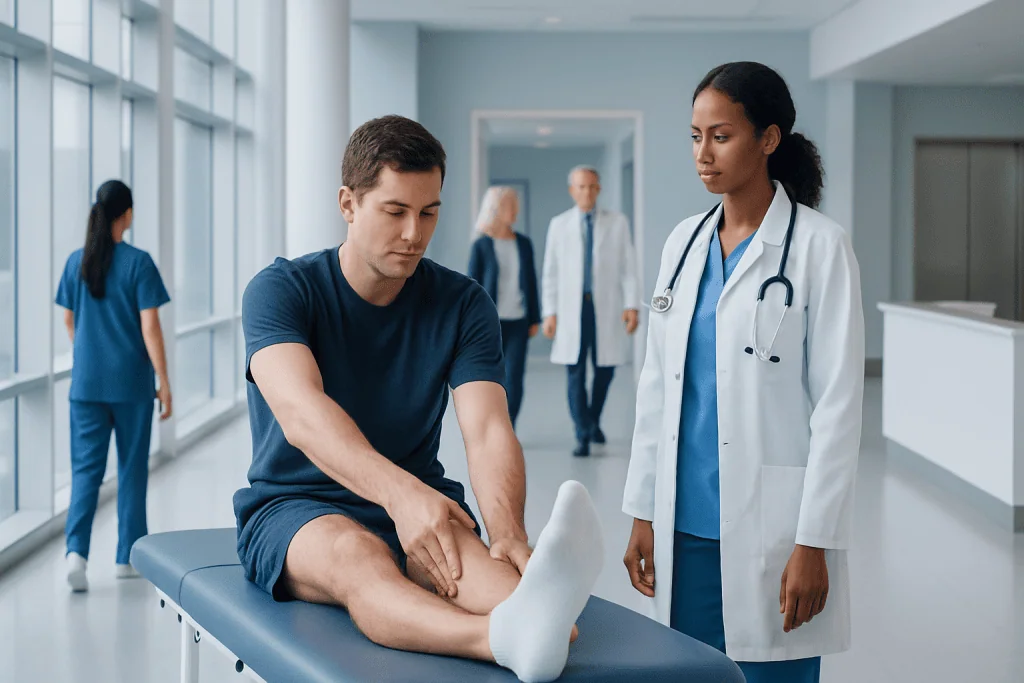
Ankle stretches should feel like mild tension, not sharp, worsening or persistent pain. Calf tightness, limited joint motion, previous injuries and long periods of inactivity can all contribute to stiff ankles.
Key Takeaways
- Ankle stretches should feel like mild tension, not sharp, worsening or persistent pain.
- Calf tightness, limited joint motion, previous injuries and long periods of inactivity can all contribute to stiff ankles.
- Slow, controlled stretching combined with ankle-strengthening and balance work is often more useful than stretching alone.
- People with a recent injury, marked swelling, numbness, diabetes-related foot problems or circulation concerns should seek professional advice before starting exercises.
- Consistency matters more than intensity; short, regular sessions are generally safer than forceful stretching.
Ankle stretches are gentle movements that may help maintain or improve flexibility in the ankle joint and surrounding calf, foot and lower-leg muscles. They can be useful after prolonged sitting, during exercise preparation, or as part of rehabilitation when recommended by a qualified clinician.
What Are Ankle Stretches and Why Do They Matter?
Ankle stretches are controlled movements intended to improve or maintain the range of motion of the ankle and the flexibility of nearby soft tissues. The ankle is involved in walking, climbing stairs, running, squatting and maintaining balance. When movement at this joint is limited, the body may compensate by changing the way a person walks, stands or exercises.
The term “ankle stretches” commonly includes movements for the calf muscles, Achilles tendon area, sole of the foot and ankle joint itself. Some exercises move the ankle through its available range, while others hold a gentle stretch for a short time. Neither approach should cause sharp pain, a sense of instability or increasing swelling.
Stiffness does not always mean that a person needs more stretching. It can also occur because of inflammation, arthritis, a recent sprain, tendon irritation, scar tissue or weakness around the foot and ankle. For this reason, the most suitable approach depends on the cause, symptoms and individual activity goals.
How Ankle Mobility Supports Everyday Movement
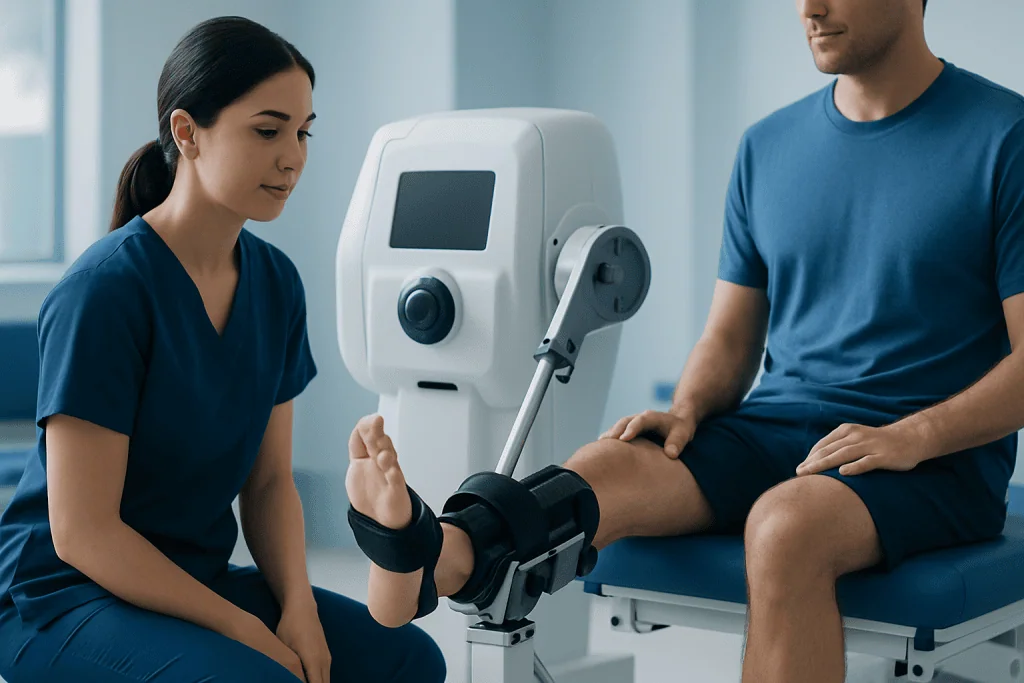
The ankle needs to move upward toward the shin, called dorsiflexion, and downward away from the shin, called plantar flexion. It also works with the joints of the foot to adapt to uneven ground and support balance. Adequate movement in these directions helps with daily tasks such as rising from a chair, descending stairs and walking at a comfortable pace.
Restricted upward ankle movement is particularly common in people with tight calf muscles, a history of ankle injury, frequent use of high-heeled shoes or prolonged sitting. It may make a deep squat difficult or cause the heel to lift early during certain movements. In some cases, limited mobility may contribute to extra stress at the knee, foot or lower back, although it is not the only possible cause of pain in these areas.
For active people, preserving ankle mobility can support efficient movement during sports that involve running, jumping or rapid changes in direction. However, stretching alone does not prevent all injuries. Well-rounded preparation also includes gradual training progression, appropriate footwear, muscle strengthening, balance practice and adequate recovery.
Common Types of Ankle Stretches
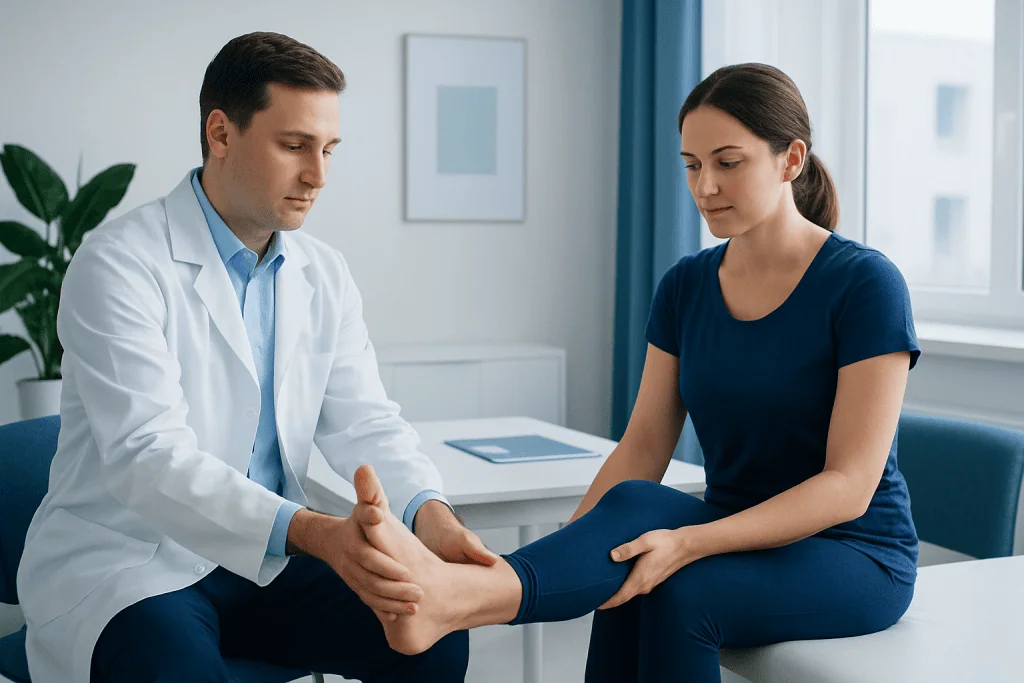
A simple starting point is ankle circles. While seated or lying down, the person slowly moves the foot in a comfortable circular motion in each direction. This can be a useful gentle mobility exercise after sitting for a long period or before activity, especially when the ankle feels stiff but is not painful or swollen.
A calf stretch with the knee straight targets the larger gastrocnemius calf muscle. A person places both hands on a wall, steps one leg behind the other and keeps the rear heel on the floor while leaning forward gently. Keeping the back knee straight usually increases the stretch in the upper calf. The pelvis should remain facing forward rather than twisting to one side.
A similar wall stretch with the back knee slightly bent can focus more on the deeper soleus muscle, which also affects ankle movement. Another option is a seated towel stretch: with the knee comfortably straight, a towel is placed around the ball of the foot and pulled gently toward the body. This method may be suitable for people who find standing stretches difficult, provided it does not create pain in the foot, ankle or calf.
Movement-based exercises can also be helpful. For example, while seated, a person may slowly point and flex the foot, staying within a comfortable range. During rehabilitation, a physiotherapist may recommend more specific exercises based on strength, joint control, tendon health and the stage of healing.
A Safe Approach to Stretching Technique
Before ankle stretches, the area can be warmed with a few minutes of easy walking or gentle movement if this is comfortable. A warm-up is particularly helpful before exercise because tissues generally move more easily once the body is active. Stretching does not need to be painful to be effective; a mild pulling sensation is usually sufficient.
Each stretch should be performed slowly, without bouncing. The person can breathe normally and avoid holding the breath or tensing the shoulders. A brief hold followed by relaxation may be repeated, but the exact duration and number of repetitions should be adapted to comfort, fitness level and guidance from a healthcare professional.
Good alignment helps direct the stretch to the intended area. During a wall calf stretch, for example, the heel should stay grounded if possible and the knee should track in line with the foot rather than collapsing inward. If the heel rises, pain develops, or the stretch feels concentrated in a joint rather than muscle, reducing the range or changing the position may be appropriate.
- Move gradually into the stretch rather than forcing the foot farther.
- Stop if there is sharp pain, catching, new numbness or a feeling that the ankle may give way.
- Stretch both sides, while recognizing that a small difference in flexibility can be normal.
- Use stable support for standing exercises to reduce fall risk.
Who May Benefit and Who Should Take Extra Care?
Many people can use gentle ankle stretches as part of a general mobility routine. They may be especially useful for those who spend much of the day seated, stand for long periods, return to activity after a period of reduced movement or notice mild muscle tightness after exercise. Older adults may also benefit from individualized mobility and balance work to support confident movement.
People recovering from an ankle sprain, fracture, surgery or tendon injury should not assume that all stretches are appropriate immediately. In the early phase of an injury, protecting the area and managing swelling may be more important than increasing range of motion. A doctor or physiotherapist can advise when movement should begin and which exercises are safe at each stage of recovery.
Extra caution is also important for people with diabetes and reduced foot sensation, peripheral artery disease, inflammatory arthritis, osteoporosis, neurological conditions affecting balance, or a history of blood clots. These conditions do not always prevent exercise, but they may change the safest type and intensity of activity. A clinician can help tailor a plan to the person’s health needs.
Combining Stretching With Strength and Daily Habits
Flexible ankles also need strength and control. The calf muscles, muscles around the shin, and smaller foot muscles help stabilize the ankle during standing and walking. Depending on a person’s needs, a rehabilitation plan may include heel raises, resistance-band movements, controlled step exercises or balance activities performed near a stable surface.
Balance training is particularly relevant after a previous ankle sprain because the joint’s position sense and reaction control can be affected. Simple activities may include standing on one leg with support nearby, progressing only when safe and comfortable. People should avoid advancing to unstable surfaces or challenging movements if they have poor balance or have been advised to limit weight-bearing.
Footwear can also influence comfort. Shoes that fit well and provide appropriate support for the person’s activity may reduce unnecessary strain. Regular movement breaks, gradual increases in exercise volume and avoiding sudden changes in training intensity can be as important as stretching for managing recurring tightness.
If ankle stiffness continues despite sensible self-care, an assessment can identify whether a joint restriction, tendon issue, arthritis, old injury or another condition is contributing. Multidisciplinary specialists at Acibadem International’s JCI-accredited hospitals can assess ankle and lower-limb concerns and guide treatment plans for international patients when needed.
When to Seek Medical Care
Medical assessment is advisable after an ankle injury that causes an inability to bear weight, major swelling, bruising, deformity, a popping sensation, or persistent pain. These symptoms can occur with significant sprains, fractures or tendon injuries and should not be managed with stretching alone. Prompt evaluation is also important if pain is severe or symptoms are getting worse.
A person should contact a healthcare professional if there is redness, warmth, fever, unexplained swelling of the calf or ankle, changes in skin color, numbness, weakness or a cold foot. These signs may point to an issue that requires timely assessment, including infection, nerve involvement or circulation problems.
Non-urgent medical advice is appropriate when stiffness, repeated ankle rolling, pain during walking or reduced movement lasts for several weeks or limits daily life. A doctor, sports medicine clinician or physiotherapist can examine the ankle, review relevant medical history and decide whether imaging, rehabilitation or other treatment is needed.
Frequently asked questions
How often should ankle stretches be done?
For mild tightness, gentle ankle mobility work can often be included in a regular daily routine or before physical activity. The appropriate frequency depends on symptoms, fitness level and whether there has been a recent injury. If pain increases or lingers after stretching, the routine should be reduced and reviewed with a healthcare professional.
Should ankle stretches hurt?
Ankle stretches should create mild tension or a gentle pulling feeling, not sharp pain. Pain, joint pinching, tingling, numbness or worsening symptoms are reasons to stop. Continuing through pain may aggravate an injury or irritate a sensitive tendon or joint.
Can ankle stretches help after an ankle sprain?
They may be part of recovery, but timing matters. Early after a sprain, a clinician may advise protection, swelling management and limited movement before more active stretching begins. Rehabilitation commonly progresses from gentle range-of-motion work to strengthening, balance and return-to-activity exercises.
Why are my ankles stiff in the morning?
Morning stiffness can occur after reduced movement during sleep, particularly in the calf and foot muscles. It may also be associated with arthritis, tendon problems, previous injuries or footwear-related strain. Persistent stiffness, swelling or pain should be assessed by a healthcare professional.
Do ankle stretches improve squat depth?
Limited ankle dorsiflexion can make it harder for some people to keep their heels down during a squat. Gentle calf and ankle mobility exercises may help when tightness is contributing. Squat technique, hip mobility, body proportions and strength also influence squat depth.
Can people with diabetes do ankle stretches?
Many people with diabetes can safely perform gentle movement exercises, but those with reduced sensation, foot ulcers, significant swelling or circulation problems should first seek medical advice. Feet should be checked regularly for skin injury, blisters or color changes. Exercises should be stopped if pain, numbness or skin irritation develops.
References
- American Academy of Orthopaedic Surgeons
- American Physical Therapy Association
- National Institute of Arthritis and Musculoskeletal and Skin Diseases
- National Health Service
- Mayo Clinic
This article is for general information only and is not a substitute for professional medical advice. Please consult a qualified doctor about your individual situation.
Joint and spine care in Turkey — expert assessment & treatment
JCI-accredited · board-certified surgeons · reply within 24h
Add us as a Preferred Source to see more of our trusted health content across Google Search, AI Overviews and Discover.