Anorexia Nervosa: Warning Signs, Health Risks, and Treatment Support

Anorexia nervosa is not a lifestyle choice; it is a complex mental health condition with physical, psychological, and social factors. Warning signs may include food restriction, intense fear of weight gain, body image distress, excessive exercise, withdrawal, and physical changes.
Key Takeaways
- Anorexia nervosa is not a lifestyle choice; it is a complex mental health condition with physical, psychological, and social factors.
- Warning signs may include food restriction, intense fear of weight gain, body image distress, excessive exercise, withdrawal, and physical changes.
- Untreated anorexia can affect the heart, bones, hormones, digestion, brain function, and overall safety.
- Effective treatment usually involves a multidisciplinary team, including medical doctors, mental health professionals, and nutrition specialists.
- Recovery often takes time and support, and early care can reduce complications and improve long-term outcomes.
Anorexia nervosa is a serious eating disorder that affects both physical and mental health, but recovery is possible with early recognition and coordinated care. Understanding warning signs, medical risks, and treatment options can help families and patients seek timely, compassionate support.
Overview
Anorexia nervosa is an eating disorder marked by persistent restriction of food intake, intense fear of gaining weight, and a disturbed experience of body weight or shape. A person may see themselves as larger than they are, feel strong anxiety around eating, or link self-worth closely to weight, body size, or food control. Although weight loss is often visible, anorexia is primarily a mental health condition with important medical consequences.
Anorexia can affect people of any gender, age, body size, culture, or background. It is often associated with low body weight, but some individuals may have serious eating disorder symptoms and medical instability even when their weight does not appear extremely low. This is one reason why concerns about eating behavior, mood, and physical health should be taken seriously regardless of appearance.
The condition is treatable, and many people recover with the right support. Recovery usually involves restoring physical health, normalizing eating patterns, addressing anxiety and body image concerns, and rebuilding daily life in a safe and sustainable way. A compassionate approach is important, because shame, secrecy, and fear can make it harder for a person to ask for help.
Warning Signs and Symptoms
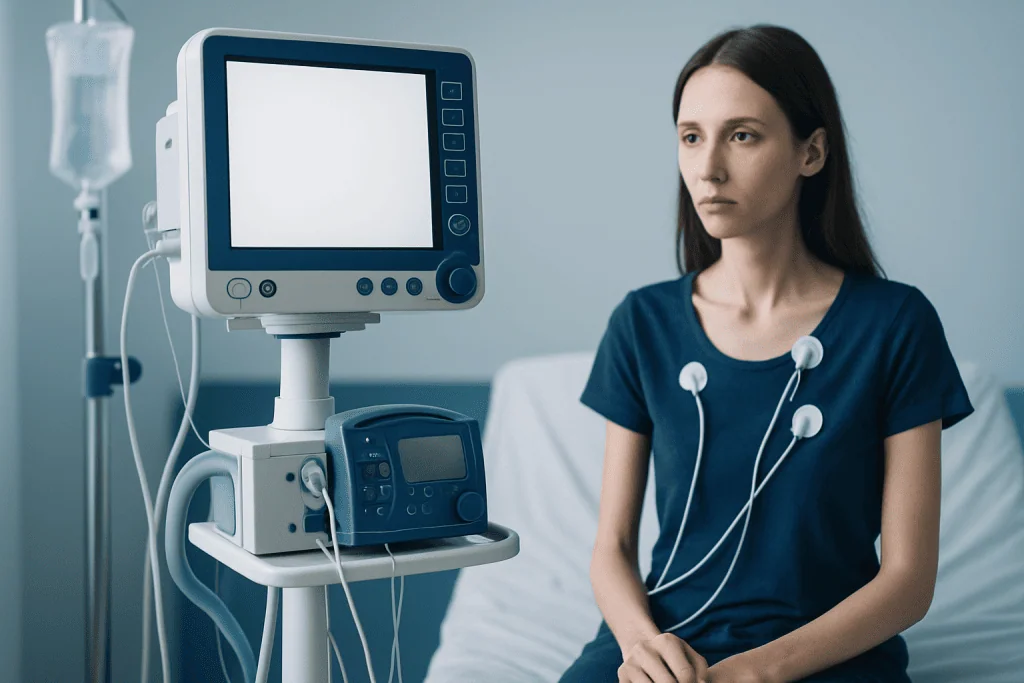
Warning signs of anorexia nervosa can be behavioral, emotional, and physical. A person may begin skipping meals, avoiding certain foods, cutting food into very small pieces, eating only in rigid patterns, or becoming distressed when plans involve meals. They may frequently check their body, weigh themselves often, compare themselves to others, or express fear of becoming fat even when others are concerned about weight loss.
Emotional and social signs may include irritability, anxiety around food, low mood, perfectionism, secrecy, or withdrawal from friends and family. Some people become very focused on cooking, nutrition rules, calorie counting, or exercise. Others may deny that there is a problem, not because they are being difficult, but because the illness can strongly affect insight and make change feel frightening.
Physical symptoms can develop gradually. These may include fatigue, dizziness, feeling cold, constipation, abdominal discomfort, poor concentration, sleep problems, thinning hair, dry skin, brittle nails, and fainting. In adolescents, delayed puberty or slowed growth may occur. In people who menstruate, periods may become irregular or stop, although normal periods do not rule out anorexia.
- Rapid or unexplained weight loss, or failure to gain expected weight during growth
- Strict food rules, fear foods, or avoiding meals with others
- Excessive exercise, especially when sick, injured, or exhausted
- Preoccupation with weight, shape, calories, or body checking
- Secrecy, social withdrawal, mood changes, or increased anxiety around eating
Causes and Risk Factors

Anorexia nervosa does not have one single cause. It usually develops from a combination of biological, psychological, family, social, and cultural factors. Genetics may influence vulnerability, and some people have temperament traits such as perfectionism, persistence, sensitivity to criticism, or anxiety that increase risk. These traits can be strengths in many areas of life, but under stress they may contribute to rigid eating and body-related fears.
Life transitions and stressors can also play a role. Puberty, moving away from home, academic pressure, sports demands, bullying, trauma, illness, or major family changes may trigger symptoms in someone who is vulnerable. Dieting or intentional weight loss can sometimes become a gateway to more restrictive patterns, especially when weight changes are praised or when the person experiences a temporary sense of control.
Cultural messages that idealize thinness, fitness, or body transformation may contribute to body dissatisfaction, but anorexia is not simply caused by media exposure. It is a serious psychiatric illness that can persist even when a person understands that their behavior is harmful. Coexisting conditions, such as anxiety disorders, depression, obsessive-compulsive symptoms, or autism spectrum traits, may also influence how anorexia appears and how treatment should be adapted.
Health Risks and Possible Complications
Anorexia nervosa can affect nearly every organ system because the body is not receiving enough energy and nutrients. The heart may slow down, blood pressure may drop, and electrolyte imbalances may develop, especially if there is vomiting, laxative misuse, or dehydration. These changes can sometimes be medically serious even when the person feels they are functioning well.
Bone health is another important concern. In children and adolescents, inadequate nutrition can interfere with growth and bone development. In adults, low hormone levels and malnutrition may reduce bone density, increasing the risk of stress fractures and osteoporosis. Hormonal changes can also affect fertility, menstrual cycles, sexual health, and temperature regulation.
The digestive system may slow, causing bloating, constipation, early fullness, and abdominal discomfort. These symptoms can make eating feel even harder, but they often improve gradually with nutritional rehabilitation. The brain is also affected by undernutrition; concentration, memory, mood, and decision-making may worsen, while anxiety and obsessive thoughts about food can become stronger.
Medical risk is not determined by weight alone. Rate of weight loss, abnormal blood tests, fainting, chest pain, dehydration, very low food intake, purging behaviors, and changes in pulse or blood pressure are all important. For this reason, people with suspected anorexia should have a medical assessment even if they believe they are not “sick enough” for care.
Diagnosis and Medical Assessment
Diagnosis begins with a careful clinical evaluation by a qualified healthcare professional. The clinician will ask about eating patterns, weight history, exercise habits, body image concerns, mood, anxiety, menstrual or hormonal changes, medications, and any purging behaviors. Because many people feel ashamed or fearful, a nonjudgmental conversation is essential.
A physical examination usually includes measurements such as weight, height, pulse, blood pressure, and temperature. In children and adolescents, growth charts are especially important. Blood tests may be ordered to check electrolytes, kidney and liver function, blood counts, thyroid function, vitamin or mineral status, and other markers depending on symptoms. An electrocardiogram may be recommended if there are concerns about heart rhythm or medical instability.
Healthcare professionals also consider other medical and psychiatric conditions that can cause weight loss or appetite changes, such as gastrointestinal disease, endocrine disorders, infections, depression, or substance use. Diagnosis is not meant to label or blame the person; it helps the care team understand the pattern of symptoms and select the safest treatment plan.
Treatment Options and Recovery Support
Treatment for anorexia nervosa is usually multidisciplinary. A medical doctor monitors physical health, a mental health professional provides therapy, and a dietitian or nutrition specialist helps with eating structure and nutritional rehabilitation. Depending on age and severity, care may take place in outpatient, day program, residential, or hospital settings. The right level of care depends on medical stability, psychiatric risk, support at home, and ability to eat safely.
Psychological treatment is central to recovery. For adolescents, family-based treatment is often recommended when appropriate, helping parents or caregivers support nutritional recovery and reduce eating disorder behaviors. For adults, therapies such as cognitive behavioral therapy for eating disorders, specialist supportive clinical management, or other evidence-based approaches may be used. Therapy may focus on fear of weight gain, body image distress, perfectionism, emotional regulation, relationships, and relapse prevention.
Nutritional rehabilitation is not simply about “eating more.” It is a careful process of restoring adequate energy intake, reducing rigid rules, and helping the body recover safely. Some people need structured meal plans, supervised meals, or medical monitoring during refeeding. Medications may be used to treat coexisting anxiety, depression, or obsessive symptoms, but they are not a stand-alone cure for anorexia.
Recovery can include progress and setbacks. Supportive communication matters: families and friends can help by expressing concern, avoiding comments about weight or appearance, and encouraging professional care. The goal is not only weight restoration, but also a healthier relationship with food, improved emotional wellbeing, and a return to meaningful daily activities.
Prevention, Self-Care, and Family Support
There is no guaranteed way to prevent anorexia nervosa, but certain protective habits may reduce risk and support early recovery. Families and communities can encourage regular meals, flexible eating, respect for body diversity, and conversations that focus on health, strength, and wellbeing rather than appearance. It is helpful to avoid praise for weight loss without context, especially in children, adolescents, and people with known body image concerns.
For someone in recovery, self-care should be realistic and guided by professionals. This may include following a meal plan, attending appointments, reducing body checking, limiting triggering social media, resting from compulsive exercise, and practicing coping skills for anxiety before and after meals. Journaling, mindfulness, creative activities, and supportive social contact can be useful, but they should complement—not replace—clinical care.
Family members may need education and support as well. It can be distressing to watch a loved one struggle with eating, and frustration is common. Calm, consistent support is often more helpful than arguments about food or weight. Caregivers should also look after their own mental health and seek guidance from clinicians, support organizations, or family therapy when available.
When to See a Doctor
A doctor or mental health professional should be consulted if a person is restricting food, losing weight unexpectedly, becoming highly anxious about eating, exercising compulsively, avoiding meals, or showing persistent distress about body shape or weight. Early assessment is important even if symptoms seem mild, because eating disorders can become more entrenched over time.
Urgent medical attention is needed if there is fainting, chest pain, confusion, severe weakness, dehydration, vomiting blood, suicidal thoughts, rapid weight loss, very little food or fluid intake, or concerning changes in heart rate or blood pressure. These signs do not mean recovery is out of reach; they mean the body may need prompt medical support.
For international patients seeking evaluation, Acibadem International’s multidisciplinary specialists and JCI-accredited hospitals can assess and treat eating disorders within an appropriate medical and mental health care plan. Wherever care is received, the most important step is to speak with a qualified professional and not wait until symptoms feel severe.
Frequently asked questions
Is anorexia nervosa only about wanting to be thin?
No. Anorexia nervosa is a complex mental health condition, not a simple desire to be thin. Body image distress may be present, but anxiety, perfectionism, fear, biology, stress, and a need for control can all contribute. The person often needs professional support to change behaviors that feel emotionally necessary to them.
Can someone have anorexia if they are not extremely underweight?
Yes. Serious eating disorder symptoms and medical complications can occur at different body sizes. Rapid weight loss, severe restriction, purging, abnormal blood tests, or heart changes can be dangerous even if a person does not appear extremely thin. Assessment should be based on the full clinical picture, not appearance alone.
What should a family member say if they are worried?
It is usually best to speak calmly and focus on specific concerns, such as changes in eating, energy, mood, or social withdrawal. Avoid blaming, arguing about weight, or making appearance-based comments. A helpful message is: “I care about you, I have noticed these changes, and I would like us to speak with a professional together.”
Does treatment always require hospitalization?
No. Many people are treated as outpatients with regular medical, psychological, and nutritional support. Hospital care may be needed if there is medical instability, severe malnutrition, significant psychiatric risk, or inability to eat safely outside a structured setting. The level of care should be decided by qualified clinicians.
How long does recovery from anorexia take?
Recovery time varies widely. Some people improve steadily with early treatment, while others need longer-term support and may experience relapses. Recovery often involves physical restoration, psychological healing, and rebuilding normal life routines, so patience and consistent care are important.
Can medications cure anorexia nervosa?
Medication alone does not cure anorexia nervosa. It may be helpful for coexisting conditions such as depression, anxiety, or obsessive symptoms when prescribed by a clinician. The main treatment usually combines nutritional rehabilitation, medical monitoring, psychotherapy, and family or social support.
References
- World Health Organization
- American Psychiatric Association
- National Institute for Health and Care Excellence
- Academy for Eating Disorders
- National Institute of Mental Health
This article is for general information only and is not a substitute for professional medical advice. Please consult a qualified doctor about your individual situation.
Anorexia Nervosa in Turkey — costs, top hospitals & a free quote
JCI-accredited · board-certified surgeons · reply within 24h
Add us as a Preferred Source to see more of our trusted health content across Google Search, AI Overviews and Discover.
Check your numbers in seconds
BMI, calories, due date, blood pressure and 30+ more clinical calculators — free, instant, doctor-reviewed ranges.

More from the Health Library



Related Specialists

Prof. Dr. Osman Güven
Orthopedic Surgery & Traumatology
Prof. Dr. Turgut Aydın
Gynecology & Obstetrics
Assoc. Prof. Dr. Hakan Yardımcı
General Surgery
Dr. Ahmet Temizyürek
Anesthesiology