Anoro Ellipta: An Evidence-Based Guide for Patients

Anoro Ellipta contains two long-acting bronchodilators: umeclidinium and vilanterol. It is used once daily for ongoing COPD symptom control, not for asthma or sudden breathing emergencies.
Key Takeaways
- Anoro Ellipta contains two long-acting bronchodilators: umeclidinium and vilanterol.
- It is used once daily for ongoing COPD symptom control, not for asthma or sudden breathing emergencies.
- Correct inhaler technique is important for the medicine to work as intended.
- Common side effects can include sore throat, cough, and dry mouth, while some symptoms need prompt medical review.
- Patients should follow their clinician’s treatment plan and keep a rescue inhaler available if one has been prescribed.
Anoro Ellipta is a prescription inhaler used for the long-term maintenance treatment of chronic obstructive pulmonary disease (COPD). It helps open the airways to improve daily breathing symptoms, but it is not a rescue inhaler for sudden shortness of breath.
Overview: what Anoro Ellipta is and what it is used for
Anoro Ellipta is a prescription inhaler used to help manage chronic obstructive pulmonary disease, or COPD. It combines two medicines, umeclidinium and vilanterol, that relax airway muscles in different ways. This can make breathing easier over time and reduce day-to-day symptoms such as breathlessness, chest tightness, and limited exercise tolerance.
This inhaler is designed for maintenance treatment, meaning it is taken regularly to support long-term symptom control. It is not intended to relieve sudden breathing problems or acute flare-ups. For rapid symptom relief, a clinician may prescribe a separate rescue inhaler.
Anoro Ellipta is not a cure for COPD, but it can be an important part of a broader treatment plan. That plan may also include smoking cessation, pulmonary rehabilitation, vaccinations, breathing exercises, and regular follow-up. People living with COPD often benefit most when medication is combined with lifestyle support and careful monitoring.
How Anoro Ellipta works
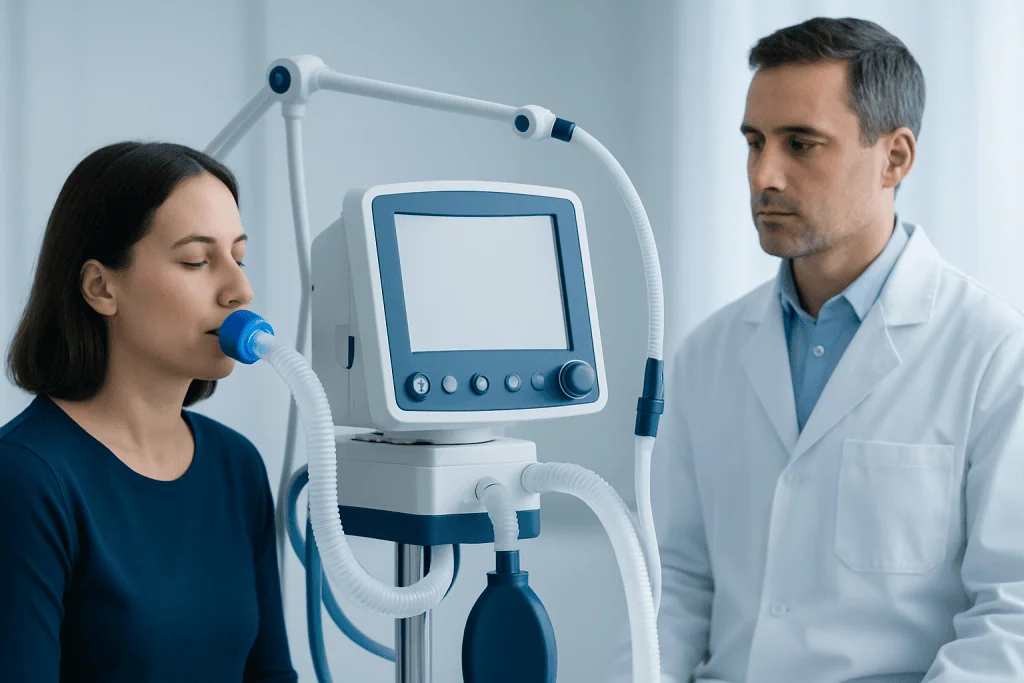
Anoro Ellipta contains two bronchodilators. Umeclidinium is a long-acting muscarinic antagonist, sometimes called a LAMA. It helps reduce tightening of the airway muscles by blocking signals that can cause the airways to narrow. Vilanterol is a long-acting beta2-agonist, or LABA, which helps relax airway muscles through a different pathway.
Because the two medicines work differently, they can complement each other and provide stronger airway opening than either medicine alone for some patients. This may improve lung function, make daily activities easier, and lower the burden of persistent symptoms.
The medicine is inhaled directly into the lungs using the Ellipta device. Delivering the treatment straight to the airways helps target the area where it is needed. As with many inhaled therapies, benefit depends not only on the medicine itself but also on using the device correctly and consistently.
Who may benefit from Anoro Ellipta

Anoro Ellipta is commonly prescribed for adults with COPD who need regular symptom control. It may be considered when a person continues to have breathlessness or activity limitation despite treatment with a single long-acting bronchodilator, or when a clinician believes dual bronchodilation is appropriate from the start.
It is not approved as a rescue medicine for sudden shortness of breath. It is also not used to treat asthma unless a specialist specifically recommends a different evidence-based approach. People with overlapping respiratory conditions should be assessed carefully so the most suitable inhaler plan can be chosen.
Clinicians typically select inhalers based on the person’s symptoms, lung function, history of flare-ups, other medical conditions, and ability to use the inhaler device. In some cases, patients with more complex disease may need additional options such as inhaled corticosteroid combinations, oxygen therapy, or structured support through pulmonary rehabilitation.
How to use Anoro Ellipta correctly
Anoro Ellipta is generally taken once daily, at the same time each day if possible. The exact instructions come from the prescribing clinician and the product information leaflet. Patients should not take extra doses to relieve sudden symptoms, since this inhaler is not designed for emergency relief.
Good technique matters. In general, the device is prepared by opening the cover, which readies a dose. The patient then exhales away from the inhaler, seals their lips around the mouthpiece, inhales steadily and deeply, and holds their breath briefly if comfortable before exhaling. The device should be kept dry and used exactly as instructed.
If symptoms seem unchanged, the cause is not always the medicine itself. Missed doses, incorrect technique, worsening COPD, or another condition may be responsible. A clinician or respiratory therapist can review inhaler technique, and some patients also need tests such as spirometry to assess how well the lungs are functioning over time.
- Use it exactly as prescribed, usually once daily.
- Do not use it as a rescue inhaler during sudden breathing difficulty.
- Keep any prescribed quick-relief inhaler available.
- Ask for a demonstration if the inhaler steps are unclear.
Possible side effects and safety considerations
Like all medicines, Anoro Ellipta can cause side effects, although not everyone experiences them. Commonly reported effects may include sore throat, cough, sinus symptoms, constipation, dry mouth, or muscle spasms. Some people may notice a change in taste or mild irritation after inhalation.
Because the medicine affects airway and nerve signaling, it may also need extra caution in people with certain medical conditions. These can include heart rhythm problems, high blood pressure, narrow-angle glaucoma, urinary retention, or an enlarged prostate. The prescribing clinician should know about all current conditions and medicines, including over-the-counter products.
More serious reactions are less common but need prompt medical attention. These can include worsening breathing right after use, signs of an allergic reaction, chest pain, a racing heartbeat, severe eye pain or blurred vision, or difficulty passing urine. Patients should seek urgent help if breathing suddenly becomes much worse, especially if a rescue inhaler is not helping.
Important precautions, interactions, and follow-up
Before starting Anoro Ellipta, patients should review their full medication list with a doctor or pharmacist. Certain drugs may interact with inhaled bronchodilators, including some other long-acting inhalers, medicines that affect heart rhythm, and particular antidepressants or antifungal treatments. This helps reduce the risk of duplicate therapy or side effects.
Regular follow-up is important in COPD care. A clinician may ask about symptom control, rescue inhaler use, sleep, exercise tolerance, and flare-ups. Periodic lung function review can help show whether the treatment plan is working well. If symptoms continue or worsen, another inhaler type or a broader respiratory evaluation may be needed.
Some patients also require assessment for related conditions such as sleep problems, frequent infections, or low oxygen levels. Depending on the situation, care may include imaging, oxygen assessment, smoking cessation support, or advanced treatment planning. In selected cases, a respiratory team may discuss broader options available through COPD treatment.
Self-care strategies that support treatment
Medication often works best when paired with practical self-care. Stopping smoking is one of the most important steps for slowing COPD progression. Avoiding secondhand smoke, workplace fumes, and air pollutants may also help reduce irritation and symptom burden.
Physical activity, tailored to the person’s abilities, can improve stamina and confidence. Pulmonary rehabilitation programs often teach breathing techniques, safe exercise, energy conservation, and ways to recognize flare-ups early. Staying up to date with vaccinations, especially seasonal respiratory vaccines recommended by a clinician, can help lower the risk of infections that may worsen COPD.
Nutrition, hydration, sleep, and careful use of prescribed medicines all matter. Patients should keep a written action plan if one has been provided, and they should know how to respond if symptoms start to change. If a person has repeated flare-ups or symptoms suggesting another airway condition, clinicians may also evaluate for related problems such as asthma when appropriate.
When to seek medical care
Medical review is important if breathlessness is becoming more frequent, daily activities are getting harder, or the rescue inhaler is needed more often than usual. These changes can suggest that COPD is not fully controlled or that another issue, such as infection or a flare-up, is developing.
Urgent medical care is needed for severe shortness of breath, blue lips, confusion, chest pain, fainting, or symptoms that do not improve with prescribed quick-relief treatment. Patients should also seek prompt advice if they develop side effects such as palpitations, severe eye pain, or trouble urinating.
For people seeking specialist respiratory care, Acibadem International’s multidisciplinary teams in JCI-accredited hospitals evaluate and treat COPD and related lung conditions for international patients. A respiratory specialist can help confirm the diagnosis, review inhaler technique, and decide whether the current treatment remains the right fit.
Frequently asked questions
What is Anoro Ellipta used for?
Anoro Ellipta is used for the long-term maintenance treatment of COPD in adults. It helps keep the airways more open over time to improve everyday breathing symptoms. It is not meant for sudden breathing attacks.
Is Anoro Ellipta a rescue inhaler?
No. Anoro Ellipta is a maintenance inhaler taken regularly, usually once daily, to support ongoing symptom control. People who need quick relief during sudden breathlessness usually require a separate rescue inhaler prescribed by their clinician.
Can Anoro Ellipta be used for asthma?
It is not used as a routine treatment for asthma in the same way it is used for COPD. Asthma treatment plans are different and need individual assessment. Anyone with asthma symptoms should speak with a qualified doctor before using this medication.
What are the most common side effects of Anoro Ellipta?
Common side effects may include sore throat, cough, dry mouth, constipation, or mild upper respiratory symptoms. Many side effects are manageable, but new or bothersome symptoms should still be discussed with a clinician. Sudden worsening of breathing after using the inhaler needs urgent medical attention.
How quickly does Anoro Ellipta work?
Some airway opening may begin relatively soon after a dose, but the medicine is intended for regular maintenance rather than rapid rescue. The main goal is steady, day-to-day symptom control with consistent use. Patients should follow their clinician’s instructions and not judge its value only by immediate sensations.
What should a patient do if they miss a dose?
They should follow the instructions provided by their clinician or the product leaflet. In general, patients should not take extra doses to make up for a missed one. If there is any uncertainty, a pharmacist or doctor can advise on the safest next step.
This article is for general information only and is not a substitute for professional medical advice. Please consult a qualified doctor about your individual situation.
Explore treatments in Turkey — costs, top hospitals & a free quote
JCI-accredited · board-certified surgeons · reply within 24h
Add us as a Preferred Source to see more of our trusted health content across Google Search, AI Overviews and Discover.

More from the Health Library

Packs Honey: A Complete Medical Overview

Cytopenia — Explained by Medical Evidence, Not Myths

Ins Eye: A Complete Medical Overview

Reflexes: A Complete Medical Overview

Paranoid: An Evidence-Based Guide for Patients