

Anteverted Uterus Explained: Causes, Management, and When to See a Doctor

An anteverted uterus is a common, normal uterine position. Most people with an anteverted uterus have no symptoms and need no treatment.
Key Takeaways
- An anteverted uterus is a common, normal uterine position.
- Most people with an anteverted uterus have no symptoms and need no treatment.
- Symptoms such as pelvic pain, painful periods, or pain during sex are often related to another condition rather than the uterine tilt itself.
- A pelvic exam or ultrasound can usually confirm uterine position.
- Medical care is important if symptoms are persistent, severe, or associated with unusual bleeding, fertility concerns, or pregnancy-related pain.
An anteverted uterus is a uterus that tilts forward toward the bladder rather than backward toward the spine. In most cases, this is a normal anatomical variation, does not affect health, and only needs attention if symptoms are present or another pelvic condition is suspected.
What an Anteverted Uterus Means
An anteverted uterus is a uterus that leans forward, toward the bladder. This is one of the most common uterine positions and is generally considered a normal finding rather than a disease. Many people only learn they have an anteverted uterus during a routine gynecologic examination or pelvic ultrasound.
The uterus can vary in position from person to person. In some individuals it tilts forward, while in others it tilts backward. These differences are part of normal anatomy, much like variations in body shape or height. On its own, an anteverted uterus usually does not cause health problems, infertility, or complications in everyday life.
Confusion often happens because terms such as “tilted uterus” are used broadly. A “tilted uterus” may refer to an anteverted uterus or a uterus that tilts backward, called a retroverted uterus. What matters most is whether the person has symptoms and whether another pelvic condition is present.
How Uterine Position Affects the Body
The uterus sits in the pelvis between the bladder and the rectum. When it is anteverted, its upper part angles forward. This position is common and usually allows the uterus to function normally during menstruation, sexual activity, conception, and pregnancy.
Uterine position alone does not usually change menstrual flow or reproductive health. In most cases, an anteverted uterus has no meaningful effect on fertility. If someone is having difficulty becoming pregnant, doctors usually look for other causes, such as ovulation disorders, fallopian tube problems, hormonal issues, or conditions affecting the uterine lining.
During pregnancy, the uterus naturally enlarges and rises out of the pelvis as the pregnancy progresses. A normally anteverted uterus generally adapts without issue. If pelvic symptoms occur, clinicians may investigate whether they are related to endometriosis, fibroids, pelvic infection, or another gynecologic problem rather than the forward tilt itself.
Possible Symptoms and What May Really Be Causing Them

Most people with an anteverted uterus do not have symptoms. When symptoms are present, it is important not to assume that the uterine position is the sole cause. Pelvic discomfort may be related to associated conditions that need proper evaluation.
Some people report symptoms such as:
- Pelvic pressure or discomfort
- Painful menstrual cramps
- Pain during intercourse
- A sensation of bladder pressure
- Lower back or pelvic aching
These symptoms are nonspecific, meaning they can happen with many different gynecologic or urinary conditions. For example, uterine fibroids may cause pressure, heavy bleeding, or pelvic pain. Other possible explanations include ovarian cysts, pelvic inflammatory disease, adenomyosis, or floor muscle tension.
If symptoms are new, persistent, or interfering with daily life, a medical review is useful. A clinician can assess whether the person’s discomfort is due to normal pelvic anatomy or whether another issue is present that may benefit from treatment.
Causes, Risk Factors, and Related Conditions
In many cases, an anteverted uterus is simply the way the uterus is naturally positioned. It may be present from adolescence onward and may never cause any concern. It is not usually considered a disorder, and there is often no single “cause” that needs to be identified.
The uterine angle can also change over time. Pregnancy, childbirth, aging, pelvic surgery, and changes in connective tissues may slightly influence pelvic anatomy. However, a forward-tilting uterus remains a common and often normal arrangement.
Doctors may pay closer attention when symptoms suggest an underlying pelvic condition. Conditions that can contribute to pain, pressure, or changes in pelvic anatomy include:
- Endometriosis
- Uterine fibroids
- Pelvic adhesions or scar tissue
- Adenomyosis
- Pelvic inflammatory disease
- Ovarian cysts
In these situations, the uterine position is only one part of the overall assessment. The focus is usually on identifying the true source of symptoms and choosing the most appropriate management plan.
How Doctors Diagnose an Anteverted Uterus
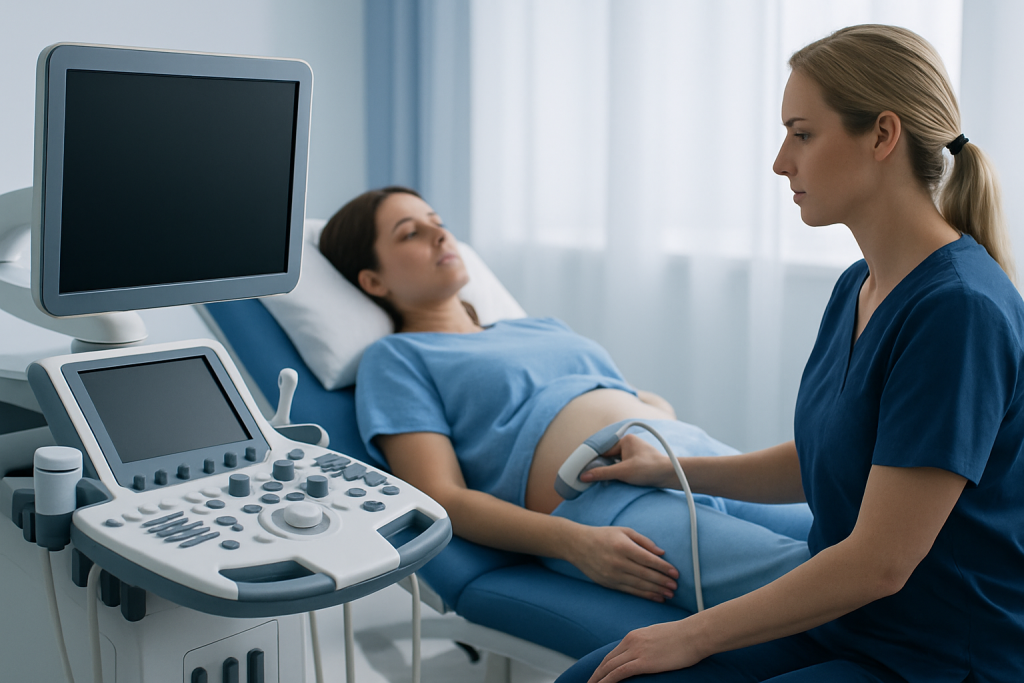
An anteverted uterus is usually diagnosed during a pelvic examination or an imaging test. During a pelvic exam, a gynecologist can often assess the uterus’s size, shape, and direction. If further clarification is needed, a pelvic ultrasound is commonly used.
Ultrasound is a practical and widely available way to look at the uterus and surrounding organs. It can confirm uterine position and also help detect fibroids, ovarian cysts, or signs of other pelvic conditions. In some cases, additional imaging may be recommended if symptoms are complex or if a different diagnosis is being considered.
Diagnosis is not only about naming the uterine angle. A clinician will also ask about menstrual patterns, pelvic pain, bladder symptoms, bowel symptoms, sexual discomfort, fertility concerns, and pregnancy history. This broader picture helps separate a normal anatomical finding from a symptom-causing condition.
If heavy bleeding, severe pain, or a pelvic mass is suspected, further evaluation may be advised. Depending on the situation, this may include blood tests, more detailed imaging, or specialist gynecologic assessment.
Treatment and Management Options
An anteverted uterus that causes no symptoms does not need treatment. Reassurance is often the most appropriate approach. Many patients benefit simply from understanding that this is usually a normal variation in anatomy.
If symptoms are present, treatment depends on the underlying cause rather than the uterine position alone. For example, menstrual pain may be managed with conservative care, while fibroids, endometriosis, or ovarian cysts may need targeted treatment. Management may include observation, medication, pelvic floor support, or minimally invasive procedures when appropriate.
When another gynecologic condition is diagnosed, a doctor may discuss options such as laparoscopy for diagnosis or treatment of pelvic disorders, or hysteroscopy if the uterine cavity needs direct evaluation. In selected cases involving larger structural problems, procedures such as myomectomy may be considered for fibroids.
For people trying to conceive, treatment focuses on any identified fertility factor rather than the anteverted position itself. If pregnancy has not occurred after an appropriate period of trying, fertility assessment may be recommended, and some individuals may benefit from IVF treatment depending on the cause.
Self-care, Daily Life, and Reproductive Questions
Most people with an anteverted uterus can continue normal activities without restrictions. Exercise, sexual activity, work, and travel are usually unaffected. There is no special posture, diet, or home remedy required simply because the uterus tilts forward.
If pelvic discomfort occurs, general self-care may help while medical advice is being arranged. This can include using a heating pad for menstrual cramps, staying physically active as tolerated, keeping track of symptom patterns, and noting whether pain is linked to periods, sex, urination, or bowel movements. A symptom diary can be helpful during a gynecology visit.
Questions about fertility and pregnancy are common. An anteverted uterus by itself usually does not reduce the chance of conception and is not generally considered a barrier to pregnancy. If there are concerns about infertility, recurrent pregnancy loss, or ongoing pelvic pain, an individualized evaluation is more useful than focusing on uterine position alone.
Near the end of the care pathway, some patients prefer a multidisciplinary review, especially if symptoms overlap with fertility, surgery, and pelvic pain concerns. Acibadem International’s multidisciplinary specialists and JCI-accredited hospitals diagnose and treat gynecologic conditions for international patients when further assessment is needed.
When to Seek Medical Care
Although an anteverted uterus is usually harmless, medical advice is important if symptoms are significant or persistent. A gynecologic review can help identify whether another condition is responsible and whether treatment would improve comfort or reproductive health.
It is sensible to seek medical care if there is:
- Severe or worsening pelvic pain
- Heavy or irregular bleeding
- Pain during sex that continues or worsens
- Difficulty becoming pregnant
- A new feeling of pelvic fullness or pressure
- Fever, unusual vaginal discharge, or signs of infection
- Pain during pregnancy or sudden abdominal pain
Urgent assessment is especially important for sudden severe pain, fainting, heavy bleeding, or symptoms that suggest pregnancy complications or infection. In these situations, prompt evaluation helps rule out emergencies and ensures that appropriate care is provided quickly.
Frequently asked questions
Is an anteverted uterus normal?
Yes. An anteverted uterus is a common and normal uterine position in which the uterus tilts forward toward the bladder. Most people with this anatomy have no symptoms and do not need treatment.
Can an anteverted uterus cause pain?
By itself, an anteverted uterus usually does not cause pain. If pain is present, doctors often look for other causes such as endometriosis, fibroids, ovarian cysts, infection, or pelvic floor problems.
Does an anteverted uterus affect fertility?
In most cases, no. An anteverted uterus is not generally considered a cause of infertility. If pregnancy is difficult to achieve, a doctor will usually evaluate ovulation, fallopian tubes, hormones, sperm factors, and uterine health more broadly.
Can someone with an anteverted uterus have a healthy pregnancy?
Yes. An anteverted uterus usually supports a normal pregnancy and typically causes no special problems related to its position. As pregnancy progresses, the uterus naturally enlarges and changes within the pelvis and abdomen.
How is an anteverted uterus diagnosed?
It is commonly identified during a pelvic exam or with a pelvic ultrasound. These assessments help confirm the uterus's position and can also check for fibroids, cysts, or other pelvic conditions if symptoms are present.
Does an anteverted uterus need treatment?
Treatment is usually not needed if there are no symptoms. If symptoms exist, care is directed at the actual cause, which may or may not be related to another gynecologic condition.
References
- American College of Obstetricians and Gynecologists
- National Health Service
- Mayo Clinic
- Merck Manual Consumer Version
This article is for general information only and is not a substitute for professional medical advice. Please consult a qualified doctor about your individual situation.
Joint and spine care in Turkey — expert assessment & treatment
JCI-accredited · board-certified surgeons · reply within 24h
Add us as a Preferred Source to see more of our trusted health content across Google Search, AI Overviews and Discover.
Check your numbers in seconds
BMI, calories, due date, blood pressure and 30+ more clinical calculators — free, instant, doctor-reviewed ranges.

More from the Health Library



Related Specialists

Assoc. Prof. Dr. Diğdem Özer Etik
Gastroenterology
Psk. Oğuzhan Gürdoğan
Psychology
Dr. Yalçın Culha
Inpatient Clinic Physicians Clinical Service
Dr. Chasan Ismail Basa
Emergency Service