Anticipatory Anxiety — Explained by Medical Evidence, Not Myths

Anticipatory anxiety is future-focused fear, worry, or dread about what might happen. It may cause physical symptoms such as a fast heartbeat, nausea, sweating, tension, and trouble sleeping.
Key Takeaways
- Anticipatory anxiety is future-focused fear, worry, or dread about what might happen.
- It may cause physical symptoms such as a fast heartbeat, nausea, sweating, tension, and trouble sleeping.
- Occasional anticipatory anxiety is common, but persistent or severe symptoms may be part of an anxiety disorder.
- Treatment can include lifestyle changes, psychotherapy, and sometimes medication, depending on the person’s needs.
- Medical evaluation is important if symptoms are intense, long-lasting, or difficult to distinguish from another health condition.
Anticipatory anxiety is anxiety that builds before a future event or situation, even when no immediate danger is present. It can feel very real in the body and mind, but with the right understanding, coping strategies, and treatment, it is often manageable.
Overview: what anticipatory anxiety means
Anticipatory anxiety is the fear, tension, or dread a person feels while thinking about a future event. It is not simply “overthinking.” Medical evidence shows that the brain and body can react to expected stress in ways that closely resemble a real-time threat, even before anything has happened.
This type of anxiety may appear before a presentation, medical test, travel, social event, exam, or important life change. In many people, the feeling is temporary and proportionate to the situation. In others, it becomes intense, hard to control, or out of proportion to the actual risk, which can interfere with sleep, concentration, relationships, work, or daily activities.
Anticipatory anxiety is not a formal diagnosis by itself, but it is a common feature of several mental health conditions, including generalized anxiety disorder, panic disorder, social anxiety disorder, phobias, and post-traumatic stress-related symptoms. It can also overlap with health concerns that cause similar physical sensations, so a careful evaluation may be helpful.
How it feels in the body and mind
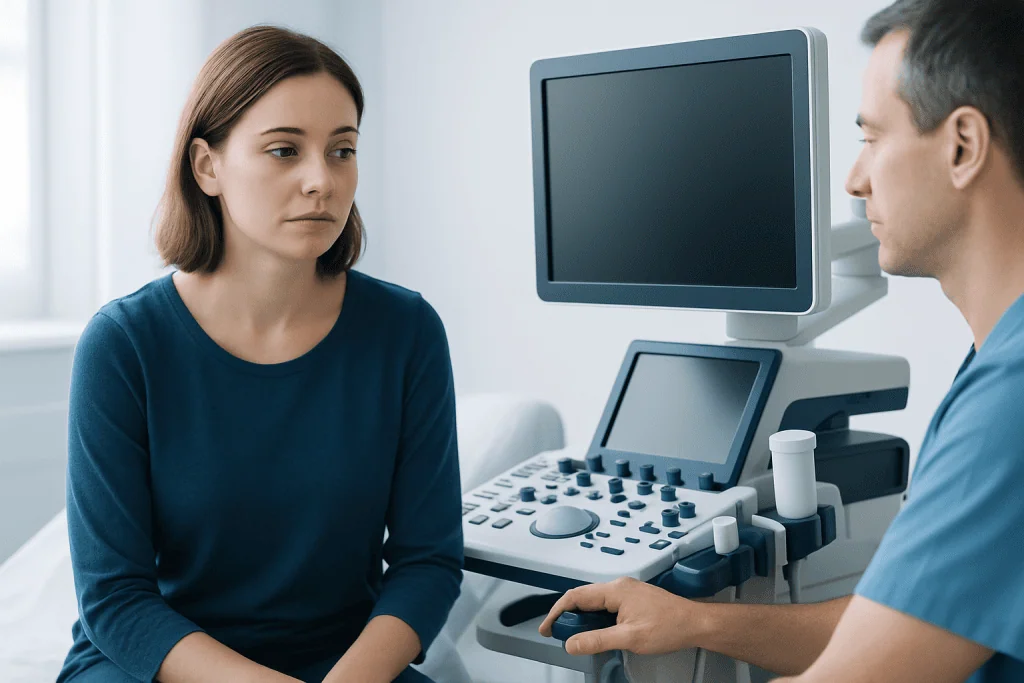
Anticipatory anxiety often combines emotional, cognitive, and physical symptoms. A person may feel restless, on edge, uneasy, or preoccupied by worst-case scenarios. Thoughts may become repetitive and hard to switch off, especially in the hours or days leading up to a feared event.
Physical symptoms are also common because anxiety activates the body’s stress response. These may include a racing heart, shaky hands, sweating, stomach discomfort, nausea, diarrhea, dry mouth, muscle tightness, chest tightness, shortness of breath, dizziness, flushing, headache, or trouble sleeping. For some people, these sensations become the main source of fear, creating a cycle in which worry about symptoms leads to more symptoms.
Common signs include:
- Persistent worry about a future event
- Difficulty concentrating or feeling mentally “stuck”
- Irritability or feeling easily overwhelmed
- Avoiding places, people, or tasks linked to the feared situation
- Seeking repeated reassurance
- Changes in appetite or sleep
Because these symptoms can resemble other conditions, they should not be dismissed automatically as anxiety. For example, heart rhythm problems, asthma, thyroid disorders, and some medication effects may cause similar sensations and deserve medical attention when appropriate.
Why anticipatory anxiety happens

From a medical perspective, anticipatory anxiety involves the brain’s threat-detection and stress-regulation systems. When a person imagines a possible negative outcome, the body may release stress hormones and activate the “fight, flight, or freeze” response. This reaction can be useful in genuinely risky situations, but it may become overactive when the brain overestimates danger or underestimates the ability to cope.
Past experiences strongly influence this process. A previous panic attack, embarrassing social event, traumatic experience, painful procedure, or medical scare can teach the brain to expect harm in similar situations. Over time, the person may become more alert to signs of danger and more likely to interpret uncertainty as threatening.
Several factors can increase the likelihood of anticipatory anxiety:
- Personal or family history of anxiety, panic, depression, or trauma-related conditions
- High stress levels, burnout, grief, or major life transitions
- Chronic illness or fear related to health symptoms and test results
- Sleep deprivation, excess caffeine, alcohol, or stimulant use
- Certain personality traits, such as perfectionism or intolerance of uncertainty
- Learned avoidance behaviors that temporarily reduce fear but reinforce it over time
In some people, anticipatory anxiety is part of a broader pattern such as an anxiety disorder or recurring panic attacks. Understanding the pattern matters because effective treatment often focuses not only on the trigger itself, but also on the habits of thinking, avoidance, and body sensitivity that maintain the cycle.
How doctors evaluate it
Diagnosis begins with a clinical conversation rather than a single test. A doctor or mental health professional typically asks what situations trigger the anxiety, how long symptoms last, how severe they are, whether they affect daily life, and whether the person avoids important activities because of them. They may also ask about sleep, mood, trauma history, substance use, medications, and family history.
An important part of evaluation is distinguishing anxiety from other medical conditions or identifying when both are present. Depending on symptoms, a clinician may recommend a physical examination or basic tests to rule out concerns such as thyroid disease, anemia, medication side effects, heart rhythm disturbances, or respiratory problems. This helps ensure that treatment addresses the full picture.
Clinicians also look for patterns that suggest a specific anxiety disorder. Anticipatory anxiety before social situations may point toward social anxiety; fear before leaving home may relate to agoraphobia; intense worry before health tests may overlap with health anxiety. If sleep problems are a major issue, broader assessment may include sleep disorders because poor sleep can worsen anxiety and make coping harder.
Screening tools and questionnaires may support the evaluation, but they do not replace professional judgment. If symptoms are persistent, distressing, or disabling, an individualized assessment is the safest way to understand what is happening and what kind of care is most likely to help.
Treatment options supported by evidence
Treatment depends on symptom severity, duration, triggers, and the person’s overall health. Mild anticipatory anxiety may improve with education, stress management, sleep support, and practical coping skills. When symptoms are frequent or disruptive, psychotherapy is often the first-line treatment because it helps people change the patterns that drive anxiety over time.
Cognitive behavioral therapy is one of the most studied approaches. It helps a person identify unhelpful predictions, test fearful assumptions, reduce avoidance, and respond differently to body sensations and uncertainty. For some people, guided exposure techniques are helpful: instead of continually escaping or postponing feared situations, the person gradually and safely faces them in a structured way. These approaches may be part of broader psychiatric care or psychological support.
Medication may also be considered, especially when anxiety is severe, persistent, or linked to another mental health condition. A qualified doctor decides whether medicine is appropriate after reviewing symptoms, medical history, and possible side effects. Medication is usually most effective when combined with therapy and self-care rather than used as the only strategy.
Some patients also benefit from coordinated care if symptoms overlap with other health concerns, such as palpitations, dizziness, or shortness of breath. In selected cases, doctors may recommend tests or referrals such as a medical check-up or, when sleep problems strongly contribute, sleep evaluation. Near the end of the care journey, many patients do well with a plan that includes follow-up, relapse prevention, and practical steps for future triggers.
Self-care strategies that can reduce the cycle
Self-care does not mean ignoring symptoms or forcing positive thinking. The goal is to reduce the body’s stress load, increase tolerance of uncertainty, and break the link between fear and avoidance. Simple strategies can make a meaningful difference when practiced consistently.
Helpful approaches include:
- Regular sleep and wake times, with reduced screen use before bed
- Limiting caffeine, nicotine, alcohol, and other substances that may intensify anxiety
- Steady meals and hydration, since hunger and dehydration can worsen physical symptoms
- Daily movement such as walking, stretching, or other doctor-approved exercise
- Breathing exercises, grounding techniques, or mindfulness practices to calm the stress response
- Breaking feared tasks into smaller steps rather than postponing them repeatedly
- Setting a time-limited “worry period” instead of worrying all day
It is also useful to notice reassurance-seeking behaviors. Repeatedly searching symptoms online, checking messages, asking others for constant confirmation, or mentally replaying worst-case scenarios may provide short relief but often strengthens the anxiety cycle. Keeping a written plan for upcoming triggers can be more effective than trying to feel completely certain before taking action.
For people whose anxiety is linked to major events such as surgery, travel, or test results, preparation can help. This might include gathering reliable information, planning transportation, rehearsing practical steps, and discussing concerns with a healthcare team. The aim is not to eliminate all fear, but to make the situation feel more manageable.
When to seek medical care
Medical care is appropriate when anticipatory anxiety is intense, lasts for weeks, returns often, or begins to affect work, school, relationships, sleep, or day-to-day functioning. A person should also seek help if they start avoiding necessary medical appointments, travel, social contact, or routine responsibilities because of fear about what might happen.
Prompt evaluation is especially important if symptoms include chest pain, fainting, severe shortness of breath, new heart palpitations, or symptoms that could reflect another medical problem. It is also important to seek professional support if anxiety occurs together with depression, substance misuse, traumatic memories, or feelings of hopelessness.
Emergency help is needed if a person is at risk of self-harm, expresses suicidal thoughts, or cannot stay safe. In non-emergency situations, starting with a primary care doctor, psychiatrist, or psychologist is often the best next step. Acibadem International’s multidisciplinary specialists and JCI-accredited hospitals diagnose and treat anxiety-related conditions for international patients when further evaluation or coordinated care is needed.
Frequently asked questions
Is anticipatory anxiety normal before important events?
Yes. Many people feel some anxiety before exams, travel, interviews, procedures, or public speaking. It becomes a concern when it is unusually intense, persists for a long time, or leads to major distress, avoidance, or physical symptoms that disrupt daily life.
Can anticipatory anxiety cause real physical symptoms?
Yes. Anxiety can activate the body’s stress response and cause symptoms such as a rapid heartbeat, sweating, nausea, dizziness, shaking, and muscle tension. These symptoms are real, but because they can also occur in medical conditions, persistent or severe symptoms should be assessed by a doctor.
Is anticipatory anxiety the same as an anxiety disorder?
Not exactly. Anticipatory anxiety is a symptom pattern, not a diagnosis on its own. It may occur occasionally in healthy stress responses or appear as part of conditions such as generalized anxiety disorder, panic disorder, social anxiety disorder, or phobias.
How is anticipatory anxiety treated?
Treatment usually depends on severity and how much the symptoms affect daily functioning. Common options include cognitive behavioral therapy, stress-management strategies, sleep improvement, and sometimes medication prescribed by a qualified clinician.
Can lifestyle changes help, or is professional treatment always necessary?
Lifestyle changes can help many people, especially when symptoms are mild or linked to temporary stress. Better sleep, reduced caffeine, regular exercise, and structured coping skills may lower anxiety, but professional treatment is often helpful if symptoms are persistent, severe, or hard to manage alone.
When should someone worry that it might be something other than anxiety?
A medical evaluation is important if symptoms are new, severe, or unusual, or if they include chest pain, fainting, significant shortness of breath, or irregular heartbeat. It is also wise to seek care when physical symptoms occur without a clear trigger or do not improve with standard anxiety-management strategies.
References
- World Health Organization
- National Institute of Mental Health
- American Psychiatric Association
- National Health Service
- Mayo Clinic
This article is for general information only and is not a substitute for professional medical advice. Please consult a qualified doctor about your individual situation.
Explore treatments in Turkey — costs, top hospitals & a free quote
JCI-accredited · board-certified surgeons · reply within 24h
Add us as a Preferred Source to see more of our trusted health content across Google Search, AI Overviews and Discover.