Antifungal Ointment Jock Itch: An Evidence-Based Guide for Patients

Jock itch is usually a fungal skin infection of the groin called tinea cruris. Antifungal creams, ointments, sprays, or powders can work, but the exact product and treatment length matter.
Key Takeaways
- Jock itch is usually a fungal skin infection of the groin called tinea cruris.
- Antifungal creams, ointments, sprays, or powders can work, but the exact product and treatment length matter.
- Keeping the groin clean, dry, and cool helps treatment work better and lowers the chance of recurrence.
- Not every groin rash is jock itch; eczema, psoriasis, irritation, and yeast can look similar.
- Medical advice is important if the rash is painful, widespread, recurrent, or not improving after appropriate treatment.
Antifungal ointment for jock itch can be effective when the rash is truly caused by a fungal infection and the product is used as directed for long enough. Patients often improve with over-the-counter treatment, but persistent, severe, or unclear rashes should be assessed by a clinician.
Overview: does antifungal ointment help jock itch?
Antifungal ointment jock itch treatment can help if the rash is caused by a dermatophyte fungus, the usual cause of jock itch. In many mild cases, a nonprescription antifungal applied to the affected skin and surrounding area improves itching, redness, and scaling over time. The key is choosing a suitable antifungal product and using it consistently for the full recommended period, even if the skin starts to look better sooner.
Jock itch, also called tinea cruris, commonly affects the inner thighs, groin folds, and nearby skin. It often develops in warm, moist areas and may occur alongside athlete’s foot, because the same group of fungi can infect both sites. Patients who sweat heavily, wear tight clothing, exercise often, or stay in damp clothes for long periods may be more likely to develop it.
Although many people search specifically for an ointment, creams, gels, sprays, and powders may also be used. Ointments can feel heavier and may trap moisture in some cases, so a cream or powder is sometimes preferred for skin folds. If the rash is not actually fungal, an antifungal may not help, which is why correct diagnosis matters in persistent or unusual cases.
What jock itch looks and feels like
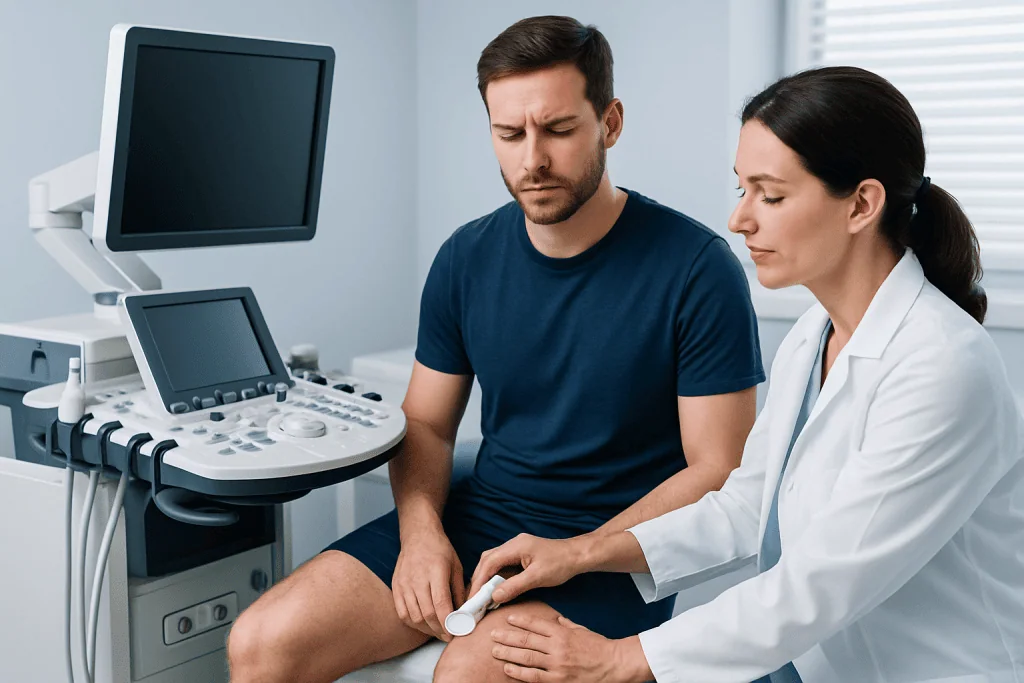
Jock itch usually causes an itchy, red, and often scaly rash in the groin area. The rash frequently starts in one skin fold and may spread to the inner thighs or buttock area. The edge may look more active than the center, creating a ring-like or sharply bordered appearance. Burning, stinging, and discomfort with sweating or walking can also occur.
In many patients, the scrotum is less affected than the surrounding groin and thigh skin, which can help distinguish jock itch from some other rashes. However, appearances vary, especially after scratching, use of multiple products, or a partially treated infection. A fungal groin rash may become darker or lighter than the surrounding skin as it heals.
Symptoms that can appear with jock itch include:
- Itching in the groin or upper inner thighs
- Red, brown, or darker discolored patches depending on skin tone
- Scaling, flaking, or peeling skin
- A raised border around the rash
- Burning or irritation worsened by exercise or heat
Because several conditions can mimic one another, it can be helpful to learn more about common skin diseases that may affect body folds and sensitive skin areas.
Choosing an antifungal product: ointment, cream, or powder?

For most uncomplicated cases, topical antifungal treatment is the first step. Patients may see products labeled as ointments, creams, lotions, sprays, or powders. The active medicine matters more than the form alone. Common nonprescription antifungals include clotrimazole, miconazole, terbinafine, and butenafine. Some are applied once daily, while others are used twice daily, depending on the product instructions.
When patients search for antifungal ointment jock itch relief, it is worth knowing that ointments are not always the best texture for the groin. Because ointments are oily and occlusive, they may feel soothing on dry skin but can also hold in moisture. Creams or powders are often easier to use in warm, sweaty skin folds. Powders may be especially helpful after the active rash improves, as part of moisture control.
Combination products that include a corticosteroid deserve extra caution. A steroid can reduce redness and itching quickly, but it may also mask infection, thin the skin with repeated use, or worsen certain fungal rashes if not used appropriately. If symptoms are severe, recurrent, or uncertain, a dermatologist can confirm the diagnosis and recommend a tailored plan, including dermatology evaluation and treatment when needed.
Whatever product is chosen, it is usually applied beyond the visible edge of the rash because fungi can extend into skin that still looks normal. Hands should be washed before and after application, and treatment should continue for the full course listed on the packaging or advised by a clinician.
Causes, spread, and risk factors
Jock itch is most often caused by fungi that thrive in warm, damp environments. These organisms can spread through direct skin contact, shared towels, clothing, sports gear, or contaminated surfaces such as locker room floors. In some patients, the infection starts on the feet and is transferred to the groin by hands or clothing. Treating athlete’s foot at the same time may help prevent repeated groin infections.
Several factors make jock itch more likely. Heavy sweating, hot weather, tight or nonbreathable underwear, obesity, and prolonged friction all create ideal conditions for fungal growth. People with diabetes or weakened immune defenses may also be more prone to skin infections and may need closer follow-up if symptoms develop.
Risk may increase with:
- Regular sports activity or gym use
- Staying in wet swimsuits or sweaty workout clothes
- Sharing towels or personal items
- Existing fungal infections such as athlete’s foot
- Frequent skin rubbing in the groin folds
If a patient has other ongoing skin concerns, a broader assessment for dermatitis or other inflammatory rashes may be useful, especially when antifungal treatment has not worked as expected.
When antifungal treatment may not work
Not every groin rash is jock itch. Conditions such as candidal intertrigo, contact dermatitis, eczema, inverse psoriasis, bacterial infection, and friction rash can look similar. If the rash is caused by irritation from soaps, shaving products, or clothing, antifungal ointment will not solve the problem. In some cases, using the wrong product can further irritate already sensitive skin.
Another common reason for poor results is incorrect use. Stopping treatment too early, applying too little medication, or not treating nearby athlete’s foot can allow the infection to persist. Moisture also matters. Even a good antifungal may work slowly if the area remains constantly sweaty or covered by tight clothing.
Occasionally, resistant infection or extensive disease requires prescription treatment. A clinician may suggest a stronger topical medicine or oral antifungal therapy if the rash is widespread, recurrent, or severe. If there is uncertainty about the diagnosis, testing or specialist review may be recommended before moving to stronger therapy.
Diagnosis and medical treatment options
Doctors often diagnose jock itch by examining the rash and asking about symptoms, sweating, sports participation, and any history of athlete’s foot. In many cases, the appearance is typical. If the diagnosis is unclear, a clinician may gently scrape some scale from the skin for microscopy or send a sample for fungal testing. This can help distinguish tinea from yeast, eczema, or psoriasis.
Treatment usually begins with a topical antifungal, but the exact choice depends on the pattern and severity of the rash. If the skin is very inflamed, broken, infected, or has not improved with over-the-counter treatment, prescription care may be needed. Oral antifungal medicine is sometimes used for extensive disease, repeated recurrences, or infections that do not respond to topical therapy alone.
Sometimes clinicians also look for related conditions, especially if the rash keeps returning. For example, untreated athlete’s foot can act as a reservoir for reinfection, and blood sugar problems may affect skin health. In selected cases, broader skin or internal medicine assessment may be appropriate, along with supportive services such as a medical check-up to review underlying risk factors.
Near the end of a patient’s care journey, some may seek specialist support in international centers. Acibadem International’s multidisciplinary specialists and JCI-accredited hospitals diagnose and treat skin and fungal conditions for international patients when further assessment is needed.
Self-care and prevention during recovery
Good daily habits make a major difference both during treatment and after the rash clears. The groin should be washed gently, dried carefully, and kept as cool and dry as possible. After exercise or sweating, changing into dry underwear and clothing promptly can reduce moisture that supports fungal growth. Loose, breathable fabrics are often more comfortable than tight synthetic materials.
Patients should avoid sharing towels, underwear, or athletic equipment that touches the skin. Towels and clothes should be washed regularly, and feet should be treated if athlete’s foot is present. Putting on socks before underwear may help reduce transfer of fungi from the feet to the groin in people who have both infections.
Helpful self-care steps include:
- Drying the groin thoroughly after bathing
- Using a clean towel each time
- Wearing moisture-wicking or cotton underwear
- Changing out of damp clothes quickly
- Continuing antifungal treatment for the full advised duration
- Considering medical advice for recurring fungal skin problems, including infectious diseases evaluation when infections are frequent or difficult to control
Patients should avoid applying strong perfumes, harsh antiseptics, or multiple home remedies to the rash, as these can irritate the skin and make diagnosis harder.
When to seek medical care
Many cases of jock itch improve with appropriate self-care and over-the-counter antifungal treatment, but medical review is important in certain situations. A patient should seek care if the rash is spreading quickly, very painful, draining, blistering, or associated with fever. These features can suggest another problem or a secondary bacterial infection.
Medical advice is also recommended if symptoms are not improving after the expected treatment period, if the diagnosis is uncertain, or if the rash keeps returning. People with diabetes, immune suppression, or very sensitive skin may benefit from earlier evaluation. Children, older adults, and anyone with widespread skin changes should also avoid prolonged self-treatment without professional input.
A doctor can confirm whether the rash is truly fungal and guide treatment that matches the cause. That may involve a topical medicine, advice on skin care and clothing, or evaluation for another condition if the appearance is not typical of jock itch.
Frequently asked questions
What is the best antifungal ointment for jock itch?
There is no single best product for every patient, but common topical antifungals such as clotrimazole, miconazole, terbinafine, and butenafine are often used. The right choice depends on the product's active ingredient, how often it is applied, skin sensitivity, and whether the rash is definitely fungal.
How long does antifungal treatment for jock itch usually take?
Many mild cases begin to feel better within days, but the full treatment course often lasts several weeks depending on the product. It is important to keep using the medication for the full recommended time, because stopping too early can allow the infection to return.
Can I use steroid cream with antifungal ointment for jock itch?
A steroid cream may reduce itching and redness, but it is not always appropriate and can sometimes make fungal rashes harder to recognize or manage. Patients should be cautious with combination products and seek medical advice if symptoms are severe, recurrent, or unclear.
Why does my jock itch keep coming back?
Recurrence can happen if the groin stays moist, treatment is stopped too soon, or athlete's foot remains untreated. Tight clothing, sweating, shared towels, and some underlying health conditions can also contribute to repeated infections.
Is jock itch always caused by fungus?
No. While classic jock itch is usually caused by a fungal infection, other conditions such as eczema, contact irritation, psoriasis, or yeast can look similar. That is why persistent or unusual rashes should be assessed by a clinician.
Should the groin be kept dry while using antifungal ointment?
Yes. Keeping the area clean and dry helps treatment work better and can reduce irritation. Patients often benefit from drying the area well after bathing, changing clothes after sweating, and wearing breathable underwear.
References
- American Academy of Dermatology
- Centers for Disease Control and Prevention
- National Health Service
- MedlinePlus
- Mayo Clinic
This article is for general information only and is not a substitute for professional medical advice. Please consult a qualified doctor about your individual situation.
Explore treatments in Turkey — costs, top hospitals & a free quote
JCI-accredited · board-certified surgeons · reply within 24h
Add us as a Preferred Source to see more of our trusted health content across Google Search, AI Overviews and Discover.