Anxiety or Heart Problem? Symptoms That Should Be Checked Promptly

Anxiety and heart conditions can both cause chest pain, fast heartbeat, sweating, and breathlessness. New, severe, or unexplained symptoms should not be assumed to be panic or stress.
Key Takeaways
- Anxiety and heart conditions can both cause chest pain, fast heartbeat, sweating, and breathlessness.
- New, severe, or unexplained symptoms should not be assumed to be panic or stress.
- Chest pressure, fainting, symptoms with exercise, or pain spreading to the arm, jaw, or back need urgent assessment.
- Doctors use history, examination, ECG, and sometimes blood tests or imaging to tell the difference.
- People with known anxiety can still develop a heart problem, so changes in symptom pattern matter.
Anxiety and heart problems can cause similar symptoms, including chest discomfort, palpitations, dizziness, and shortness of breath. Because the overlap can be difficult to judge without medical evaluation, warning signs should be checked promptly, especially if symptoms are new, severe, or occur with exertion.
Overview: Why anxiety and heart problems can feel similar
Many people wonder whether sudden chest discomfort, a racing heartbeat, or shortness of breath is caused by anxiety or by a heart problem. This confusion is understandable. The body’s stress response can create powerful physical sensations, and some heart conditions can produce symptoms that feel very similar to a panic attack.
During anxiety, the nervous system releases stress hormones that can increase heart rate, tighten muscles, change breathing patterns, and cause sweating or trembling. These changes are real physical responses, not “just in the mind.” At the same time, reduced blood flow to the heart, abnormal heart rhythms, and other cardiovascular conditions may also lead to chest pain, palpitations, lightheadedness, or breathlessness.
The most important message is simple: symptoms should be judged by a clinician, not by guesswork. It is not safe to assume that chest pain or a pounding heart is only anxiety, especially if symptoms are new, unusually intense, last longer than expected, or happen during physical activity. Prompt medical assessment helps rule out urgent problems and guides the right treatment, whether the cause is cardiac, psychological, or both.
Symptoms that can happen in both anxiety and heart conditions
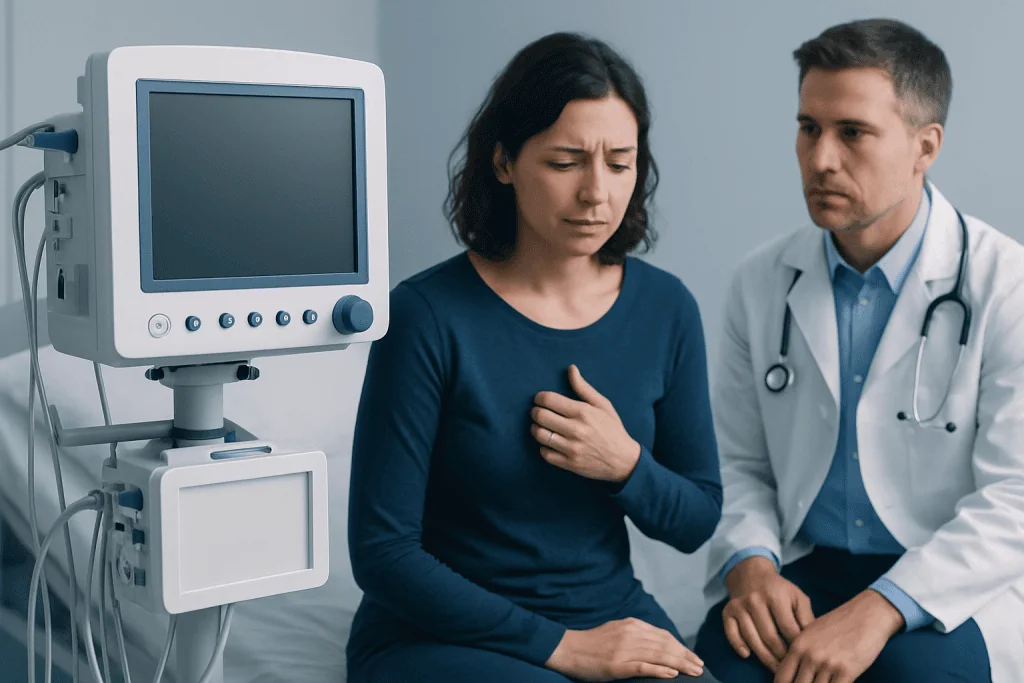
There is significant overlap between anxiety symptoms and heart-related symptoms. Both may cause chest tightness or pain, palpitations, a sensation of skipped beats, shortness of breath, sweating, nausea, dizziness, trembling, and a feeling of impending doom. This overlap is one reason self-diagnosis can be difficult.
Panic attacks often begin suddenly and may peak within minutes. A person may feel overwhelmed, frightened, detached, or convinced something terrible is happening. Hyperventilation can lead to tingling in the hands, around the mouth, or in the feet. Some people also notice a lump-in-the-throat feeling or chest wall soreness that becomes more noticeable with certain movements or deep breaths.
Heart problems can vary widely in how they appear. Some people feel pressure, heaviness, squeezing, or burning in the chest rather than sharp pain. Others may notice marked fatigue, shortness of breath when walking, reduced exercise tolerance, or irregular heartbeats. In older adults, women, and people with diabetes, symptoms may be less typical and more subtle.
- Common to both: chest discomfort, palpitations, sweating, dizziness, shortness of breath
- More suggestive of panic: sudden fear, tingling, rapid breathing, symptoms linked to emotional stress
- More suggestive of heart disease: symptoms during exertion, chest pressure, fainting, pain spreading to the arm, jaw, shoulder, or back
Warning signs that should be checked promptly

Some symptoms deserve urgent medical attention because they may point to a potentially serious heart problem. Chest pressure, tightness, or pain that is severe, lasts more than a few minutes, returns repeatedly, or starts during exercise should be assessed promptly. The same is true for chest symptoms that spread to the arm, shoulder, neck, jaw, or back.
Shortness of breath at rest, fainting, near-fainting, confusion, bluish lips, a very irregular heartbeat, or a fast heartbeat that does not settle should not be ignored. New swelling in the legs, sudden weakness, or symptoms accompanied by nausea and cold sweats also need prompt evaluation. When symptoms are intense or a person looks acutely unwell, emergency care is appropriate.
Risk factors matter too. Someone with high blood pressure, high cholesterol, diabetes, smoking history, obesity, known coronary artery disease, a family history of early heart disease, or previous heart rhythm problems should be especially cautious. Even in people with known anxiety, a new pattern of symptoms may signal something different and should not automatically be attributed to stress.
Clues doctors consider when telling the difference
No single symptom can perfectly separate anxiety from a heart condition, so doctors look at the whole picture. They ask when symptoms started, how long they lasted, what they felt like, what the person was doing at the time, and whether there were triggers such as stress, exercise, caffeine, illness, or poor sleep. They also review medications, family history, and past heart or mental health conditions.
Symptoms that consistently occur during emotional distress and improve with calming, slower breathing, or time may suggest anxiety. By contrast, discomfort triggered by walking, climbing stairs, or other physical exertion may raise more concern for a heart-related cause. Fainting, true collapse, or symptoms that wake someone from sleep may also require closer attention.
However, these clues are not enough by themselves. Panic attacks can happen without an obvious emotional trigger, and some heart conditions can occur even in younger or otherwise healthy people. Doctors therefore avoid relying on symptom pattern alone. If needed, they investigate further to exclude problems such as arrhythmia, angina, or other cardiovascular disorders.
How diagnosis is made
Evaluation usually starts with a physical examination and vital signs, including blood pressure, pulse, breathing rate, oxygen level, and temperature. A doctor may listen to the heart and lungs, check for signs of fluid retention, and look for clues such as chest wall tenderness or thyroid-related symptoms. The person’s age, medical history, and cardiovascular risk factors help guide the next steps.
Common tests include an electrocardiogram to assess heart rhythm and look for signs of reduced blood flow or prior heart injury. Blood tests may be used to check markers of heart muscle damage, blood counts, electrolytes, or thyroid function. Depending on the symptoms, further testing may include a chest X-ray, echocardiogram, stress testing, or Holter monitoring to record heart rhythm over a longer period.
If heart causes are ruled out, doctors may assess for panic disorder, generalized anxiety, or other mental health conditions. This does not mean the symptoms are unimportant. It means the body’s stress response is likely playing a major role, and treatment can focus on symptom relief, prevention, and improving quality of life. In some situations, specialist input from cardiology care or mental health services is helpful.
Treatment options depend on the cause
Treatment is based on the diagnosis. If symptoms are due to a heart condition, care may range from lifestyle changes and medicines to rhythm monitoring, procedures, or longer-term follow-up. For example, abnormal rhythms may require investigation and targeted treatment, while reduced blood flow to the heart may need medicines or procedures guided by a heart specialist.
If anxiety is the main cause, treatment often combines education, practical coping strategies, and psychological support. Many people benefit from cognitive behavioral therapy, breathing retraining, stress management, regular sleep habits, and reducing stimulants such as excess caffeine or nicotine. Some may also benefit from medication prescribed by a qualified clinician.
Sometimes both issues are present. A person may have anxiety that amplifies awareness of normal heartbeats, or a genuine heart rhythm problem that triggers anxiety. In these cases, treating both physical and emotional aspects usually gives the best results. Where symptoms suggest blocked arteries or a need for further cardiac assessment, doctors may consider advanced tests and procedures such as coronary angiography.
Self-care and prevention: what people can do safely
Self-care does not replace medical assessment, but it can support both heart health and emotional wellbeing. Regular physical activity, balanced nutrition, adequate sleep, good hydration, and avoiding tobacco all help reduce cardiovascular risk and may also lower anxiety symptoms over time. Managing blood pressure, cholesterol, and blood sugar is equally important.
For people prone to panic or stress-related symptoms, practical techniques may help during milder episodes once urgent causes have been excluded. These include sitting down, loosening tight clothing, breathing slowly and steadily, and focusing on a longer exhale. Keeping a symptom diary can also be useful. Noting the time, trigger, duration, associated feelings, and what helped can provide valuable information for a doctor.
It is wise to review stimulant use as well. Caffeine, energy drinks, nicotine, alcohol, some decongestants, and certain recreational substances can increase palpitations or anxiety. People should not start or stop heart or anxiety medicines without professional advice, but they can ask their doctor whether any medication side effects may be contributing to symptoms.
When to see a doctor
A doctor should be consulted promptly for chest symptoms, palpitations, unexplained breathlessness, fainting, or repeated dizziness, especially if these are new or changing. The same applies if symptoms interfere with daily life, happen during exercise, or occur in someone with known heart disease or strong cardiovascular risk factors. Recurrent panic-like episodes also deserve medical review, because effective help is available.
Emergency care is appropriate for severe chest pain, symptoms spreading to the arm or jaw, sudden shortness of breath, collapse, new confusion, or a rapid or irregular heartbeat with weakness or fainting. It is always better to be assessed and reassured than to delay care when warning signs are present.
After urgent causes are ruled out, follow-up still matters. Ongoing symptoms may need support from primary care, cardiology, or mental health professionals. Acibadem International’s multidisciplinary specialists in JCI-accredited hospitals also diagnose and treat heart and anxiety-related symptom concerns for international patients, with evaluation tailored to the individual’s symptoms and medical history.
Frequently asked questions
Can anxiety really cause chest pain?
Yes. Anxiety can cause chest tightness, aching, or sharp discomfort through muscle tension, rapid breathing, and the body’s stress response. Even so, chest pain should not automatically be assumed to be anxiety, especially if it is new, severe, or happens with exertion.
How can someone tell the difference between a panic attack and a heart attack?
The symptoms can overlap, so it is not always possible to tell without medical assessment. Chest pressure, pain spreading to the arm or jaw, fainting, or symptoms during activity are more concerning for a heart problem and need prompt evaluation.
Are palpitations always a sign of anxiety?
No. Anxiety is a common cause of palpitations, but abnormal heart rhythms, stimulant use, thyroid problems, dehydration, and some medicines can also cause them. Frequent, prolonged, or irregular palpitations should be checked by a doctor.
If a person has been diagnosed with anxiety before, can new symptoms still be heart-related?
Yes. Having anxiety does not protect someone from developing a separate heart condition. Any clear change in symptom pattern, intensity, duration, or trigger should be discussed with a healthcare professional.
What tests might a doctor order for these symptoms?
Common first tests include a physical examination, blood pressure and pulse checks, an ECG, and sometimes blood tests. Depending on the situation, a doctor may also recommend rhythm monitoring, an echocardiogram, stress testing, or chest imaging.
When should emergency help be sought?
Emergency care is appropriate for severe or persistent chest pain, pain spreading to the arm, jaw, or back, sudden shortness of breath, fainting, collapse, or a very fast or irregular heartbeat with weakness. If someone appears acutely unwell, it is safest to seek urgent medical attention immediately.
References
- American Heart Association
- National Heart, Lung, and Blood Institute
- National Institute of Mental Health
- Mayo Clinic
- European Society of Cardiology
This article is for general information only and is not a substitute for professional medical advice. Please consult a qualified doctor about your individual situation.
Explore treatments in Turkey — costs, top hospitals & a free quote
JCI-accredited · board-certified surgeons · reply within 24h
Add us as a Preferred Source to see more of our trusted health content across Google Search, AI Overviews and Discover.
Check your numbers in seconds
BMI, calories, due date, blood pressure and 30+ more clinical calculators — free, instant, doctor-reviewed ranges.