Anxiety Symptoms: Common Causes, Related Conditions, and When to See a Doctor
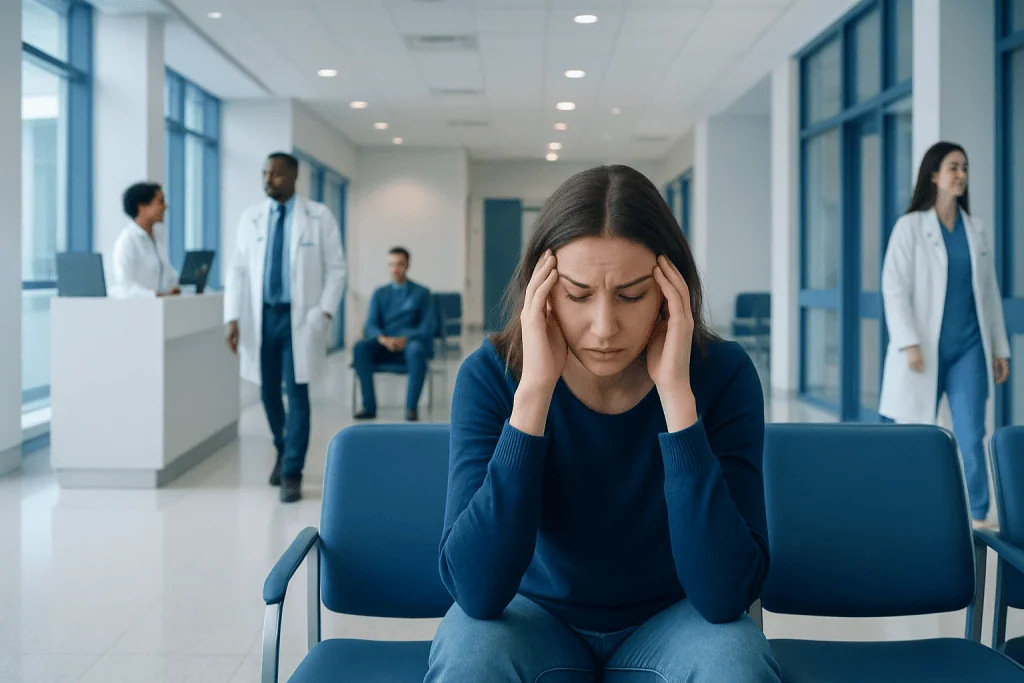
Anxiety symptoms may be emotional, physical, or behavioral, and they can vary from person to person. Short-term anxiety is common, but symptoms that are persistent, severe, or interfere with daily life should be assessed by a clinician.
Key Takeaways
- Anxiety symptoms may be emotional, physical, or behavioral, and they can vary from person to person.
- Short-term anxiety is common, but symptoms that are persistent, severe, or interfere with daily life should be assessed by a clinician.
- Conditions such as panic disorder, depression, thyroid problems, sleep disorders, and heart rhythm issues can overlap with anxiety symptoms.
- Diagnosis often includes a medical history, symptom review, and sometimes blood tests or heart testing to rule out other causes.
- Treatment may include psychotherapy, lifestyle changes, stress-management skills, and medication when appropriate.
- Urgent care is important if anxiety symptoms come with chest pain, fainting, trouble breathing, or thoughts of self-harm.
Anxiety symptoms can affect both mind and body, causing worry, restlessness, sleep problems, and physical changes such as a fast heartbeat or stomach discomfort. While occasional anxiety is a normal response to stress, frequent, intense, or disruptive symptoms may point to an anxiety disorder or another health condition that deserves medical attention.
Overview: what anxiety symptoms can feel like
Anxiety symptoms are the mind and body’s response to stress, uncertainty, or perceived danger. They can include emotional symptoms such as excessive worry, fear, irritability, or a sense of dread, as well as physical symptoms such as a racing heart, trembling, sweating, muscle tension, nausea, or difficulty sleeping. In many people, these symptoms are brief and improve once the stress passes.
Not all anxiety is a disorder. Feeling nervous before an exam, job interview, travel, or a major life change is a normal human experience. Anxiety becomes more concerning when symptoms are frequent, hard to control, out of proportion to the situation, or disruptive to work, school, relationships, or daily routines.
Because anxiety can mimic or accompany other medical problems, it is important to look at the full picture rather than focusing on one symptom alone. A clinician may consider mental health causes, physical health conditions, medications, caffeine or substance use, sleep quality, and life stressors before deciding what is most likely.
Common anxiety symptoms
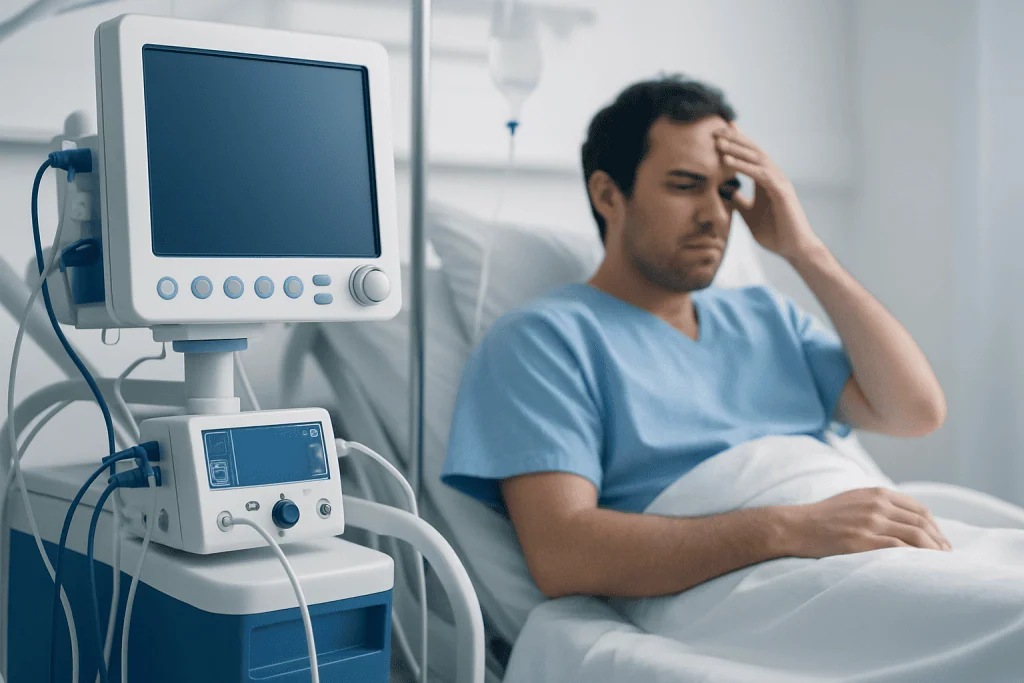
Anxiety symptoms can be grouped into emotional, physical, and behavioral patterns. Some people mainly notice racing thoughts and worry, while others are more affected by body symptoms such as chest tightness or stomach upset. Symptoms may come on gradually or appear suddenly, as can happen during a panic attack.
Common emotional and mental symptoms include ongoing worry, feeling on edge, difficulty concentrating, fear that something bad will happen, irritability, and trouble relaxing. Physical symptoms can include palpitations, fast breathing, sweating, dizziness, dry mouth, headaches, shaking, tingling, diarrhea, nausea, and fatigue. Behavioral signs may include avoiding certain places or situations, repeatedly seeking reassurance, or withdrawing from social activities.
- Feeling restless, tense, or unable to sit still
- Racing thoughts or a sense of losing control
- Rapid heartbeat or awareness of the heartbeat
- Shortness of breath or chest tightness
- Upset stomach, nausea, or changes in bowel habits
- Trouble falling asleep or waking often
- Avoidance of triggers such as crowds, travel, or public speaking
Panic symptoms deserve special mention. A panic attack is a sudden surge of intense fear or discomfort that may peak within minutes and can include chest pain, sweating, shaking, shortness of breath, dizziness, numbness, and a fear of dying or fainting. Although panic attacks can occur with anxiety disorders, similar symptoms can also happen with heart, breathing, or hormonal conditions, so first-time or severe episodes should be assessed carefully.
Common causes and triggers of anxiety symptoms

Anxiety symptoms often develop from a combination of factors rather than one single cause. Stressful life events, ongoing work pressure, financial concerns, grief, relationship difficulties, trauma, and major transitions can all act as triggers. Some people are also more biologically vulnerable because of family history, temperament, or previous mental health conditions.
Physical factors can play a role as well. Poor sleep, high caffeine intake, alcohol use, recreational drugs, nicotine, dehydration, and low blood sugar may worsen anxious feelings or create body sensations that feel alarming. Certain medicines, including some stimulants, decongestants, and steroids, may also contribute in some individuals.
In some cases, anxiety symptoms are linked to another health problem rather than a primary anxiety disorder. Examples include overactive thyroid disease, anemia, heart rhythm changes, asthma, chronic pain, and sleep disorders. This is one reason clinicians may look beyond stress alone when symptoms are new, severe, or unusual.
People who have repeated sudden episodes of fear may be evaluated for panic attack-related conditions, while persistent low mood, loss of interest, and anxiety together may overlap with depression. Identifying the right cause matters because treatment works best when it addresses the full picture.
Related conditions that can look like anxiety
Several health conditions can cause symptoms that resemble anxiety. For example, a rapid or irregular heartbeat may feel like panic, and dizziness or shortness of breath can be frightening even when the cause is not psychiatric. Clinicians may therefore consider medical explanations, especially when symptoms begin later in life, occur without clear triggers, or include unusual physical findings.
Heart and circulation problems, including rhythm disturbances, can sometimes cause palpitations, chest discomfort, or lightheadedness. If these symptoms are prominent, doctors may use tests such as an electrocardiogram and, when needed, further cardiology evaluation to rule out a cardiac cause. Breathing conditions, including asthma and hyperventilation patterns, can also create chest tightness and air hunger.
Endocrine and neurologic causes may also be considered. Thyroid disease, menopause-related hormonal changes, migraine, and some seizure-related events can overlap with anxious sensations. Sleep problems are especially important because insomnia and obstructive sleep apnea can increase irritability, fatigue, and difficulty coping with stress; in some cases, assessment by a sleep disorders center may be helpful.
At the same time, anxiety commonly exists alongside other mental health conditions, including depression, trauma-related disorders, obsessive-compulsive symptoms, and health anxiety. A careful evaluation aims to understand whether anxiety is the main diagnosis, part of another condition, or occurring together with one.
How doctors diagnose the cause of anxiety symptoms
Diagnosis starts with a detailed conversation. A doctor or mental health professional usually asks when the symptoms began, how often they happen, what seems to trigger them, and whether they interfere with sleep, work, school, or relationships. They may also ask about panic episodes, mood changes, trauma, substance use, medications, and family history.
A physical examination can help identify clues that point to another medical issue. Depending on the symptoms, doctors may recommend blood tests, such as thyroid function or screening for anemia, and sometimes heart or lung tests. This does not mean something serious is expected; it is simply a practical way to rule out common physical causes of anxiety-like symptoms.
When symptoms fit a pattern of generalized anxiety disorder, panic disorder, social anxiety disorder, or another anxiety condition, diagnosis is based on established clinical criteria. In some cases, patients may benefit from a broader check-up and diagnostics approach, especially when symptoms are persistent, mixed, or difficult to explain.
A clear diagnosis is helpful because anxiety symptoms are treatable. Once the likely causes and contributing factors are identified, the care plan can be tailored to the person’s needs, preferences, and overall health.
Treatment options and practical self-care
Treatment depends on the cause, severity, and impact of symptoms. For many people, the most effective approach combines education, psychological support, and practical lifestyle steps. Learning that anxiety can produce real physical sensations often reduces fear and helps people respond more calmly when symptoms occur.
Psychotherapy, especially cognitive behavioral therapy, is commonly used to help people understand anxious thought patterns, reduce avoidance, and build coping skills. Relaxation training, breathing techniques, mindfulness-based strategies, and gradual exposure to feared situations may also help. When symptoms are significant or persistent, clinicians may discuss psychiatry support and whether medication is appropriate.
Self-care can make a meaningful difference. Helpful measures include keeping a regular sleep schedule, reducing caffeine and nicotine, limiting alcohol, eating regular balanced meals, and staying physically active. Many people also benefit from structured stress management, such as journaling, therapy homework, scheduled breaks, or guided relaxation exercises.
It is important not to self-diagnose every episode as “just anxiety,” especially if symptoms are new or changing. If another health condition is contributing, treatment should address that condition too. Near the end of the care journey, some international patients may choose centers such as Acibadem International, where multidisciplinary specialists in JCI-accredited hospitals diagnose and treat anxiety-related and overlapping medical conditions.
Prevention and long-term symptom management
Anxiety cannot always be prevented, but some habits lower the chance that symptoms will become frequent or overwhelming. Predictable routines, adequate sleep, regular exercise, and balanced nutrition support the nervous system and improve resilience to stress. Even modest daily habits can reduce the intensity of anxiety symptoms over time.
It can also help to notice personal triggers. Some people are more sensitive to sleep loss, caffeine, conflict, social overload, or too much time spent reading distressing health information online. Tracking patterns in a notebook or phone can reveal what makes symptoms worse and what helps them settle.
Building support matters too. Talking with trusted family members, friends, or a therapist can reduce isolation and make it easier to seek help early. People with recurring symptoms often do best when they have a plan for flare-ups, including calming techniques, medical follow-up, and clear steps to take if symptoms change.
When to seek medical care
Medical care is appropriate when anxiety symptoms are persistent, worsening, or interfering with everyday life. A doctor should also be consulted if symptoms begin suddenly without an obvious trigger, first appear later in adulthood, or are accompanied by weight loss, fainting, fever, severe insomnia, or substance use concerns.
Urgent evaluation is important for chest pain, trouble breathing, fainting, new confusion, one-sided weakness, seizures, or a very rapid or irregular heartbeat. These symptoms should not automatically be assumed to be anxiety, especially if they are new, severe, or different from past episodes.
Immediate mental health support is needed if anxiety comes with thoughts of self-harm, hopelessness, or inability to stay safe. Reaching out to emergency services, a crisis line, or a local mental health professional can be a vital first step. Early support is a sign of good care, not weakness.
Frequently asked questions
What are the most common anxiety symptoms?
Common anxiety symptoms include excessive worry, feeling tense or restless, trouble concentrating, poor sleep, and irritability. Physical symptoms may include a racing heart, sweating, shaking, dizziness, chest tightness, nausea, or stomach upset.
Can anxiety symptoms be physical even if nothing dangerous is happening?
Yes. Anxiety can activate the body’s stress response, leading to real physical sensations such as palpitations, rapid breathing, muscle tension, and digestive discomfort. Even when the trigger is emotional, the symptoms are genuine and can feel intense.
How can someone tell the difference between anxiety and a heart problem?
It is not always possible to tell based on symptoms alone, because both can cause chest discomfort, shortness of breath, and palpitations. New, severe, prolonged, or unusual symptoms should be checked by a doctor, especially if they occur with fainting, marked breathlessness, or a very irregular heartbeat.
Do anxiety symptoms go away on their own?
Sometimes they do, especially when symptoms are linked to a short-term stressor and basic self-care improves sleep and stress levels. If symptoms continue, return often, or disrupt daily life, professional assessment and treatment can be very helpful.
What can make anxiety symptoms worse?
Lack of sleep, too much caffeine, alcohol, nicotine, certain medications, ongoing stress, and avoidance of feared situations can all worsen anxiety symptoms. Some medical problems, including thyroid disease and sleep disorders, can also increase symptom intensity.
When should someone see a doctor for anxiety symptoms?
A doctor should be seen if symptoms are frequent, hard to control, or affecting work, relationships, or sleep. Urgent care is needed for chest pain, fainting, trouble breathing, confusion, or thoughts of self-harm.
This article is for general information only and is not a substitute for professional medical advice. Please consult a qualified doctor about your individual situation.
Persistent digestive symptoms? Get evaluated in Turkey
JCI-accredited · board-certified surgeons · reply within 24h
Add us as a Preferred Source to see more of our trusted health content across Google Search, AI Overviews and Discover.

Psychology Specialists at Acibadem





More from the Health Library

Why Do Men Cheat? Causes, Explanations, and Next Steps

Can Hiccups Kill You? A Doctor-Reviewed Answer

How Can I Get Rid of Keloids? Causes, Explanations, and Next Steps

Tempeh vs Tofu: Key Differences and How Doctors Tell Them Apart

What Does a Yeast Infection Look Like? Causes, Explanations, and Next Steps