Anxiety Symptoms: What to Tell Your Doctor and When to Seek Help
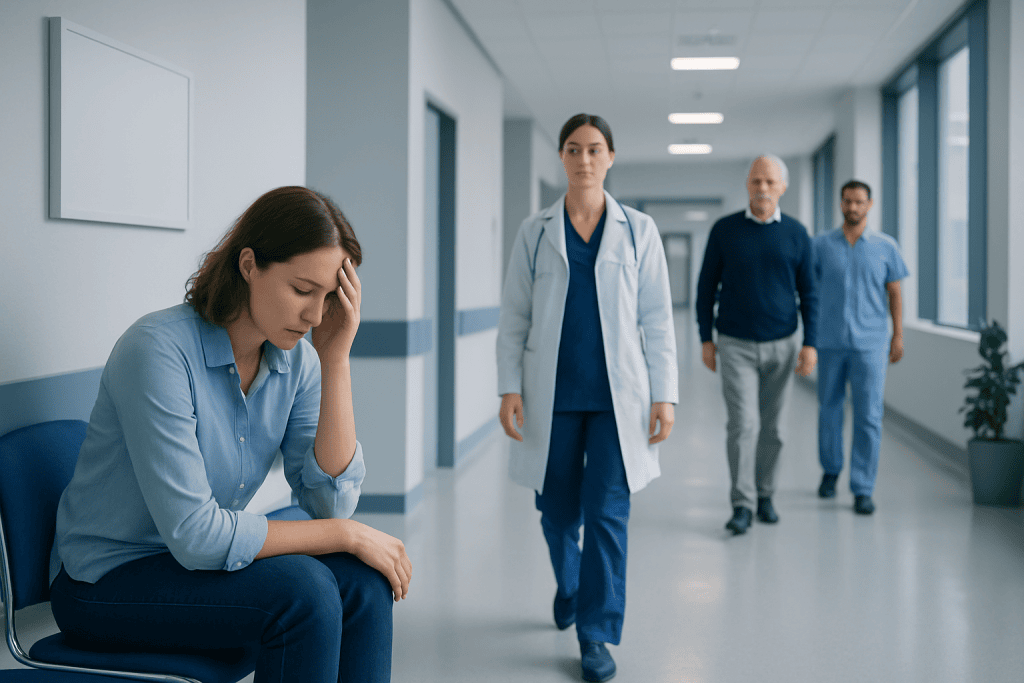
Anxiety symptoms may include emotional, physical, and behavioral changes. Many anxiety symptoms overlap with other medical conditions, so proper evaluation matters.
Key Takeaways
- Anxiety symptoms may include emotional, physical, and behavioral changes.
- Many anxiety symptoms overlap with other medical conditions, so proper evaluation matters.
- Keeping track of triggers, timing, severity, and daily impact can help a doctor assess symptoms.
- Urgent medical attention is needed for chest pain, trouble breathing, fainting, or thoughts of self-harm.
- Effective treatment often includes lifestyle strategies, talk therapy, and sometimes medication.
Anxiety symptoms can affect the mind, body, and daily life in different ways. Knowing which symptoms to mention, how to describe them, and when to seek professional care can help a doctor find the cause and recommend the right support.
Overview of Anxiety Symptoms
Anxiety is a natural stress response, but anxiety symptoms become a health concern when they are frequent, intense, hard to control, or out of proportion to the situation. Some people feel mainly emotional symptoms such as excessive worry or irritability, while others notice mostly physical symptoms such as a pounding heart, sweating, stomach upset, or trembling. Symptoms may appear suddenly or build gradually over time.
Anxiety can happen on its own or alongside another mental or physical health issue. It may be linked with life stress, panic attacks, sleep problems, depression, thyroid conditions, certain medications, or heart and breathing disorders. Because symptoms can overlap with many other conditions, it is important not to assume that anxiety is the only possible cause.
For many people, the most helpful first step is to describe symptoms clearly to a healthcare professional. A doctor will usually want to know what happens, when it starts, how long it lasts, what seems to trigger it, and how much it interferes with work, school, relationships, or sleep. This information helps guide a more accurate diagnosis and a treatment plan that fits the individual.
Common Signs and Symptoms
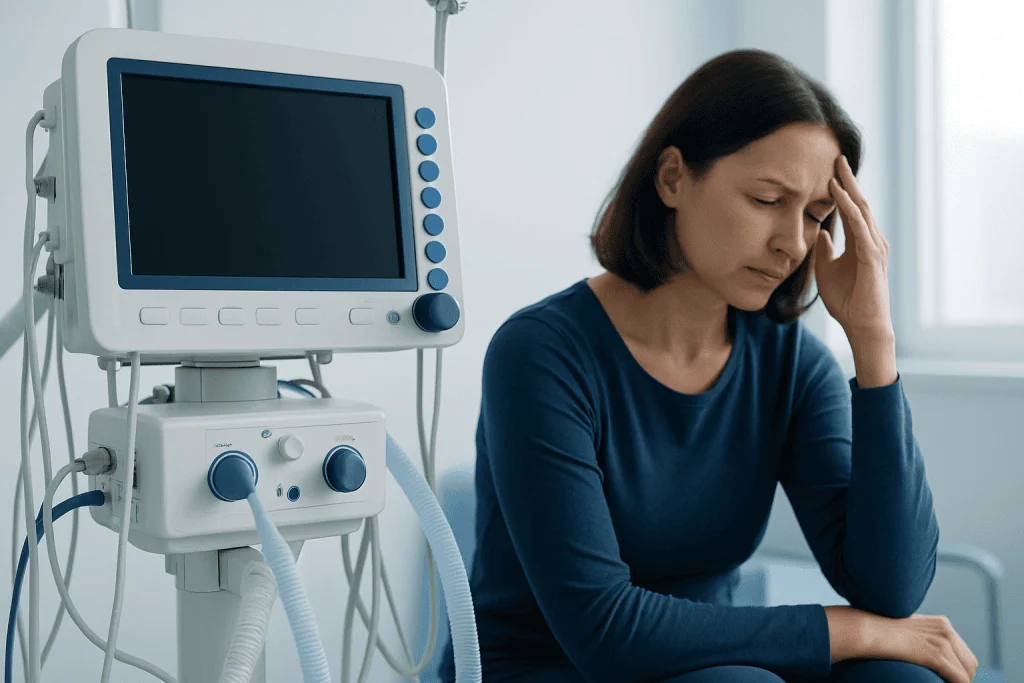
Anxiety symptoms can affect thoughts, feelings, the body, and behavior. Emotional and mental symptoms often include persistent worry, feeling on edge, fear that something bad will happen, difficulty concentrating, restlessness, and irritability. Some people describe a constant sense of dread even when they cannot identify a clear reason.
Physical symptoms are also common and can be very distressing. These may include a fast heartbeat, chest tightness, sweating, shaking, dizziness, shortness of breath, nausea, diarrhea, dry mouth, headaches, muscle tension, and fatigue. Sleep may become lighter or more interrupted, and the person may wake feeling unrefreshed.
Behavioral signs may include avoiding social situations, travel, crowded places, conflict, or activities that seem to trigger symptoms. A person may repeatedly seek reassurance, check their body for signs of illness, or struggle to relax. In some cases, intense episodes of fear with physical symptoms may suggest panic attacks or another related condition such as panic attacks.
- Worry that feels difficult to control
- Racing heart or palpitations
- Muscle tension and restlessness
- Trouble sleeping or concentrating
- Avoidance of feared situations
Possible Causes and Risk Factors

Anxiety symptoms do not have one single cause. They often develop through a combination of genetic tendency, temperament, stress exposure, life events, and learned coping patterns. Major transitions, bereavement, work strain, financial pressure, chronic illness, trauma, and ongoing uncertainty can all contribute. Caffeine, alcohol, recreational drugs, and some prescription or over-the-counter medicines may also make symptoms worse.
Some medical conditions can mimic or trigger anxiety-like symptoms. Examples include thyroid disorders, heart rhythm problems, asthma, chronic pain, sleep disorders, hormonal changes, and low blood sugar. This is one reason a full assessment is useful, especially if symptoms are new, start suddenly, or are accompanied by other physical signs.
Risk may be higher in people with a personal or family history of anxiety, depression, trauma exposure, or other mental health conditions. Anxiety can also occur together with depression, which may make concentration, sleep, motivation, and emotional distress worse. A doctor may consider whether symptoms suggest a broader picture such as depression or another underlying condition rather than anxiety alone.
What to Tell Your Doctor About Anxiety Symptoms
Preparing for a medical appointment can make it easier to explain anxiety symptoms clearly. It often helps to write down when symptoms began, how often they happen, how long they last, and what they feel like. The doctor may ask whether symptoms come in waves, happen during specific situations, occur mostly at night, or are present most days. Practical details are very useful, such as whether symptoms affect work performance, school, driving, appetite, exercise, or relationships.
It is also important to mention physical symptoms, even if they seem unrelated. Chest discomfort, dizziness, nausea, headaches, bowel changes, shortness of breath, and fatigue can all be relevant. The doctor will usually want to know about current medicines, supplements, energy drinks, caffeine intake, alcohol use, nicotine, and any recent illness or major stress.
People should also mention any history of panic attacks, trauma, depression, compulsive behaviors, sleep problems, or self-harm thoughts. If possible, they can bring notes about triggers and patterns, including menstrual cycle changes, substance use, or symptoms after poor sleep. If symptoms are severe or difficult to explain, a doctor may recommend further evaluation, counseling, or support from psychiatry specialists.
- When symptoms started and whether they are getting worse
- What triggers or relieves them
- How they affect sleep, work, relationships, or daily tasks
- Any medications, stimulants, alcohol, or supplements used
- Whether there are panic episodes, depression symptoms, or self-harm thoughts
How Anxiety Is Diagnosed
There is no single test that confirms anxiety in every case. Diagnosis usually begins with a medical history, symptom review, and physical examination. The goal is to understand the pattern of symptoms and to rule out medical causes that can look similar. Depending on the situation, a doctor may ask about heart symptoms, breathing problems, thyroid symptoms, sleep habits, menstrual history, substance use, and recent stressors.
Screening questionnaires are sometimes used to measure symptom severity and identify the type of anxiety problem involved. These tools do not replace a clinical assessment, but they can help organize symptoms and track improvement over time. In some cases, blood tests or heart tests may be considered if the doctor suspects another medical cause.
If symptoms are linked with sleep difficulties, low mood, memory concerns, or persistent fatigue, further evaluation may be helpful. Some people benefit from support through psychology services, where structured interviews and therapy assessment can help clarify whether symptoms fit generalized anxiety, panic disorder, social anxiety, health anxiety, or another related condition.
Treatment Options and Support
Treatment for anxiety symptoms depends on the cause, severity, and impact on daily life. Many people improve with a combination of education, lifestyle changes, and talking therapies. Cognitive behavioral therapy is one of the best-known approaches and can help people identify unhelpful thought patterns, reduce avoidance, and build coping skills. Relaxation training, mindfulness strategies, and gradual exposure techniques may also be recommended.
Medication may be considered when symptoms are persistent, severe, or not improving enough with non-drug strategies alone. A qualified doctor can explain the possible benefits, side effects, and expected timeline for improvement. Medication choices vary by person, especially if there are other medical conditions, pregnancy considerations, or symptoms of depression alongside anxiety.
Supportive care matters too. Regular follow-up can help monitor progress and adjust treatment if needed. If stress, trauma, or family issues are contributing, counseling can be especially helpful. In selected cases, a doctor may also look for related concerns such as sleep disorder treatment needs if poor sleep is intensifying anxiety symptoms.
Self-care and Prevention Strategies
Self-care does not replace medical advice, but it can reduce the intensity of anxiety symptoms and improve overall resilience. Good sleep habits, regular physical activity, balanced meals, and limiting excess caffeine or alcohol are common starting points. Many people also benefit from creating a predictable routine, especially during periods of stress or life change.
Simple calming techniques can help the body shift out of a stress response. Slow breathing, grounding exercises, progressive muscle relaxation, and brief mindfulness practices may lower physical tension in the moment. It is often useful to practice these skills daily, not only during difficult episodes, so they become easier to use when symptoms rise.
Journaling symptoms and triggers can support both self-awareness and medical care. This record may show patterns such as worsening after poor sleep, high caffeine intake, or certain social situations. Near the end of the care journey, some international patients may choose evaluation at centers such as Acibadem International, where multidisciplinary specialists in JCI-accredited hospitals assess and treat anxiety-related concerns alongside other possible medical causes.
When to Seek Medical Help
A medical appointment is a good idea when anxiety symptoms are lasting for weeks, happening often, becoming more intense, or interfering with work, school, sleep, family life, or daily activities. It is also worth seeking help if symptoms lead to avoidance, frequent reassurance-seeking, substance use, or increasing physical complaints. Early support can make treatment more effective and may prevent symptoms from becoming more disruptive.
Prompt medical care is especially important if symptoms are new and severe, start suddenly, or include chest pain, fainting, severe shortness of breath, weakness, confusion, or a very irregular heartbeat. These symptoms may not be due to anxiety and should not be ignored. A person should also seek urgent help if they are unable to function, feel unsafe, or have thoughts of self-harm or suicide.
If there is uncertainty about whether symptoms are due to anxiety or another condition, it is safest to speak with a qualified doctor. Timely assessment can provide reassurance, identify treatable causes, and connect the person with the right form of care.
Frequently asked questions
What are the most common anxiety symptoms?
Common anxiety symptoms include excessive worry, feeling tense or restless, trouble concentrating, irritability, and sleep problems. Physical symptoms such as a racing heart, sweating, nausea, dizziness, and shortness of breath can also occur.
How do people know what to tell a doctor about anxiety?
It helps to describe when symptoms started, how often they happen, what they feel like, and what triggers or relieves them. A person should also mention physical symptoms, medications, caffeine or alcohol use, sleep changes, and how anxiety affects daily life.
Can anxiety symptoms feel like a physical illness?
Yes. Anxiety can cause physical symptoms such as chest tightness, palpitations, stomach upset, trembling, and dizziness. Because these symptoms can also happen with other medical conditions, proper medical assessment is important.
When should someone seek urgent help for anxiety symptoms?
Urgent medical care is needed for chest pain, fainting, severe shortness of breath, confusion, or thoughts of self-harm or suicide. These symptoms may signal a medical emergency or a severe mental health crisis and should not be managed alone.
Are anxiety symptoms treatable?
Yes. Many people improve with talk therapy, lifestyle changes, stress-management techniques, and sometimes medication. The right treatment depends on the type of symptoms, their severity, and any related medical or mental health conditions.
Can lifestyle habits make anxiety symptoms worse?
Yes. Poor sleep, high caffeine intake, alcohol, some drugs, and ongoing stress can all increase anxiety symptoms. Keeping a symptom diary may help identify patterns and support treatment planning.
This article is for general information only and is not a substitute for professional medical advice. Please consult a qualified doctor about your individual situation.
Explore treatments in Turkey — costs, top hospitals & a free quote
JCI-accredited · board-certified surgeons · reply within 24h
Add us as a Preferred Source to see more of our trusted health content across Google Search, AI Overviews and Discover.

More from the Health Library

Oura Ring vs Apple Watch: Key Differences and How Doctors Tell Them Apart

Assisted Living vs Nursing Home Difference: Key Differences and How Doctors Tell Them Apart

What Cancer Causes High White Blood Cell Count? Causes, Explanations, and Next Steps

Body Aches: Common Causes, Related Conditions, and When to See a Doctor

Why Am I Not Losing Weight? Causes, Explanations, and Next Steps