Anxious: What Patients Need to Know

Feeling anxious occasionally is common and does not always mean a mental health disorder. Anxiety can cause emotional and physical symptoms such as worry, restlessness, muscle tension, and a racing heart.
Key Takeaways
- Feeling anxious occasionally is common and does not always mean a mental health disorder.
- Anxiety can cause emotional and physical symptoms such as worry, restlessness, muscle tension, and a racing heart.
- Persistent or overwhelming anxiety may be linked to an anxiety disorder or another medical condition.
- Evaluation may include a conversation about symptoms, health history, medications, sleep, and stressors.
- Treatment can include therapy, lifestyle changes, stress-management skills, and sometimes medication.
- Urgent medical care is important for chest pain, trouble breathing, fainting, or thoughts of self-harm.
Feeling anxious is a normal human response to stress, uncertainty, or change. When anxiety becomes frequent, intense, or hard to control, it may affect sleep, work, relationships, and overall health—and professional support can help.
Overview: What It Means to Feel Anxious
Feeling anxious means experiencing worry, tension, nervousness, or unease. In many situations, this is a normal response. The body and mind are designed to react to challenge or uncertainty, which can help a person stay alert, prepare for an important event, or respond to danger.
However, being anxious is not only an emotion. It can also affect the body. Some people notice a faster heartbeat, sweating, shaky hands, stomach discomfort, headaches, or difficulty sleeping. Others mainly feel racing thoughts, irritability, or a sense that something bad may happen even when there is no clear threat.
Anxiety exists on a spectrum. Mild anxiety may come and go and improve when a stressful event passes. More persistent anxiety may interfere with concentration, daily tasks, social activities, or physical health. In those cases, a healthcare professional may consider whether symptoms fit a recognized anxiety condition such as anxiety disorder.
How Anxiety Can Feel: Emotional and Physical Symptoms
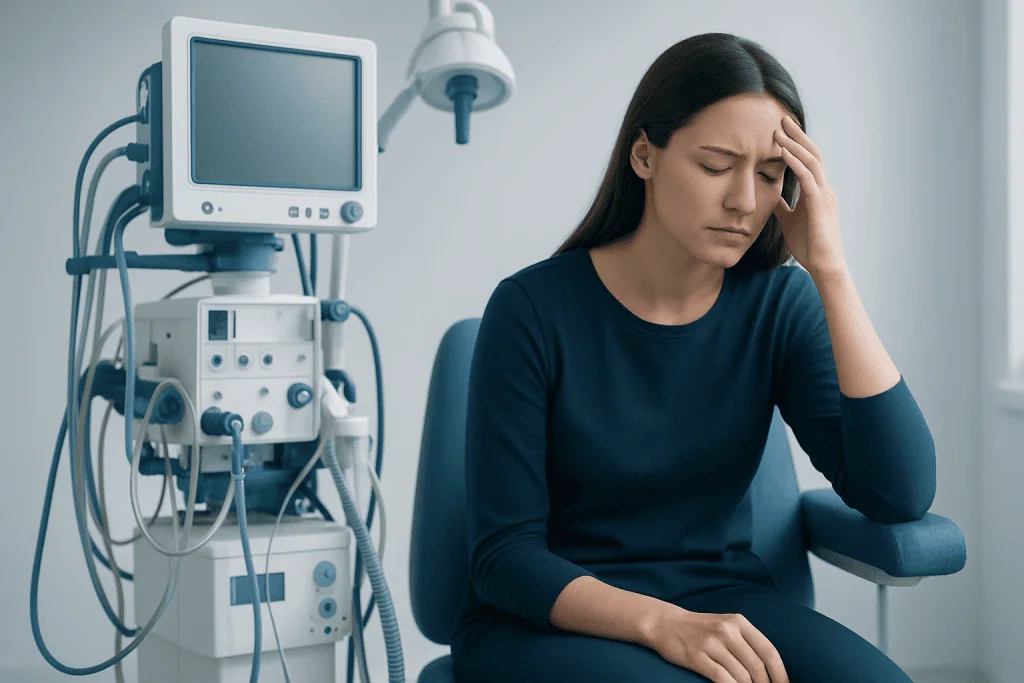
People describe anxiety in different ways. Some say they feel constantly on edge. Others notice an internal sense of dread, difficulty relaxing, or repeated worrying that is hard to stop. Anxiety can also make small problems feel urgent and can reduce confidence in everyday decisions.
Physical symptoms are also common because anxiety activates the body’s stress response. A person may notice:
- Restlessness or feeling keyed up
- Rapid heartbeat or palpitations
- Shortness of breath or a tight chest
- Sweating, trembling, or shaking
- Stomach upset, nausea, or diarrhea
- Muscle tension, jaw clenching, or headaches
- Difficulty falling asleep or staying asleep
- Trouble concentrating or feeling mentally drained
These symptoms can be uncomfortable, but they do not always mean a dangerous condition. At the same time, anxiety-like symptoms can overlap with heart, lung, thyroid, sleep, or neurological problems. That is one reason persistent symptoms should be discussed with a qualified doctor rather than self-diagnosed.
Some people experience sudden surges of intense fear with strong physical symptoms, sometimes called a panic attack. Although panic attacks can feel frightening, they are treatable, and a clinician can help determine whether they are related to anxiety, another medical issue, or both.
Why People Feel Anxious: Common Causes and Risk Factors

Anxiety usually develops through a combination of factors rather than one single cause. Stressful life events can be important triggers. Examples include exams, financial pressure, grief, illness, work strain, relationship conflict, or caring responsibilities. Major life changes—even positive ones—can also lead to anxious feelings.
Biology and personal history matter too. Some people are more sensitive to stress because of genetics, temperament, past trauma, or earlier mental health experiences. Ongoing sleep deprivation, excessive caffeine, alcohol use, stimulant use, and poor recovery from daily stress can make symptoms worse.
In some cases, anxiety is influenced by a medical condition. Thyroid problems, hormonal changes, chronic pain, heart rhythm disturbances, breathing disorders, and medication side effects may all contribute. Emotional symptoms may also occur alongside depression, sleep disorders, or adjustment difficulties after a major event.
It can be helpful to think of anxiety as an interaction between mind, body, and environment. Identifying patterns—such as specific triggers, timing, physical sensations, and coping habits—often helps guide the next steps in care.
How Doctors Evaluate Persistent Anxiety
There is no single blood test that diagnoses anxiety on its own. Evaluation usually begins with a detailed conversation about symptoms: when they started, how often they happen, how severe they feel, and how they affect work, school, relationships, sleep, and daily routines. A clinician may also ask about recent stress, trauma, substance use, caffeine intake, medications, and family history.
A physical examination and selective tests may be recommended when symptoms could have another medical explanation. For example, doctors sometimes assess thyroid function, heart rhythm, sleep quality, or other conditions depending on the person’s age, health history, and symptoms. If chest symptoms, fainting, severe shortness of breath, or neurological changes are present, more urgent assessment may be needed.
Screening questionnaires can help organize symptoms, but they do not replace a professional diagnosis. The main goal of evaluation is to understand whether the person is experiencing normal situational anxiety, an anxiety disorder, another health condition, or a mix of factors.
In some situations, clinicians may recommend support from specialists such as psychiatry, psychology, sleep medicine, or cardiology. When symptoms are complex, a structured assessment can help create a personalized care plan.
Treatment and Support Options
Treatment depends on the cause, intensity, and duration of symptoms. For many people, the most effective approach combines education, practical coping skills, and professional support. Understanding that anxiety is a treatable health issue—not a personal failure—can be an important first step.
Psychological therapies are often central to care. Approaches such as cognitive behavioral therapy can help a person recognize unhelpful thought patterns, reduce avoidance, and learn strategies to manage physical symptoms and stressful situations. Relaxation training, breathing exercises, mindfulness-based techniques, and sleep-focused support may also be useful.
Medication may be considered when symptoms are moderate to severe, ongoing, or not improving with non-drug approaches alone. A doctor or mental health specialist can explain potential benefits, side effects, and how medicines fit into a broader treatment plan. If anxiety is linked to another condition, treating that underlying issue is also important.
Depending on symptoms, doctors may sometimes recommend related services such as psychiatric evaluation and care, psychological counseling, or, if poor sleep is a major trigger, sleep assessment. For international patients who need coordinated evaluation, Acibadem International offers multidisciplinary care in JCI-accredited hospitals for conditions related to anxiety and associated health concerns.
Self-Care Strategies That Can Help
Self-care does not replace medical treatment when anxiety is severe, but it can make a meaningful difference. Small, consistent habits often work better than trying to change everything at once. Building a regular routine helps many people feel more stable and better able to respond to stress.
Helpful strategies may include:
- Keeping a regular sleep and wake schedule
- Limiting caffeine, nicotine, and alcohol if they worsen symptoms
- Eating regular meals and staying hydrated
- Doing regular physical activity appropriate for overall health
- Practicing slow breathing or relaxation exercises
- Reducing constant exposure to distressing news or social media
- Writing down worries and triggers to identify patterns
- Staying connected with supportive family or friends
It can also help to notice the difference between productive problem-solving and repeated worrying. If a concern has a clear action step, writing down one realistic next step may reduce mental overload. If the worry is hypothetical or outside personal control, grounding techniques can help bring attention back to the present moment.
People who often feel anxious may benefit from discussing stress-management plans with a healthcare professional, especially if symptoms are affecting sleep, school, work performance, or physical health.
When to Seek Medical Care
Medical care is appropriate when anxious feelings are frequent, intense, or difficult to control, or when they begin to interfere with daily life. A doctor should also be consulted if symptoms are new, worsening, or accompanied by significant physical changes such as unexplained weight loss, severe fatigue, or persistent palpitations.
Urgent care is important if anxiety symptoms occur with chest pain, severe shortness of breath, fainting, new confusion, or sudden neurological symptoms. Emergency help is also needed if a person feels unsafe, has thoughts of self-harm, or is unable to care for themselves because of overwhelming fear or panic.
Early evaluation can be reassuring because it helps clarify whether symptoms are related to anxiety, another medical condition, or both. It also allows treatment to begin before symptoms become more disruptive. In some cases, doctors may coordinate care with other specialties, including cardiology evaluation when heart-related symptoms need to be excluded.
Frequently asked questions
Is it normal to feel anxious sometimes?
Yes. Feeling anxious from time to time is a normal response to stress, change, uncertainty, or challenge. It becomes more of a health concern when it is persistent, out of proportion to the situation, or begins to interfere with sleep, work, relationships, or daily functioning.
Can anxiety cause physical symptoms?
Yes, anxiety often causes physical symptoms because it activates the body's stress response. Common examples include a fast heartbeat, sweating, trembling, stomach upset, muscle tension, dizziness, and trouble sleeping. These symptoms are real, even when anxiety is the main trigger.
How can someone tell whether they are anxious or have an anxiety disorder?
The difference usually depends on duration, intensity, and impact on daily life. Occasional worry is common, but symptoms that are frequent, hard to control, or disruptive may suggest an anxiety disorder. A qualified clinician can assess the pattern of symptoms and rule out other medical causes.
Can medical problems look like anxiety?
Yes. Conditions such as thyroid disease, heart rhythm problems, breathing disorders, sleep problems, medication side effects, and substance use can cause symptoms that feel similar to anxiety. That is why new, persistent, or severe symptoms should be evaluated by a doctor.
What treatments help with anxiety?
Treatment may include therapy, stress-management techniques, sleep support, lifestyle changes, and sometimes medication. The best plan depends on the person's symptoms, overall health, and whether another medical condition is contributing. Many people improve with a combination approach.
When should someone seek urgent help for anxiety symptoms?
Urgent help is needed for chest pain, severe shortness of breath, fainting, confusion, or sudden neurological symptoms, because these may have causes other than anxiety. Immediate support is also essential if a person has thoughts of self-harm or feels unable to stay safe.
References
- National Institute of Mental Health
- American Psychiatric Association
- National Health Service
- World Health Organization
- Mayo Clinic
This article is for general information only and is not a substitute for professional medical advice. Please consult a qualified doctor about your individual situation.
Explore treatments in Turkey — costs, top hospitals & a free quote
JCI-accredited · board-certified surgeons · reply within 24h
Add us as a Preferred Source to see more of our trusted health content across Google Search, AI Overviews and Discover.

More from the Health Library

Difficulty Breathing: A Complete Medical Overview

Dobutamine: What Patients Need to Know

Anti Inflammatory Meds: What Patients Need to Know

Crembery: An Evidence-Based Guide for Patients

Normal Qt Interval: A Complete Medical Overview