Normal Qt Interval: A Complete Medical Overview

The QT interval measures electrical activity in the ventricles from contraction through recovery. QTc is more useful than the raw QT interval because it adjusts for heart rate.
Key Takeaways
- The QT interval measures electrical activity in the ventricles from contraction through recovery.
- QTc is more useful than the raw QT interval because it adjusts for heart rate.
- A QT value can be affected by medicines, electrolyte imbalances, inherited conditions, and heart disease.
- A prolonged QT may cause no symptoms, but in some people it increases the risk of dangerous arrhythmias.
- An ECG result should be interpreted by a clinician in the context of symptoms, medications, and medical history.
A normal QT interval is the time the heart’s lower chambers take to electrically reset between beats, measured on an electrocardiogram (ECG). Because the QT changes with heart rate, doctors usually rely on the corrected QT, or QTc, to decide whether the value is within a normal range.
Overview: What the normal QT interval means
The normal QT interval refers to the time needed for the heart’s lower chambers, called the ventricles, to contract and then recover electrically before the next beat. It is measured on an electrocardiogram, also known as an ECG or EKG. Because this timing naturally becomes shorter when the heart beats faster and longer when it beats slower, the number must be interpreted carefully rather than read as a fixed value in every situation.
In practice, doctors usually focus on the corrected QT interval, called QTc. This is a calculated value that adjusts the QT interval for heart rate so the result can be compared more fairly across different pulse rates. A QTc that is too long may suggest a higher risk of abnormal heart rhythms, while a QTc that is clearly short can also have clinical significance in some cases.
There is not a single universal “normal” number for everyone. Normal ranges can vary somewhat by age, sex, the method used to calculate QTc, and the quality of the ECG tracing. For that reason, an ECG report should not be interpreted in isolation. The result is most meaningful when reviewed alongside symptoms, medicines, blood test results, and personal or family history.
How the QT interval is measured and what is considered normal
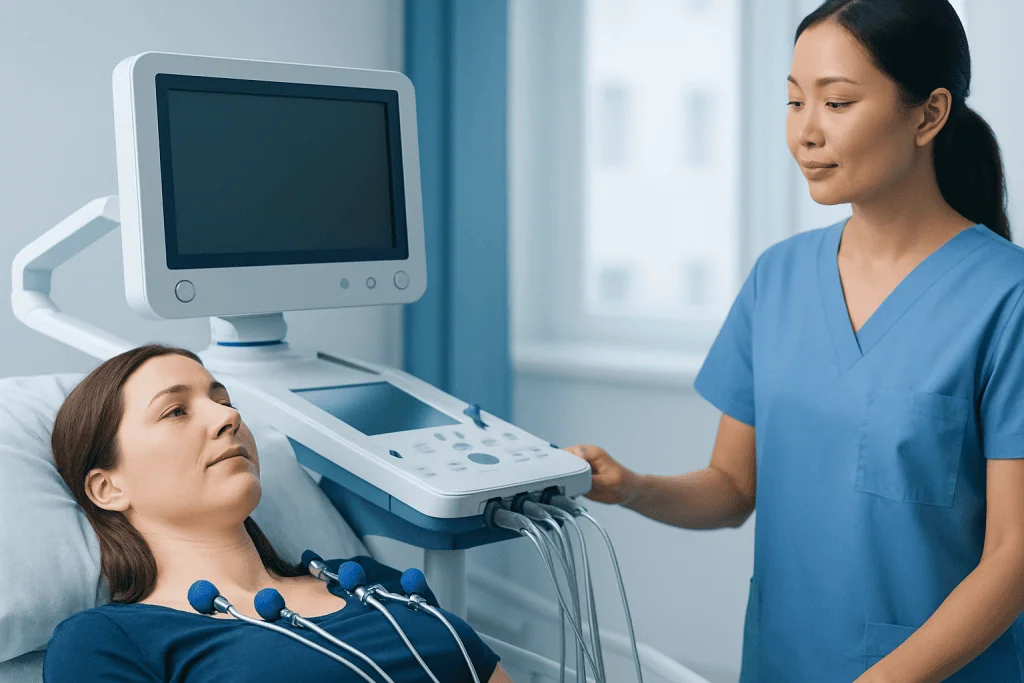
On an ECG, the QT interval begins at the start of the Q wave and ends where the T wave returns to the baseline. This span reflects the full electrical cycle of ventricular depolarization and repolarization. In simple terms, it shows how long the heart’s main pumping chambers take to activate and reset.
Because heart rate changes the QT interval, clinicians often use formulas to calculate QTc. Several correction formulas exist, and each has strengths and limitations. This is one reason two ECG reports may show slightly different QTc values even when based on the same tracing. Manual review by an experienced clinician can be especially important if the automated reading seems unexpected.
In general, a QTc is often considered normal when it falls roughly below the upper limit usually accepted for the person’s sex and age group. Many clinicians become more cautious when the QTc reaches clearly prolonged levels, especially if it is above about 500 milliseconds, because the risk of serious rhythm problems may increase. Borderline values are common and do not always mean disease, which is why interpretation should be individualized.
- Raw QT interval: the measured time on the ECG tracing
- QTc: the QT interval corrected for heart rate
- Borderline values: may require repeat ECG, medication review, or other tests
- Clearly prolonged QTc: may need closer evaluation for causes and risk
Why QT interval matters for heart rhythm

The QT interval matters because it reflects the heart’s electrical stability. If this recovery phase becomes too long, the ventricles may be more vulnerable to a specific type of dangerous rhythm disturbance called torsades de pointes. This arrhythmia can cause dizziness, fainting, palpitations, or, in severe cases, sudden cardiac arrest.
Not everyone with a prolonged QT develops an arrhythmia. Some people have a mildly prolonged QTc and never experience symptoms, while others are more sensitive because of genetics, medications, or other health conditions. Risk depends on the degree of prolongation, the underlying cause, and whether there are warning symptoms such as fainting or a family history of sudden death.
QT prolongation is also important because it can be a clue rather than a diagnosis by itself. It may point to an inherited rhythm disorder such as long QT syndrome, a medication side effect, or a temporary problem like low potassium or low magnesium. Recognizing the cause can help guide safer treatment and reduce the chance of complications.
Causes and risk factors for a prolonged or abnormal QT
A prolonged QT can be congenital or acquired. Congenital causes are present from birth and are usually linked to gene changes that affect the movement of electrical particles through heart cells. Acquired causes develop later and are more common. These include certain prescription medications, over-the-counter drugs, electrolyte disturbances, severe illness, and some forms of heart disease.
Many classes of medications can lengthen the QT interval in susceptible people. These may include some antiarrhythmic drugs, certain antibiotics, some antifungal medicines, selected antidepressants or antipsychotics, and a range of other treatments. The risk may rise when several QT-prolonging medicines are taken together, or when kidney or liver disease changes how the body handles those drugs.
Other important risk factors include low potassium, low magnesium, low calcium, a very slow heart rate, structural heart problems, and endocrine or metabolic disturbances. Inherited arrhythmia syndromes, a family history of unexplained fainting, or sudden death at a young age also deserve careful attention. In some patients, abnormal QT findings appear along with other rhythm issues such as arrhythmia.
- Inherited long QT syndrome
- Medication side effects or drug interactions
- Electrolyte imbalance, especially low potassium or magnesium
- Heart disease, slow heart rate, or recent serious illness
- Family history of fainting or sudden cardiac death
Symptoms and how doctors evaluate QT abnormalities
Many people with an abnormal QT interval have no symptoms and learn about it during an ECG done for another reason. When symptoms do occur, they may include palpitations, dizziness, near-fainting, fainting, or seizures caused by reduced blood flow to the brain during a brief rhythm disturbance. Symptoms that happen during exercise, emotional stress, sudden noises, or after starting a new medicine can offer important clues.
Evaluation starts with a careful history and a review of medicines, supplements, and recent illnesses. Doctors often ask about fainting episodes, unexplained seizures, hearing loss in some inherited syndromes, and relatives who had sudden death or unexplained accidents. A physical examination and repeat ECG may be followed by blood tests to check electrolytes, kidney function, thyroid function, and other possible contributors.
Additional testing may include ambulatory rhythm monitoring, exercise testing, echocardiography, or genetic counseling when an inherited condition is suspected. If the ECG reading is unclear, a cardiologist may manually measure the tracing because T-wave shape, bundle branch block, or other ECG features can affect the result. In some situations, referral for an electrophysiology study may help clarify a complex rhythm problem, although this is not needed for everyone.
Treatment options and ongoing management
Treatment depends on the cause, the degree of QT prolongation, and whether symptoms or arrhythmias have occurred. For acquired QT prolongation, the first step is often to stop or replace the triggering medicine if it is safe to do so under medical guidance. Correcting low potassium, magnesium, or calcium may return the QT interval to a safer range. Treating underlying illness is equally important.
People with inherited long QT syndrome may need long-term management to lower the chance of serious arrhythmias. This can include lifestyle guidance, avoidance of known triggers, and medicines such as beta blockers when appropriate. In selected high-risk cases, doctors may consider procedures or devices to prevent dangerous rhythms. For some patients with serious rhythm disorders, implantable cardioverter-defibrillator placement may be discussed.
If symptoms suggest a significant rhythm problem, specialist care in cardiology or electrophysiology may be needed. Some patients also require evaluation for related structural or electrical heart problems, and treatment plans may overlap with broader arrhythmia treatment. Near the end of the care pathway, international patients may seek assessment at centers such as Acibadem International, where multidisciplinary specialists in JCI-accredited hospitals diagnose and treat heart rhythm conditions.
Prevention, self-care, and medicine safety
Prevention focuses on recognizing individual risk and avoiding preventable triggers. People who have had a prolonged QT on ECG, have inherited long QT syndrome, or have a strong family history should tell every healthcare professional involved in their care. This helps reduce exposure to medicines that may lengthen the QT interval or interact with one another.
Self-care also includes staying well hydrated during illness, promptly addressing vomiting or diarrhea, and following medical advice if blood tests have shown low potassium or magnesium. People should not start, stop, or combine medications without guidance, especially if they already have heart disease or take drugs known to affect the ECG. Over-the-counter cold remedies, supplements, and some herbal products should also be reviewed with a clinician or pharmacist.
For those with inherited long QT syndrome, individualized advice may include exercise recommendations, attention to fever or dehydration, and family screening when appropriate. It can be helpful to keep an updated medication list and ask whether any new prescription could affect the QT interval. These practical steps do not replace medical care, but they can reduce avoidable risk.
When to seek medical care
Medical attention is important if a person has fainting, near-fainting, sudden unexplained dizziness, a racing or irregular heartbeat, or seizures without a clear cause. These symptoms do not always mean a dangerous arrhythmia, but they should be assessed promptly, especially if they are new, recurrent, or occur during exercise or emotional stress.
A person should also contact a doctor if an ECG report mentions a prolonged QT or abnormal QTc, particularly after starting a new medication or during an illness that may cause dehydration or electrolyte loss. Those with a family history of long QT syndrome, unexplained sudden death, or recurrent fainting should mention this history even if they feel well.
Emergency care is appropriate for chest pain, collapse, difficulty breathing, or loss of consciousness. Because ECG interpretation can be complex, patients should avoid drawing conclusions from one number alone. A qualified doctor can explain whether the finding is normal, borderline, or significant and what next steps, if any, are needed.
Frequently asked questions
What is the normal QT interval on an ECG?
The QT interval is the time from the start of ventricular activation to the end of recovery on an ECG. Because it changes with heart rate, doctors usually look at the corrected QT, or QTc, rather than the raw QT number alone.
What is the difference between QT and QTc?
QT is the measured interval on the ECG tracing. QTc is a calculated value that adjusts the QT for heart rate, making it more useful when deciding whether the result is within a normal range.
Does a prolonged QT interval always mean long QT syndrome?
No. A prolonged QT can be caused by many factors, including medications, electrolyte imbalance, slow heart rate, or acute illness. Long QT syndrome usually refers to an inherited or persistent tendency toward QT prolongation and arrhythmias.
Can medications affect the QT interval?
Yes. A wide range of medicines can lengthen the QT interval in some people, and the risk may increase with drug combinations or existing health conditions. A doctor or pharmacist can review whether a specific medication may affect QT.
What symptoms can happen if the QT interval is abnormal?
Some people have no symptoms at all. Others may develop palpitations, dizziness, fainting, or, less commonly, seizure-like episodes if an abnormal rhythm briefly reduces blood flow to the brain.
How is a prolonged QT interval treated?
Treatment depends on the cause and the person’s overall risk. It may involve changing a medication, correcting electrolytes, treating an underlying illness, or using long-term rhythm management strategies for inherited conditions.
References
- American Heart Association
- National Heart, Lung, and Blood Institute
- National Institute for Health and Care Excellence
- Mayo Clinic
- Merck Manual Consumer Version
This article is for general information only and is not a substitute for professional medical advice. Please consult a qualified doctor about your individual situation.
Heart care in Turkey — expert evaluation and treatment
JCI-accredited · board-certified surgeons · reply within 24h
Add us as a Preferred Source to see more of our trusted health content across Google Search, AI Overviews and Discover.
Check your numbers in seconds
BMI, calories, due date, blood pressure and 30+ more clinical calculators — free, instant, doctor-reviewed ranges.

More from the Health Library



Related Specialists

Prof. Dr. Ufuk Aydınlı
Orthopedic Surgery & Traumatology
Dr. Mehmet Bilhan Hayırlıoğlu
Anesthesiology
Assoc. Prof. Dr. Esma Kobak Tur
Neurology
Assoc. Prof. Dr. Diğdem Özer
Gastroenterology