

App to Monitor Fertility — Explained by Medical Evidence, Not Myths
Most fertility apps predict a fertile window from cycle patterns rather than directly confirming ovulation. Tracking basal body temperature, cervical mucus or hormone-test results may improve insight, but each method has limits.
Key Takeaways
- Most fertility apps predict a fertile window from cycle patterns rather than directly confirming ovulation.
- Tracking basal body temperature, cervical mucus or hormone-test results may improve insight, but each method has limits.
- Apps are not equally accurate for irregular cycles, postpartum cycles, perimenopause or conditions such as polycystic ovary syndrome.
- A fertility app should not be relied upon as contraception unless it is specifically approved and used exactly as instructed.
- Medical assessment is appropriate when pregnancy has not occurred after the recommended period of trying or when cycles are very irregular.
An app to monitor fertility can organize menstrual-cycle information and estimate days when pregnancy may be more likely. Its usefulness depends on the data entered, cycle regularity and the app’s method, so it should support—not replace—medical advice, reliable contraception or fertility evaluation.
What an App to Monitor Fertility Can—and Cannot—Do
An app to monitor fertility is a digital tool that records menstrual periods and may estimate ovulation, predict fertile days, track symptoms or collect information from wearable devices and home hormone tests. For people trying to conceive, it can make cycle patterns easier to understand and may help identify days when intercourse is more likely to result in pregnancy.
However, most apps use calendar calculations based on previous periods. These estimates cannot reliably prove that ovulation has happened, predict every cycle precisely or identify the cause of difficulty conceiving. The fertile window can shift from month to month, even in people whose cycles are usually regular.
Fertility tracking is best viewed as one source of information to discuss with a qualified clinician when needed. It can be helpful to bring app records to an appointment, but a clinician may recommend additional evaluation, such as hormone testing, ultrasound assessment or semen analysis, depending on the individual situation.
How Fertility Apps Estimate the Fertile Window
Pregnancy is most likely when sperm are present in the reproductive tract in the days before ovulation and on the day an egg is released. Sperm may survive for several days under favorable conditions, while an egg is usually available for fertilization for a much shorter time. For this reason, apps commonly label several days in each cycle as a predicted fertile window.
Calendar-based apps estimate this window from the first day of each recorded menstrual period and the length of previous cycles. They often assume that ovulation occurs around two weeks before the next period. This assumption may be less dependable when cycle length changes significantly, periods are missed or recent hormonal events have altered the cycle.
Some tools use additional data. Basal body temperature tracking can show a small, sustained temperature rise after ovulation has likely occurred. Cervical mucus observations may indicate that ovulation is approaching, and urine ovulation tests detect a rise in luteinizing hormone that often occurs before ovulation. These methods can add useful context, but none should be interpreted as a guarantee of fertility or pregnancy.
What Makes Tracking More or Less Accurate
The quality of any prediction depends on the information available. Entering period start dates consistently over several months may help an app identify an average pattern. Recording ovulation-test results, temperature readings or cervical mucus observations can provide more individualized information than dates alone, especially for people with relatively consistent routines.
Basal body temperature needs to be taken under similar conditions each morning before getting out of bed. Sleep disruption, illness, alcohol use, shift work, travel and some medications can affect readings. Wearables may make temperature collection more convenient, but the results still need careful interpretation and may not be comparable across devices.
Predictions are less reliable during adolescence, after stopping hormonal contraception, while breastfeeding, after pregnancy loss, during perimenopause and when cycles vary widely. Conditions that can affect ovulation, including polycystic ovary syndrome, thyroid disorders and significant changes in weight or exercise habits, may also make calendar predictions inaccurate. A pattern that seems unusual or concerning should be assessed medically rather than explained by an app alone.
Using Fertility Tracking When Trying to Conceive
For many couples, having intercourse regularly throughout the menstrual cycle is a practical approach. Some people choose to use predicted fertile days to plan intercourse every one to two days during that window. This may reduce the pressure of trying to identify one exact day of ovulation, which is often difficult even with detailed tracking.
An app can be useful for noticing trends, such as consistently short or long cycles, bleeding between periods, severe menstrual symptoms or the absence of periods. These observations do not provide a diagnosis, but they can help guide a conversation with a gynecologist or fertility specialist. It is also important to remember that conception depends on factors affecting both partners, not ovulation alone.
People preparing for pregnancy can also focus on general preconception health. This includes avoiding smoking and recreational drugs, limiting alcohol, managing long-term medical conditions with professional guidance and discussing medications with a clinician. A healthcare professional can advise on folic acid supplementation and appropriate pre-pregnancy screening based on personal health history.
Fertility Apps Are Not the Same as Contraception
A predicted fertile window should not automatically be used to prevent pregnancy. Calendar-based estimates can be wrong because ovulation can occur earlier or later than expected. Having unprotected sex outside an app’s predicted fertile days can still lead to pregnancy, particularly when cycles are irregular or a recent cycle pattern has changed.
Some digital fertility-awareness products are specifically regulated or cleared for contraceptive use in certain regions. These products have particular instructions, eligibility criteria and requirements for consistent use. Their availability and regulatory status vary by country, and they are different from a general menstrual-calendar app.
Anyone who wants to avoid pregnancy should discuss dependable contraceptive options with a healthcare professional. Condoms also help reduce the risk of many sexually transmitted infections, whereas fertility-tracking apps do not provide infection protection. Emergency contraception may be appropriate after unprotected sex or contraceptive failure and should be discussed promptly with a pharmacist or clinician.
Privacy, Data Quality and Choosing an App
Menstrual and fertility information is sensitive personal health data. Before using an app, it is sensible to review its privacy policy, including what information is collected, whether it is shared with other companies, how long it is retained and whether users can delete their data. A password or device lock can add an extra layer of privacy.
A useful app should clearly explain whether it is making a calendar prediction, interpreting temperature data, recording hormone-test results or providing another type of estimate. It should avoid suggesting that an estimate is a confirmed medical finding. Claims that an app can diagnose infertility, guarantee pregnancy or accurately determine ovulation for every user should be treated with caution.
Choosing a simple tool that supports consistent recording may be more helpful than selecting one with many features that are difficult to use. People should not change prescribed treatment, start supplements or delay medical care based solely on app notifications. App data is most valuable when considered alongside symptoms, health history and professional assessment.
When to Seek Medical Care
A person or couple may wish to seek fertility advice after 12 months of regular unprotected intercourse without pregnancy if the person trying to conceive is under 35. Evaluation is commonly recommended after 6 months for those aged 35 or older, and earlier consultation may be appropriate for people over 40 or for anyone with known fertility concerns.
Medical advice should also be sought sooner for absent or very irregular periods, severe pelvic pain, unusually heavy bleeding, bleeding between periods, a history of pelvic infection or surgery, recurrent pregnancy loss, known endometriosis, prior cancer treatment or concerns about sexual function. Male partners may also benefit from early evaluation when there is a history of testicular injury, surgery, chemotherapy, infection or difficulty with ejaculation.
A fertility assessment is individualized and may involve both partners. Acibadem International’s multidisciplinary specialists and JCI-accredited hospitals support international patients who need evaluation and treatment for fertility concerns. Seeking advice does not mean that a serious problem is present; it can provide clearer information and appropriate next steps.
Frequently asked questions
Can an app to monitor fertility tell exactly when ovulation happens?
Most apps estimate when ovulation may occur based on previous cycle information. An app using basal body temperature may suggest that ovulation likely happened after a sustained temperature rise, while ovulation tests may identify a hormone surge before ovulation. Neither approach can guarantee the exact timing in every cycle.
Are fertility apps accurate for irregular periods?
Calendar-based predictions are generally less accurate when periods are irregular because the app has less predictable information to use. Tracking additional observations may be helpful, but irregular cycles can also be a reason to discuss ovulation and overall health with a clinician.
Can a fertility tracking app help someone get pregnant?
An app may help users recognize likely fertile days and record useful cycle information. It cannot treat fertility problems or ensure pregnancy, because conception is influenced by ovulation, sperm health, fallopian tubes, the uterus, timing and other factors.
Can a period tracking app be used as birth control?
A standard period or fertility app should not be considered reliable contraception. Ovulation may shift unexpectedly, and pregnancy can occur outside predicted fertile days. People who wish to avoid pregnancy should seek professional advice about effective contraceptive methods.
What information should be tracked in a fertility app?
Useful information may include the first day of each period, cycle length, bleeding changes, ovulation-test results, basal body temperature and cervical mucus observations. Symptoms such as pelvic pain or spotting can also be recorded. Only information a person is comfortable storing should be entered, given privacy considerations.
When should a person see a fertility specialist?
A fertility consultation is generally appropriate after 12 months of trying to conceive for people under 35, or after 6 months for those aged 35 or older. Earlier evaluation may be appropriate for people over 40, those with irregular or absent periods, known reproductive conditions or a history that could affect fertility.
References
- American College of Obstetricians and Gynecologists
- American Society for Reproductive Medicine
- Centers for Disease Control and Prevention
- National Institute for Health and Care Excellence
- World Health Organization
This article is for general information only and is not a substitute for professional medical advice. Please consult a qualified doctor about your individual situation.
IVF & fertility treatment in Turkey — success rates and costs
JCI-accredited · board-certified surgeons · reply within 24h
Add us as a Preferred Source to see more of our trusted health content across Google Search, AI Overviews and Discover.
Check your numbers in seconds
BMI, calories, due date, blood pressure and 30+ more clinical calculators — free, instant, doctor-reviewed ranges.

More from the Health Library
Knee Brace: What Patients Need to Know
Topical Finasteride — Explained by Medical Evidence, Not Myths

Grounding Techniques — Explained by Medical Evidence, Not Myths
Gracilis Muscle: What Patients Need to Know

Cerebral Palsy: An Evidence-Based Guide for Patients

Enamel Erosion: An Evidence-Based Guide for Patients
Gynecology & Obstetrics Specialists at Acibadem
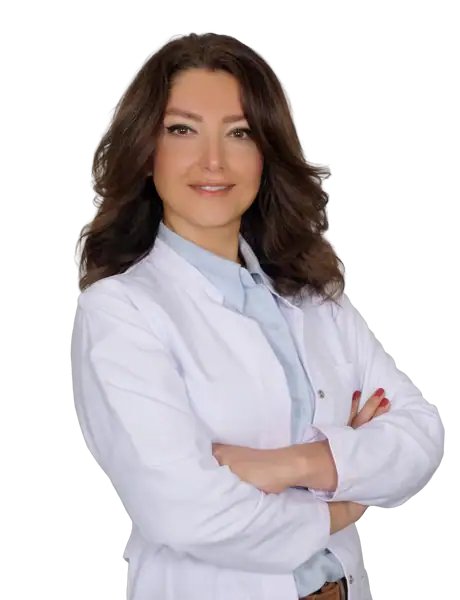
Assoc. Prof. Dr. Aylin Önder Dirican
Gynecology & Obstetrics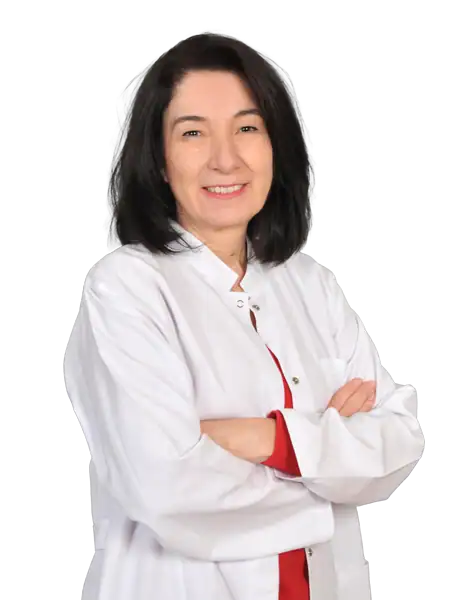
Dr. Aylin Tatlıadım
Gynecology & Obstetrics
Dr. Ayşe Dişli Gürler
Gynecology & Obstetrics
Dr. Aysel Özkaynak
Gynecology & Obstetrics