Aquaphor and Tattoo Care: What Patients Need to Know

A fresh tattoo needs gentle cleansing, protection, and light moisturizing while the skin barrier repairs itself. Aquaphor may be helpful during the first phase of healing if it is applied sparingly rather than heavily.
Key Takeaways
- A fresh tattoo needs gentle cleansing, protection, and light moisturizing while the skin barrier repairs itself.
- Aquaphor may be helpful during the first phase of healing if it is applied sparingly rather than heavily.
- Using too much ointment can trap sweat, heat, and moisture, which may increase irritation or delay normal peeling.
- Signs such as spreading redness, worsening pain, pus, fever, or severe swelling should be assessed by a clinician.
- People with eczema, sensitive skin, fragrance allergy, or a history of skin reactions may need a simpler or dermatologist-guided aftercare plan.
Aquaphor and tattoo care are often discussed together because a fresh tattoo is a controlled skin injury that needs gentle, balanced aftercare. A thin layer of an occlusive ointment may help in the first days, but too much product can keep the area overly moist and may slow healing or trigger irritation in some people.
Overview: How Aquaphor Fits Into Tattoo Aftercare
Aquaphor and tattoo care are linked because a new tattoo leaves the outer skin barrier temporarily disrupted. During the first several days, the area may feel warm, dry, tight, or mildly tender. A protective ointment can reduce water loss from the skin and make early healing more comfortable when it is used correctly.
Aquaphor is a petroleum-based ointment with added humectant and soothing ingredients. In practical terms, this means it forms a barrier over the skin that helps hold in moisture. For some people, that is useful right after tattooing, especially when the skin feels very dry. However, a tattoo does not need to stay coated continuously. Excess ointment can make the surface overly occlusive and may contribute to clogged pores, rash, or delayed peeling.
The safest approach is usually simple: keep the tattoo clean, let the skin breathe, and use only a very thin layer of aftercare product if advised by the tattoo professional or clinician. After the first few days, many people transition from an ointment to a lighter, fragrance-free moisturizer as the tattoo enters the peeling and itching phase.
What a Healing Tattoo Normally Looks and Feels Like
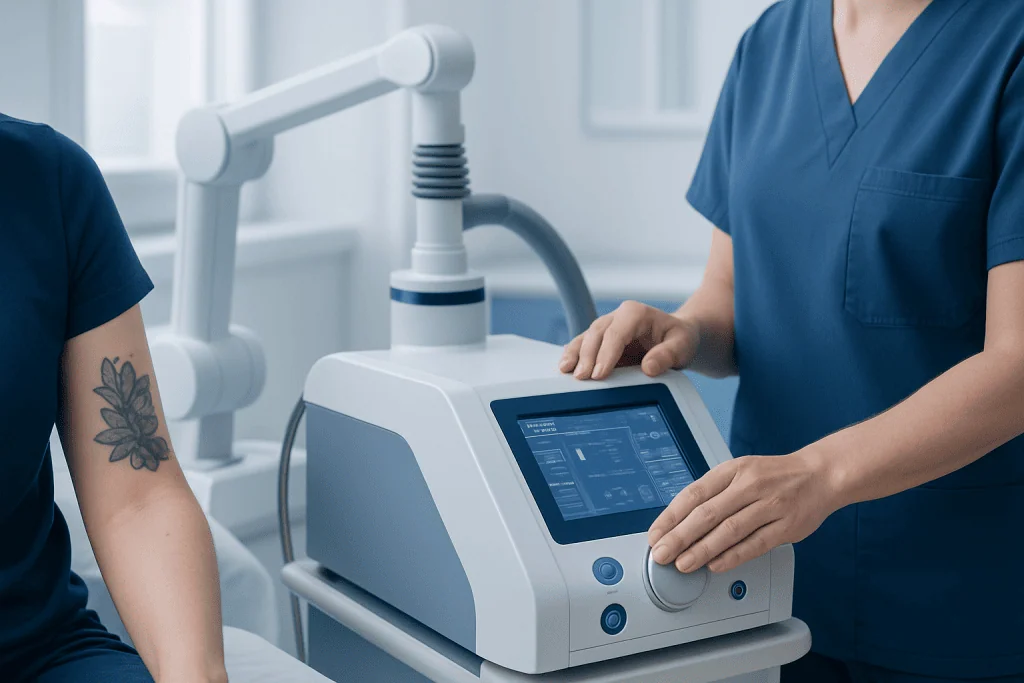
It helps to know what normal healing looks like. A fresh tattoo can have mild redness, slight swelling, tenderness, and a small amount of clear or ink-tinged fluid in the first day or two. As the skin begins to close, the area often becomes dry, flaky, and itchy. Thin scabs or peeling skin may appear, similar to a superficial scrape or sunburn.
These changes do not necessarily mean there is a problem. In fact, peeling is a common part of healing. The key is that symptoms should gradually improve, not intensify. Mild discomfort usually decreases each day, and the surrounding redness should not keep expanding.
People should avoid picking, scratching, or aggressively exfoliating a healing tattoo. Pulling off flakes or scabs too early can disturb the pigment and injure the skin beneath. If there is uncertainty about whether a reaction is normal, a clinician experienced in skin conditions can help distinguish irritation from infection or allergy, including conditions such as eczema that may complicate aftercare.
Benefits and Limits of Aquaphor for Tattoos

The main benefit of Aquaphor in tattoo aftercare is barrier support. Because the product is occlusive, it can reduce transepidermal water loss from the damaged surface and protect against friction from clothing. This can be especially helpful for tattoos placed on areas that rub easily, such as the ankle, waistband, or upper arm.
At the same time, ointments are not ideal for every stage of healing or every skin type. If used too often or too thickly, Aquaphor may leave the area greasy and trap sweat and debris against the skin. Some people then notice more itching, small bumps, or a soggy appearance. Those effects are not always dangerous, but they can mean the skin is staying too occluded.
Another limit is sensitivity. Although Aquaphor is widely used, no product suits everyone. Some patients react to certain ingredients or develop contact irritation simply because the skin is already inflamed. If there is burning, worsening rash, intense itching beyond normal healing, or new bumps spreading outside the tattoo, it is reasonable to stop the product and seek medical advice. A specialist in dermatology care can assess whether the issue is routine irritation, allergy, or another skin problem.
How to Use Aquaphor Safely During the Early Healing Phase
For those who choose Aquaphor, technique matters more than quantity. After the initial bandage is removed according to the artist’s instructions, the tattoo should be washed gently with clean hands, lukewarm water, and a mild fragrance-free cleanser. The skin should then be patted dry with a clean towel or disposable paper product and allowed to air-dry briefly before any ointment is applied.
A very thin layer is usually enough. The tattoo should look lightly moisturized, not shiny, sticky, or heavily coated. If there is visible excess, it is likely too much. Reapplication is generally only needed when the area becomes dry after gentle cleansing, not every time the tattoo is looked at or felt. Overhandling can itself irritate the skin.
Many aftercare plans use an ointment only for the first few days and then switch to a bland, fragrance-free lotion once active oozing has stopped and peeling begins. This step-down approach helps support healing without keeping the skin too sealed. Clothing should remain loose and clean, and the tattoo should not be soaked in baths, pools, hot tubs, or open water while the surface is healing.
- Wash hands before touching the tattoo.
- Clean gently once or twice daily unless otherwise advised.
- Apply only a thin film of ointment.
- Avoid fragranced products, scrubs, and alcohol-based skin products.
- Do not shave over the area until healing is complete.
Who Should Be More Cautious With Ointments
Some people are more likely to develop irritation from aftercare products. This includes patients with very acne-prone skin, a history of contact dermatitis, chronic inflammatory skin disease, or sensitivity to cosmetic ingredients. In these situations, a heavy ointment may not be the best choice, especially on the chest, back, or other areas where follicles clog easily.
People with underlying skin conditions may also find that tattoo healing triggers a flare nearby. For example, eczema or psoriasis can become more active after skin trauma in certain individuals. If there is a personal history of recurrent rash, patch testing or a dermatologist’s guidance may be helpful before choosing an aftercare routine. This can be especially relevant for patients already receiving allergy evaluation for suspected contact reactions.
Diabetes, poor circulation, immune suppression, and smoking may also affect wound healing. These factors do not always prevent tattooing, but they can change how carefully the skin should be monitored. A longer-than-expected healing course, persistent drainage, or unusual crusting deserves professional review rather than repeated application of more ointment.
Common Problems: Irritation, Allergy, and Infection
Not every red or itchy tattoo is infected. Some reactions are caused by friction, over-moisturizing, or sensitivity to an aftercare product. Irritant dermatitis often causes stinging, dryness, and a rash in the area where the product was applied. Allergic contact dermatitis can cause stronger itching, swelling, redness, or a spreading rash. In some cases, the reaction may extend beyond the edges of the tattoo.
Infection is a different concern. Warning signs can include worsening pain after the first few days, increasing warmth, expanding redness, pus, a bad odor, fever, or red streaks moving away from the tattoo. These symptoms should not be dismissed as normal healing. Skin infections may need assessment and treatment, and sometimes imaging or microbiology tests are used if the presentation is severe or unusual.
Less commonly, the tattoo ink itself can trigger a delayed inflammatory response, particularly with certain pigments. Persistent nodules, raised areas, or ongoing itch months later should be assessed by a clinician. Depending on the findings, care may involve skin biopsy or referral to a specialist. It can also be useful to distinguish a healing problem from other skin concerns such as skin cancer, especially if a new or changing lesion is noticed near but not caused by the tattoo.
Practical Self-care and Aftercare Habits
Good tattoo aftercare is less about one specific brand and more about protecting the skin barrier while avoiding unnecessary irritation. A clean environment, clean hands, and a gentle routine matter most. Patients should try not to compare their tattoo’s exact appearance with someone else’s, because healing varies with skin type, tattoo size, body location, and climate.
Sun protection becomes especially important once the surface has healed. Ultraviolet exposure can fade pigment and worsen post-inflammatory color changes in the surrounding skin. A healed tattoo should be protected with clothing or broad-spectrum sunscreen when appropriate. During early healing, however, sunscreen should not replace basic wound care and should not be applied to open or actively peeling skin unless a clinician advises it.
Itching is common, but scratching can damage healing skin. A cool compress over clean, intact skin and a switch to a light, fragrance-free moisturizer may help once the early ointment phase is over. If there is uncertainty about the best plan, a clinician can provide tailored advice. Acibadem International’s multidisciplinary specialists in JCI-accredited hospitals diagnose and treat skin concerns for international patients when tattoo-related irritation, allergy, or infection needs medical evaluation.
When to Seek Medical Care
Medical care is appropriate if a tattoo appears to be getting worse rather than better. Red flags include spreading redness, increasing swelling, significant heat, pus, severe pain, fever, chills, or red streaks on the skin. These features may suggest infection and should be assessed promptly.
Care is also advisable for a persistent rash, hives, blistering, or intense itching that begins after using Aquaphor or another aftercare product. These symptoms may indicate irritation or allergy rather than infection, but they still merit professional advice if they are marked or ongoing. People with diabetes, immune suppression, poor circulation, or a history of problematic wound healing should have a lower threshold for contacting a doctor.
If there is uncertainty about whether the tattoo is healing normally, a qualified clinician can examine the area and recommend the next steps. Self-treatment should stay conservative: gentle cleansing, stopping any suspected irritant product, and avoiding picking or soaking until medical guidance is obtained.
Frequently asked questions
Is Aquaphor good for a new tattoo?
Aquaphor can be useful for a new tattoo when it is applied in a very thin layer during the early healing phase. It helps reduce water loss from the skin, but too much can make the area overly moist and irritated. Many people later switch to a lighter, fragrance-free moisturizer.
How long should Aquaphor be used on a tattoo?
There is no single rule that fits everyone, but ointments are often used only for the first few days after tattooing. Once oozing has stopped and peeling begins, a lighter fragrance-free lotion is commonly preferred. If the tattoo looks soggy, very shiny, or more irritated, the ointment may be too heavy for that stage.
Can too much Aquaphor harm tattoo healing?
Using too much may not permanently harm every tattoo, but it can create problems. A thick coating can trap heat, sweat, and debris, leading to irritation, clogged pores, or delayed peeling. The tattoo should look lightly moisturized rather than greasy.
What should be avoided while a tattoo is healing?
Patients should avoid scratching, picking, shaving over the area, and soaking the tattoo in baths, pools, or hot tubs. Tight clothing, fragranced products, harsh cleansers, and strong sun exposure can also irritate healing skin. Gentle washing and light moisturizing are usually safer.
How can someone tell if a tattoo is infected or just irritated?
Irritation often causes itching, dryness, or a localized rash, especially after a new product is used. Infection is more concerning when pain, redness, warmth, or swelling are increasing rather than improving, or when pus, fever, or red streaks appear. If there is doubt, a clinician should assess the tattoo.
What if the skin reacts badly to Aquaphor?
If burning, worsening redness, a spreading rash, or marked itching develops after applying Aquaphor, it is sensible to stop using it. Gentle cleansing and avoiding other new products may help until medical advice is obtained. A doctor can determine whether the reaction is irritant, allergic, or related to the tattoo itself.
References
- American Academy of Dermatology
- Centers for Disease Control and Prevention
- National Health Service
- Mayo Clinic
- American Academy of Family Physicians
This article is for general information only and is not a substitute for professional medical advice. Please consult a qualified doctor about your individual situation.
Explore treatments in Turkey — costs, top hospitals & a free quote
JCI-accredited · board-certified surgeons · reply within 24h
Add us as a Preferred Source to see more of our trusted health content across Google Search, AI Overviews and Discover.

More from the Health Library

Frontal: What Patients Need to Know

Podiatrist: A Complete Medical Overview

Half Life of Xanax: What Patients Need to Know

Pelvic Floor Dysfunction: An Evidence-Based Guide for Patients
Tympanic Thermometer: A Complete Medical Overview