Asbestos: What Patients Need to Know

Asbestos is dangerous mainly when its fibers become airborne and are breathed in. Health effects may appear decades after exposure, so symptoms can be delayed.
Key Takeaways
- Asbestos is dangerous mainly when its fibers become airborne and are breathed in.
- Health effects may appear decades after exposure, so symptoms can be delayed.
- Not everyone exposed to asbestos becomes ill, but risk rises with repeated or long-term exposure.
- Diagnosis may involve a careful exposure history, imaging tests, and lung function testing.
- Early medical evaluation is important for ongoing cough, breathlessness, chest pain, or known exposure.
Asbestos is a group of mineral fibers once widely used in construction and industry. It becomes a health concern when tiny fibers are released into the air and inhaled, sometimes leading to lung disease or cancer many years later.
Overview
Asbestos is the name for a group of naturally occurring mineral fibers that were widely used in building materials, insulation, shipbuilding, automotive parts, and other industrial products. It was valued because it resists heat, fire, and chemicals. The main health risk appears when asbestos-containing materials are disturbed and release microscopic fibers into the air.
When these fibers are inhaled, they can lodge deep in the lungs and remain there for many years. Over time, this may cause inflammation, scarring, or changes in the lining of the lungs and chest cavity. Asbestos exposure is linked to conditions such as asbestosis, pleural disease, lung cancer, and mesothelioma.
One important feature of asbestos-related illness is latency. This means a person may feel well for many years after exposure, with symptoms developing decades later. Because of this long delay, a person’s work history, home renovation history, and environmental exposure are often very important parts of medical assessment.
How Asbestos Exposure Happens
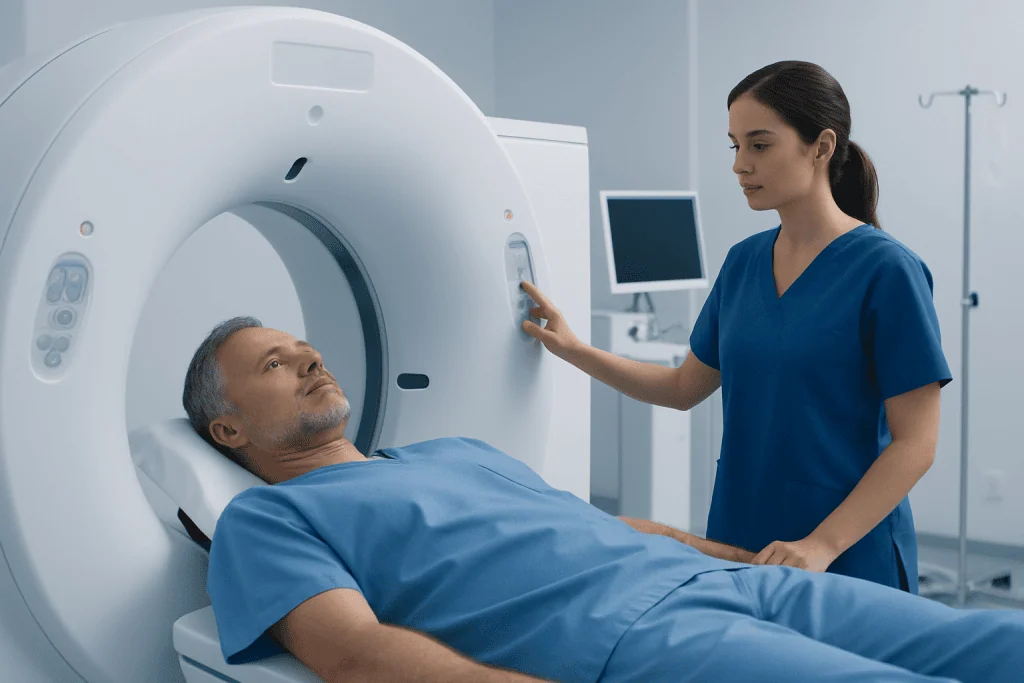
Exposure usually occurs when asbestos-containing materials are cut, drilled, sanded, broken, or removed without proper safety measures. The fibers are too small to see and may remain suspended in the air. Breathing them in is the main route of harm, though fibers can also settle on clothing and be carried home from the workplace.
People at higher risk have historically included construction workers, demolition workers, shipyard workers, miners, insulation installers, mechanics who handled older brake or clutch materials, and industrial workers. Family members may also have experienced secondary exposure from contaminated work clothes or equipment.
Asbestos may still be present in older homes, schools, factories, and public buildings. It is often safest to leave intact materials undisturbed and have suspected asbestos assessed by trained professionals. Attempting to remove it without the right precautions can increase exposure rather than reduce it.
- Old insulation around pipes and boilers
- Roofing, ceiling, and floor tiles
- Cement sheets and siding
- Textured coatings and some older household materials
Symptoms and Health Effects
Asbestos itself does not usually cause immediate symptoms at the time of exposure. Problems develop later if fibers trigger chronic irritation or tissue damage. Common symptoms of asbestos-related disease can include shortness of breath, a persistent cough, chest discomfort, reduced exercise tolerance, fatigue, or wheezing.
Some people develop pleural plaques or thickening in the lining around the lungs. These changes may not always cause symptoms, but they can be seen on imaging. Others may develop asbestosis, a form of lung scarring that makes breathing progressively more difficult. In more serious cases, asbestos exposure can contribute to lung cancer or mesothelioma.
Symptoms vary depending on the condition and how advanced it is. A person with mild disease may have no symptoms at all, while someone with more extensive scarring or cancer may notice increasing breathlessness, unexplained weight loss, chest pain, or fluid around the lungs. Smoking does not cause asbestos disease by itself, but it greatly increases the risk of lung cancer in people exposed to asbestos.
Conditions Linked to Asbestos
Doctors use the term asbestos-related disease to describe several different health problems caused by exposure. These conditions do not all behave the same way. Some are noncancerous and mainly affect breathing, while others are cancers that require specialist treatment.
Asbestosis is chronic scarring of the lungs caused by inhaled fibers. It can lead to long-term breathlessness and reduced oxygen exchange. Pleural plaques and pleural thickening affect the lining around the lungs and may be found incidentally on scans. A pleural effusion, or fluid around the lungs, can also occur and may need further investigation.
Cancer risks include lung cancer and mesothelioma, a cancer of the lining of the lung or, less commonly, the abdomen. These conditions need prompt expert assessment. Depending on symptoms and findings, doctors may recommend further evaluation with specialists in lung cancer treatment or medical oncology.
Diagnosis and Medical Evaluation
There is no single routine blood test that confirms harmful asbestos exposure. Diagnosis starts with a detailed history. A doctor may ask about occupations, home renovation projects, military service, years of possible exposure, smoking history, and current symptoms. Even exposures from decades earlier can be relevant.
Imaging plays a central role. A chest X-ray may show changes such as scarring or pleural plaques, but a CT scan often gives more detail. Pulmonary function tests may be used to measure how well the lungs are working and whether there is a restrictive breathing pattern consistent with scarring.
If cancer is suspected, further tests may include more advanced imaging, fluid sampling, or a biopsy to confirm the diagnosis. In selected cases, doctors may discuss interventional radiology procedures to help obtain tissue or manage symptoms. The goal is to identify the exact condition, assess its severity, and guide next steps in care.
Treatment Options and Long-Term Care
Treatment depends on the specific asbestos-related condition. There is no treatment that removes fibers already embedded in the lungs, so care focuses on controlling symptoms, slowing complications where possible, and supporting lung health. If a person is still being exposed, the first step is to stop further contact with asbestos safely.
For noncancerous conditions such as asbestosis or pleural disease, treatment may include inhaled medicines for symptom relief, pulmonary rehabilitation, oxygen therapy if needed, vaccinations to reduce the risk of respiratory infections, and regular follow-up. Stopping smoking is one of the most important steps for protecting lung function and reducing cancer risk.
If cancer develops, treatment is tailored to the type and stage of disease and the person’s overall health. Options may include surgery, chemotherapy, targeted treatment, immunotherapy, radiation therapy, or combinations of these approaches. For some patients, thoracic surgery may be part of care. Near the end of the care pathway, multidisciplinary specialists at Acibadem International’s JCI-accredited hospitals also diagnose and treat asbestos-related conditions for international patients.
Prevention and Self-Care
The best prevention is to avoid breathing in asbestos fibers. People who work in higher-risk jobs should follow workplace safety rules, use appropriate protective equipment, and ensure that asbestos identification and removal are handled by trained teams. Intact asbestos materials are often less risky than damaged materials, so disturbing them unnecessarily should be avoided.
At home, people should not drill, sand, scrape, or break materials suspected to contain asbestos. If an older property may contain asbestos, professional inspection is the safest approach. DIY removal can spread fibers through the home and increase exposure for everyone nearby.
For people with past exposure, self-care focuses on lung protection and regular medical follow-up when advised. This may include not smoking, keeping up to date with recommended vaccinations, staying physically active within personal limits, and seeking review for new respiratory symptoms. Bringing a timeline of past jobs or renovation exposures to appointments can be very helpful.
When to Seek Medical Care
A person should seek medical care if they know or strongly suspect significant asbestos exposure, especially if they have ongoing cough, shortness of breath, chest pain, wheezing, or reduced exercise tolerance. It is also sensible to discuss past exposure with a doctor even without symptoms, particularly if exposure was prolonged or occurred in a high-risk occupation.
Prompt medical review is especially important for coughing up blood, unexplained weight loss, persistent chest discomfort, or fluid around the lungs found on imaging. These symptoms do not always mean cancer, but they deserve assessment without delay. Early evaluation can help clarify the cause and support timely treatment if needed.
In an emergency, severe breathing difficulty or sudden chest symptoms should be treated urgently. A qualified doctor can advise which tests, follow-up schedule, or specialist referrals are appropriate based on the individual’s symptoms and exposure history.
Frequently asked questions
What is asbestos?
Asbestos is a group of heat-resistant mineral fibers that were used in many building and industrial products. It becomes harmful when tiny fibers are released into the air and inhaled.
Does every asbestos exposure lead to disease?
No. Many factors affect risk, including how much asbestos was inhaled, how often exposure happened, and how long it lasted. However, even if symptoms are absent, known significant exposure should still be discussed with a doctor.
How long does it take for asbestos symptoms to appear?
Symptoms often do not appear for many years or even decades after exposure. This delay is one reason why a detailed past work and environmental history is so important.
Can asbestos cause cancer?
Yes. Asbestos exposure is linked to lung cancer and mesothelioma, among other conditions. The risk is higher with heavier or longer exposure, and smoking further increases the risk of lung cancer.
How do doctors test for asbestos-related disease?
Doctors usually begin with a history of possible exposure and a review of symptoms. They may then use chest imaging, such as X-ray or CT, along with lung function tests and, when needed, biopsy or fluid testing.
Should asbestos in an older home always be removed?
Not always. Undamaged asbestos-containing material may be safer left undisturbed and monitored by professionals. Removal should be handled by trained specialists, because improper work can release more fibers into the air.
References
- World Health Organization
- Centers for Disease Control and Prevention
- National Institute for Occupational Safety and Health
- American Lung Association
- National Cancer Institute
This article is for general information only and is not a substitute for professional medical advice. Please consult a qualified doctor about your individual situation.
Oncology care in Turkey — second opinion and treatment plan
JCI-accredited · board-certified surgeons · reply within 24h
Add us as a Preferred Source to see more of our trusted health content across Google Search, AI Overviews and Discover.

More from the Health Library

Ozone therapy: A Complete Medical Guide for Patients

Botoxon: Procedure, Recovery and Results

Yoni Egg: What Patients Need to Know
Papilledema: What Patients Need to Know

Coconut Allergy: An Evidence-Based Guide for Patients