Aseptic Meningitis: Early Signs, Risk Factors, and How It Is Treated

Aseptic meningitis is not the same as bacterial meningitis, but it can cause similar early symptoms such as headache, fever, neck stiffness, nausea, and light sensitivity. Viruses are the most common cause, though certain medications, autoimmune diseases, and less common infections may also lead to aseptic meningitis.
Key Takeaways
- Aseptic meningitis is not the same as bacterial meningitis, but it can cause similar early symptoms such as headache, fever, neck stiffness, nausea, and light sensitivity.
- Viruses are the most common cause, though certain medications, autoimmune diseases, and less common infections may also lead to aseptic meningitis.
- Doctors usually diagnose it with a physical exam, blood tests, imaging in selected cases, and a lumbar puncture to test spinal fluid.
- Treatment depends on the cause and may include rest, fluids, pain relief, antiviral care in selected cases, and stopping a triggering medication when appropriate.
- Anyone with signs of meningitis should seek medical care quickly because early symptoms can overlap with more serious forms of meningitis.
Aseptic meningitis is inflammation of the meninges, the protective layers around the brain and spinal cord, without the usual bacterial cause found in classic bacterial meningitis. It often results from viral infections, but medicines, autoimmune conditions, and other illnesses can also trigger it, so prompt medical evaluation is important.
What Is Aseptic Meningitis?
Aseptic meningitis is inflammation of the meninges, the thin membranes that cover the brain and spinal cord, when standard testing does not show the usual bacteria responsible for bacterial meningitis. In everyday practice, the term often refers to meningitis caused by viruses, but it may also include cases related to medications, autoimmune disorders, cancers, or other less common infections.
The condition can affect adults and children. Symptoms may begin suddenly or build over a day or two, and they can closely resemble those of bacterial meningitis. Because of that overlap, it is not possible to know the cause based on symptoms alone, and medical assessment is needed to rule out more dangerous forms of meningitis.
Many people recover fully, especially when the cause is viral. Even so, the condition should not be dismissed as minor. Early evaluation helps confirm the diagnosis, guide treatment, and identify situations where hospital care or urgent therapy is necessary.
Early Signs and Symptoms
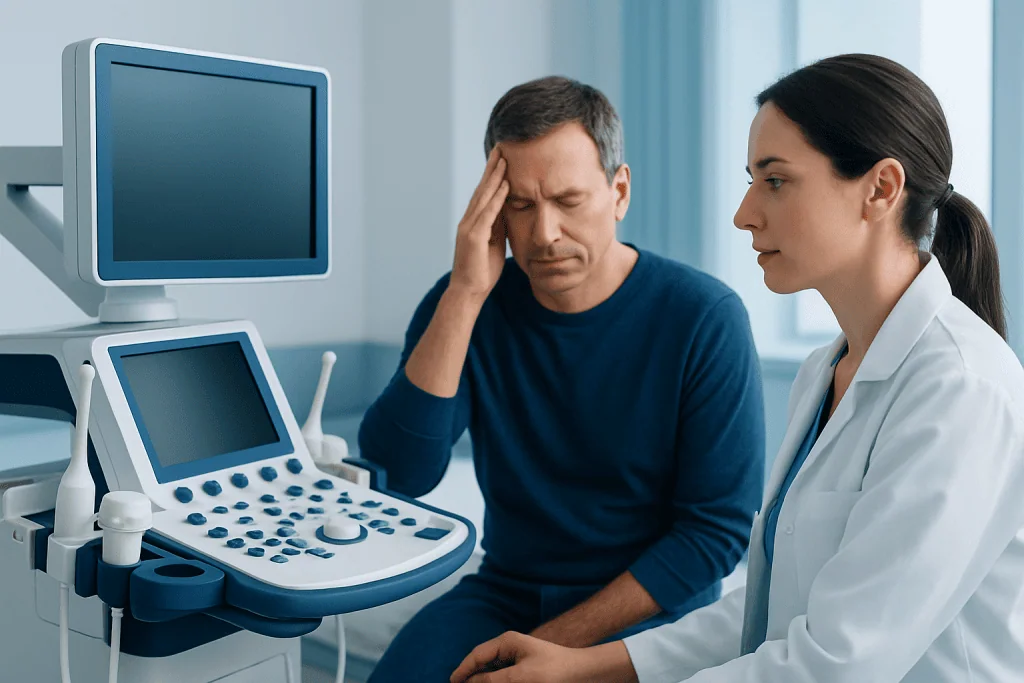
The early signs of aseptic meningitis often include headache, fever, neck stiffness, and a general feeling of being unwell. Some people also develop nausea, vomiting, fatigue, muscle aches, or sensitivity to bright light. Symptoms may follow what seems like a routine viral illness, such as a sore throat, runny nose, stomach upset, or fever.
Adults and older children may describe severe headache, trouble bending the neck forward, or discomfort in bright rooms. Infants and very young children may show less specific warning signs, such as irritability, poor feeding, unusual sleepiness, vomiting, or a bulging soft spot on the head. In any age group, confusion, trouble waking up, or seizures need immediate medical attention.
Symptoms can overlap with meningitis from other causes, including bacterial infection, which is more likely to become life-threatening quickly. For that reason, symptoms that suggest inflammation around the brain and spinal cord should always be assessed by a doctor rather than monitored at home without guidance.
- Headache
- Fever
- Neck stiffness
- Nausea or vomiting
- Sensitivity to light
- Fatigue or drowsiness
- Confusion in more severe cases
What Causes It and Who Is at Risk?

Viruses are the most common cause of aseptic meningitis. Enteroviruses are a frequent reason, especially in late summer and fall, but other viruses can also be involved, including herpes viruses, mumps, influenza, and, in some settings, arboviruses spread by mosquitoes or ticks. In many patients, the illness starts after a respiratory or gastrointestinal infection.
Not all cases are viral. Some medications can irritate the meninges and trigger drug-induced aseptic meningitis. This has been reported with certain pain relievers, antibiotics, immune therapies, and other medicines. Autoimmune diseases such as lupus, inflammatory conditions, and some cancers can also cause inflammation that looks like meningitis on testing.
Risk factors depend on the cause. Close contact in schools, childcare settings, or crowded living spaces can increase the chance of viral spread. A weakened immune system, recent infection, certain chronic illnesses, or use of medicines that affect immune function may also increase risk. In some people, doctors may need to evaluate for related neurological or systemic conditions, including encephalitis when brain inflammation is also suspected.
How Doctors Diagnose Aseptic Meningitis
Diagnosis begins with a medical history and examination. Doctors ask about the timing of symptoms, recent infections, travel, insect bites, sick contacts, vaccination history, medications, immune conditions, and exposure risks. The physical exam looks for fever, neck stiffness, rash, changes in alertness, and signs that suggest complications.
The most important test is often a lumbar puncture, also called a spinal tap, which collects cerebrospinal fluid for analysis. This test helps show whether inflammation is present and whether it is more likely due to bacteria, viruses, or another cause. The fluid may be checked for cell counts, protein, glucose, cultures, and molecular tests such as PCR to look for viral genetic material.
Blood tests may be used to look for signs of infection or inflammation. In selected patients, brain imaging may be done before lumbar puncture, especially if there are seizures, severe confusion, a weakened immune system, or concerns about increased pressure inside the skull. Imaging can be helpful when doctors need a closer look at the brain and nearby structures, such as with MRI scanning or CT scanning in urgent settings.
Treatment Options and Recovery
Aseptic meningitis treatment depends on the underlying cause and the severity of symptoms. Because bacterial meningitis cannot be ruled out immediately at first presentation, doctors may begin urgent treatment while test results are pending. Once aseptic meningitis is confirmed and bacterial infection is excluded, care often focuses on supportive treatment.
Supportive care usually includes fluids, rest, fever control, and medicine for headache or nausea. If a specific viral cause is suspected, such as herpes simplex virus, antiviral treatment may be considered. When a medication is thought to have triggered the illness, stopping that medicine under medical supervision is an important part of care. Patients with dehydration, severe pain, immune suppression, or changes in alertness may need hospital monitoring.
Recovery varies. Many viral cases improve over several days to a couple of weeks, though tiredness and headaches can last longer. Follow-up is important if symptoms persist, worsen, or if new neurological symptoms develop. In some situations, specialist evaluation in neurology care is helpful to guide further testing and recovery planning.
Prevention and Self-Care
There is no single way to prevent every case of aseptic meningitis, because the condition has many causes. Still, practical steps can lower risk. Good hand hygiene, avoiding close contact with people who are ill when possible, cleaning commonly touched surfaces, and following recommended vaccinations all support prevention.
People should take medicines exactly as prescribed and tell their doctor if they have had a prior reaction that might suggest drug-induced meningitis. Those with autoimmune disease or weakened immunity may need closer medical follow-up, especially during infections or medication changes. Tick and mosquito bite prevention can also matter in regions where insect-borne viruses circulate.
At home, self-care after diagnosis usually centers on rest, hydration, and taking medications only as advised by a clinician. It is important not to self-diagnose meningitis or assume symptoms are from a simple viral illness. Ongoing fever, severe headache, or increasing sleepiness should prompt renewed medical review.
When to Seek Medical Care
Medical care should be sought promptly for symptoms that could suggest meningitis, especially fever with severe headache, stiff neck, repeated vomiting, confusion, unusual drowsiness, sensitivity to light, or a seizure. In babies and small children, urgent assessment is needed for poor feeding, nonstop crying, unusual sleepiness, limpness, or a bulging soft spot.
People should also get urgent help if symptoms come on quickly, worsen over hours, or occur in someone with a weakened immune system, cancer treatment, a recent neurosurgical procedure, or known exposure to serious infection. These situations can raise concern for causes that need faster treatment.
For international patients who need specialist assessment, Acibadem International’s multidisciplinary specialists and JCI-accredited hospitals diagnose and treat conditions affecting the nervous system, including meningitis-related illnesses, with access to advanced testing and coordinated care.
Frequently asked questions
Is aseptic meningitis contagious?
Aseptic meningitis itself describes inflammation rather than one single germ, so contagiousness depends on the cause. If it is caused by a virus, that virus may spread to others, although not everyone exposed will develop meningitis.
Is aseptic meningitis the same as viral meningitis?
Viral meningitis is the most common type of aseptic meningitis, but the terms are not always identical. Aseptic meningitis can also be caused by medications, autoimmune disease, and some other nonbacterial conditions.
How serious is aseptic meningitis?
Many cases, especially viral ones, improve with supportive care and have a good outlook. However, meningitis symptoms can resemble more dangerous conditions, so it should always be evaluated promptly by a medical professional.
How long does recovery take?
Some people start to feel better within a few days, while others need a few weeks for headaches and fatigue to settle. Recovery time depends on the cause, age, overall health, and whether complications occur.
Can aseptic meningitis come back?
Yes, recurrence can happen in some situations, especially if there is a repeating trigger such as a medication reaction or certain viral infections. Recurrent episodes need medical assessment to identify the underlying reason and reduce the chance of future attacks.
Do all patients need a lumbar puncture?
A lumbar puncture is often the key test because it helps distinguish bacterial meningitis from aseptic meningitis and other neurological conditions. Whether it is done right away depends on the clinical situation, and some patients need brain imaging first for safety.
References
- World Health Organization
- Centers for Disease Control and Prevention
- National Institute of Neurological Disorders and Stroke
- American Academy of Neurology
- Merck Manual Professional Edition
This article is for general information only and is not a substitute for professional medical advice. Please consult a qualified doctor about your individual situation.
Meningitis in Turkey — costs, top hospitals & a free quote
JCI-accredited · board-certified surgeons · reply within 24h
Add us as a Preferred Source to see more of our trusted health content across Google Search, AI Overviews and Discover.