Asherman Syndrome: Diagnosis, Outlook, and Modern Treatment Approaches

Asherman syndrome is caused by scar tissue inside the uterine cavity, also called intrauterine adhesions. Common signs include very light periods, no periods, infertility, repeated miscarriage, or cramping with little bleeding.
Key Takeaways
- Asherman syndrome is caused by scar tissue inside the uterine cavity, also called intrauterine adhesions.
- Common signs include very light periods, no periods, infertility, repeated miscarriage, or cramping with little bleeding.
- Diagnosis often involves hysteroscopy or imaging tests that show the shape of the uterine cavity.
- Treatment usually aims to remove adhesions and restore the normal uterine lining.
- Outlook depends on how extensive the scarring is and whether the uterine lining remains healthy.
- Early specialist evaluation is important for anyone with menstrual changes or fertility problems after a uterine procedure, pregnancy event, or infection.
Asherman syndrome is a condition in which scar tissue forms inside the uterus, partly or completely sticking its walls together. It can cause lighter or absent periods, pelvic pain, recurrent pregnancy loss, or difficulty becoming pregnant, and modern diagnosis and treatment can often improve symptoms and reproductive outcomes.
Overview
Asherman syndrome is a disorder in which bands of scar tissue develop inside the uterus. These adhesions may connect one wall of the uterus to the other, reducing the space within the uterine cavity. In some people, the scarring is mild and affects only a small area. In others, it is more extensive and can partly or almost completely block the cavity.
The condition most often develops after trauma to the uterine lining, especially after procedures involving the uterus following pregnancy. Because the uterine cavity plays a key role in menstruation and implantation, scarring can affect both monthly periods and future pregnancy. Some women notice obvious symptoms, while others may not realize there is a problem until they are evaluated for infertility or recurrent miscarriage.
Asherman syndrome is sometimes called intrauterine adhesions, although not all adhesions cause the same degree of symptoms. The main clinical concern is not only the presence of scar tissue, but also how much it changes the normal shape and function of the uterus. This is why careful diagnosis matters.
Modern care focuses on identifying the extent of the scarring, removing adhesions when appropriate, and supporting healing of the uterine lining. In many cases, treatment can improve menstrual flow, reduce symptoms, and increase the chance of a healthy pregnancy, although results vary from person to person.
Symptoms and how it may affect fertility
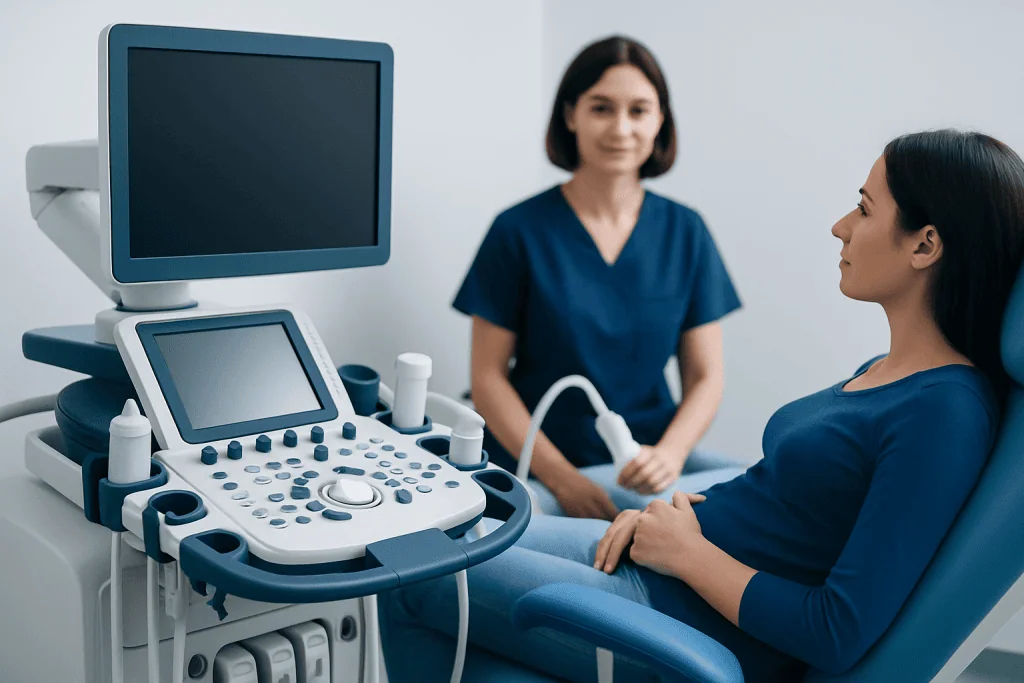
Symptoms of asherman syndrome can be subtle or more noticeable. A common clue is a change in periods after a uterine procedure, miscarriage, delivery, or infection. Some women develop very light periods, skipped periods, or no periods at all. Others continue to have monthly cramping but little bleeding because menstrual blood cannot flow normally from the uterus.
Pelvic pain may occur, especially if scar tissue narrows part of the uterine cavity or cervix. However, not everyone has pain. In some cases, the first sign is difficulty becoming pregnant, repeated implantation failure, or recurrent pregnancy loss. The condition may also increase the risk of pregnancy complications if the uterine cavity has been significantly altered.
Possible symptoms include:
- Lighter-than-usual menstrual bleeding
- Absent periods after a prior history of normal cycles
- Cramping with minimal bleeding
- Pelvic discomfort
- Infertility
- Repeated miscarriage
Not every menstrual change is due to uterine scarring. Hormonal problems, thyroid disease, stress, polycystic ovary syndrome, and other gynecologic conditions can also change periods. For that reason, symptoms need to be considered together with medical history, examination, and imaging.
Causes and risk factors
Asherman syndrome usually develops when the basal layer of the endometrium, the tissue that helps the uterine lining regenerate, is injured. The most common setting is after procedures performed inside the uterus, particularly dilation and curettage after miscarriage, retained products of conception, or postpartum bleeding. The risk may be higher when the uterus has recently been pregnant because the lining can be more vulnerable to injury.
Other possible causes include cesarean delivery, surgical removal of fibroids from inside the uterine cavity, uterine septum surgery, endometrial ablation, or treatment of heavy bleeding. Pelvic infections can also contribute, although this is less common in many settings. In rare cases, genital tuberculosis may be associated with severe intrauterine scarring in regions where tuberculosis is more prevalent.
Risk tends to be influenced by both the type of injury and the healing response afterward. Factors that can raise suspicion include:
- History of miscarriage or postpartum uterine evacuation
- Prior uterine surgery
- Repeated procedures inside the uterus
- Infection involving the uterus or pelvis
- Previous treatment for retained pregnancy tissue
Some people who are investigated for infertility may also be evaluated for related conditions that affect the reproductive tract, such as uterine fibroids or endometriosis, because symptoms can overlap. A specialist assessment helps distinguish among these causes and guide the right treatment plan.
How diagnosis is made
Diagnosis begins with a careful history. Doctors often ask whether periods changed after a miscarriage, childbirth, abortion, uterine surgery, or pelvic infection. The timing of symptoms can be especially helpful. A physical examination may be normal, so imaging and direct evaluation of the uterine cavity are usually important.
Hysteroscopy is considered the most useful test because it allows a doctor to look directly inside the uterus with a thin camera. This can confirm whether scar bands are present, show how severe they are, and sometimes allow treatment during the same procedure. Hysteroscopy also helps distinguish scar tissue from polyps, fibroids, or other structural problems.
Other tests may include pelvic ultrasound, saline infusion sonography, or hysterosalpingography, an X-ray test that outlines the uterine cavity with contrast. These tests can suggest areas where the cavity looks narrowed, irregular, or blocked. In some fertility evaluations, imaging is performed along with an assessment of ovulation, hormones, and the fallopian tubes.
Because symptoms such as absent periods can also result from hormonal causes, doctors may recommend blood tests as part of the evaluation. The goal is to identify whether the main problem lies in hormone production, the uterine lining, or both. This broader approach is especially important when fertility is a concern.
Modern treatment approaches
Treatment depends on symptoms, the extent of adhesions, and whether pregnancy is desired. If scar tissue is causing menstrual problems, pelvic pain, infertility, or recurrent pregnancy loss, the main treatment is usually hysteroscopic adhesiolysis. In this procedure, a specialist carefully cuts or separates the scar bands to reopen the uterine cavity while trying to preserve healthy endometrium. This may be discussed as part of hysteroscopy-based care.
After the procedure, doctors may use supportive measures to reduce the chance that the walls of the uterus stick together again while healing. Depending on the situation, this can include temporary placement of a small device or balloon in the cavity, estrogen therapy to encourage endometrial healing, and follow-up hysteroscopy or imaging. The exact plan varies because treatment should be individualized rather than routine.
When fertility is the main concern, care is often coordinated with specialists in reproductive medicine. If the uterine cavity can be restored and the lining responds well, natural conception may still be possible for some women. Others may benefit from a broader IVF evaluation if there are additional fertility factors or if pregnancy does not occur after treatment.
Severe scarring can be more challenging to treat and sometimes requires more than one procedure. In complex cases, outcomes depend not only on reopening the cavity but also on whether the endometrial lining remains capable of supporting implantation and pregnancy. This is why realistic counseling and follow-up are an important part of care.
Outlook, recovery, and future pregnancy
The outlook for asherman syndrome varies widely. Mild adhesions often respond well to treatment, especially when the underlying uterine lining is still healthy. More extensive scarring can be harder to correct and may return after treatment. Even so, many patients experience meaningful improvement in menstrual flow or symptoms after proper management.
Fertility outcomes depend on several factors, including the severity of scarring, age, other fertility conditions, and the quality of the remaining endometrium. A normal or improved menstrual pattern after treatment may be reassuring, but it does not by itself guarantee fertility. Some women conceive naturally, while others may need help from a fertility specialist and infertility treatment.
When pregnancy occurs after treatment, doctors may recommend closer monitoring. Prior uterine scarring can be associated with certain obstetric risks, such as abnormal placental attachment or pregnancy loss, although the degree of risk depends on the individual situation. Ongoing prenatal care helps detect and manage any concerns early.
For international patients seeking coordinated gynecologic and fertility care, Acibadem International’s multidisciplinary specialists in JCI-accredited hospitals diagnose and treat conditions such as asherman syndrome with individualized planning and follow-up.
Prevention and self-care
Not all cases can be prevented, but risk may be reduced by careful management of uterine procedures and follow-up when symptoms change. Whenever possible, unnecessary intrauterine procedures should be avoided, and procedures that are necessary should be performed with appropriate technique and specialist judgment. This is particularly relevant after pregnancy-related events, when the uterine lining may be more susceptible to injury.
Self-care mainly involves paying attention to changes in menstrual patterns and reproductive health. A woman who notices much lighter periods, absent bleeding, new pelvic pain, or trouble conceiving after a miscarriage, delivery, or uterine surgery should not assume this is normal. Keeping a record of cycle changes and prior procedures can help the doctor assess the situation more efficiently.
General reproductive health measures are also helpful, such as attending follow-up appointments, completing any prescribed treatment after a procedure, and seeking care promptly for signs of infection. Good communication with a gynecologist is especially important for anyone with a history of repeated uterine procedures or ongoing fertility concerns.
Because home remedies cannot remove intrauterine scar tissue, medical evaluation is essential when asherman syndrome is suspected. Early diagnosis may make treatment planning more straightforward and may help preserve reproductive options.
When to seek medical care
Medical review is advisable if periods become much lighter or stop after a miscarriage, childbirth, abortion, cesarean section, or uterine procedure. Evaluation is also important for persistent pelvic pain, cramping with minimal bleeding, infertility, or repeated miscarriages. These symptoms do not always mean asherman syndrome is present, but they deserve professional assessment.
Urgent care may be needed for heavy bleeding, fever, severe pelvic pain, foul-smelling discharge, or signs of infection after a procedure or pregnancy-related event. These symptoms can point to conditions that need prompt treatment. It is also wise to seek specialist advice before trying to conceive if there is known uterine scarring or a history strongly suggestive of it.
Patients often benefit from seeing a gynecologist with experience in uterine cavity disorders and fertility-related problems. Specialist care can help clarify whether symptoms are due to adhesions, hormonal changes, structural abnormalities, or another condition altogether.
Frequently asked questions
Can asherman syndrome be cured?
In many cases, treatment can successfully remove scar tissue and improve the shape of the uterine cavity. However, outcomes depend on how severe the scarring is and whether the endometrial lining can heal well. Some patients need repeat treatment or ongoing follow-up.
Does asherman syndrome always cause infertility?
No. Some women with mild adhesions can still become pregnant naturally, while others may have difficulty conceiving or may experience recurrent miscarriage. Fertility impact depends on how much of the uterine cavity is affected and whether other fertility factors are also present.
What is the best test for asherman syndrome?
Hysteroscopy is generally considered the most informative test because it allows direct visualization of the inside of the uterus. Imaging tests such as saline ultrasound or hysterosalpingography can also be useful, especially during the initial evaluation.
Can periods return to normal after treatment?
They often improve, especially in mild to moderate cases. Some women notice heavier or more regular bleeding after adhesions are removed, while others may have only partial improvement if the uterine lining has been significantly damaged.
Is asherman syndrome painful?
It can be, but not always. Some women have cramping or pelvic pain, particularly if menstrual blood has difficulty flowing out. Others have no pain and only discover the condition during infertility testing.
Can asherman syndrome come back after surgery?
Yes, recurrence is possible, especially when adhesions were extensive to begin with. This is why doctors may recommend follow-up imaging or repeat hysteroscopy and use measures to support healing after treatment.
References
- American College of Obstetricians and Gynecologists
- American Society for Reproductive Medicine
- Royal College of Obstetricians and Gynaecologists
- National Institute for Health and Care Excellence
- World Health Organization
This article is for general information only and is not a substitute for professional medical advice. Please consult a qualified doctor about your individual situation.
Explore treatments in Turkey — costs, top hospitals & a free quote
JCI-accredited · board-certified surgeons · reply within 24h
Add us as a Preferred Source to see more of our trusted health content across Google Search, AI Overviews and Discover.