Aspiration Pneumonia — Explained by Medical Evidence, Not Myths
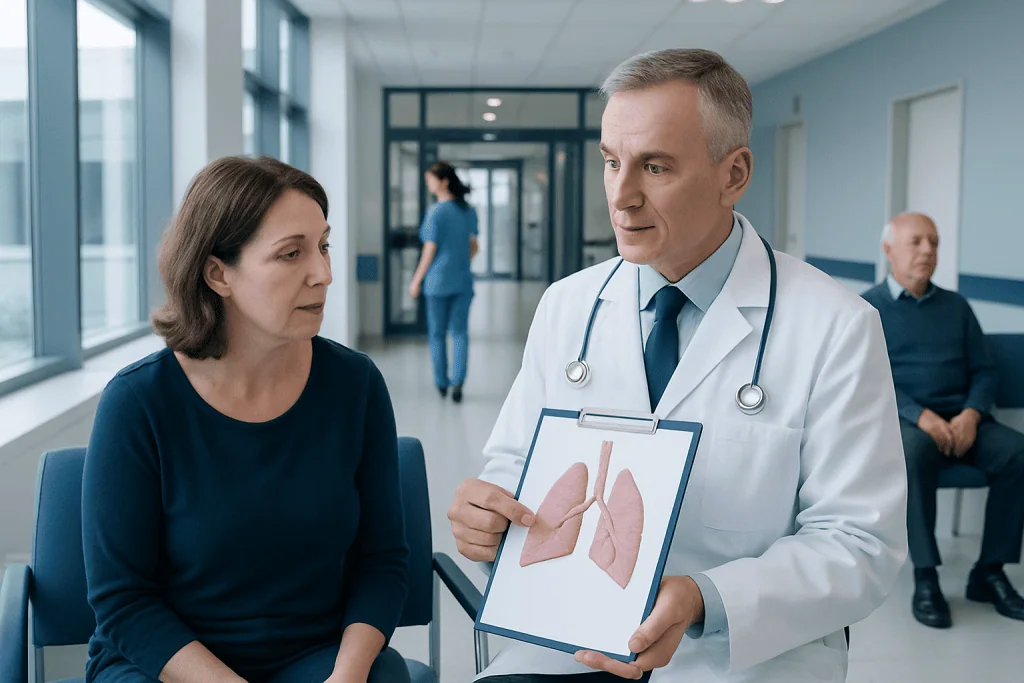
Aspiration pneumonia happens when material enters the lungs and leads to infection. Common symptoms include cough, fever, shortness of breath, chest discomfort, and weakness.
Key Takeaways
- Aspiration pneumonia happens when material enters the lungs and leads to infection.
- Common symptoms include cough, fever, shortness of breath, chest discomfort, and weakness.
- Older adults and people with swallowing, neurological, or reflux-related problems have a higher risk.
- Diagnosis usually combines a medical history, physical exam, chest imaging, and assessment of swallowing risk.
- Treatment may include antibiotics, oxygen support, fluids, and care for the underlying cause of aspiration.
- Prompt medical review is important if breathing becomes difficult, symptoms worsen, or aspiration is suspected.
Aspiration pneumonia is a lung infection that develops when food, drink, saliva, or stomach contents enter the lungs instead of going down the esophagus. It is different from ordinary pneumonia because the main problem begins with swallowing or airway protection, so treatment also focuses on preventing aspiration from happening again.
Overview: what aspiration pneumonia means
Aspiration pneumonia is a lung infection caused by inhaling material such as food, liquids, saliva, or vomit into the airways and lungs. In a healthy swallow, these substances should pass into the esophagus and stomach. When they enter the lungs instead, they can irritate lung tissue and allow bacteria to grow, leading to infection.
This condition is not simply “pneumonia after choking.” Some people clearly remember coughing during a meal, but others aspirate silently, especially if they have swallowing difficulty or a reduced cough reflex. That is why aspiration pneumonia can sometimes develop gradually rather than all at once.
Medical evidence shows that aspiration pneumonia is often linked to problems with swallowing, consciousness, mobility, or airway protection. It can affect people of any age, but it is more common in older adults, people recovering from illness or surgery, and those with neurological conditions. Recognizing the pattern helps doctors treat both the infection and the reason it occurred.
How aspiration pneumonia differs from other pneumonias

Many articles discuss pneumonia mainly as an infection caught from viruses or bacteria circulating in the community. Aspiration pneumonia is different because the trigger is mechanical as well as infectious: material enters the lungs when it should not. The bacteria involved often come from the mouth or stomach rather than from typical respiratory spread alone.
This distinction matters because treatment is not only about clearing the infection. Doctors also look for why aspiration happened, such as swallowing dysfunction, sedation, stroke, acid reflux, or poor oral hygiene. Without addressing the source, the problem may recur even after the infection improves.
A related condition is aspiration pneumonitis, which is inflammation in the lungs after inhaling stomach acid or other irritating material. Pneumonitis may happen suddenly and is not always an infection at first. Aspiration pneumonia, by contrast, usually refers to infection that develops after aspiration. The two can overlap, so a clinician’s assessment is important.
Symptoms and signs to watch for

Aspiration pneumonia symptoms may begin soon after a choking episode, or they may appear over hours to days. Common symptoms include cough, fever, shortness of breath, chest discomfort, fatigue, and a general sense of feeling unwell. Some people produce sputum, while others mainly seem weak, drowsy, or more confused than usual.
In older adults, the signs can be less specific. They may eat less, become more sleepy, seem confused, or breathe faster without a high fever. This is one reason aspiration pneumonia can be overlooked if the focus remains only on classic symptoms.
Other clues may point toward an aspiration event itself. These include coughing during meals, a wet or gurgly voice after swallowing, repeated throat clearing, food sticking, or frequent chest infections. Symptoms that deserve prompt medical attention include:
- Difficulty breathing or rapid breathing
- Blue lips or low oxygen levels if measured
- Fever with worsening cough
- New confusion, especially in older adults
- Persistent vomiting or suspected inhalation of vomit
- Weakness or dehydration from poor eating and drinking
Causes and risk factors
The immediate cause of aspiration pneumonia is inhalation of material into the lower airways. However, the more useful medical question is why this happened. Swallowing requires coordinated action of the mouth, throat, nerves, and muscles. If any part of this process is impaired, the airway may not close properly during eating, drinking, or even normal saliva swallowing.
Important risk factors include stroke, dementia, Parkinson’s disease, neuromuscular disease, reduced consciousness, alcohol intoxication, seizures, and sedating medications. People who are bedridden, frail, or recovering from surgery may also be more vulnerable. Conditions that increase reflux or vomiting can raise the chance that stomach contents enter the lungs.
Dental and oral health also matter. Poor oral hygiene may increase the number of bacteria in the mouth, which can make aspiration more likely to lead to infection. Structural problems in the digestive tract and swallowing system, including severe reflux or blockage, can contribute as well. In some patients, evaluation may overlap with related digestive or respiratory conditions such as gastroesophageal reflux disease or pneumonia.
How doctors diagnose aspiration pneumonia
Diagnosis starts with the clinical story. Doctors ask whether there was choking, coughing during meals, vomiting, sedation, or a recent neurological event. They also review medical conditions, medications, dental health, and how the person has been eating and drinking. A chest examination may reveal crackles, reduced breath sounds, or signs of respiratory distress.
Chest imaging, often with a chest X-ray, helps identify areas of infection. In some cases, a CT scan of the chest may be used if the diagnosis is unclear or complications are suspected. Blood tests may support the overall assessment, especially if there is fever, low oxygen, or signs of significant infection.
Because aspiration pneumonia often begins with a swallowing problem, further testing may focus on swallow safety. A bedside swallowing assessment or a more detailed specialist evaluation can help identify whether food or liquid is entering the airway. Depending on the situation, doctors may also evaluate oxygen levels, obtain sputum samples, or investigate contributing issues using tests such as endoscopy when upper digestive tract problems are suspected. If a recent neurological event is a concern, clinicians may also consider assessment for conditions such as stroke.
Treatment options and hospital care
Aspiration pneumonia treatment depends on how severe the infection is, the person’s overall health, and the cause of aspiration. Antibiotics are commonly used when bacterial infection is likely. Supportive care may include oxygen, intravenous fluids, fever control, and monitoring of breathing. Some people can be treated at home, while others need hospital care, especially if oxygen levels are low or they are unable to eat and drink safely.
Just as important as treating the infection is reducing the chance of another aspiration event. This may involve a speech and language therapist or swallowing specialist, temporary changes in food texture and liquid consistency, upright positioning during meals, and review of sedating medicines. Good mouth care is often recommended because it may lower bacterial burden in the mouth.
If aspiration is related to an underlying structural or airway problem, treatment may involve additional specialists. Depending on the cause, doctors may recommend bronchoscopy to assess the airways or remove material, or swallowing therapy to improve swallowing safety. In complex cases, multidisciplinary teams guide care. Acibadem International’s multidisciplinary specialists in JCI-accredited hospitals also diagnose and treat aspiration pneumonia for international patients when coordinated hospital-based care is needed.
Prevention and self-care after recovery
Prevention focuses on the underlying aspiration risk rather than on the lungs alone. For people with swallowing difficulty, eating slowly, taking smaller bites, sitting upright during meals, and remaining upright for a period afterward may help. Texture-modified diets should only be used on professional advice, because nutritional balance and hydration still need attention.
Good oral hygiene is an evidence-based part of prevention, especially in older adults or people in long-term care. Regular brushing, denture care, and dental review can reduce harmful bacteria in the mouth. If reflux is a contributor, avoiding lying flat soon after meals and following a doctor’s advice for reflux management may be useful.
Medication review can also matter. Sedatives and some other drugs may reduce alertness, weaken cough, or affect swallowing. Families and caregivers should watch for subtle signs such as coughing with meals, repeated chest infections, a wet voice, or unexplained weight loss. These signs warrant medical review even if the person does not report obvious choking.
When to seek medical care
Medical care should be sought promptly if aspiration pneumonia is suspected, especially after choking, vomiting, or a sudden decline in swallowing ability. Breathing difficulty, persistent fever, chest pain, low oxygen levels, bluish lips, marked weakness, or increasing confusion are warning signs that need urgent assessment.
People at high risk, such as older adults, those with stroke, dementia, Parkinson’s disease, or recent surgery, should be assessed early even if symptoms seem mild. In these groups, aspiration pneumonia can present with reduced appetite, lethargy, or confusion rather than dramatic coughing.
After recovery, follow-up is still important if episodes recur. Recurrent aspiration or repeated chest infections should prompt evaluation of swallowing, reflux, neurological health, and mobility. Early assessment can help prevent future lung injury and support safer nutrition and hydration.
Frequently asked questions
What is aspiration pneumonia?
Aspiration pneumonia is a lung infection that occurs when food, liquid, saliva, or vomit enters the lungs instead of going into the stomach. The inhaled material can introduce bacteria and irritate the lungs, leading to inflammation and infection.
Is aspiration pneumonia the same as regular pneumonia?
Not exactly. Regular pneumonia often refers to infection caused by organisms spread through the air or from another infection source, while aspiration pneumonia begins when material is breathed into the lungs. The difference matters because doctors also need to address the swallowing or airway problem that led to aspiration.
Can aspiration pneumonia happen without obvious choking?
Yes. Some people aspirate silently, meaning material enters the airway without dramatic coughing or choking. This is more common in people with neurological disease, frailty, reduced alertness, or swallowing disorders.
How serious is aspiration pneumonia?
Its severity varies from mild to serious, depending on the amount aspirated, the person’s age and health, and how quickly treatment begins. It should always be medically assessed because breathing problems and complications can develop, especially in vulnerable patients.
How is aspiration pneumonia treated?
Treatment may include antibiotics, oxygen, fluids, and monitoring, depending on the severity of the infection. Doctors also work to prevent recurrence by assessing swallowing, reviewing medications, improving oral care, and treating contributing conditions.
Who is most at risk of aspiration pneumonia?
People at higher risk include older adults and those with stroke, dementia, Parkinson’s disease, swallowing disorders, reflux, vomiting, sedation, or recent surgery. Bedridden patients and people with poor oral hygiene may also have increased risk.
Can aspiration pneumonia be prevented?
Often, the risk can be reduced. Practical steps may include swallowing assessment, upright positioning during meals, careful eating habits, good oral hygiene, and management of reflux or neurological conditions under medical guidance.
References
- World Health Organization
- Centers for Disease Control and Prevention
- National Institute on Aging
- American Thoracic Society
- National Heart, Lung, and Blood Institute
This article is for general information only and is not a substitute for professional medical advice. Please consult a qualified doctor about your individual situation.
Pneumonia in Turkey — costs, top hospitals & a free quote
JCI-accredited · board-certified surgeons · reply within 24h
Add us as a Preferred Source to see more of our trusted health content across Google Search, AI Overviews and Discover.

More from the Health Library

Holep: What Patients Need to Know

Gut Health Probiotics: A Complete Medical Overview

Birth Defects: What Patients Need to Know

Whole Milk: What Patients Need to Know

Dementia and Being Mean to Family — Explained by Medical Evidence, Not Myths