Lesion: An Evidence-Based Guide for Patients

A lesion is a general medical term for abnormal tissue, not a diagnosis by itself. Lesions may appear on the skin or develop internally in organs, bones, or the brain.
Key Takeaways
- A lesion is a general medical term for abnormal tissue, not a diagnosis by itself.
- Lesions may appear on the skin or develop internally in organs, bones, or the brain.
- Causes range from minor irritation and infection to autoimmune disease and cancer.
- Diagnosis depends on the lesion’s location and may include examination, imaging, lab tests, or biopsy.
- Treatment is based on the underlying cause and can include monitoring, medication, drainage, or surgery.
- A new, changing, painful, bleeding, or persistent lesion should be assessed by a qualified doctor.
A lesion is an area of tissue that looks or behaves differently from surrounding tissue because of injury, infection, inflammation, or disease. Lesions can occur on the skin or inside the body, and many are harmless, but some need medical evaluation to identify the cause and guide treatment.
Overview: What Is a Lesion?
A lesion is any area of tissue that is abnormal compared with the tissue around it. Doctors use this word as a broad descriptive term rather than a final diagnosis. A lesion may be visible on the skin, such as a mole, sore, lump, or rash, or it may be found inside the body on a scan, endoscopy, or biopsy.
Lesions differ widely in size, appearance, and significance. Some are temporary and harmless, such as a small mouth ulcer or a bruise. Others may reflect infection, chronic inflammation, injury, benign growth, or a more serious condition such as cancer. The word itself does not indicate whether a lesion is dangerous.
One helpful way to understand the term is that it describes what is seen, while further tests help explain why it is there. For example, a skin lesion may turn out to be eczema, a cyst, or skin cancer. A lesion seen on imaging may represent scar tissue, infection, a benign tumor, or another disease process.
Because lesions can occur in many parts of the body, evaluation often depends on context: where the lesion is located, how long it has been present, whether it is changing, and what symptoms accompany it. This is why a careful medical history and examination are so important.
Types of Lesions and Where They Can Occur
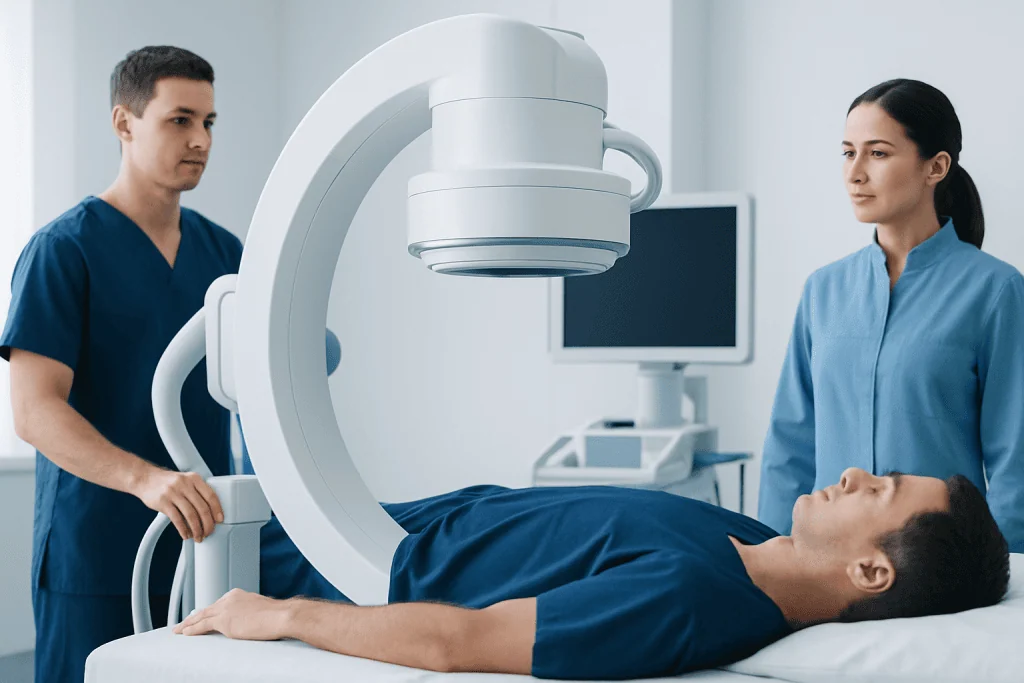
Lesions are often grouped by location. Skin lesions are among the most familiar examples and include moles, blisters, warts, cysts, acne nodules, scaly patches, ulcers, and non-healing sores. They may be flat or raised, smooth or rough, and skin-colored, red, brown, black, or white.
Internal lesions can occur in almost any organ or tissue. Doctors may describe lesions in the brain, liver, lungs, bones, breast, cervix, stomach, or intestines. These are often found during tests performed for symptoms or during routine screening. For example, a liver lesion may be seen on ultrasound, while a gastrointestinal lesion may be identified during endoscopy.
Lesions may also be described by their behavior or structure. Common medical descriptions include:
- Benign lesions: non-cancerous changes that usually do not spread.
- Malignant lesions: cancerous changes that can invade nearby tissue or spread.
- Inflammatory lesions: caused by irritation, immune activity, or chronic disease.
- Infectious lesions: linked to bacteria, viruses, fungi, or parasites.
- Cystic lesions: fluid-filled areas.
- Ulcerative lesions: areas where the surface tissue has broken down.
Sometimes a lesion is closely linked to a known condition. For example, certain scaly or changing skin lesions may need assessment for skin cancer, while lesions in the digestive tract may be evaluated in the context of stomach cancer or other disorders. Even so, many lesions are non-cancerous, and evaluation is meant to clarify the cause rather than assume the worst.
Symptoms and Warning Signs

The symptoms of a lesion depend mainly on where it is located and what is causing it. A skin lesion may be noticeable because it changes color, becomes raised, itches, hurts, crusts, bleeds, or does not heal. Some lesions are found only because a person notices a new spot or a change in an existing mole or patch of skin.
Internal lesions may not cause symptoms at all, especially when they are small. When symptoms do occur, they often relate to the affected organ. For example, a brain lesion may be associated with headaches, weakness, numbness, balance problems, speech changes, or seizures. A lesion in the digestive tract may cause pain, nausea, trouble swallowing, bleeding, or unexplained weight loss.
Features that deserve attention include:
- A lesion that is new and persists
- Rapid growth or change in shape, color, or texture
- Pain, tenderness, itching, or burning that does not settle
- Bleeding, oozing, crusting, or ulceration
- A sore that does not heal within a reasonable time
- Associated fever, swollen lymph nodes, fatigue, or unexplained weight loss
Not every warning sign means a lesion is serious, but changes over time matter. If a lesion looks different from the person’s usual skin findings or is linked with broader symptoms, it is sensible to seek medical advice.
Causes and Risk Factors
Lesions can arise for many reasons. Common causes include minor trauma, pressure, burns, insect bites, allergic reactions, and irritation from chemicals or friction. Infections are another frequent cause. Bacteria, viruses, and fungi can produce blisters, ulcers, nodules, abscesses, or inflamed patches depending on the site involved.
Inflammatory and autoimmune diseases also lead to lesions. Conditions such as psoriasis, eczema, inflammatory bowel disease, and autoimmune disorders can produce tissue changes on the skin or within organs. Reduced blood flow, nerve problems, and poor wound healing may contribute to chronic ulcers, especially in people with diabetes or vascular disease.
Some lesions are growths. These may be benign, such as lipomas, cysts, and polyps, or malignant, such as cancers of the skin or internal organs. Age, family history, smoking, alcohol use, chronic sun exposure, immune suppression, certain infections, and environmental exposures can all influence risk, depending on the organ involved.
Doctors also consider the person’s overall health and medical history. Important risk factors can include:
- Older age
- Personal or family history of cancer
- High sun exposure or indoor tanning
- Smoking and heavy alcohol use
- Chronic infections or weakened immunity
- Long-standing inflammation or autoimmune disease
- Diabetes, poor circulation, or limited mobility
How Doctors Diagnose a Lesion
Diagnosis starts with a detailed history and physical examination. A doctor will ask when the lesion appeared, whether it has changed, and whether there are symptoms such as pain, bleeding, fever, weight loss, or neurological changes. For skin lesions, the size, border, color, symmetry, and surface are all important clues.
If the lesion is on the skin, a dermatologist or other clinician may examine it with magnification. Internal lesions are usually evaluated with tests based on location. Imaging may include ultrasound, X-ray, CT, or MRI. In some cases, endoscopy is used to examine lesions in the digestive tract, airways, or bladder. If a lesion affects the brain or nervous system, a neurologic assessment and advanced imaging may be needed, sometimes in relation to conditions such as brain tumor.
Laboratory tests can help identify infection, inflammation, or organ dysfunction, but a biopsy is often the most definitive way to diagnose a lesion. In a biopsy, a small sample of tissue is removed and examined under a microscope. This can show whether the lesion is benign, precancerous, cancerous, infectious, or inflammatory.
It is common for doctors to recommend follow-up rather than immediate treatment when a lesion appears low-risk. Repeat examination or interval imaging can show whether it remains stable. This approach helps avoid unnecessary procedures while still monitoring for meaningful change.
Treatment Options
Treatment depends on the cause, location, size, symptoms, and test results. Some lesions need no active treatment and can simply be monitored over time. This is common when a lesion is clearly benign, stable, and not causing symptoms. In other cases, treatment is directed at the underlying problem, such as infection, inflammation, or cancer.
Medications may be used for infectious or inflammatory lesions. These can include antibiotics, antiviral medicines, antifungal treatment, or anti-inflammatory therapies, depending on the diagnosis. When a lesion forms an abscess or collection of fluid, drainage may be necessary. For skin lesions, treatment may also involve protective wound care and avoiding further irritation.
Procedures are sometimes needed to remove tissue, confirm a diagnosis, or prevent complications. Examples include endoscopy for evaluation and sampling of internal lesions, biopsy to identify the exact tissue change, and surgery when a lesion is large, suspicious, painful, or affecting organ function. Cancer-related lesions may require a combination of surgery, systemic treatment, and close follow-up.
Care is usually tailored by the specialist most relevant to the body area involved, such as dermatology, gastroenterology, neurology, general surgery, or oncology. Near the end of the care pathway, some patients may benefit from multidisciplinary review. Acibadem International’s multidisciplinary specialists and JCI-accredited hospitals diagnose and treat lesion-related conditions for international patients when advanced assessment or treatment is needed.
Prevention and Self-Care
Not all lesions can be prevented, but simple habits can lower risk and help with early detection. Skin protection is especially important. Regular use of sun-protective clothing, shade, and broad-spectrum sunscreen can reduce the chance of sun-related skin lesions. Avoiding indoor tanning is also advisable.
Good skin and wound care can prevent some lesions from worsening. Keeping cuts clean, avoiding picking or squeezing lesions, and seeking early care for signs of infection can support healing. People with diabetes or poor circulation should check their feet and skin regularly because small injuries can progress if they are not noticed early.
General health measures also matter. Not smoking, limiting alcohol, managing chronic conditions, staying up to date with recommended screening, and attending follow-up visits can all support earlier diagnosis of internal lesions. People with a personal or family history of cancer may need more individualized surveillance.
Self-checks are useful, but they should not replace medical assessment. A photograph taken over time can help track a visible lesion’s size or color, but a clinician should interpret persistent or changing findings.
When to Seek Medical Care
Medical review is appropriate if a lesion is new, enlarging, painful, bleeding, infected-looking, or not healing. Care should also be sought if there is an unexplained lump, a mole that changes noticeably, a mouth sore lasting more than a couple of weeks, or a lesion linked with fever, weight loss, or swollen glands.
Urgent assessment is important when a lesion is accompanied by severe symptoms such as sudden weakness, seizures, confusion, chest pain, trouble breathing, or significant bleeding. These symptoms may indicate involvement of a critical organ and should not be ignored.
If the lesion is internal and was found incidentally on imaging, follow-up should still be taken seriously even when the person feels well. Many internal lesions require comparison scans, biopsy, or specialist review to determine whether they are harmless or need treatment. In selected cases, advanced imaging such as MRI can help characterize deeper tissue changes more clearly.
Prompt evaluation does not mean a lesion is necessarily serious. It means the underlying cause can be identified sooner, which often leads to simpler treatment and greater peace of mind.
Frequently asked questions
Is a lesion always cancer?
No. A lesion is a general term for abnormal tissue and many lesions are benign or caused by irritation, infection, or inflammation. A doctor may recommend monitoring, imaging, or biopsy to determine the exact cause.
What does a lesion look like?
A lesion can look very different depending on where it occurs and what is causing it. On the skin, it may appear as a spot, bump, sore, blister, patch, or ulcer; internal lesions are usually seen on scans or endoscopy rather than by eye.
How is a lesion diagnosed?
Diagnosis usually begins with a medical history and physical examination. Depending on the lesion, doctors may use imaging, blood tests, endoscopy, or a biopsy to identify whether it is benign, infectious, inflammatory, or cancerous.
Can a lesion go away on its own?
Yes, some lesions do resolve without treatment, especially if they are related to minor injury, irritation, or a short-term infection. However, a lesion that persists, grows, or changes should be checked by a qualified doctor.
What is the difference between a lesion and a tumor?
A lesion is a broad term for any abnormal area of tissue. A tumor is a type of lesion that involves an abnormal mass or growth, and it may be benign or malignant.
When should someone worry about a skin lesion?
A skin lesion should be evaluated if it changes color or shape, grows quickly, bleeds, forms a crust, becomes painful, or does not heal. It is also wise to seek care if it looks different from other marks on the skin.
This article is for general information only and is not a substitute for professional medical advice. Please consult a qualified doctor about your individual situation.
Explore treatments in Turkey — costs, top hospitals & a free quote
JCI-accredited · board-certified surgeons · reply within 24h
Add us as a Preferred Source to see more of our trusted health content across Google Search, AI Overviews and Discover.

More from the Health Library

Two Laxatives Makes My Guts Churn: A Complete Medical Overview

Palliative Care — Explained by Medical Evidence, Not Myths

Epidemiologist — Explained by Medical Evidence, Not Myths

DNA Test — Explained by Medical Evidence, Not Myths
Brachiocephalic Vein — Explained by Medical Evidence, Not Myths