Astaxanthin: What Patients Need to Know

Astaxanthin is a carotenoid antioxidant found naturally in microalgae, salmon, trout, shrimp, and other seafood. Research suggests possible benefits for eye comfort, skin health, recovery from exercise, and protection from oxidative stress, but evidence is still developing.
Key Takeaways
- Astaxanthin is a carotenoid antioxidant found naturally in microalgae, salmon, trout, shrimp, and other seafood.
- Research suggests possible benefits for eye comfort, skin health, recovery from exercise, and protection from oxidative stress, but evidence is still developing.
- Most people tolerate astaxanthin supplements well, but side effects and interactions can occur, especially in people with chronic conditions or those taking medications.
- Astaxanthin is a supplement, not a replacement for medical treatment, a balanced diet, or sun protection.
- Patients who are pregnant, breastfeeding, preparing for surgery, or managing heart, hormone, or immune conditions should ask a doctor before starting it.
Astaxanthin is a naturally occurring antioxidant pigment found in certain algae and seafood, and it is commonly sold as a dietary supplement. Patients often ask whether it is useful and safe; the short answer is that it may offer some health benefits for selected people, but it is not a cure, and individual risks, medications, and health conditions should be considered before use.
Overview: What Astaxanthin Is and Why People Use It
Astaxanthin is a red-orange pigment from the carotenoid family. It is produced naturally by microalgae and then accumulates in marine animals that eat those algae, which is why salmon, trout, krill, shrimp, and lobster can have a pink or reddish color. In supplements, astaxanthin is usually derived from the microalga Haematococcus pluvialis, although some products may be made from other sources.
Patients most often encounter astaxanthin as a capsule, softgel, or ingredient in combination antioxidant formulas. It is widely promoted for “cell protection” because it can help neutralize oxidative stress, a process linked with aging, exercise strain, inflammation, and some chronic diseases. However, claims around supplements are often broader than the medical evidence supports, so it is important to separate possible benefits from proven treatment effects.
Current research suggests that astaxanthin may be helpful in some areas, especially as a supportive nutritional supplement rather than a primary therapy. It has been studied for eye comfort during screen use, skin appearance, muscle recovery after exercise, and general antioxidant support. Still, results are mixed across studies, and many trials are small, short-term, or focused on selected groups of adults rather than the general population.
Potential Benefits and What the Evidence Shows

Astaxanthin is best understood as a supplement with possible supportive benefits rather than a medicine that treats disease. Its antioxidant and anti-inflammatory effects are the main reasons it is being studied. Some people may notice subjective improvements, but expectations should remain realistic.
Areas of interest in research include:
- Eye health: Some studies suggest astaxanthin may help reduce eye fatigue or support visual comfort, especially in people who spend long hours on digital devices. It is not a replacement for a formal eye evaluation if vision changes occur.
- Skin health: Astaxanthin may help support skin elasticity, moisture, and protection from environmental stress when combined with good skincare habits and sun protection.
- Exercise and recovery: It has been studied for reducing exercise-related oxidative stress and supporting recovery, though results vary depending on training level and study design.
- General antioxidant support: Because oxidative stress is involved in many body processes, researchers continue to explore broader roles, but this does not mean astaxanthin can prevent or treat complex diseases on its own.
It is also important to keep benefits in context. If a person has blurred vision, chest symptoms, severe fatigue, skin changes, or ongoing inflammation, these should not be attributed to “low antioxidants” without proper assessment. For example, visual symptoms may need evaluation through a comprehensive eye examination, and unexplained cardiovascular symptoms may need assessment by a cardiology specialist. Supplements may support health, but they do not replace diagnosis.
Food Sources, Supplements, and Product Quality
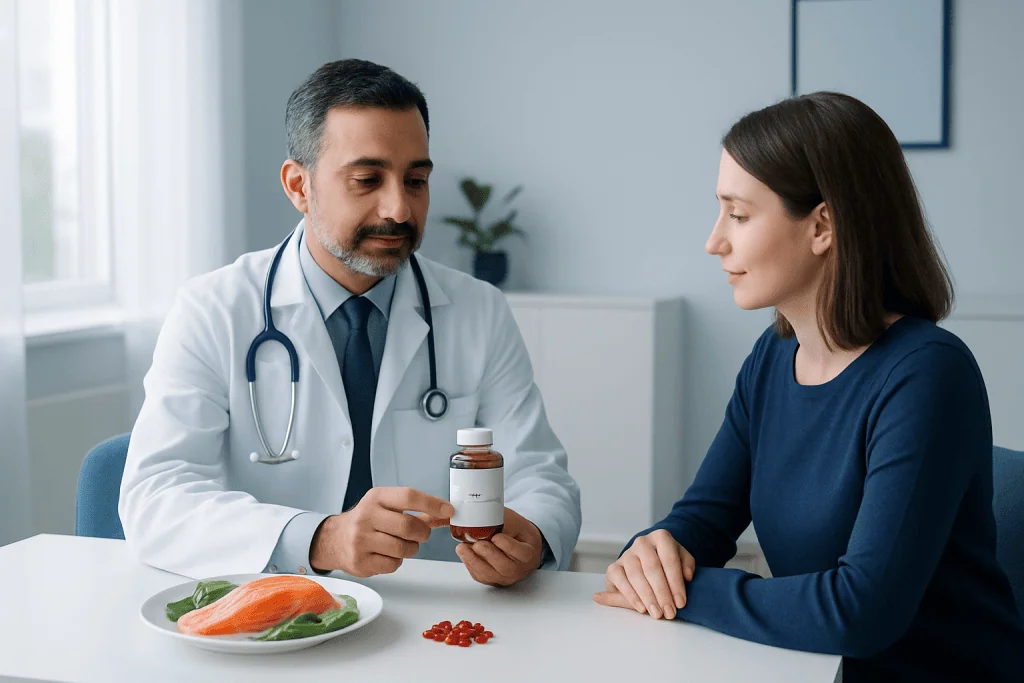
Astaxanthin occurs naturally in certain foods, especially salmon, trout, shrimp, crab, and lobster. Eating these foods as part of a balanced diet also provides protein, minerals, and other nutrients, so food sources may be preferable for many people. However, the exact amount of astaxanthin in food can vary depending on the species and how it was raised or caught.
Supplements offer a more standardized amount, but product quality can differ. As with many dietary supplements, manufacturing standards and labeling accuracy are not always uniform across brands. Patients may see products advertised as “natural” or “synthetic,” and this distinction matters because the form, source, and purity may vary. Reading labels carefully and choosing products from reputable manufacturers is sensible.
Combination supplements may include astaxanthin alongside omega-3 fatty acids, lutein, zeaxanthin, coenzyme Q10, or vitamins. These formulas can make it difficult to know which ingredient is causing a benefit or a side effect. People who already take several supplements should review the full ingredient list with a clinician or pharmacist to avoid overlap, unnecessary use, or interactions with medicines.
Safety, Side Effects, and Who Should Be Cautious
Astaxanthin is generally considered well tolerated when used appropriately, but “natural” does not always mean risk-free. Reported side effects are usually mild and may include stomach discomfort, changes in stool color, or digestive upset. Some people may also notice changes in appetite or experience sensitivity to ingredients in the supplement formulation rather than to astaxanthin itself.
Caution is especially important for people with chronic medical conditions. Astaxanthin may affect blood pressure, blood sugar, or immune activity in ways that are not relevant for healthy adults but may matter for patients with heart disease, diabetes, autoimmune disorders, or hormone-related conditions. Anyone already receiving treatment for a chronic illness should ask a healthcare professional before adding a supplement.
Patients should also be careful if they are taking blood thinners, blood pressure medicines, diabetes medicines, or immune-modulating drugs. Although interactions are not always severe, combining supplements with prescription drugs can change the expected effect of either one. If a person has a known medical condition such as hypertension or is being evaluated for metabolic or cardiovascular risk, supplement choices should be discussed as part of the overall care plan.
Pregnant or breastfeeding patients, children, and people preparing for surgery should be especially cautious, because safety data in these groups are more limited. In these situations, a clinician can help decide whether a supplement is appropriate or whether it is better avoided.
How Doctors Evaluate Supplement Use
Astaxanthin does not usually require a special test before use, but a doctor may still want to understand why a patient is considering it. The key questions are whether there is a symptom that needs diagnosis, whether the person has medical conditions that could affect safety, and whether current medications or supplements increase the chance of interactions.
A proper review often includes medical history, current prescriptions, allergies, and the reason for use. For example, someone taking astaxanthin for tired eyes may benefit from an eye assessment if symptoms are persistent, while someone using it for muscle recovery may need a broader review of exercise habits, nutrition, sleep, and underlying health. In some cases, fatigue, weakness, or poor recovery are linked to issues such as anemia, thyroid disorders, overtraining, or chronic disease rather than antioxidant intake.
Doctors may also recommend basic tests if symptoms suggest another condition. Depending on the person’s concerns, this might include blood pressure checks, blood sugar assessment, or laboratory tests to evaluate general health. If symptoms point toward a separate diagnosis, targeted care is more helpful than relying on supplements alone. For example, persistent weakness or numbness should not be self-treated without evaluation, and some patients may need neurology assessment if symptoms involve the nervous system.
Practical Use: Self-care, Expectations, and Healthy Habits
For patients interested in astaxanthin, it is helpful to treat it as one part of a broader health plan rather than a shortcut. A balanced diet, regular physical activity, good sleep, stress management, smoking avoidance, and routine medical care remain the foundations of long-term health. Supplements may complement these habits but cannot replace them.
People using astaxanthin for skin support should continue established protective measures, especially daily sun protection and skin monitoring. Those taking it for eye comfort should also address screen time habits, lighting, hydration, and corrective lenses if needed. Exercise-focused users should pair supplements with gradual training, recovery, and adequate nutrition.
It is sensible to keep a simple record of when the supplement was started, why it was started, and whether any changes or side effects occur. If there is no clear benefit after a reasonable period, a clinician may advise stopping it. This helps avoid long-term supplement use without a defined purpose.
Near the end of the care journey, some patients prefer a specialist review to place supplement use in context with overall health. Acibadem International’s multidisciplinary specialists and JCI-accredited hospitals diagnose and manage a wide range of medical concerns for international patients, especially when symptoms need proper assessment rather than self-treatment alone.
When to Seek Medical Care
Astaxanthin is not an emergency issue in most cases, but symptoms should never be dismissed simply because a person is taking a supplement. Medical advice is important if there are signs of an allergic reaction, severe stomach symptoms, dizziness, fainting, unusual bruising, or a clear worsening after starting a new product.
Patients should also seek care if they are using astaxanthin to manage ongoing symptoms that remain unexplained. Examples include persistent blurred vision, chest discomfort, severe fatigue, muscle weakness, numbness, skin changes, or headaches. These may have causes that require diagnosis and treatment, and supplements should not delay appropriate evaluation.
A doctor visit is especially appropriate for anyone with chronic disease, those taking multiple medications, and people planning surgery or pregnancy. In these situations, a personalized review can help determine whether astaxanthin is reasonable, unnecessary, or potentially risky.
Frequently asked questions
What is astaxanthin used for?
Astaxanthin is mainly used as a dietary supplement for antioxidant support. People commonly take it for eye comfort, skin health, exercise recovery, and general wellness, although it is not a proven treatment for disease.
Is astaxanthin safe to take every day?
Many adults tolerate astaxanthin well, but daily use is not automatically right for everyone. Safety depends on a person’s medical conditions, medications, and the quality of the supplement, so regular use should be discussed with a healthcare professional.
Can astaxanthin replace a healthy diet?
No. Astaxanthin does not replace the benefits of a balanced diet that includes vegetables, fruit, whole grains, healthy fats, and protein. Food patterns affect health in many ways that a single supplement cannot reproduce.
Does astaxanthin help with skin and aging?
Some studies suggest that astaxanthin may support skin moisture, elasticity, and protection from oxidative stress. However, it should be seen as a supportive measure, not a substitute for sun protection, skincare, or medical evaluation of skin concerns.
Are there side effects of astaxanthin?
Possible side effects are usually mild and may include digestive upset or changes in stool color. More importantly, astaxanthin may interact with medicines or affect certain health conditions, which is why medical advice is important for higher-risk patients.
Who should avoid astaxanthin or ask a doctor first?
People who are pregnant, breastfeeding, preparing for surgery, or living with chronic illnesses should ask a doctor before using astaxanthin. The same is true for anyone taking blood thinners, blood pressure medicines, diabetes medicines, or immune-related treatments.
References
- National Institutes of Health Office of Dietary Supplements
- U.S. Food and Drug Administration
- European Food Safety Authority
- World Health Organization
- National Center for Complementary and Integrative Health
This article is for general information only and is not a substitute for professional medical advice. Please consult a qualified doctor about your individual situation.
Explore treatments in Turkey — costs, top hospitals & a free quote
JCI-accredited · board-certified surgeons · reply within 24h
Add us as a Preferred Source to see more of our trusted health content across Google Search, AI Overviews and Discover.