Atonic Seizures in Children: Sudden Falls and Neuropediatric Assessment

Atonic seizures cause sudden loss of muscle tone and may lead to unexpected falls or head drops. They are usually brief, but they can increase the risk of injury, especially to the face and head.
Key Takeaways
- Atonic seizures cause sudden loss of muscle tone and may lead to unexpected falls or head drops.
- They are usually brief, but they can increase the risk of injury, especially to the face and head.
- Diagnosis often includes a detailed history, neurological examination, and EEG, with brain imaging in selected cases.
- Treatment depends on the child's seizure type, epilepsy syndrome, age, and overall development.
- Families should seek medical review for unexplained repeated falls, staring spells, or sudden collapses.
Atonic seizures in children are brief seizures that cause a sudden loss of muscle tone, often leading to head drops, limpness, or falls. Because these episodes can look like clumsiness or fainting, a careful neuropediatric assessment is important for accurate diagnosis and treatment planning.
Overview
Atonic seizures in children are seizures in which muscle tone suddenly decreases for a short time. This can make a child’s head drop forward, cause the body to go limp, or lead to an abrupt fall. Because the change happens quickly and may last only seconds, caregivers may not realize at first that the event is a seizure.
These seizures are sometimes called “drop attacks,” although not every drop attack is caused by epilepsy. Some children remain aware during the episode, while others may briefly lose awareness. The main visible feature is the sudden loss of posture or strength rather than shaking.
Atonic seizures can occur on their own, but they are also seen as part of certain epilepsy syndromes in childhood. A neuropediatric assessment helps clarify whether the events are epileptic, how often they happen, and whether they are linked to other seizure types or developmental concerns.
Symptoms and What Episodes Can Look Like
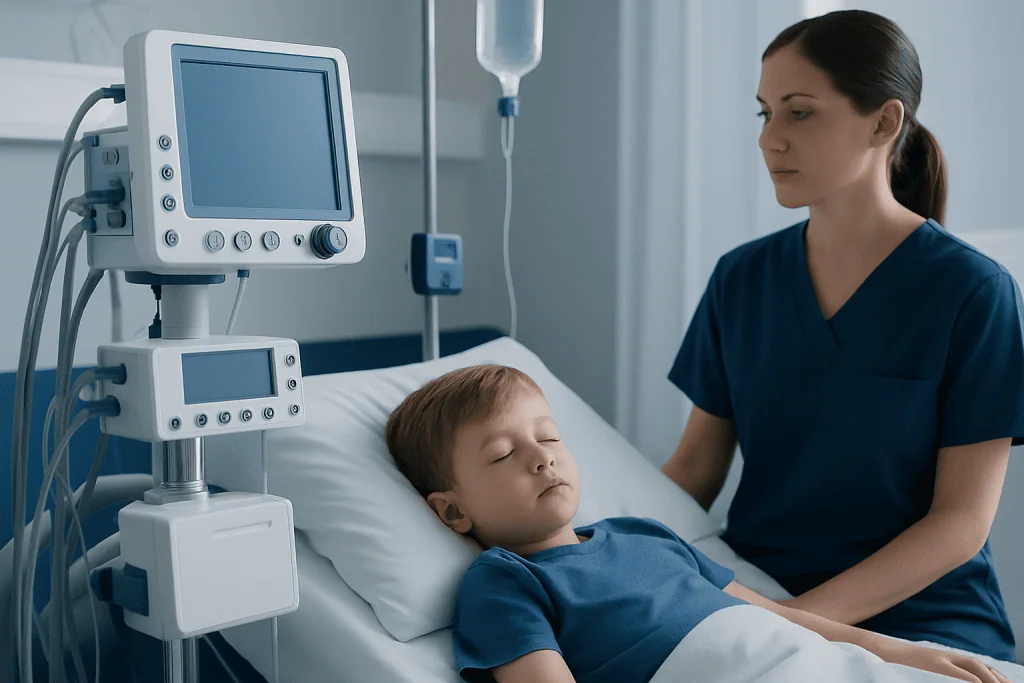
The hallmark symptom is a brief, sudden loss of muscle tone. In a mild episode, a child may simply nod, drop an object, or seem momentarily floppy. In a more noticeable event, the knees may buckle and the child may collapse to the ground without warning.
Episodes are often very short, sometimes lasting only a few seconds. A child may recover quickly and return to activity, which can make the event easy to miss or dismiss. In other cases, there may be a brief period of confusion, tiredness, or hesitation afterward.
Parents and teachers may notice patterns such as repeated unexplained falls, frequent facial injuries, or “clumsy” moments that seem too sudden to be ordinary. Some children also have other seizure types, such as staring spells, stiffening episodes, or jerking movements.
- Sudden head drop
- Brief limpness of the whole body or part of the body
- Unexpected falls without trying to protect oneself
- Dropping objects from the hands
- Very brief pause in activity with immediate recovery
- Possible injuries to the face, chin, teeth, or scalp
Causes and Risk Factors

Atonic seizures happen because of brief abnormal electrical activity in the brain. In some children, the exact cause is not identified. In others, atonic seizures are part of a broader epilepsy condition, especially when there are several seizure types or developmental difficulties.
They may be associated with structural brain differences, genetic conditions, previous brain injury, or metabolic and neurodevelopmental disorders. Some children have normal development and otherwise normal health, while others may have learning, movement, or behavioral challenges that provide clues to the underlying cause.
Risk factors depend on the child’s medical background. A family history of epilepsy, earlier febrile seizures, developmental delay, or a known neurological condition may increase concern. In some cases, atonic seizures occur within complex epilepsy syndromes, such as childhood epilepsy or syndromes that require specialist follow-up.
Because sudden falls can have many causes, doctors also consider non-epileptic explanations such as fainting, heart rhythm problems, movement disorders, sleep disorders, or behavioral events. Distinguishing among these possibilities is one of the main goals of assessment.
How Atonic Seizures Are Diagnosed
Diagnosis begins with a detailed history from parents, caregivers, and when possible, teachers. Doctors often ask what happened before, during, and after the event, how long it lasted, whether there was loss of awareness, and whether the child has had injuries or other unusual spells. A smartphone video of an episode can be very helpful.
A neuropediatric examination looks at the child’s development, muscle tone, coordination, reflexes, language, and general neurological health. The doctor will also review pregnancy and birth history, developmental milestones, school performance, medications, and family history.
One of the most important tests is an electroencephalogram, often referred to as an EEG test, which records the brain’s electrical activity. Depending on the situation, the child may need a routine EEG, sleep-deprived EEG, or longer video-EEG monitoring to capture typical events and tell epileptic seizures from non-epileptic episodes.
Brain imaging may be recommended when the history or examination suggests a structural cause. In that setting, brain MRI can help identify abnormalities that may guide treatment. Some children also need blood tests, genetic testing, cardiac evaluation, or assessment for related developmental or behavioral issues.
Treatment Options
Treatment is individualized and depends on the child’s seizure pattern, age, developmental status, test results, and whether an epilepsy syndrome is present. The main aims are to reduce seizures, prevent injuries, and support the child’s daily function and development. Families should always follow a treatment plan made by a qualified pediatric neurologist or neuropediatrician.
Anti-seizure medicines are often the first treatment. The choice of medication depends on the seizure type and the broader epilepsy diagnosis. Not every medicine works well for every seizure type, so specialist guidance is important, especially when a child has mixed seizure patterns.
If seizures are difficult to control, further options may be discussed in a specialist center. These can include dietary therapy such as a ketogenic-style approach, implanted-device therapy in selected cases, or surgery when a clear brain focus is identified. In carefully chosen children, a broader epilepsy surgery evaluation may be considered as part of advanced care.
Supportive treatment matters too. Helmets may help reduce injury from falls in some children, and schools may need a safety and supervision plan. When atonic seizures are part of a more complex condition, management may also involve rehabilitation, developmental therapies, and ongoing pediatric neurology care.
Prevention, Safety, and Daily Self-care
Atonic seizures cannot always be prevented completely, but good seizure management can lower their frequency and reduce the chance of injury. Families should give medicines exactly as prescribed and avoid stopping them suddenly unless told to do so by the doctor. Regular follow-up is important because treatment may need adjustment as the child grows.
Many children benefit from practical safety steps at home and school. Soft floor play areas, supervision on stairs, attention during bathing, and protective headgear in selected cases can all help. Teachers and caregivers should know what the child’s seizures look like and what to do if one happens.
Common seizure triggers vary from child to child, but poor sleep, missed medication doses, illness, fever, and sometimes flashing lights may play a role. Keeping a seizure diary can help families track patterns, note possible triggers, and share useful information at clinic visits.
Parents may also need emotional and practical support. Repeated sudden falls can be stressful for both the child and family, especially if injuries occur. Clear education, school planning, and communication with the medical team can make daily life more manageable and reassuring.
When to See a Doctor
A child should be medically assessed if there are repeated unexplained falls, sudden head drops, brief collapses, or episodes that look like the body suddenly goes limp. Even when the child recovers quickly, recurring events deserve attention because they may represent seizures or another neurological condition.
Urgent medical care is needed if an episode causes significant injury, lasts longer than usual, happens in clusters, or is followed by prolonged confusion, breathing difficulty, or poor responsiveness. Emergency help is also important if a child has a first seizure with concerning symptoms such as blue lips, serious head trauma, or delayed recovery.
Families should not feel they need to figure this out alone. Early specialist review can shorten the path to diagnosis and safer management. Near the end of the care pathway, it may also be helpful to know that Acibadem International’s multidisciplinary specialists in JCI-accredited hospitals diagnose and treat seizure disorders in international patients.
Frequently asked questions
What is an atonic seizure in a child?
An atonic seizure is a brief seizure that causes a sudden loss of muscle tone. A child may have a head drop, go limp, or fall unexpectedly, often with very quick recovery.
Are atonic seizures dangerous?
The seizure itself is usually brief, but the main concern is injury from sudden falls. Because a child may not have time to protect the head or face, proper diagnosis and safety planning are important.
How are atonic seizures different from fainting?
Fainting is usually related to a temporary drop in blood flow to the brain and may be triggered by standing, heat, pain, or dehydration. Atonic seizures are caused by abnormal electrical activity in the brain and often need neurological testing, especially EEG, to help distinguish them.
Can a child outgrow atonic seizures?
Some children improve over time, especially when treatment works well or when seizures are linked to a syndrome that changes with age. Others continue to need long-term follow-up, so prognosis depends on the underlying cause and the child’s overall neurological development.
What tests are usually needed?
Doctors usually start with a detailed history and neurological examination. An EEG is commonly used, and some children also need brain MRI, blood tests, genetic testing, or longer video monitoring depending on the clinical picture.
What should parents do during an episode?
The first priority is safety: protect the child from hitting hard surfaces and remove nearby hazards. If the child does not recover as usual, has trouble breathing, has a serious injury, or the event lasts longer than expected, urgent medical help should be sought.
References
- World Health Organization
- International League Against Epilepsy
- National Institute of Neurological Disorders and Stroke
- American Epilepsy Society
- American Academy of Pediatrics
This article is for general information only and is not a substitute for professional medical advice. Please consult a qualified doctor about your individual situation.
Explore treatments in Turkey — costs, top hospitals & a free quote
JCI-accredited · board-certified surgeons · reply within 24h
Add us as a Preferred Source to see more of our trusted health content across Google Search, AI Overviews and Discover.