Autoimmune Myelitis: Sudden Weakness, MRI Findings, and Neuroimmunology Care

Autoimmune myelitis affects the spinal cord and can develop over hours to days. Common symptoms include weakness, numbness, pain, walking difficulty, and bladder or bowel changes.
Key Takeaways
- Autoimmune myelitis affects the spinal cord and can develop over hours to days.
- Common symptoms include weakness, numbness, pain, walking difficulty, and bladder or bowel changes.
- MRI and spinal fluid testing help doctors confirm inflammation and look for the underlying cause.
- Treatment often includes high-dose steroids and, in some cases, plasma exchange or other immune therapies.
- Recovery varies, but early specialist care and rehabilitation can improve function and quality of life.
Autoimmune myelitis is inflammation of the spinal cord caused by the immune system mistakenly attacking nervous tissue. It may lead to sudden weakness, sensory changes, pain, or bladder and bowel symptoms, and early diagnosis is important because treatment can reduce inflammation and support recovery.
Overview
Autoimmune myelitis is a type of spinal cord inflammation caused by an abnormal immune response. The spinal cord carries messages between the brain and the rest of the body, so inflammation in this area can disrupt movement, sensation, and automatic functions such as bladder and bowel control. Symptoms often begin quickly, sometimes over hours or a few days, which is why timely medical assessment matters.
The term myelitis means inflammation of the spinal cord. When doctors use the term autoimmune myelitis, they mean that the immune system is involved, either on its own or as part of a broader condition. In some people, it appears as transverse myelitis, while in others it is linked to disorders such as multiple sclerosis, neuromyelitis optica spectrum disorder, or myelin oligodendrocyte glycoprotein antibody-associated disease.
Autoimmune myelitis is not a single disease with one cause. Instead, it is a clinical problem that requires careful evaluation to find the pattern of inflammation and the most likely trigger. This helps guide treatment and gives a clearer idea of what to expect during recovery.
Symptoms
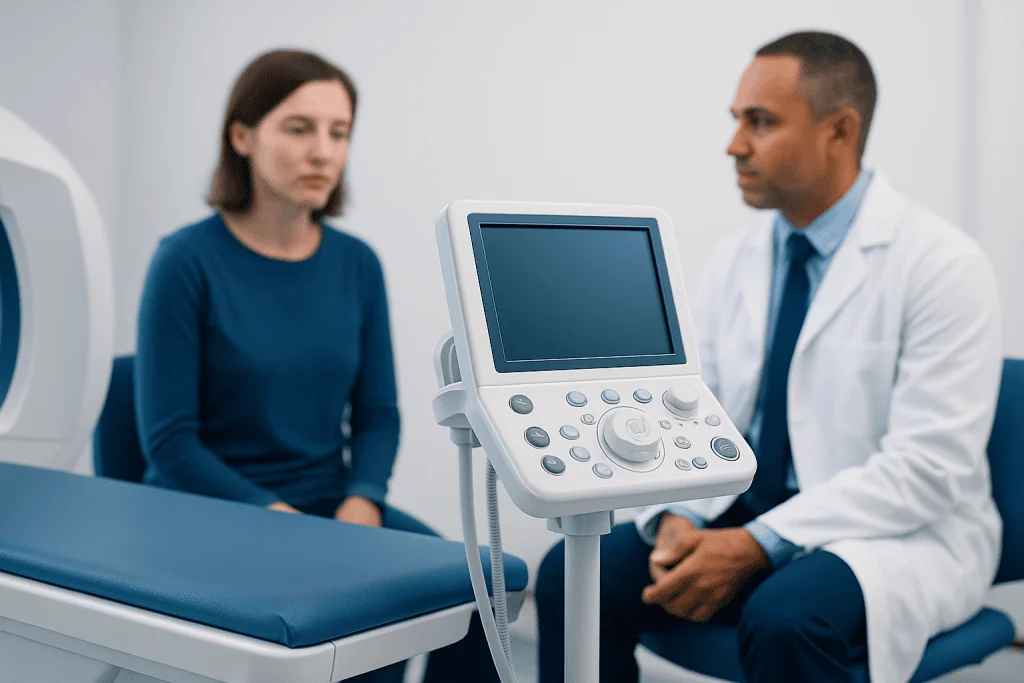
Symptoms depend on which part of the spinal cord is inflamed and how severe the inflammation is. Many people notice sudden or subacute weakness in the legs, and sometimes the arms as well. Walking may become difficult, and some people feel heaviness, stiffness, or loss of coordination.
Sensory symptoms are also common. These can include numbness, tingling, burning, electric-shock sensations, or a band-like tightness around the trunk. Some people describe a clear sensory level, meaning that feeling changes below a certain point on the body. Back or neck pain may occur at the start or alongside other symptoms.
Because the spinal cord also controls automatic body functions, bladder, bowel, and sexual symptoms may develop. These can include urgency, difficulty passing urine, constipation, or incontinence. The combination of weakness, sensory changes, and bladder symptoms is a common clue that the spinal cord may be involved.
- Sudden or progressive weakness in one or both legs
- Numbness, tingling, or reduced sensation
- Back pain or a tight band-like feeling
- Difficulty walking or poor balance
- Bladder or bowel changes
- Muscle stiffness or spasms
Causes and Risk Factors

Autoimmune myelitis happens when the immune system causes inflammation within the spinal cord. In some cases, it follows an infection, not because the infection is directly attacking the cord, but because the immune response becomes misdirected. In others, it is part of an established autoimmune or neuroinflammatory condition.
Doctors often look for underlying disorders such as multiple sclerosis, neuromyelitis optica spectrum disorder, systemic autoimmune diseases, or MOG antibody-associated disease. Occasionally, myelitis may be the first sign of one of these conditions. Finding the cause is important because long-term treatment and the risk of future relapses can differ.
Risk factors vary depending on the underlying diagnosis. A personal or family history of autoimmune disease may be relevant, but many people have no obvious risk factor before symptoms begin. Autoimmune myelitis is not contagious, and it is not caused by injury alone, although spinal cord symptoms can sometimes resemble those seen in compression or trauma, which is why urgent assessment is needed.
How MRI Findings Help Diagnosis
MRI is one of the most important tests when autoimmune myelitis is suspected. It allows doctors to look directly at the spinal cord for areas of inflammation, swelling, or tissue injury. MRI of the brain is often performed as well, because brain findings may suggest a related neuroimmunological condition and help narrow the diagnosis.
In autoimmune myelitis, MRI may show lesions within the spinal cord. Their location, length, and pattern can provide useful clues. For example, some inflammatory disorders cause short lesions affecting part of the cord, while others may produce longer segments of inflammation. MRI with contrast can also show whether there is active breakdown of the blood-brain barrier, which can support the diagnosis of current inflammation.
However, MRI findings need to be interpreted together with symptoms, examination findings, blood tests, and cerebrospinal fluid studies. A normal or subtle early MRI does not always completely exclude myelitis, especially if symptoms are recent. In some cases, repeat imaging is needed if suspicion remains high.
Diagnosis and Neuroimmunology Evaluation
Diagnosis usually begins with a neurological examination and urgent imaging to confirm that the spinal cord is affected and to exclude other causes, such as compression from a disc problem, bleeding, or a tumor. The doctor will ask how quickly symptoms developed, whether there was a recent infection, and whether there are any signs of autoimmune disease elsewhere in the body.
Additional tests often include blood work, antibody testing, and a lumbar puncture to examine cerebrospinal fluid. These studies can show signs of inflammation and help identify conditions such as multiple sclerosis or neuromyelitis optica spectrum disorder. Infections and vitamin deficiencies may also need to be ruled out, because they can cause similar symptoms and require different treatment.
Because the causes can be complex, many patients benefit from a neuroimmunology-focused approach. A team may include neurologists, neuroradiologists, rehabilitation specialists, and sometimes rheumatologists or infectious disease experts. Where needed, tests such as lumbar puncture and MRI scanning support a more precise diagnosis and treatment plan.
Treatment Options
Treatment aims to reduce inflammation quickly, manage symptoms, and address the underlying condition. High-dose corticosteroids are commonly used as first-line therapy for acute autoimmune myelitis. If the response is incomplete or symptoms are severe, plasma exchange may be recommended to remove harmful antibodies or immune factors from the blood.
Some patients may need intravenous immune therapies or longer-term medicines that lower the risk of future attacks, especially if myelitis is part of a relapsing neuroimmunological disease. The exact treatment depends on the diagnosis, severity, MRI pattern, and laboratory findings. Symptom relief is also important and may include treatment for pain, muscle spasms, bladder problems, or constipation.
Rehabilitation is a key part of care. Physical therapy can improve strength, mobility, and balance, while occupational therapy can support daily activities and independence. If swallowing, speech, mood, or coping are affected, additional specialist support may help. In selected cases, plasma exchange treatment and coordinated physical therapy and rehabilitation are part of comprehensive care.
Recovery, Prevention, and Self-care
Recovery from autoimmune myelitis is variable. Some people improve substantially over weeks to months, while others may have lasting weakness, numbness, fatigue, or bladder symptoms. Improvement is often gradual, and progress may continue for a long time after the acute episode. Early treatment and consistent rehabilitation can make a meaningful difference.
There is no single way to prevent all cases, because the condition has several possible causes. Prevention mainly focuses on reducing relapse risk when an underlying autoimmune disease is identified. This may involve regular follow-up, maintenance immune treatment, and monitoring with repeat MRI or laboratory testing when advised.
Self-care during recovery includes pacing activities, following therapy recommendations, protecting skin and joints if mobility is limited, and seeking help for emotional stress. Patients should keep follow-up appointments and discuss any new symptoms promptly. Near the end of the care pathway, some international patients choose centers such as Acibadem International, where multidisciplinary specialists in JCI-accredited hospitals evaluate and treat neuroimmunological conditions.
When to See a Doctor
New weakness, difficulty walking, numbness spreading upward, or sudden bladder or bowel changes should be assessed urgently. These symptoms can be caused by autoimmune myelitis, but they may also reflect spinal cord compression or other emergencies that need rapid treatment. It is safer not to wait and see if symptoms go away on their own.
People who already have a neuroimmunological condition should contact their doctor promptly if they develop new spinal symptoms, worsening balance, or severe pain. A relapse may need early treatment to limit inflammation and support recovery. Even if symptoms seem mild at first, the pattern and speed of progression can provide important clues.
Ongoing care is also important after diagnosis. Follow-up helps track recovery, adjust treatment, and plan rehabilitation goals. If symptoms are affecting work, sleep, mood, or independence, discussing these concerns with the care team can lead to practical support and better overall management.
Frequently asked questions
Is autoimmune myelitis the same as transverse myelitis?
Not exactly. Transverse myelitis describes a pattern of spinal cord inflammation, while autoimmune myelitis highlights that the immune system is thought to be the cause. In practice, the terms can overlap, but doctors still need to find out whether the inflammation is isolated or part of a broader condition.
Can autoimmune myelitis cause sudden weakness?
Yes. Sudden or rapidly developing weakness is one of the most common symptoms, especially in the legs. Because weakness can also happen with other spinal cord emergencies, prompt medical evaluation is important.
What does MRI show in autoimmune myelitis?
MRI may show inflamed areas, called lesions, within the spinal cord. The size, length, and location of these lesions can help doctors understand the likely cause, but MRI is interpreted together with symptoms, examination, and lab tests.
Is autoimmune myelitis treatable?
Yes, it is treatable, and early treatment is often helpful. Many patients receive high-dose steroids, and some need plasma exchange or longer-term immune therapy depending on the underlying diagnosis.
How long does recovery take?
Recovery varies from person to person. Some people improve over weeks, while others need months of rehabilitation and may continue to recover gradually over a longer period. The outcome depends on the severity of inflammation, the cause, and how quickly treatment begins.
Can autoimmune myelitis come back?
It can, especially if it is linked to a relapsing neuroimmunological disease. This is why follow-up with a neurologist is important. Ongoing treatment may be recommended to reduce the chance of future attacks.
References
- World Health Organization
- National Institute of Neurological Disorders and Stroke
- National Multiple Sclerosis Society
- Transverse Myelitis Association
- American Academy of Neurology
This article is for general information only and is not a substitute for professional medical advice. Please consult a qualified doctor about your individual situation.
Neuroimmunology in Turkey — costs, top hospitals & a free quote
JCI-accredited · board-certified surgeons · reply within 24h
Add us as a Preferred Source to see more of our trusted health content across Google Search, AI Overviews and Discover.

More from the Health Library



Related Specialists

Dr. Tülin Turan Hizli
Pediatrics
Dr. Sedef Başgönül
Infectious Diseases & Clinical Microbiology
Dr. Orkhan Bairamov
Dermatology
Assoc. Prof. Dr. Nejdet Karşıyakalı
Urology