Autopsy: What Patients Need to Know
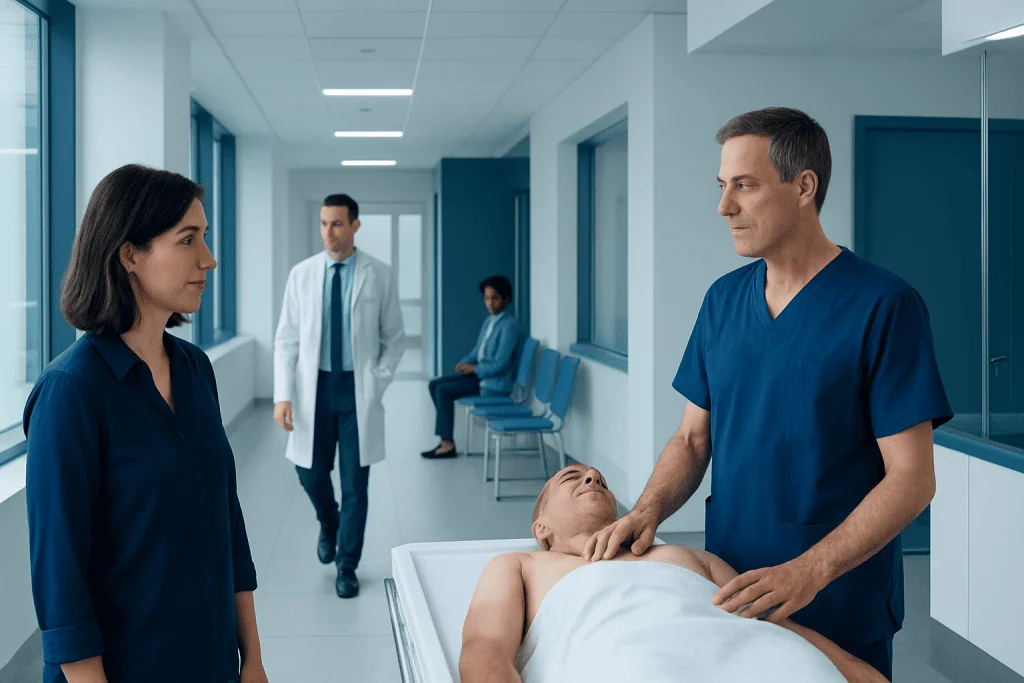
An autopsy is performed after death to examine organs, tissues, and sometimes body fluids. It may confirm a known cause of death or reveal conditions that were not diagnosed during life.
Key Takeaways
- An autopsy is performed after death to examine organs, tissues, and sometimes body fluids.
- It may confirm a known cause of death or reveal conditions that were not diagnosed during life.
- There are different types of autopsy, including medical and forensic autopsies.
- Consent rules vary by country and by the reason the autopsy is being requested.
- Results often come in stages, with a preliminary report first and final findings later.
An autopsy is a careful medical examination of a person's body after death to help determine the cause of death, confirm diagnoses, and better understand disease or injury. For families, it can provide clear information, answer unresolved questions, and sometimes guide care for surviving relatives.
Overview: what an autopsy is and why it is done
An autopsy is a structured medical examination performed after death. It usually includes a review of the person’s medical history, an external examination of the body, and an internal examination of organs and tissues. The goal is to understand why the person died, confirm or clarify medical diagnoses, and identify disease or injury that may not have been fully recognized during life.
Many people think of autopsy only in legal investigations, but it is also an important medical tool. In hospitals, a medical autopsy can help explain unexpected outcomes, improve understanding of illness, and provide useful information to relatives. In some cases, findings may suggest inherited conditions that could be relevant for family members, such as certain heart or neurological disorders.
Autopsy findings can also support quality improvement in healthcare. Even with modern scans, blood tests, and procedures, some conditions remain difficult to diagnose with certainty before death. A postmortem examination can help doctors compare clinical impressions with actual findings and learn more about complex disease processes.
Types of autopsy
There are two main types of autopsy: medical autopsy and forensic autopsy. A medical autopsy is usually requested by doctors or family members to better understand disease, confirm the cause of death, or answer important clinical questions. It is commonly performed in a hospital by a pathologist.
A forensic autopsy is carried out when a death may be sudden, unexplained, suspicious, related to injury, or subject to legal review. In these cases, a medical examiner or forensic pathologist investigates the death to help determine not only the medical cause but also the manner of death, such as natural, accidental, homicide, suicide, or undetermined.
Some centers may also offer limited autopsy approaches. These may focus on a specific organ system, such as the brain or heart, or use imaging alongside or instead of a full internal examination in selected situations. For example, if there were unanswered concerns about heart disease or a previously suspected brain tumor, a targeted approach may sometimes be considered depending on local practice and consent.
- Medical autopsy: aims to clarify disease and cause of death.
- Forensic autopsy: supports legal and investigative needs.
- Limited autopsy: examines selected organs or regions.
- Imaging-supported postmortem evaluation: may include scans in certain centers.
What happens during an autopsy
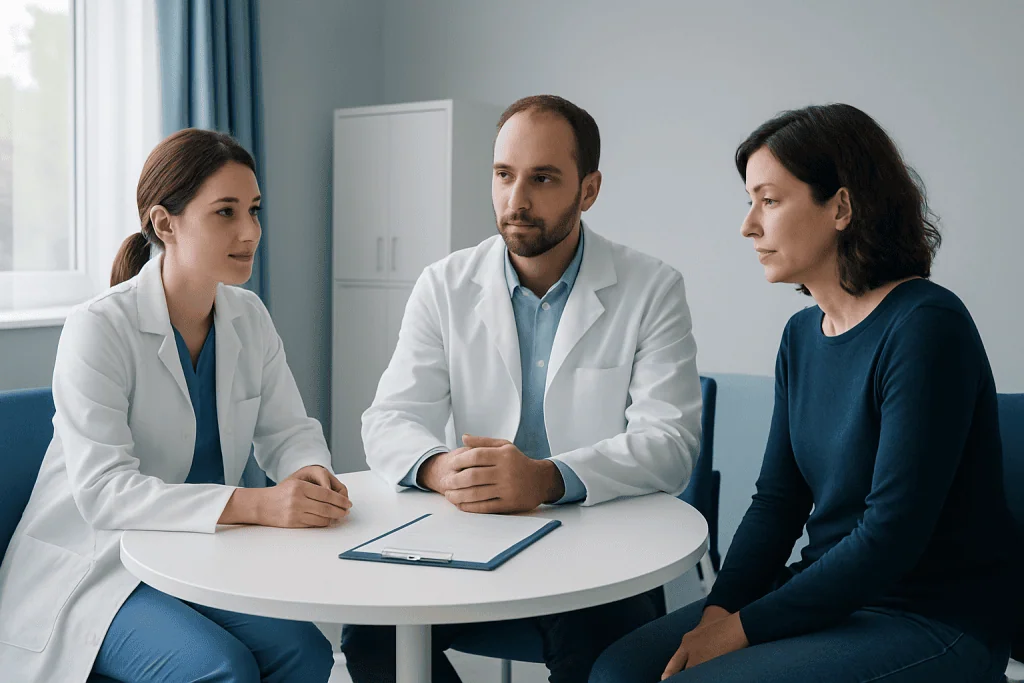
An autopsy begins with review of the person’s medical records, symptoms, treatments, operations, imaging, and laboratory results. The pathologist then performs an external examination, documenting features such as body build, skin changes, scars, injuries, or medical devices. This helps place internal findings in the correct clinical context.
During the internal examination, the pathologist inspects the major organs, often including the heart, lungs, liver, kidneys, brain, and digestive organs. Organs may be weighed and carefully assessed for changes in size, color, texture, or signs of disease. Small tissue samples are often taken for microscopic examination, and in some cases blood, fluid, or genetic tests may also be requested.
The procedure is done respectfully and systematically. After the examination, the body is prepared according to local protocols so funeral arrangements can proceed. In many settings, an autopsy does not prevent an open-casket funeral, although timing and preparation details should be discussed with the care team or funeral provider.
Sometimes additional testing is needed to answer specific questions. This may include microbiology to look for infection, toxicology to detect medications or substances, or postmortem imaging such as MRI or CT scan when these methods are available and clinically useful.
Reasons an autopsy may be recommended
An autopsy may be recommended when the cause of death is uncertain, when death occurs unexpectedly, or when doctors and families want confirmation of a diagnosis. It can be especially helpful if a person had a complex illness, several medical problems at once, or symptoms that did not fully match test results during life.
In some situations, the examination may reveal an undiagnosed infection, bleeding, heart rhythm problem, blood clot, cancer, or complication from an underlying disease. It can also clarify whether treatment had the intended effect or whether there were additional factors involved. This information may bring closure to families and may also guide screening or preventive care for relatives.
Autopsy is sometimes considered after surgery, intensive care treatment, or sudden neurological events, particularly when there are unanswered questions about the chain of events that led to death. If clinicians were evaluating conditions involving the nervous system, results from tests such as EEG or imaging may be reviewed alongside autopsy findings to build a more complete picture.
Consent, legal issues, and family questions
Whether consent is needed depends on the reason for the autopsy and the laws of the country or region. For a medical autopsy, permission is often requested from the next of kin or the person legally authorized to make decisions after death. Families may be able to ask questions about the scope of the examination and, in some settings, may request limitations.
Forensic autopsies are different. If the death falls under legal authority, consent from the family may not be required. This can happen in cases of sudden unexplained death, trauma, suspected violence, workplace incidents, or deaths that raise public health or safety concerns.
Families often want to know whether the autopsy will delay burial, whether organs are returned to the body, and when results will be available. These are reasonable questions, and the care team or pathology department can explain the local process. Preliminary findings may be shared first, while the final report may take longer if microscopy, toxicology, genetic testing, or specialist review is needed.
Understanding the results
Autopsy results are usually reported in clear medical terms that describe what was found and how those findings relate to the death. The report may include the immediate cause of death, underlying diseases, contributing conditions, and important incidental findings. An incidental finding is a condition that was present but did not directly cause death.
Results can be valuable even when they confirm what doctors already suspected. Confirmation helps families feel more certain about what happened and can support accurate medical records. In other cases, the report may identify a condition that was not recognized before death or show that more than one factor contributed.
Families may request a meeting to review the report with a doctor. This can be helpful because medical terms may be unfamiliar, and some findings need explanation in plain language. If the autopsy suggests a hereditary condition, relatives may be advised to discuss screening with their own doctors.
In complex cases, a multidisciplinary review may be useful. At Acibadem International, multidisciplinary specialists in JCI-accredited hospitals diagnose and treat complex conditions for international patients, and they may help families understand prior illnesses and related diagnostic findings in context.
Benefits, limitations, and common concerns
One benefit of autopsy is that it can provide answers that were not available during life. It may explain sudden death, confirm treatment complications, or detect conditions that were difficult to diagnose. It also contributes to medical education and quality improvement, helping doctors learn from rare or unusual cases.
At the same time, autopsy has limits. It may not answer every question, especially if changes are subtle, if the person died from a functional problem such as some arrhythmias, or if key evidence is not preserved. Some results depend on specialized tests that may not be available everywhere. Even with a thorough examination, uncertainty can sometimes remain.
Families may worry that an autopsy will be disfiguring or disrespectful. In practice, it is performed by trained professionals using established protocols. Cultural, religious, and personal values are important, and families should feel comfortable discussing these concerns with the healthcare team so that options, timing, and expectations are understood clearly.
When to seek medical care
This topic concerns care after a death, but medical advice may still be important for surviving relatives. A family should contact a doctor promptly if the autopsy or death review suggests a possible inherited condition, such as an unexplained heart rhythm disorder, clotting problem, or certain neurological diseases. Relatives may need evaluation, screening tests, or referral to a specialist.
Medical support is also important if family members develop significant grief-related symptoms that interfere with sleep, daily functioning, eating, or safety. Bereavement can affect both mental and physical health, and professional support may help. If there are urgent concerns such as chest pain, severe shortness of breath, fainting, or thoughts of self-harm, emergency care should be sought immediately.
Families should also seek clarification from the treating team or pathologist if the preliminary and final reports seem different, if medical terms are confusing, or if the findings raise questions about infection risk, hereditary disease, or prior treatment decisions. Clear communication can help families make informed next steps.
Frequently asked questions
What is the main purpose of an autopsy?
The main purpose of an autopsy is to determine or confirm the cause of death and to better understand any diseases or injuries present. It can also answer questions for the family and help doctors learn more about how an illness progressed.
Does an autopsy always require family consent?
Not always. Medical autopsies often require permission from the next of kin, but forensic autopsies may be required by law in certain situations, such as unexplained or suspicious deaths. The exact rules depend on local laws and the reason the autopsy is being requested.
How long does it take to get autopsy results?
A preliminary report may be available relatively soon after the examination, but the final report often takes longer. This is because tissue analysis, toxicology, microbiology, or genetic tests may need additional time.
Can an autopsy find something doctors missed?
Yes, it can. Even with modern medical testing, some conditions are difficult to diagnose before death, and an autopsy may reveal additional diseases, complications, or contributing factors. However, it may not answer every question in every case.
Will an autopsy delay funeral arrangements?
It can affect timing, but delays are often limited and depend on local procedures and the type of examination being done. Families should ask the hospital, pathology department, or legal authority what to expect in their specific situation.
Is an autopsy the same as embalming?
No. An autopsy is a medical examination performed to understand the cause of death, while embalming is a funeral preparation process intended to preserve the body for viewing or transport. They are separate procedures done for different reasons.
This article is for general information only and is not a substitute for professional medical advice. Please consult a qualified doctor about your individual situation.
Explore treatments in Turkey — costs, top hospitals & a free quote
JCI-accredited · board-certified surgeons · reply within 24h
Add us as a Preferred Source to see more of our trusted health content across Google Search, AI Overviews and Discover.

More from the Health Library
Cystocele — Explained by Medical Evidence, Not Myths

Advantages of Earl Grey Tea: What Patients Need to Know
Hemorrhagic Cyst: A Complete Medical Overview
EGFR Test: What Patients Need to Know
Necrotic: A Complete Medical Guide — Function, Normal Levels, and Health Implications