Average Pulse Oximeter: An Evidence-Based Guide for Patients

Pulse oximeters estimate blood oxygen saturation, shown as SpO2, and usually also display pulse rate. For many healthy people at sea level, an SpO2 reading of 95% to 100% is expected.
Key Takeaways
- Pulse oximeters estimate blood oxygen saturation, shown as SpO2, and usually also display pulse rate.
- For many healthy people at sea level, an SpO2 reading of 95% to 100% is expected.
- A reading should be checked again carefully before drawing conclusions, especially when there are no symptoms.
- People with chronic lung or heart conditions may have an individually prescribed oxygen target that differs from the usual range.
- Urgent assessment is needed for severe breathing difficulty, blue or gray lips, confusion, chest pain, or a persistently low reading.
An average pulse oximeter reading is typically 95% to 100% for a healthy person at sea level, although the most useful result is a stable trend measured correctly rather than one isolated number. Readings can vary with health conditions, altitude, circulation, skin temperature, device quality, and the way the device is used.
Overview: What Is an Average Pulse Oximeter Reading?
An average pulse oximeter reading generally refers to the oxygen saturation number shown over several measurements, rather than the accuracy or average performance of the device itself. This number is called peripheral capillary oxygen saturation, or SpO2. For most healthy adults and children at sea level, an SpO2 result of 95% to 100% is commonly considered within the expected range.
A pulse oximeter is a small device, usually placed on a fingertip, that estimates how much oxygen is carried by hemoglobin in red blood cells. It does not directly measure oxygen in the blood in the same way as an arterial blood gas test. It is best viewed as a useful screening and monitoring tool that must be considered alongside symptoms, medical history, and clinical examination.
One reading should not be interpreted in isolation. A person may briefly obtain a lower result because their hands are cold, the sensor is poorly positioned, or they moved during measurement. Repeated readings that are similar, a meaningful change from the person’s usual level, and how the person feels are often more informative than a single number.
Understanding SpO2, Pulse Rate, and Personal Baselines
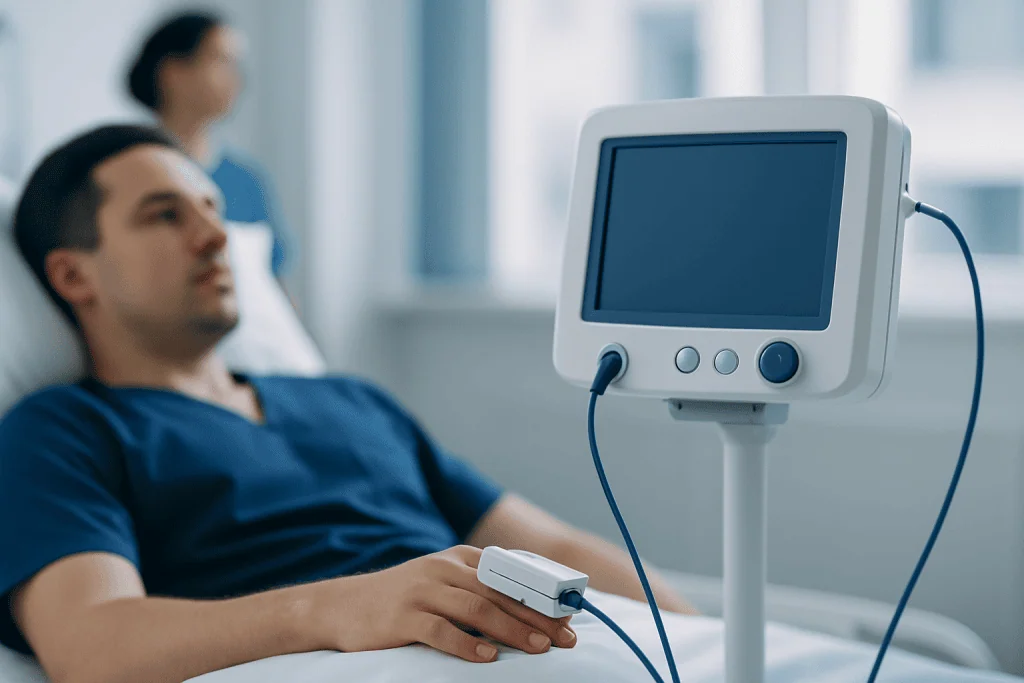
Most home pulse oximeters display two main values. SpO2 is expressed as a percentage and estimates the proportion of hemoglobin carrying oxygen. The other value is pulse rate, usually shown in beats per minute. A regular pulse display can help indicate that the device is detecting a signal, but it does not confirm that every oxygen reading is accurate.
At sea level, readings of 95% to 100% are often seen in healthy people. A result of 92% to 94% may need medical advice depending on the person’s usual level, symptoms, age, and health conditions. A persistent reading below 90% is generally considered low and should be assessed urgently, particularly if it is accompanied by symptoms of illness or breathing problems.
There is no single target that applies to everyone. Some people with chronic obstructive pulmonary disease, other long-term lung conditions, or certain heart conditions may have a lower usual saturation and a clinician-set target range. They should follow their individual care plan rather than trying to reach a number intended for someone else. Oxygen should not be started or adjusted without medical guidance.
- Compare results with the person’s usual readings when these are known.
- Consider whether the person is at high altitude, where oxygen saturation may naturally be lower.
- Pay attention to new symptoms, not only the displayed percentage.
- Use a properly fitting, validated device and follow its instructions.
Why Pulse Oximeter Readings Can Vary
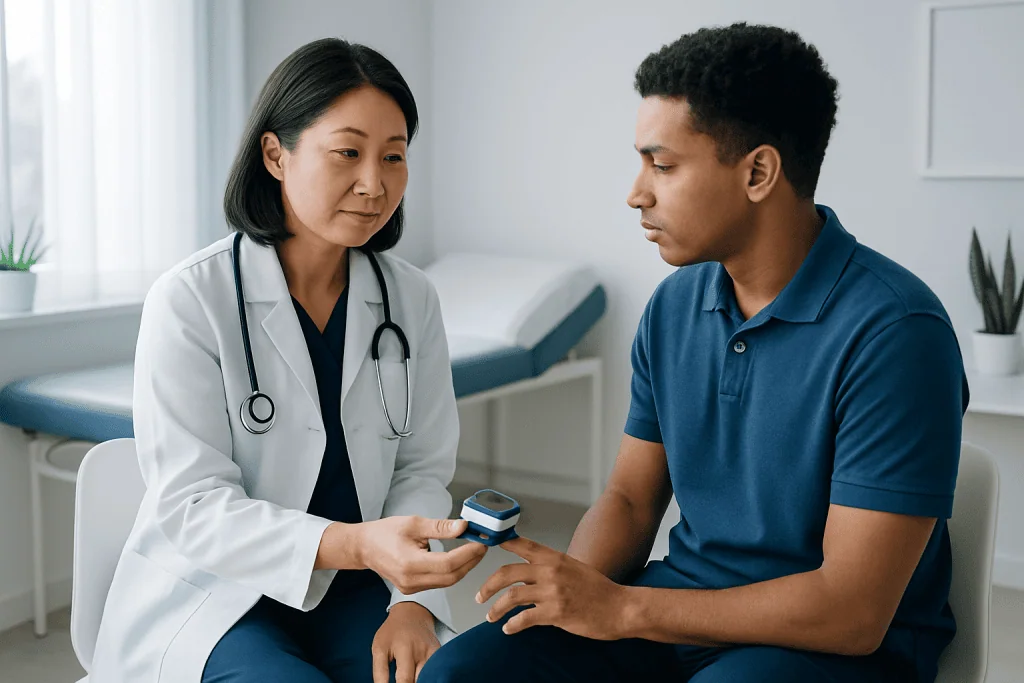
Pulse oximeters use light passed through the skin to estimate oxygen saturation. This method is convenient, but several factors can interfere with the signal. Cold hands, poor circulation, low blood pressure, movement, shivering, and an irregular heartbeat can make readings unstable or less reliable.
Nail polish, artificial nails, heavily soiled nails, and poor placement of a finger sensor may also affect a measurement. Removing nail products where possible, warming the hand, resting quietly, and keeping the finger still can improve the chance of obtaining a dependable result. A reading that jumps rapidly or does not match how the person feels should be repeated.
Device limitations are important as well. Consumer devices vary in quality, and pulse oximetry may be less accurate for some people, including people with darker skin pigmentation under certain circumstances. Results can also be misleading in carbon monoxide poisoning because standard pulse oximeters may interpret carboxyhemoglobin as oxygenated hemoglobin. For these reasons, a normal-looking number does not rule out a serious problem when concerning symptoms are present.
How to Take a More Reliable Reading at Home
Before measuring, the person should sit quietly for a few minutes and rest the hand at a comfortable level. The finger should be warm, clean, dry, and free from nail polish or artificial nails if possible. The oximeter should fit snugly but comfortably, with the sensor fully positioned over the fingertip.
Once the device is on, the person should keep the hand still and avoid talking or moving the finger. It is sensible to wait until the number and pulse signal become steady, then record the result. Repeating the measurement after one or two minutes can help identify whether an unusual number was temporary or persistent.
For people monitoring an illness at home, recording the date, time, SpO2, pulse rate, symptoms, activity level, and any prescribed oxygen use can be useful for a healthcare professional. Measurements taken after climbing stairs or walking may differ from readings obtained while resting. A clinician can advise whether rest and activity readings are relevant for a particular condition.
What Can Cause a Low Oxygen Saturation Reading?
Low oxygen saturation, also called hypoxemia, can occur when the lungs are not transferring enough oxygen into the blood, when breathing is impaired, or when circulation is affected. Respiratory infections, asthma flare-ups, pneumonia, chronic lung disease, sleep-related breathing disorders, blood clots in the lungs, and some heart conditions are among the possible causes.
A low reading does not identify the cause by itself. For example, breathlessness can have respiratory, cardiac, blood-related, or anxiety-related causes, and the evaluation differs for each. A medical professional may use the pulse oximeter result together with an examination, chest imaging, electrocardiography, blood tests, lung function testing, or an arterial blood gas test when appropriate.
Some people use a pulse oximeter while monitoring known respiratory conditions, including asthma or chronic obstructive pulmonary disease. However, home monitoring should support, not replace, a clinician’s treatment plan. A decline from the person’s known baseline may be clinically important even if the displayed result remains above 90%.
When to Seek Medical Care
Emergency medical care is appropriate if a person has severe or worsening shortness of breath, chest pain or pressure, confusion, fainting, difficulty speaking in full sentences, or blue, gray, or very pale lips, face, or fingertips. These symptoms require prompt attention regardless of what a pulse oximeter shows.
A persistently low SpO2 reading should also be taken seriously. For many people, a reading below 90% warrants urgent assessment. A clinician should be contacted promptly for repeated readings of 92% to 94%, especially if the result is lower than usual, there is a respiratory infection, or symptoms such as cough, wheezing, fatigue, or breathlessness are developing.
People with chronic lung disease who have been given a personal action plan should follow the thresholds and instructions in that plan. If uncertain, they should contact their healthcare team rather than relying on online ranges. Children, older adults, pregnant people, and individuals with significant heart or lung disease may need individualized advice.
Using Pulse Oximetry Safely as Part of Ongoing Care
Pulse oximetry is most helpful when used thoughtfully: measure under similar conditions, look for a stable pattern, and share meaningful changes with a clinician. It should not cause repeated checking when a person feels well and has no medical reason to monitor oxygen levels. Frequent checking can sometimes increase worry without adding useful clinical information.
Healthy habits that support lung and heart health include avoiding tobacco smoke, staying physically active within personal limits, receiving recommended vaccinations, managing chronic conditions, and seeking advice for persistent snoring or daytime sleepiness. People prescribed inhalers, oxygen, or other treatment should use them only as directed and should not change their regimen based solely on one home result.
Acibadem International’s multidisciplinary specialists and JCI-accredited hospitals can assess breathing and oxygenation concerns for international patients, using clinical evaluation and appropriate diagnostic testing. The goal of assessment is to understand the person’s symptoms and underlying health needs, rather than to treat a number on a device alone.
Frequently asked questions
What is a normal average pulse oximeter reading?
For most healthy people at sea level, an SpO2 reading from 95% to 100% is commonly expected. Results should be interpreted in context, because altitude, chronic illness, device limitations, and the person’s usual baseline can affect the number.
Is 92% oxygen saturation dangerous?
A reading of 92% may warrant prompt medical advice, particularly if it persists, is lower than the person’s usual reading, or occurs with symptoms such as breathlessness or chest discomfort. The person should repeat the measurement correctly and follow any care plan provided by their clinician.
Should a pulse oximeter reading below 90% be treated as urgent?
For many people, a persistent reading below 90% requires urgent medical assessment. Emergency help is especially important if there is severe breathing difficulty, confusion, chest pain, fainting, or blue or gray discoloration of the lips or face.
Why does my pulse oximeter give different readings each time?
Readings can change because of movement, cold hands, poor circulation, nail products, an improperly placed sensor, or a weak device signal. Resting, warming the hand, keeping still, and waiting for a stable display can improve consistency.
Can a pulse oximeter be inaccurate?
Yes. Home pulse oximeters provide estimates and may be less reliable in some situations, including poor circulation, irregular heart rhythm, movement, and certain skin pigmentation-related measurement limitations. A normal reading should not delay care if the person has concerning symptoms.
Do people with COPD need oxygen saturation above 95%?
Not necessarily. Some people with COPD have a clinician-defined target range that is lower than the typical range for healthy individuals, often because oxygen therapy must be carefully tailored. They should follow their personalized treatment plan and discuss changes in readings with their healthcare team.
References
- U.S. Food and Drug Administration
- World Health Organization
- American Lung Association
- National Heart, Lung, and Blood Institute
- British Thoracic Society
This article is for general information only and is not a substitute for professional medical advice. Please consult a qualified doctor about your individual situation.
Explore treatments in Turkey — costs, top hospitals & a free quote
JCI-accredited · board-certified surgeons · reply within 24h
Add us as a Preferred Source to see more of our trusted health content across Google Search, AI Overviews and Discover.
Check your numbers in seconds
BMI, calories, due date, blood pressure and 30+ more clinical calculators — free, instant, doctor-reviewed ranges.