Avn Surgery: Procedure, Recovery and Results

AVN, also called osteonecrosis, occurs when reduced blood supply damages bone tissue. Early-stage AVN may be treated with joint-preserving surgery such as core decompression.
Key Takeaways
- AVN, also called osteonecrosis, occurs when reduced blood supply damages bone tissue.
- Early-stage AVN may be treated with joint-preserving surgery such as core decompression.
- Advanced collapse of the hip joint is often treated with total hip replacement.
- Recovery time varies substantially by procedure, weight-bearing restrictions and rehabilitation needs.
- Prompt orthopedic assessment is important when persistent hip or groin pain affects walking or daily activities.
AVN surgery may help relieve pain, protect joint function and delay or address joint collapse caused by avascular necrosis. The best procedure depends mainly on the affected joint, the stage of bone damage, symptoms and the person's overall health.
AVN Surgery: What It Is and How It Works
AVN surgery is used to treat avascular necrosis, also called osteonecrosis: a condition in which reduced blood flow causes part of a bone to weaken and die. In the hip, the femoral head is most commonly affected. Without adequate blood supply, the bone may lose its round shape, and the joint surface can eventually collapse.
The main aim of surgery is guided by the stage of disease. When AVN is found before the joint surface has collapsed, surgeons may use a joint-preserving procedure to lower pressure inside the bone, improve local blood flow and support healing. When collapse and arthritis are established, joint replacement may provide the most reliable option for pain relief and restored mobility.
AVN can affect other sites, including the shoulder, knee and ankle, but surgical planning differs by joint. An orthopedic specialist uses imaging, symptoms, activity needs and general health to recommend an individualized approach. More background on the condition is available in avascular necrosis.
Who May Be a Candidate for AVN Surgery?
Not every person with AVN needs surgery immediately. In very early disease, some people may be advised to reduce weight bearing, manage contributing health conditions and attend regular imaging follow-up. However, surgery may be considered when pain persists, the affected area is large, imaging shows progression, or there is a risk that the joint surface will collapse.
Core decompression is generally considered for early AVN of the hip, before significant collapse of the femoral head. It may be combined with bone grafting, bone marrow-derived cell techniques or other biologic approaches in selected cases. These additions are not appropriate for everyone, and evidence and availability vary by technique and patient factors.
Total hip replacement is commonly considered when AVN has caused femoral-head collapse, secondary arthritis, substantial pain or major limits in walking and everyday activities. The decision also takes account of age, bone quality, medications, smoking status, alcohol use, corticosteroid exposure and conditions such as sickle cell disease or autoimmune disease.
A preoperative assessment helps reduce avoidable risk. It may include blood tests, medication review, imaging and optimization of conditions such as diabetes, anemia or cardiovascular disease. Patients should tell their team about all prescription medicines, supplements, previous clotting problems and allergies.
AVN Surgery Step by Step

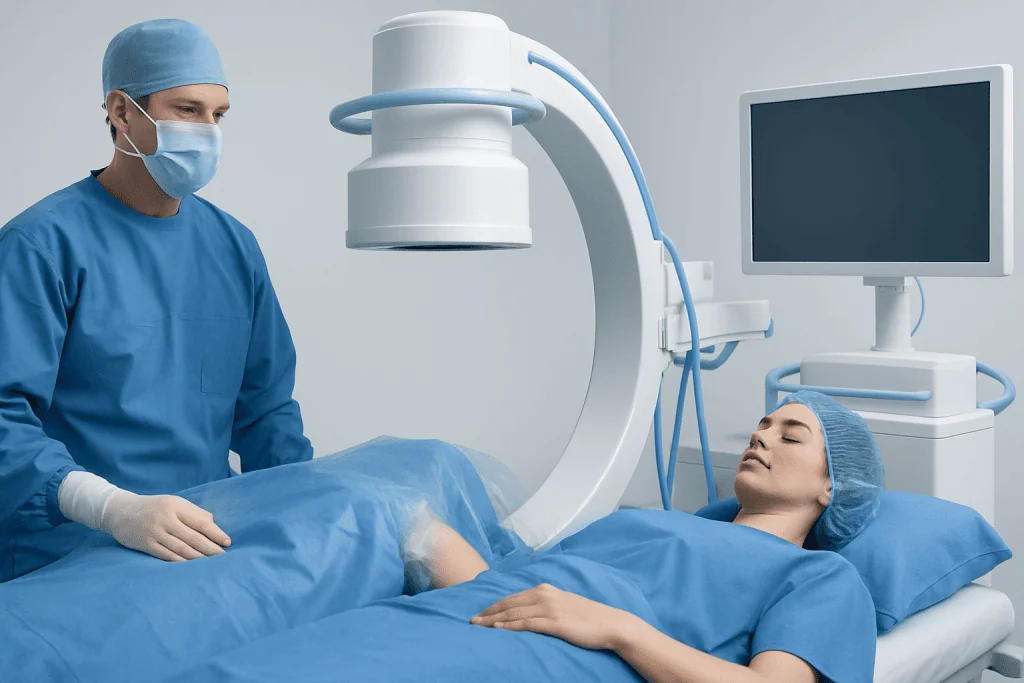
For core decompression, the patient receives anesthesia and the surgeon makes a small incision near the hip. Using X-ray guidance, a narrow channel is created into the damaged area of the femoral head. This relieves pressure in the bone and may encourage formation of new blood vessels. In some cases, the channel is filled with bone graft or another supportive material.
For a bone graft procedure, healthy bone tissue may be taken from another area or obtained from a donor source, depending on the surgical plan. The graft is placed to strengthen the weakened region. These procedures are generally intended to preserve the person’s own joint, but they cannot always prevent later progression or the eventual need for replacement surgery.
During total hip replacement, the damaged femoral head is removed and replaced with an artificial ball component. The damaged socket surface is prepared and lined with a durable implant. The operation can be performed through different surgical approaches; the choice depends on anatomy, surgeon expertise and clinical circumstances rather than a single approach being best for all patients.
After surgery, the care team monitors pain, wound healing, mobility and circulation. Early supervised movement is common after hip replacement, while weight-bearing after core decompression may need to be limited for a period. Hip replacement surgery can be discussed when AVN-related joint collapse has occurred.
Benefits, Limitations and Possible Risks
The potential benefits of AVN surgery include less pain, improved movement, better ability to complete daily activities and, in early disease, a chance to preserve the natural joint. A successful joint-preserving procedure may postpone joint replacement, which can be especially meaningful for younger adults. Results depend strongly on whether the bone has already collapsed and on the size and location of the affected area.
Core decompression does not restore bone that has already collapsed. Some people continue to have symptoms or experience disease progression despite surgery. A later hip replacement may still be needed. Total hip replacement often improves pain and function in advanced disease, although an artificial joint has activity considerations and may eventually require further surgery over a lifetime.
All operations have potential risks. These include infection, bleeding, blood clots, anesthesia-related complications, nerve or blood-vessel injury, wound problems and ongoing pain. With hip replacement, possible additional concerns include dislocation, leg-length differences, implant loosening, fracture around the implant and wear over time.
Risk is reduced through careful surgical planning, infection prevention, blood-clot prevention when indicated, rehabilitation and following postoperative instructions. Patients should ask their orthopedic surgeon about the expected benefits, alternatives and risks for their individual stage of AVN.
How Long Does It Take to Recover From Avascular Necrosis Surgery?
Recovery from avascular necrosis surgery depends on the operation performed. After core decompression, many patients use crutches or a walker and have restricted weight bearing for several weeks. Return to desk-based work may be possible earlier for some people, while recovery of strength, comfort and confidence in walking may take several months.
After total hip replacement, patients commonly begin walking with support soon after surgery under the guidance of the clinical team. Many daily activities become easier over the following weeks, but full recovery continues over several months as muscles regain strength and endurance. Some swelling, fatigue and sleep disruption can occur during the early healing period.
Physical therapy is a central part of recovery. It focuses on safe walking, range of motion, muscle strength, balance and gradual return to activities. The surgeon’s instructions about weight bearing, driving, wound care, work, travel and exercise should take priority because recommendations vary between procedures and individuals.
Recovery may take longer when both hips are affected, when there are other medical conditions, or when pain and reduced mobility were severe before surgery. Avoiding tobacco products, eating a balanced diet and attending follow-up appointments can support healing.
What Is the Hardest Day After Hip Surgery?
There is no single hardest day after hip surgery. For many people, the first few days are the most demanding because anesthesia effects are wearing off, movement feels unfamiliar and pain management routines are still being adjusted. Others find that fatigue, swelling or interrupted sleep is most noticeable after returning home.
Modern recovery plans aim to make this period manageable through regular pain relief, early supported movement, ice or swelling-management advice when appropriate, and clear instructions for using walking aids. Pain should gradually become easier to manage rather than steadily worsening.
Patients should contact their surgical team promptly if they have severe or increasing pain not controlled by prescribed treatment, fever, wound drainage, spreading redness, calf swelling, chest pain or shortness of breath. These symptoms do not always mean a serious complication, but they need timely assessment.
How Painful Is Avascular Necrosis of the Hip and How Fast Does It Progress?
Avascular necrosis of the hip can cause a deep ache or sharp pain in the groin, buttock, thigh or sometimes the knee. At first, pain may occur mainly with weight-bearing activity such as walking, standing or climbing stairs. As the condition advances, pain may occur at rest and may interfere with sleep or limit hip movement.
Pain intensity does not always match the amount of damage seen on imaging. Some people have early AVN with few symptoms, while others have substantial discomfort. New or persistent hip pain deserves assessment, particularly in people with risk factors such as long-term or high-dose corticosteroid use, heavy alcohol use, previous hip injury, sickle cell disease or certain autoimmune conditions.
AVN progression is variable and cannot be predicted precisely for one individual. Some small early lesions remain stable for a long time, while others progress over months to years and lead to collapse. The speed of progression depends on the size and location of the lesion, whether one or both hips are involved, the underlying cause and ongoing risk factors.
MRI is particularly useful for detecting AVN early, often before changes are visible on standard X-rays. Repeat imaging may be recommended to monitor the condition and help determine whether joint-preserving treatment remains appropriate.
When to Seek Medical Care
Medical assessment is advisable for hip or groin pain that lasts more than a few days, returns repeatedly, causes limping or limits normal activity. It is especially important to seek evaluation after a hip injury or if pain develops while taking corticosteroids or living with a condition associated with AVN.
Urgent medical care is needed for sudden inability to bear weight, severe pain after a fall, fever with a hot or swollen joint, chest pain or shortness of breath. These symptoms may have causes other than AVN and should not be managed at home without professional advice.
Acibadem International’s multidisciplinary specialists and JCI-accredited hospitals diagnose and treat AVN for international patients, including orthopedic assessment, imaging, surgical planning and rehabilitation support. A qualified orthopedic team can explain whether monitoring, joint-preserving treatment or replacement surgery is most suitable.
Frequently asked questions
Can AVN be treated without surgery?
Sometimes, particularly when AVN is detected early and symptoms are mild. A doctor may recommend reducing weight bearing, treating contributing conditions and monitoring with imaging. These measures may not reverse established bone damage, and surgery may be needed if pain or structural changes progress.
Is core decompression a cure for avascular necrosis?
Core decompression is intended to preserve the joint in early-stage AVN, but it is not a guaranteed cure. It may reduce pressure within the bone and support healing, especially before joint collapse. Some patients may still develop progression and later need joint replacement.
Can someone walk after AVN surgery?
Most people can walk after surgery, but the timing and amount of weight placed on the leg depend on the procedure. After hip replacement, supported walking often begins early. After core decompression, crutches and weight-bearing limits may be required for a longer period.
Will a hip replacement solve pain caused by AVN?
Hip replacement is often effective for pain and mobility problems caused by advanced AVN with joint collapse. However, every operation has risks, and recovery requires rehabilitation. An orthopedic surgeon can explain the expected outcome based on the person's joint damage, health and activity needs.
Can avascular necrosis affect both hips?
Yes. AVN can affect both hips, particularly when it is related to systemic risk factors such as corticosteroid exposure, alcohol use, sickle cell disease or autoimmune conditions. If AVN is diagnosed in one hip, clinicians may assess the other hip when appropriate.
What should patients avoid after AVN surgery?
Patients should follow their surgeon's specific instructions about weight bearing, bending, twisting, driving and return to exercise. Smoking and heavy alcohol use can interfere with bone and wound healing and should be discussed with the care team. It is also important not to stop prescribed medicines or blood-clot prevention treatment without medical advice.
References
- American Academy of Orthopaedic Surgeons
- National Institute of Arthritis and Musculoskeletal and Skin Diseases
- Mayo Clinic
- National Health Service
- American Association of Hip and Knee Surgeons
This article is for general information only and is not a substitute for professional medical advice. Please consult a qualified doctor about your individual situation.
Joint and spine care in Turkey — expert assessment & treatment
JCI-accredited · board-certified surgeons · reply within 24h
Add us as a Preferred Source to see more of our trusted health content across Google Search, AI Overviews and Discover.