Awake Surgery: Procedure, Recovery and Results

Awake surgery is most often used for selected brain operations near areas responsible for language, movement, sensation or vision. Patients do not usually feel pain during the brain-mapping portion because brain tissue itself does not sense pain and anesthesia is used for the scalp and skull.
Key Takeaways
- Awake surgery is most often used for selected brain operations near areas responsible for language, movement, sensation or vision.
- Patients do not usually feel pain during the brain-mapping portion because brain tissue itself does not sense pain and anesthesia is used for the scalp and skull.
- Not everyone is a suitable candidate; the decision depends on the brain condition, its location, overall health and ability to participate.
- Recovery varies, but many people begin mobilizing within a day and continue recovering over weeks to months.
- Temporary fatigue, headache, nausea or changes in speech or movement can occur, so close follow-up and rehabilitation may be needed.
Awake surgery is a carefully planned approach used during some brain operations, especially when a growth, seizure focus or other problem is close to areas controlling speech, movement, sensation or vision. The patient is kept comfortable with anesthesia and is awake only for the parts of the procedure where their responses help the surgical team map and protect important brain function.
Overview: What Is Awake Surgery?
Awake surgery, also called awake craniotomy or awake brain surgery, is a neurosurgical technique in which a patient is sedated and comfortable for parts of an operation but is briefly awake enough to respond to simple questions or tasks during brain mapping. It is mainly used when surgery involves brain regions linked to important abilities such as speaking, understanding language, moving a limb, feeling sensations or seeing.
The approach gives the surgical team real-time information about how a particular area of the brain is functioning. By asking the patient to name pictures, read, count, move a hand or describe sensations, the team can identify areas that should be preserved while treating the target area. Awake surgery may be considered for certain brain tumors, epilepsy surgery, vascular abnormalities and other carefully selected conditions.
Being awake does not mean undergoing surgery without anesthesia. An anesthesiology team manages comfort, pain relief, breathing and anxiety throughout the operation. The exact plan is individualized and may include periods of sleep, sedation and wakefulness.
How Awake Brain Surgery Works and Who May Be a Candidate
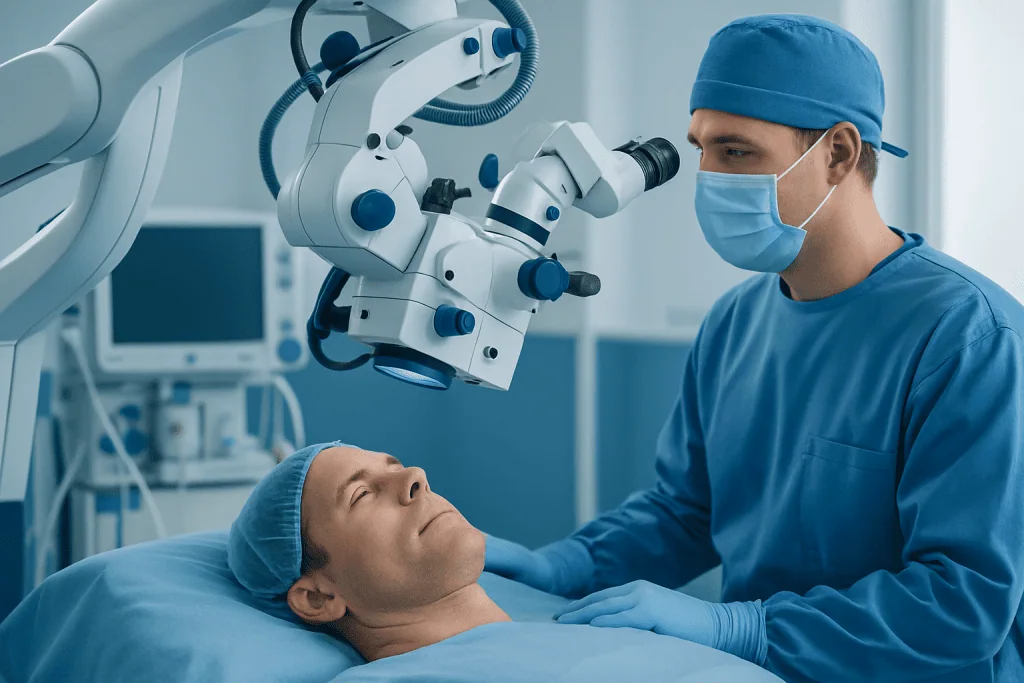
The main purpose of awake surgery is functional brain mapping. During mapping, the surgeon may apply a small, controlled electrical stimulus to the surface of the brain and observe whether it affects speech, movement, sensation or another task. This helps define safer boundaries for surgery, particularly when removing tissue close to functionally important areas.
Potential candidates are assessed by a multidisciplinary team that may include a neurosurgeon, neurologist, anesthesiologist, neuropsychologist, speech and language specialist, neuroradiologist and rehabilitation professionals. Before surgery, patients may complete brain imaging, neurological examinations and testing of language, memory, attention and motor skills. The tasks used during surgery are chosen to match the person’s needs and the location of the planned operation.
Awake surgery may be suitable when a patient can remain cooperative and communicate during key parts of the procedure. It may not be appropriate for everyone, including people who cannot safely lie still, have severe anxiety that cannot be adequately managed, have certain airway or medical concerns, or are unable to participate in testing. The underlying condition also matters; for example, selected people with a brain tumor near language or movement pathways may benefit from this approach.
The team discusses expected benefits, alternatives and limitations before recommending awake surgery. In some cases, surgery planned as awake may need to be modified or completed under general anesthesia if this is safer for the patient.
Awake Surgery Step by Step

Before the procedure, the patient meets the surgical and anesthesia teams to review the plan, medications, allergies and fasting instructions. Imaging studies are used to plan the surgical route. A neuropsychologist or speech specialist may practice the tasks that will be performed during mapping, such as naming objects, reading words or moving specific body parts.
In the operating room, the head is positioned securely to prevent movement. The scalp is numbed with local anesthetic, and sedation is used to promote relaxation and comfort. Depending on the anesthetic method, the patient may sleep during the opening stages of surgery and be awakened for mapping and removal of the target tissue.
When the brain is exposed, the surgical team performs mapping while the patient completes brief tasks. The surgeon uses this information, along with imaging and monitoring, to guide the operation. Patients are continuously observed for comfort, communication, breathing, blood pressure and neurological responses.
After mapping is complete, the patient may receive more sedation while the surgeon finishes the procedure and closes the incision. The operation’s length varies widely according to the condition, its location and the complexity of mapping. For selected patients, awake craniotomy can support a more individualized balance between treating the brain condition and preserving important daily functions.
Can You Feel Anything During Awake Brain Surgery?
Patients can be aware of voices, questions and activity in the operating room during the awake portion, but they should not feel sharp pain from the brain itself. Brain tissue does not have pain receptors. The scalp, muscles and tissues around the skull can feel pain, which is why local anesthetic and carefully adjusted sedation are essential parts of the procedure.
Some people may notice pressure, pulling, vibration or sound during certain stages. They may also feel tired, dry-mouthed or briefly uncomfortable while holding a position. The anesthesia team remains present throughout the procedure and can adjust medication, provide reassurance and address symptoms such as nausea or anxiety.
During mapping, a brief stimulation can sometimes cause a temporary sensation, involuntary movement, a pause in speech or difficulty finding a word. These effects are expected to be short-lived and provide useful information for the surgical team. Patients should report anything they feel, as this helps the team support comfort and safety.
Is Awake Brain Surgery Painful?
Awake brain surgery is designed to minimize pain. Patients receive local anesthetic to numb the scalp and sedation or anesthesia tailored to the different stages of surgery. Although each person’s experience is individual, most patients do not experience pain during brain mapping itself.
Discomfort can still occur. Common sensations may include pressure around the head, stiffness from positioning, fatigue, or soreness at the incision after surgery. Headache and nausea are also possible in the first days following a craniotomy. The care team provides pain relief and other medicines as appropriate and monitors symptoms closely.
Open discussion before surgery is important, particularly for people who are concerned about anxiety, claustrophobia, pain or being able to communicate during the operation. The anesthesia team can explain the planned comfort measures and how they would respond if the patient becomes distressed.
Benefits, Risks and Expected Results
The potential benefit of awake surgery is that it allows direct testing of key functions while the surgeon works. For an appropriately selected patient, this may help reduce the risk of avoidable injury to areas involved in language, movement or other essential skills. It can also help surgeons make informed decisions about how much abnormal tissue can be safely treated.
However, awake surgery does not eliminate the risks associated with brain surgery. Possible complications include bleeding, infection, swelling, seizures, blood clots, reactions to anesthesia, stroke-like symptoms, wound problems and changes in neurological function. Depending on the surgical site, temporary or lasting problems with speech, memory, vision, balance, sensation or strength can occur.
Results depend primarily on the underlying condition, its location, the amount and type of tissue requiring treatment, and the person’s overall health. For example, treatment planning for tumors may also involve pathology results, radiation therapy, drug treatment or rehabilitation. The surgical team explains what outcomes are realistic in the individual situation and what further care may be needed.
Acibadem International’s multidisciplinary specialists and JCI-accredited hospitals assess and treat appropriate neurological conditions for international patients, with treatment plans coordinated across neurosurgery, neurology, oncology and rehabilitation services.
How Long Does It Take to Recover From Awake Brain Surgery?
Recovery from awake brain surgery varies considerably. Many patients spend time in a recovery unit or intensive monitoring setting after surgery and remain in hospital for several days, depending on the operation and their neurological condition. Early priorities include monitoring alertness, speech, movement, wound healing, pain control and seizure risk.
In the first one to two weeks, fatigue, headaches, scalp tenderness and reduced stamina are common. Some people return gradually to light daily activities during this period, while others need more support. The incision generally continues healing over several weeks, but recovery of energy, concentration and neurological function can take weeks to months.
If speech, movement, balance or thinking skills are affected, rehabilitation may begin soon after surgery. Speech and language therapy, physiotherapy, occupational therapy and neuropsychological support can help people regain function and adapt to changes. The doctor will advise when it is safe to drive, travel, exercise, return to work or resume other activities.
Follow-up appointments are important for reviewing pathology results when relevant, checking the wound, adjusting medicines and planning any additional care. Recovery should be judged against the individual’s starting condition and treatment goals rather than a single fixed timeline.
What Helps Speed Up Brain Surgery Recovery?
There is no shortcut that replaces the body’s healing process, but following the care plan can support a steady recovery. Patients should take prescribed medicines as directed, attend follow-up visits, keep the incision clean and dry according to instructions, and report new or worsening symptoms promptly. They should not stop anti-seizure or steroid medicines suddenly unless their clinician advises it.
Rest is important, but gradual activity is also helpful when approved by the care team. Short walks and gentle movement can support circulation, sleep and strength. A balanced diet with enough protein and fluids may support healing, while alcohol, smoking and recreational drugs can interfere with recovery and should be avoided unless a clinician gives specific guidance.
Rehabilitation is often one of the most effective supports for recovery when neurological symptoms are present. Practicing therapy exercises, pacing cognitive activities, accepting practical help and allowing time for fatigue can make recovery more manageable. People should avoid heavy lifting, strenuous exercise and driving until their surgeon says these activities are safe.
Patients who require ongoing care for a neurological condition may also benefit from coordinated brain tumor treatment or other specialist-led treatment plans when clinically indicated.
When to Seek Medical Care
After awake brain surgery, patients should contact their surgical team promptly for increasing redness, warmth, swelling, drainage or separation of the incision; fever; worsening headache; persistent vomiting; new confusion; or pain that is not controlled by the prescribed plan. These symptoms do not always indicate a serious problem, but they need clinical assessment.
Emergency medical care is needed for a seizure lasting longer than advised in the discharge plan, repeated seizures without full recovery, sudden weakness or numbness, new trouble speaking or understanding, loss of consciousness, severe shortness of breath, chest pain, or a sudden severe headache. Family members and caregivers should be given clear discharge instructions about what changes to watch for.
Even when recovery seems to be progressing well, scheduled reviews remain important. The team can assess neurological recovery, support a safe return to activities and coordinate further treatment if the condition requires it.
Frequently asked questions
What is awake surgery used for?
Awake surgery is most commonly used for selected operations on the brain when the target area is close to regions involved in speech, movement, sensation, vision or other important functions. It may be considered for certain tumors, epilepsy surgery and other brain conditions. The surgical team decides whether it is appropriate after detailed assessment.
How long does awake brain surgery take?
The length of awake brain surgery varies substantially based on the condition, surgical location and amount of brain mapping required. It can take several hours, including preparation, anesthesia, mapping, the surgical treatment and closure. The neurosurgical team can provide a more individualized estimate before the procedure.
Can you feel anything during awake brain surgery?
A patient may hear the team, answer questions and notice pressure, vibration or positioning during the awake portion. They should not feel sharp pain in the brain because brain tissue does not sense pain, and the scalp is numbed with local anesthetic. The anesthesia team monitors comfort continuously and can adjust medication when needed.
Is awake brain surgery painful?
Awake brain surgery is planned to prevent pain through local anesthetic, sedation and careful anesthetic monitoring. Some patients experience discomfort, fatigue, pressure or later soreness around the incision, but sharp pain during brain mapping is not expected. Patients should discuss pain and anxiety concerns with the anesthesia team before surgery.
How long does it take to recover from awake brain surgery?
Hospital recovery commonly takes several days, while headaches, tiredness and reduced stamina may continue for weeks. Full recovery can take weeks to months and depends on the reason for surgery, the brain area involved and whether neurological symptoms occurred. Rehabilitation may be needed for speech, movement, balance or cognitive changes.
What helps speed up brain surgery recovery?
Following discharge instructions, taking medicines as prescribed, attending follow-up appointments and increasing activity gradually can support recovery. Adequate rest, nutrition, hydration and rehabilitation are also important. A person should not rush driving, strenuous exercise or return to work without their surgeon’s approval.
References
- National Institute of Neurological Disorders and Stroke
- American Association of Neurological Surgeons
- National Cancer Institute
- Mayo Clinic
- Johns Hopkins Medicine
This article is for general information only and is not a substitute for professional medical advice. Please consult a qualified doctor about your individual situation.
Explore treatments in Turkey — costs, top hospitals & a free quote
JCI-accredited · board-certified surgeons · reply within 24h
Add us as a Preferred Source to see more of our trusted health content across Google Search, AI Overviews and Discover.
Check your numbers in seconds
BMI, calories, due date, blood pressure and 30+ more clinical calculators — free, instant, doctor-reviewed ranges.

More from the Health Library



Related Specialists

Asst. Prof. Dr. Hamdi Toköz
Cardiovascular Surgery
Dt. Yasemin Çakmakçı
Oral & Dental Health
Dr. Aysimin Akçakaya Koraman
Pediatrics
Prof. Dr. Fulya Ağaoğlu
Radiation Oncology