Axsis Robot Cataract Surgery Official: Procedure, Recovery and Results
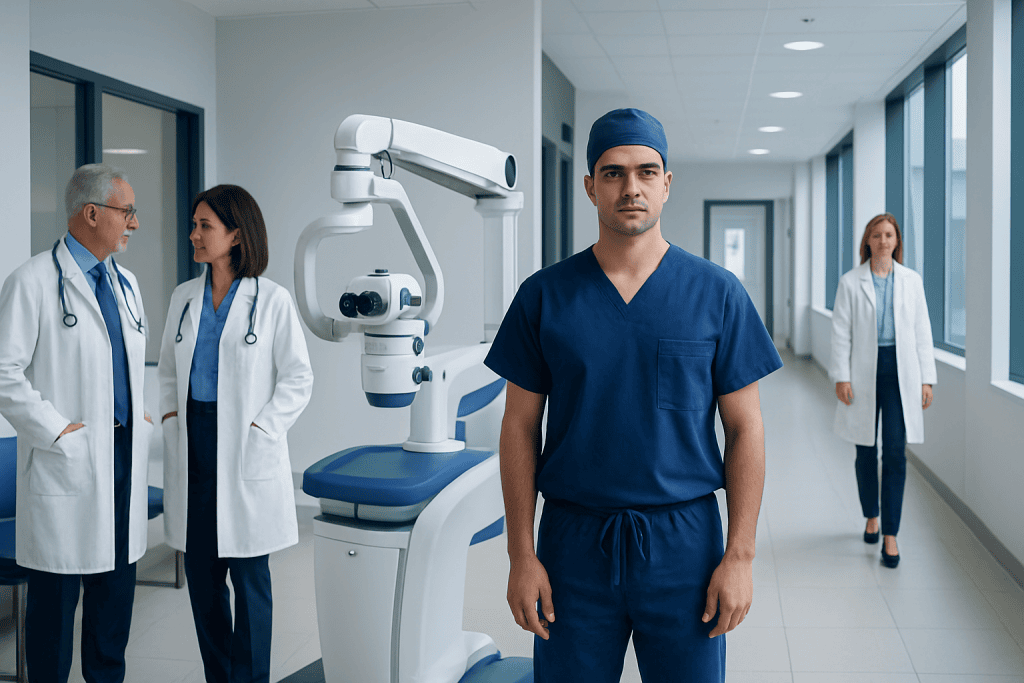
Cataract surgery removes the cloudy natural lens and replaces it with a clear artificial intraocular lens. Robot-assisted or computer-guided technology can support surgical planning and precision, but it does not replace the ophthalmic surgeon.
Key Takeaways
- Cataract surgery removes the cloudy natural lens and replaces it with a clear artificial intraocular lens.
- Robot-assisted or computer-guided technology can support surgical planning and precision, but it does not replace the ophthalmic surgeon.
- Most people notice clearer vision within days to weeks, although final visual results depend on eye health and the selected lens.
- Following eye-drop instructions and temporary activity restrictions supports safe healing.
- Urgent review is needed for severe pain, rapidly worsening vision, marked redness or new flashes and floaters.
Axsis robot cataract surgery official information refers to technology-assisted cataract surgery planned and performed by an ophthalmic surgeon using detailed imaging and precise surgical tools. It may support accuracy in selected steps, but the surgeon remains responsible for treatment decisions, safety and results.
Overview: What Is Axsis Robot Cataract Surgery?
Axsis robot cataract surgery official information generally describes a technology-assisted approach to cataract surgery. Cataracts occur when the eye’s natural lens becomes cloudy, often with age, causing blurred vision, glare, reduced contrast and difficulty with everyday activities. Surgery is the only established way to remove a cataract once it significantly affects vision or quality of life.
In robot-assisted, computer-guided or image-guided cataract surgery, advanced imaging and planning tools may help the surgeon measure the eye, position incisions and guide selected parts of the procedure. The surgeon performs and supervises the operation throughout. The available technology, its exact role and suitability vary between eye centres and individual patients.
The central aim remains the same as conventional cataract surgery: removing the cloudy lens and inserting an artificial intraocular lens (IOL). For a broader explanation of the condition and its treatment, readers can explore cataracts.
How It Works and Who May Be a Candidate
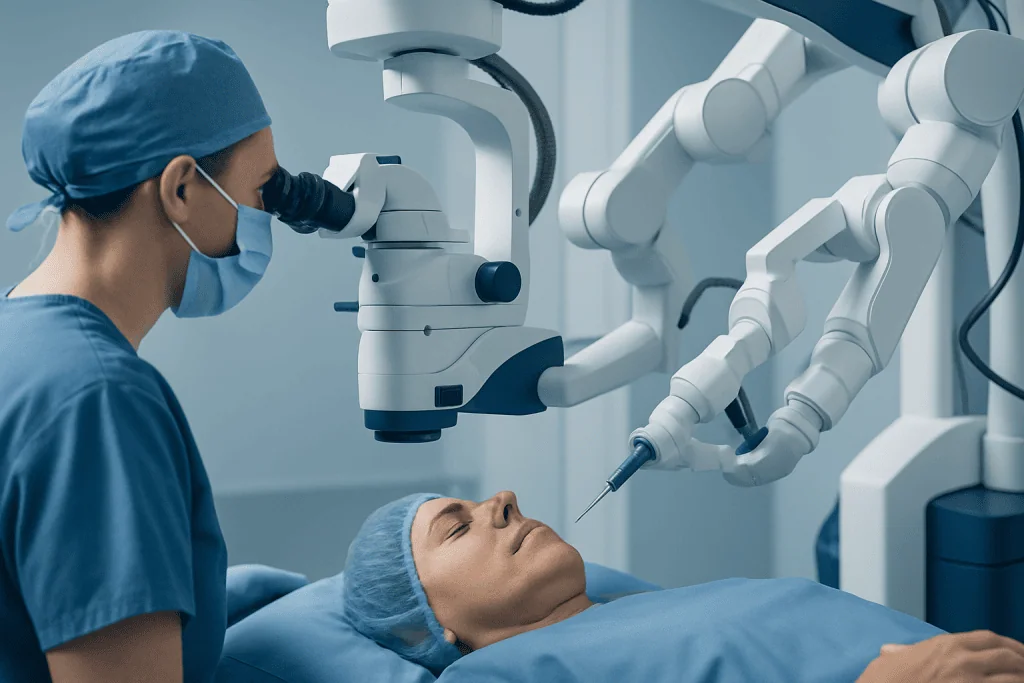
Before surgery, an ophthalmologist performs a detailed eye assessment. This commonly includes checking visual acuity, examining the cornea and retina, measuring eye length and corneal curvature, and discussing lifestyle needs. These measurements guide IOL selection and help estimate the amount of glasses correction that may still be needed after surgery.
Technology-assisted planning may be particularly helpful when precise alignment is needed for astigmatism-correcting lenses or when the surgeon wishes to use detailed digital imaging. However, having a cataract does not automatically mean a person needs a robotic or computer-guided approach. Eye anatomy, corneal health, cataract density, previous eye surgery and the surgeon’s assessment all matter.
People may be suitable for cataract surgery when cloudy vision interferes with reading, driving, work, hobbies or safe mobility. Surgery may also be recommended when a cataract prevents adequate examination or treatment of another eye condition. Conditions such as retinal disease, glaucoma or corneal scarring can affect expected outcomes, but do not always prevent surgery.
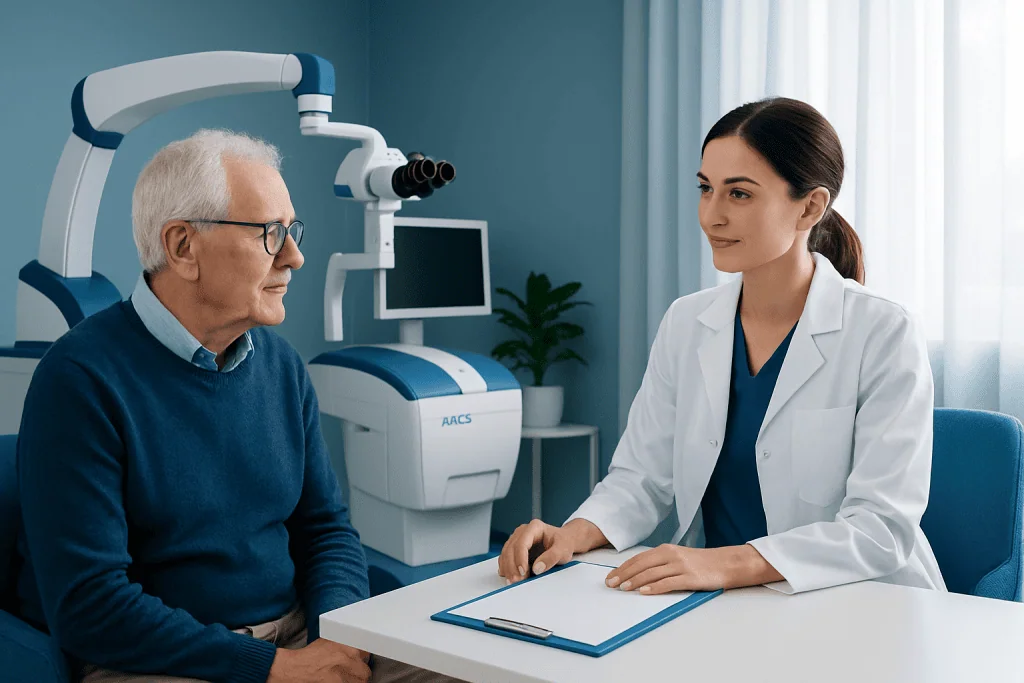
During the consultation, it is important to discuss medicines, allergies, previous procedures, eye injuries and health conditions such as diabetes. The specialist can explain whether cataract surgery and a particular technology-assisted method are appropriate.
Step by Step: What Happens During the Procedure?
Cataract surgery is usually an outpatient procedure. The eye is commonly numbed with drops or local anaesthesia, and a mild sedative may be offered depending on the person’s health, anxiety level and local practice. Patients are awake in many cases but should not feel sharp pain.
First, the eye is cleaned and covered with a sterile drape. Digital imaging or guidance systems, when used, may help the surgeon confirm the treatment plan and incision placement. The surgeon creates very small openings at the edge of the cornea, then opens the thin capsule surrounding the cloudy lens.
Ultrasound energy, a technique called phacoemulsification, is typically used to break the cataract into small pieces that are gently removed. A folded artificial lens is then placed into the remaining lens capsule, where it unfolds and stays in position. Some surgeons may use laser assistance for selected steps, depending on the eye and equipment available.
The procedure itself often takes a short time, although preparation and recovery at the clinic take longer. Afterward, the eye is protected with a shield or dressing as advised, and the person normally needs someone else to take them home. The surgical team provides individual instructions for drops, follow-up and activities.
Recovery Timeline, Benefits and Expected Results
Vision may seem hazy, bright or slightly distorted immediately after surgery. This is common while the eye adjusts and the pupil dilation wears off. Many people begin to notice clearer vision within a few days, but complete healing and stabilization can take several weeks. If both eyes need surgery, they are usually treated on separate dates.
Eye drops are commonly prescribed to reduce inflammation and lower infection risk. The exact schedule varies, so patients should use drops exactly as directed and attend follow-up appointments. It is also normal to experience mild scratchiness, watering or light sensitivity early in recovery; these symptoms should gradually improve rather than worsen.
The main benefit is removal of vision clouding caused by the cataract. An IOL can be chosen to target distance, near or intermediate vision, and some lenses address astigmatism. No lens can guarantee freedom from glasses or perfect vision, because results also depend on the retina, optic nerve, cornea and other aspects of eye health.
Computer-guided or robotic support may improve planning precision for certain measurements or lens alignment. It should be viewed as one component of high-quality care rather than a guarantee of a superior result for every patient. A surgeon’s assessment, appropriate lens choice and careful postoperative care remain essential.
What Happens If I Accidentally Bend Over After Cataract Surgery?
Accidentally bending over once after cataract surgery is unlikely to cause harm in most people. However, repeated deep bending, straining or lifting can temporarily increase pressure in the eye and may place unnecessary stress on the healing eye, particularly in the first days after surgery.
If this happens and there is no new pain, vision loss, marked redness or discharge, the patient can usually continue following the postoperative plan. They should avoid further bending where possible by squatting with the knees bent or asking for help with low items during the period advised by their surgeon.
New or worsening pain, a sudden drop in vision, nausea with eye pain, increasing redness, or a curtain-like shadow in vision should be reported promptly. Individual restrictions may be different for people who had a complicated operation or other eye procedures at the same time.
What Are the Odds of Getting 20/20 Vision After Cataract Surgery?
Many people achieve substantial improvement in vision after cataract surgery, but no clinician can responsibly promise 20/20 vision. The likelihood depends on the health of the retina and optic nerve, the shape and clarity of the cornea, the presence of astigmatism, the accuracy of lens calculations and how the eye heals.
When the eye is otherwise healthy, modern surgery and appropriately selected IOLs can often provide excellent distance vision. Some people still need glasses for reading, computer work or fine detail. Others may need glasses for distance vision, especially if they choose a lens strategy focused on near tasks or if there is residual refractive error.
Macular degeneration, diabetic retinopathy, glaucoma, dry eye disease and prior eye injury can limit visual quality even when the cataract operation is technically successful. Preoperative testing and an open discussion of realistic goals are the best way to understand an individual prognosis.
What Is Forbidden After Cataract Surgery?
For the period recommended by the surgical team, patients should avoid rubbing or pressing on the operated eye. They should also avoid swimming pools, hot tubs and potentially contaminated water until the eye has healed sufficiently, because these may increase infection risk. Eye makeup and dusty or dirty environments may also need to be avoided temporarily.
Heavy lifting, strenuous exercise and activities involving jarring movement are commonly restricted in the early recovery period. Contact sports should be delayed until the ophthalmologist confirms that the eye is ready. Patients should not drive until their vision meets legal requirements and their doctor says it is safe to do so.
Most daily activities, including light walking, reading and watching television, can usually resume fairly soon if they are comfortable. The exact limits differ by surgical technique and individual recovery, so written instructions from the operating team take priority over general advice.
After the eye has healed, some people can later develop clouding of the lens capsule behind the IOL. This is not a recurrent cataract and can often be treated with a brief laser procedure called YAG laser capsulotomy.
Is Robotic Cataract Surgery Better Than Regular Cataract Surgery?
Robotic cataract surgery is not automatically better than regular cataract surgery for every person. Modern conventional phacoemulsification performed by an experienced ophthalmic surgeon is highly effective and remains the standard approach worldwide. Technology-assisted systems can offer detailed imaging, digital planning and support for selected surgical steps.
Potential advantages may include assistance with incision planning, astigmatism management and IOL alignment in appropriate cases. However, outcomes depend on much more than the platform used. The surgeon’s expertise, accurate preoperative measurements, lens choice, cataract complexity and the health of the rest of the eye are all highly important.
The most suitable approach is therefore individualized. Patients should ask what technology will be used, which part of the operation it supports, why it is recommended in their case, and what alternatives are available. A clear explanation can help them make an informed decision without assuming that one method is universally superior.
Acibadem International’s multidisciplinary specialists and JCI-accredited hospitals evaluate and treat cataracts for international patients, with care plans based on each person’s eye findings and visual needs.
When to Seek Medical Care
Reduced vision, glare around lights, fading colours or frequent changes in glasses prescription should be assessed by an eye-care professional, especially when these symptoms affect daily life. A routine eye examination can identify cataracts and check for other causes of visual change, including glaucoma and retinal disease.
After cataract surgery, urgent medical advice is needed for severe or increasing eye pain, a sudden decrease in vision, increasing redness or swelling, pus-like discharge, persistent vomiting, new flashes of light, many new floaters or a dark curtain in the visual field. These symptoms are uncommon but require prompt assessment.
Patients should keep all scheduled follow-up visits, even if vision seems to be improving. These appointments allow the ophthalmologist to monitor healing, eye pressure, lens position and the need for any adjustment in treatment.
Frequently asked questions
Does robot-assisted cataract surgery replace the surgeon?
No. An ophthalmic surgeon remains in control of the operation and makes the clinical decisions. Technology may provide imaging, planning or guidance for selected steps, depending on the system and the patient’s needs.
How long does it take to recover from cataract surgery?
Many people notice improvement within several days, but vision can fluctuate while the eye heals. Full stabilization commonly takes several weeks, and the exact timeline depends on the eye, the procedure and any other eye conditions.
Will I need glasses after cataract surgery?
Possibly. The need for glasses depends on the chosen intraocular lens, astigmatism and the type of vision targeted during surgical planning. Some people use glasses mainly for reading or close work after surgery.
Can I sleep on the side of my operated eye?
The surgical team may advise avoiding pressure on the operated eye during the first days, often by using a protective shield while sleeping. Advice varies, so patients should follow their own surgeon’s instructions.
Is cataract surgery painful?
The eye is usually numbed with anaesthetic drops or local anaesthesia, so sharp pain is not expected during surgery. Mild irritation, dryness or light sensitivity can occur afterward and should gradually improve.
Can cataracts come back after surgery?
A removed cataract does not come back because the natural cloudy lens has been replaced. Some people later develop clouding of the lens capsule behind the artificial lens, which can usually be treated with a laser procedure.
References
- American Academy of Ophthalmology
- National Eye Institute
- Royal College of Ophthalmologists
- World Health Organization
This article is for general information only and is not a substitute for professional medical advice. Please consult a qualified doctor about your individual situation.
Cataract Surgery in Turkey — costs, top hospitals & a free quote
JCI-accredited · board-certified surgeons · reply within 24h
Add us as a Preferred Source to see more of our trusted health content across Google Search, AI Overviews and Discover.

Ophthalmology
Comprehensive eye care from laser vision correction to retina, cornea and cataract surgery.
75 specialists in this unitMore from the Health Library



Related Specialists

Assoc. Prof. Dr. Erman Çilsal
Pediatric Cardiology
Prof. Dr. Çiğdem Ünal Gülmeden
Aesthetic Plastic & Reconstructive Surgery
Dyt. Gökçe Kozanoğlu
Nutrition & Diet
Dt. Nuri Deveci
Dentistry