Back Hurts and Stomach: An Evidence-Based Guide for Patients

Pain in the stomach and back can come from the digestive system, muscles, kidneys, gallbladder, pancreas, or reproductive organs. The location, timing, and type of pain help doctors narrow down the cause.
Key Takeaways
- Pain in the stomach and back can come from the digestive system, muscles, kidneys, gallbladder, pancreas, or reproductive organs.
- The location, timing, and type of pain help doctors narrow down the cause.
- Sudden severe pain, fever, vomiting, black stools, chest pain, or trouble breathing need prompt medical care.
- Self-care may help mild symptoms, but ongoing or worsening pain should be assessed by a clinician.
- Diagnosis may involve a physical exam, blood or urine tests, and imaging depending on the suspected cause.
If back hurts and stomach symptoms happen together, the cause is often not the spine alone. Digestive conditions, muscle strain, urinary problems, and sometimes urgent illnesses can all create pain felt in both the abdomen and back.
What does it mean when back hurts and stomach symptoms happen together?
When back hurts and stomach discomfort happens at the same time, the pain may be coming from the abdomen, the spine and surrounding muscles, or another nearby organ. In many cases, the problem is relatively common, such as indigestion, constipation, a pulled muscle, kidney stones, or a gallbladder problem. The body can also “refer” pain, meaning a condition in one area is felt somewhere else, including the back.
This symptom pattern is broad, so the details matter. A cramping pain after eating points to different causes than a sharp one-sided pain with fever, or a dull ache with bloating and constipation. Doctors usually look at where the pain is located, whether it came on suddenly or gradually, what makes it better or worse, and whether there are other symptoms such as nausea, changes in bowel habits, urinary burning, or weight loss.
Most causes are not emergencies, but some need urgent attention. Severe abdominal pain with back pain can occasionally be linked to appendicitis, pancreatitis, gallbladder inflammation, bowel obstruction, kidney infection, or, less commonly, a vascular emergency. For that reason, symptoms should be evaluated in context rather than treated as “just back pain” or “just a stomach bug.”
How the pain may feel and what patterns can suggest
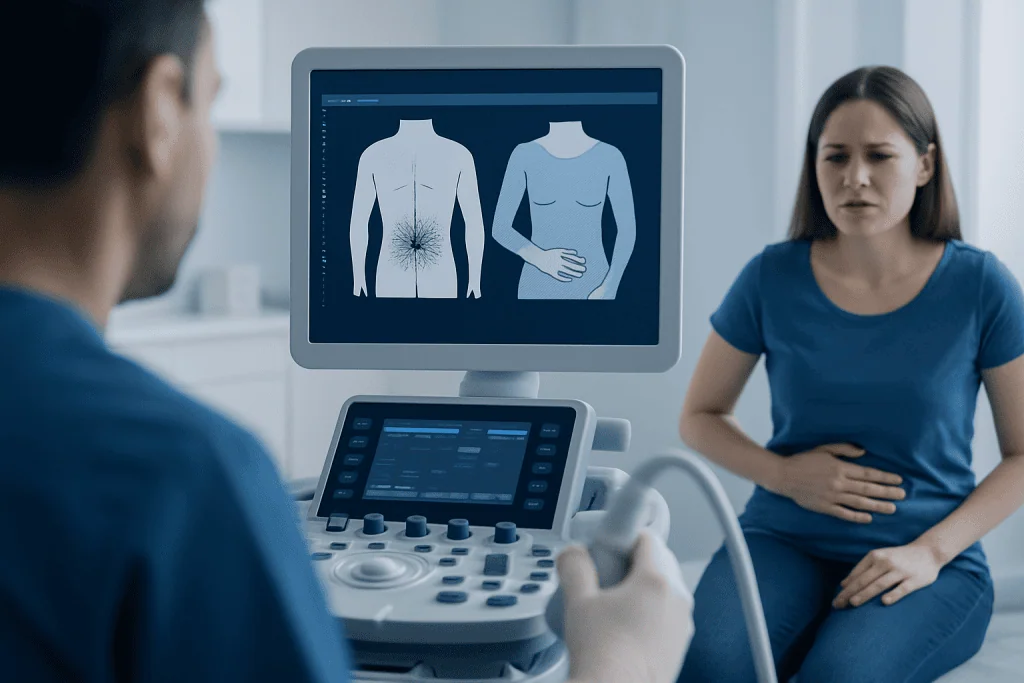
The way pain feels can offer useful clues, though it cannot confirm a diagnosis on its own. Cramping or bloating with a heavy, full feeling is often seen with gas, indigestion, constipation, or irritable bowel symptoms. Burning upper abdominal pain that rises after meals may suggest acid-related problems. Sharp waves of pain that come and go can occur with kidney stones or bowel spasms.
The location also matters. Upper abdominal pain that radiates to the back may occur with gallbladder disease, peptic ulcer disease, or pancreatitis. Lower abdominal pain with low back discomfort can be linked to constipation, urinary infection, pelvic conditions, or menstrual-related pain. One-sided pain in the flank or back may point toward the kidneys or a muscle strain.
Associated symptoms further narrow the possibilities. Useful details include:
- Nausea or vomiting
- Diarrhea, constipation, or black stools
- Fever or chills
- Pain with urination or blood in the urine
- Loss of appetite or unplanned weight loss
- Pain after fatty meals or alcohol use
- Pain that worsens with movement, lifting, or coughing
Keeping track of these patterns can help a doctor decide whether the source is digestive, urinary, musculoskeletal, or another system.
Common causes of stomach pain with back pain

Several common conditions can cause both stomach and back discomfort. Digestive causes include trapped gas, constipation, viral gastroenteritis, acid reflux, peptic ulcer disease, gallstones, and pancreatitis. Constipation, for example, can create pressure and cramping in the abdomen while also leading to lower back discomfort. Gallbladder and pancreatic problems more often cause upper abdominal pain that may spread through to the back.
Urinary tract and kidney problems are another important group. A kidney stone can cause severe flank or back pain that may spread toward the lower abdomen or groin, while a kidney infection may produce back pain with fever, nausea, and urinary symptoms. Conditions such as kidney stones are especially likely when pain is one-sided and comes in intense waves.
Muscles and joints can also be the main source, even when the discomfort seems to involve the stomach. A strained abdominal wall or lower back muscle can cause pain that worsens with twisting, lifting, coughing, or certain positions. Sometimes abdominal bloating or poor posture changes the way a person moves, adding muscle tension and making both areas hurt.
Less common but important causes include appendicitis, bowel obstruction, inflammatory bowel disease flares, abdominal aortic aneurysm, endometriosis, ovarian cysts, and pain related to pregnancy. Persistent symptoms should not be self-diagnosed, especially when the pain is severe, recurrent, or associated with warning signs.
Risk factors and clues doctors consider
Doctors often ask about age, sex, medical history, medications, and recent activities because these can change the list of likely causes. Frequent use of anti-inflammatory pain medicines may increase the risk of ulcers. Heavy alcohol use can contribute to pancreatitis. A history of gallstones, kidney stones, acid reflux, or prior abdominal surgery can also be relevant.
Lifestyle and recent events may provide additional clues. Dehydration may raise the risk of kidney stones and constipation. A recent viral illness or food exposure may point toward infection. Heavy lifting, intense exercise, or prolonged sitting can make a muscle strain more likely. In women, menstrual cycle timing, possible pregnancy, or a history of gynecologic conditions may be important.
Risk factors do not prove the cause, but they help guide evaluation. For example, recurrent upper abdominal pain after fatty meals suggests gallbladder disease, while back pain with urinary burning suggests a urinary source. In contrast, pain that is reproducible when pressing or moving the trunk may be more musculoskeletal.
How diagnosis is made
Diagnosis begins with a detailed history and physical examination. A clinician usually asks where the pain started, whether it moved, how intense it is, how long it lasts, and what other symptoms are present. They may examine the abdomen for tenderness, swelling, or guarding and assess the back for muscle spasm, range of motion, and areas of pain.
Depending on the suspected cause, tests may include blood work, urine testing, stool testing, or imaging. Blood tests can look for signs of infection, inflammation, anemia, liver or pancreas problems, and dehydration. A urine test may help identify infection or blood associated with stones. Imaging such as ultrasound, X-ray, CT, or MRI may be used when symptoms are severe, unclear, or persistent.
Sometimes referral-based testing is needed. For ongoing digestive symptoms, a doctor may recommend endoscopy or specialist assessment through gastroenterology care. If a spine or nerve problem is suspected, structured evaluation in orthopedics and traumatology may help identify musculoskeletal causes. When symptoms suggest a digestive diagnosis such as pancreatitis, urgent medical assessment is especially important.
Treatment options and symptom relief
Treatment depends entirely on the cause. Mild indigestion, constipation, viral stomach upset, or muscle strain may improve with rest, hydration, dietary adjustments, and short-term symptom relief recommended by a clinician. In contrast, bacterial infections may need antibiotics, kidney stones may require pain control and monitoring or a procedure, and gallbladder or appendiceal disease may need surgery.
When back and stomach symptoms are related to digestion, care may involve treating acid reflux, supporting bowel regularity, or addressing inflammation. If gallstones or complications of the gallbladder are involved, specialists may consider gallbladder surgery when appropriate. For urinary causes, the plan may include fluids, medications, or urologic care depending on whether there is infection or obstruction.
Supportive measures can still play a role while the cause is being evaluated. These include eating smaller bland meals, avoiding alcohol, keeping well hydrated unless told otherwise, using gentle movement rather than prolonged bed rest for muscle-related pain, and avoiding self-medicating with frequent painkillers that may irritate the stomach. If symptoms are moderate to severe, a doctor should guide treatment rather than relying on home remedies alone.
In some cases, multidisciplinary care is useful because abdominal and back pain may overlap more than one specialty. This can include digestive, kidney, orthopedic, or women’s health assessment to make sure an important diagnosis is not missed.
Self-care, prevention, and everyday habits
Not every episode can be prevented, but some habits reduce the chance of common causes. Drinking enough fluids may help prevent constipation and lower the risk of some kidney stones. Regular meals, adequate fiber, and physical activity support healthy digestion and bowel function. Good lifting technique and core-strengthening exercises may reduce strain-related back pain.
People who frequently get indigestion or reflux may benefit from avoiding meals that are very large, spicy, or high in fat if these are known triggers. Limiting alcohol, stopping smoking, and reviewing medications with a doctor can also protect digestive health. Those with a history of stones or gallbladder disease should follow individualized advice from their clinician.
A symptom diary can be practical for recurring but non-urgent discomfort. Recording meals, bowel habits, urinary symptoms, menstrual timing, activity levels, and what relieves the pain may help identify patterns. This information can make clinic visits more useful and may speed up diagnosis.
Near the end of a care pathway, some patients benefit from coordinated specialist input. Acibadem International’s multidisciplinary specialists and JCI-accredited hospitals diagnose and treat digestive, urinary, and musculoskeletal causes of these symptoms for international patients when further evaluation is needed.
When to seek medical care
Medical care is recommended if back and stomach pain is severe, lasts more than a few days, keeps returning, or interferes with eating, drinking, sleep, or normal activities. A clinician should also assess symptoms if there is vomiting, diarrhea that does not improve, constipation with marked abdominal swelling, or pain that repeatedly occurs after meals.
Urgent care is important if there is fever, fainting, chest pain, trouble breathing, black or bloody stools, blood in the urine, yellowing of the skin or eyes, sudden severe one-sided back pain, or pain during pregnancy. Sudden intense abdominal pain with a rigid belly or worsening weakness should be treated as an emergency.
Prompt medical attention can be especially important for conditions like kidney infection, appendicitis, pancreatitis, bowel obstruction, or vascular problems. Seeking evaluation early often leads to faster symptom relief and safer treatment.
Frequently asked questions
Can gas cause back and stomach pain at the same time?
Yes. Gas and bloating can stretch the intestines and create cramping abdominal discomfort that may also be felt in the back. This is more likely if the pain comes with belching, abdominal fullness, or relief after passing gas or having a bowel movement.
How can a person tell if the pain is from the kidneys or the stomach?
Kidney-related pain is often felt in the flank or side of the back and may spread toward the lower abdomen or groin. It may come with urinary burning, blood in the urine, nausea, fever, or waves of intense pain. Stomach or digestive causes more often relate to meals, bowel changes, bloating, or upper abdominal tenderness.
Is back and stomach pain ever an emergency?
It can be. Sudden severe pain, especially with fever, vomiting, black stools, chest pain, fainting, breathing trouble, or a rigid abdomen, needs urgent medical evaluation. These features may point to a serious digestive, urinary, or vascular problem.
Can constipation make the lower back hurt?
Yes. Constipation can cause abdominal pressure, cramping, and bloating, and that pressure may contribute to lower back discomfort. If constipation is severe, persistent, or associated with vomiting or marked swelling, medical advice is important.
What tests might a doctor order for back and stomach pain?
Tests depend on the suspected cause. Common options include blood tests, urine tests, stool tests, and imaging such as ultrasound or CT. Some people may also need endoscopy or specialist evaluation if symptoms continue or the diagnosis remains unclear.
What can someone do at home while waiting for a medical visit?
For mild symptoms, it may help to rest, drink fluids, eat simple foods, and avoid alcohol or very heavy meals. Gentle movement can be useful if a muscle strain is suspected. However, strong or worsening pain should not be managed only at home, especially if there are warning signs.
References
- National Institute of Diabetes and Digestive and Kidney Diseases
- Mayo Clinic
- Cleveland Clinic
- National Health Service
- American College of Gastroenterology
This article is for general information only and is not a substitute for professional medical advice. Please consult a qualified doctor about your individual situation.
Persistent digestive symptoms? Get evaluated in Turkey
JCI-accredited · board-certified surgeons · reply within 24h
Add us as a Preferred Source to see more of our trusted health content across Google Search, AI Overviews and Discover.

More from the Health Library

Levetiracetam: A Complete Medical Overview

Paleo Meal Delivery: A Complete Medical Overview

Splenda — Explained by Medical Evidence, Not Myths

No Feeling in Tongue: An Evidence-Based Guide for Patients

Intention Tremor: What Patients Need to Know

Transverse Fracture — Explained by Medical Evidence, Not Myths
Gastroenterology Specialists at Acibadem

Prof. Dr. Ethem Tankurt
Gastroenterology
Prof. Dr. Fatih Oğuz Önder
Gastroenterology
Dr. Fatma Seçil Kırdök
Gastroenterology
Prof. Dr. Ferdane Pirinççi Sapmaz
Gastroenterology