

Baclofen Pump — Explained by Medical Evidence, Not Myths

A baclofen pump delivers medicine directly into spinal fluid, so much smaller doses can be used than with oral baclofen. It is mainly used for severe spasticity caused by neurological conditions such as spinal cord injury, cerebral palsy, multiple sclerosis, stroke, or brain injury.
Key Takeaways
- A baclofen pump delivers medicine directly into spinal fluid, so much smaller doses can be used than with oral baclofen.
- It is mainly used for severe spasticity caused by neurological conditions such as spinal cord injury, cerebral palsy, multiple sclerosis, stroke, or brain injury.
- Before permanent implantation, many patients have a screening test to see whether intrathecal baclofen is likely to help.
- Regular follow-up is essential because the pump needs refilling, monitoring, and occasional replacement.
- Sudden interruption of baclofen delivery can be serious and needs urgent medical attention.
- Treatment decisions are individualized and usually involve neurology, rehabilitation, pain, and neurosurgical specialists.
A baclofen pump is an implanted system that delivers baclofen directly into the fluid around the spinal cord to help control severe spasticity. It is usually considered when muscle stiffness and spasms remain disabling despite standard oral medicines or when side effects from tablets limit treatment.
What a Baclofen Pump Is and How It Works
A baclofen pump is a small implanted device used to treat severe spasticity, a condition in which muscles become abnormally stiff, tight, or prone to painful spasms. The pump is placed under the skin of the abdomen and connected to a thin catheter that delivers baclofen into the intrathecal space, the fluid around the spinal cord. This approach is called intrathecal baclofen therapy.
The main advantage of a baclofen pump is that the medicine reaches the nervous system more directly than a tablet taken by mouth. Because of this, many patients can achieve better control of muscle tone with much lower doses than oral baclofen would require. Lower doses may also reduce whole-body side effects such as sleepiness, dizziness, or weakness, although side effects can still occur.
A baclofen pump does not cure the underlying neurological condition. Instead, it is designed to reduce muscle overactivity and improve comfort, positioning, caregiving, hygiene, sleep, and in some cases mobility or participation in rehabilitation. Whether it improves walking or function depends on the individual, because some people rely on a certain amount of muscle tone for transfers or standing.
This treatment is most often considered for patients whose spasticity significantly affects daily life despite physical therapy, stretching, splints, or oral medicines. In a broader treatment plan, clinicians may also discuss rehabilitation strategies and selected procedures such as physical therapy and rehabilitation to support function and long-term care.
Who May Benefit From a Baclofen Pump
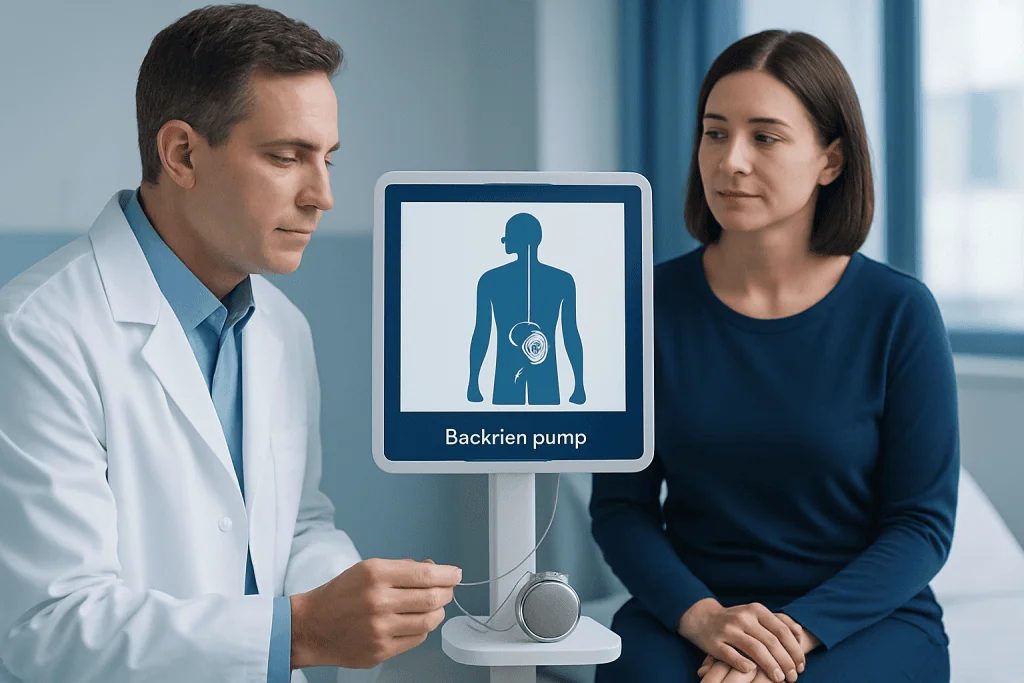
A baclofen pump is usually considered for people with severe spasticity that interferes with movement, sitting, sleep, hygiene, dressing, or comfort. It may help when symptoms are widespread, when oral baclofen or similar medicines do not work well enough, or when oral treatment causes unacceptable side effects. It can be used in both children and adults, depending on the clinical situation.
Common neurological causes of spasticity include spinal cord injury, cerebral palsy, multiple sclerosis, stroke, traumatic brain injury, and other conditions affecting the brain or spinal cord. In some patients, intrathecal baclofen may also be considered for severe dystonia, though this depends on the diagnosis and specialist assessment. Related neurological disorders may include multiple sclerosis or the after-effects of stroke.
Not every person with muscle stiffness is a good candidate. Doctors look at the pattern of spasticity, treatment goals, overall health, ability to attend regular refill visits, and whether reducing tone could affect standing or transfers. Caregivers often play an important role in decision-making, especially for children or adults with complex disabilities.
The best candidates are those with clear, realistic goals for treatment. These goals may include less pain, easier caregiving, better positioning in a wheelchair, fewer spasms, easier participation in therapy, or improved quality of life. A detailed discussion before treatment helps align expectations with what the pump can and cannot do.
Evaluation Before Implantation

Before recommending implantation, specialists usually perform a careful assessment. This includes reviewing the cause of spasticity, current symptoms, previous treatments, medications, physical function, and any medical conditions that might affect surgery or follow-up. The team also considers whether symptoms are truly due to spasticity, because stiffness can sometimes have other causes such as joint contractures, pain, infection, or poor positioning.
Many patients undergo a screening test, often called a baclofen trial. In a common approach, a single dose of baclofen is given into the intrathecal space by lumbar puncture, and the team observes the response over several hours. The aim is to see whether muscle tone, spasms, comfort, or caregiving needs improve enough to justify long-term therapy.
The response to a trial is only one part of the decision. Doctors also ask whether any improvement is meaningful in everyday life and whether side effects occur, such as excessive weakness, sleepiness, nausea, or changes in breathing. If the results are favorable, the patient may then move forward with implantation planning.
Evaluation often involves a multidisciplinary team, including neurology, physical medicine and rehabilitation, and neurosurgery. Depending on the person’s needs, the pathway may include specialist input in neurosurgery and spasticity-focused rehabilitation planning. This team-based approach helps balance symptom relief with function, safety, and long-term care needs.
What the Procedure and Follow-Up Involve
Baclofen pump implantation is a surgical procedure performed under sterile conditions, usually with anesthesia. The surgeon places the pump under the skin of the abdomen and tunnels a catheter to the spine so the medication can be delivered continuously. After surgery, the pump is programmed externally to provide a tailored dose schedule, which can be adjusted over time.
Most pumps can be programmed to deliver different amounts of baclofen at different times of day. This can be helpful if spasms are worse at night, during transfers, or in the morning. Dosing is individualized and often adjusted gradually after implantation based on symptoms, function, and side effects.
Regular follow-up is essential. The pump must be refilled periodically by trained clinicians using a needle through the skin into the pump reservoir. Battery life is limited, so the pump itself usually needs replacement after several years, though the catheter may or may not need revision at the same time.
Patients and caregivers are taught how to recognize pump alarms, attend refill appointments on time, and carry information about the device. They should also tell other healthcare professionals about the implant before procedures or imaging. Follow-up may include device checks and care coordination with teams experienced in neurology and rehabilitation.
Benefits, Limitations, and Possible Risks
The benefits of a baclofen pump can include reduced muscle tone, fewer spasms, less pain related to spasticity, easier positioning, improved sleep, and easier daily care. For some patients, better control of tone can support comfort in sitting and reduce the burden on caregivers. In selected cases, it may also improve participation in therapy and make assistive devices easier to use.
However, the treatment has limits. It does not reverse neurological injury or disease, and it may not improve every symptom. Sometimes lowering muscle tone too much can make standing, balance, or transfers more difficult. This is why goal-setting and careful dose adjustment are central parts of treatment.
Like any implanted device, a baclofen pump carries risks. Surgical risks can include bleeding, infection, and wound problems. Device-related issues may include catheter kinking, blockage, disconnection, pump malfunction, or the need for revision surgery. Medication-related side effects can include weakness, drowsiness, dizziness, nausea, headache, low muscle tone, or, in severe cases, breathing problems.
Two of the most important safety concerns are baclofen overdose and baclofen withdrawal. Overdose may cause extreme sleepiness, slowed breathing, severe weakness, or reduced consciousness. Withdrawal can happen if drug delivery is interrupted and may cause worsening spasticity, itching, fever, confusion, or other serious symptoms. Because of these risks, reliable follow-up and urgent access to medical care are essential.
Living With a Baclofen Pump: Daily Care and Self-Management
Daily life with a baclofen pump usually becomes easier once the dose is well adjusted, but it does require ongoing attention. Patients need scheduled refill visits and should never miss them, because an empty pump can lead to dangerous withdrawal. Caregivers should know the refill timetable, alarm instructions, and the contact details of the treatment team.
Good self-management also includes monitoring for changes in symptoms. New or worsening spasms, unusual weakness, increasing pain, headaches, redness over the pump site, fever, or a sudden change in function can all be important clues. These changes do not always mean a serious problem, but they should be reported promptly for medical advice.
Physical therapy, stretching, posture management, and skin care often remain important even after implantation. The pump is one part of a wider management plan for spasticity and mobility. Ongoing rehabilitation can help preserve joint range, reduce contractures, and support comfort and function over time.
People with implanted devices may also need practical guidance before surgery, dental work, scans, or travel. Carrying device identification and a medication list can be helpful. Near the end of the care pathway, some international patients may choose centers such as Acibadem International, where multidisciplinary specialists in JCI-accredited hospitals diagnose and treat spasticity and provide coordinated follow-up for complex cases.
When to Seek Medical Care
Patients should contact their doctor promptly if spasticity suddenly worsens, the pump alarm sounds, refill appointments are approaching, or there are signs of infection such as redness, swelling, warmth, drainage, or fever. A new change in walking, transfers, comfort, or alertness also deserves medical review, especially if it appears after a dose adjustment or procedure.
Urgent medical care is needed if there are symptoms that could suggest baclofen withdrawal or overdose. Possible warning signs include severe return of spasms, intense itching, confusion, high fever, marked weakness, unusual sleepiness, trouble breathing, fainting, or reduced consciousness. These symptoms can become serious and should not be ignored.
Medical review is also important if the treatment no longer seems to help as expected. Dose needs can change over time, and worsening symptoms may reflect disease progression, a catheter problem, an infection, another illness, or changes in mobility. Early assessment often makes troubleshooting easier and safer.
Anyone considering a baclofen pump should seek care from qualified specialists with experience in spasticity management and implanted drug delivery systems. This helps ensure that diagnosis, patient selection, surgery, programming, and long-term follow-up are handled in a structured and safe way.
Frequently asked questions
Is a baclofen pump the same as taking baclofen tablets?
No. A baclofen pump delivers baclofen directly into the fluid around the spinal cord, while tablets are absorbed through the digestive system and circulate through the whole body. Because the medicine is delivered more directly, much lower doses are usually needed with a pump.
Who is a good candidate for a baclofen pump?
A good candidate usually has severe spasticity that significantly affects comfort, care, sleep, mobility, or daily activities despite therapy and oral medicines. Doctors also consider overall health, treatment goals, and whether the person can attend regular refill and follow-up visits.
Is baclofen pump surgery permanent?
The pump is intended for long-term treatment, but it is not irreversible. The system can be removed if necessary, although removal is another medical procedure and must be managed carefully to avoid withdrawal and other complications.
How often does a baclofen pump need to be refilled?
Refill timing varies depending on the pump model, reservoir size, and the dose being used. Many patients need periodic refills every few weeks to months, and the schedule is determined by the treating team. It is important not to miss refill appointments.
What are the most serious risks of a baclofen pump?
The most serious risks are baclofen withdrawal, baclofen overdose, infection, and device or catheter malfunction. These problems are uncommon but important because they may require urgent treatment. Patients and caregivers are usually taught what warning signs to watch for.
Will a baclofen pump improve walking?
It can improve walking in some people, but not in everyone. Reducing spasticity may make movement easier for some patients, while others may find that too much reduction in muscle tone affects standing or transfers. Treatment is adjusted to match the person’s functional goals.
References
- National Institute of Neurological Disorders and Stroke
- National Institute for Health and Care Excellence
- American Association of Neurological Surgeons
- American Academy of Physical Medicine and Rehabilitation
- MedlinePlus
This article is for general information only and is not a substitute for professional medical advice. Please consult a qualified doctor about your individual situation.
Joint and spine care in Turkey — expert assessment & treatment
JCI-accredited · board-certified surgeons · reply within 24h
Add us as a Preferred Source to see more of our trusted health content across Google Search, AI Overviews and Discover.

More from the Health Library



Related Specialists

Fzt. Cihan Seyyah
Physical Medicine & Rehabilitation
Dr. Erkan Adnan Kelebek
Coronary Intensive Care Unit
Dr. Kurtuluş Delibaş
Otorhinolaryngology
Assoc. Prof. Dr. Tansel Türkoğlu
Cardiovascular Surgery