

Bad Breath: Dental Causes and When to Investigate

Most long-lasting bad breath begins in the mouth, especially from bacteria on the tongue, between teeth, or around inflamed gums. Gum disease, tooth decay, poorly fitting dental appliances, dry mouth, and trapped food can all contribute to halitosis.
Key Takeaways
- Most long-lasting bad breath begins in the mouth, especially from bacteria on the tongue, between teeth, or around inflamed gums.
- Gum disease, tooth decay, poorly fitting dental appliances, dry mouth, and trapped food can all contribute to halitosis.
- Improved brushing, flossing, tongue cleaning, hydration, and regular dental visits are often effective first steps.
- Bad breath that does not improve after dental care may need evaluation for sinus, throat, reflux, diabetes-related, kidney, liver, or medication-related causes.
- A dentist or doctor should assess bad breath accompanied by bleeding gums, tooth pain, mouth sores, fever, weight loss, swallowing difficulty, or a fruity, ammonia-like, or unusually strong odor.
Bad breath, also called halitosis, is common and most often related to bacteria in the mouth, gum disease, tongue coating, dry mouth, or dental problems. When it persists despite good oral care, a dental check-up and sometimes medical evaluation can help identify the cause and guide treatment.
Overview
Bad breath is the common name for halitosis, an unpleasant odor from the mouth or breath. It can be temporary, such as after eating garlic, onions, or strongly flavored foods, or it can be persistent. Although it may cause embarrassment, it is a frequent concern and is usually manageable once the underlying cause is understood.
In many people, bad breath starts in the mouth. Natural bacteria break down food particles, saliva proteins, and cells shed from the lining of the mouth. During this process, they may produce volatile sulfur compounds, which can create a noticeable odor. These bacteria often collect on the back of the tongue, between teeth, under dental work, and along the gumline.
Persistent bad breath is not simply a cosmetic issue. It can be an early sign of gum inflammation, dental infection, dry mouth, or inadequate cleaning around teeth and restorations. Less commonly, it may be linked to ear, nose, throat, digestive, metabolic, or medication-related causes. A calm, step-by-step evaluation usually identifies the reason and helps patients choose the right treatment.
Common Dental Causes of Bad Breath
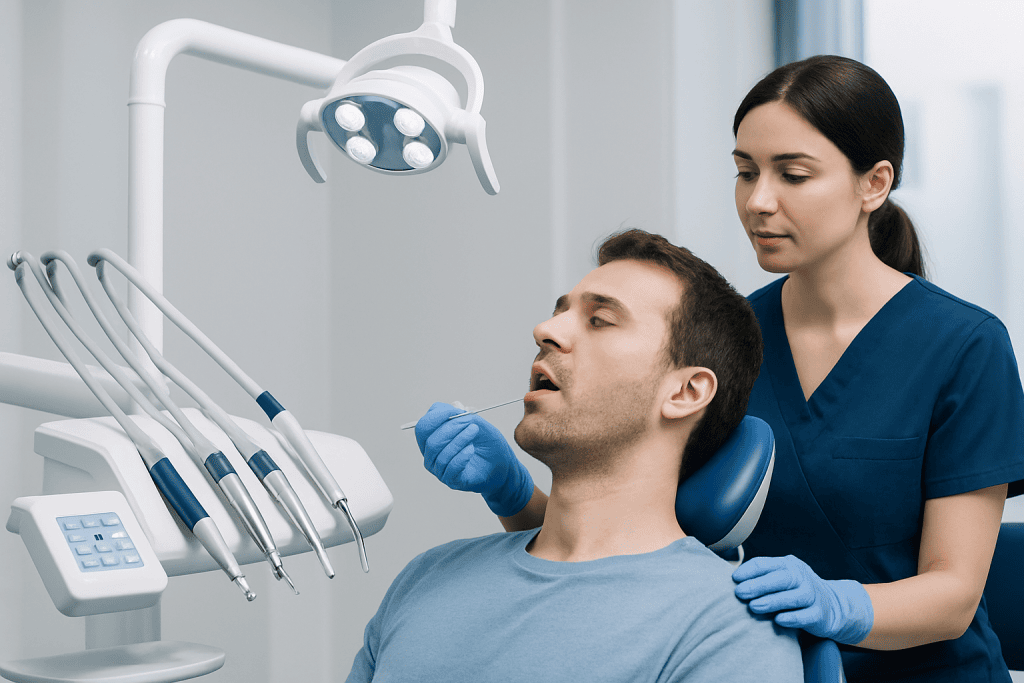
The most frequent dental cause is plaque buildup. Plaque is a sticky film of bacteria that forms on teeth and around the gumline. If it is not removed regularly, it can harden into tartar, irritate the gums, and create areas where odor-producing bacteria thrive. Gum disease, from early gingivitis to more advanced periodontitis, is strongly associated with persistent bad breath.
The tongue is another important source. A white or yellowish coating on the back of the tongue can trap bacteria, food debris, and dead cells. This is why some people continue to notice bad breath even when they brush their teeth. Gentle tongue cleaning, when done correctly, may significantly reduce odor.
Other dental contributors include tooth decay, cracked fillings, ill-fitting crowns or bridges, food impaction between teeth, untreated dental abscesses, and poorly cleaned dentures, aligners, retainers, or mouthguards. Mouth breathing and dry mouth can make odor worse because saliva normally helps wash away food particles and control bacterial growth.
- Bleeding, swollen, or tender gums may suggest gingivitis or periodontitis.
- Tooth pain, sensitivity, swelling, or a bad taste may suggest decay or infection.
- Odor from dentures or appliances often improves with correct cleaning and fit assessment.
- Morning breath is common because saliva flow naturally decreases during sleep.
Symptoms and Clues to Notice

Many people cannot accurately judge their own breath because the sense of smell adapts quickly. A trusted family member, partner, dentist, or hygienist may notice the odor more reliably. Some patients report a persistent bad taste, a coated tongue, dry mouth, or a feeling that breath becomes worse after long periods without eating or drinking.
The pattern of symptoms can help identify the cause. Bad breath that is worse in the morning or after speaking for a long time may be related to reduced saliva. Odor with bleeding gums, gum recession, loose teeth, or tartar may point toward gum disease. A foul taste near one tooth, facial swelling, or pain when chewing may indicate a dental infection that needs prompt dental care.
It is also useful to consider recent changes. New medications, a change in diet, fasting, dehydration, smoking, vaping, alcohol intake, or a new dental appliance can all affect breath. In children, persistent bad breath may be related to mouth breathing, enlarged tonsils, sinus congestion, dental decay, or, rarely, a foreign body in the nose.
Diagnosis: What a Dentist May Check
A dental evaluation usually begins with a discussion of symptoms, oral hygiene routine, diet, smoking or vaping habits, medications, and medical history. The dentist may ask when the odor started, whether it changes during the day, and whether there are symptoms such as bleeding gums, dry mouth, tooth pain, heartburn, nasal congestion, or sore throat.
The clinical examination includes checking the teeth, gums, tongue, dental restorations, dentures or appliances, and the areas where food may become trapped. The dentist may look for plaque, tartar, gum pockets, gum recession, cavities, abscesses, loose fillings, and signs of dry mouth. Dental X-rays may be recommended if decay, bone loss, or infection is suspected.
In some clinics, breath odor can be assessed using standardized smell testing or devices that estimate sulfur compounds, but a careful dental and medical evaluation is often more important than a device reading alone. If the mouth appears healthy and oral hygiene is appropriate, the dentist may recommend evaluation by a physician, ENT specialist, gastroenterologist, or other clinician depending on the symptoms.
Treatment Options
Treatment depends on the cause. If plaque, tartar, or gum inflammation is present, professional dental cleaning is often the first step. Scaling removes hardened tartar that cannot be removed by brushing. When periodontitis is present, deeper periodontal treatment and ongoing maintenance may be needed to reduce gum pockets and bacterial buildup.
Dental decay, leaking fillings, defective crowns, and abscesses require specific dental treatment, which may include restoration, replacement of dental work, root canal treatment, or extraction when a tooth cannot be saved. Dentures, retainers, aligners, and mouthguards should be cleaned as instructed and checked for fit, because rough or loose appliances can retain bacteria and irritate tissues.
For day-to-day control, the dental team may recommend individualized oral hygiene measures. These can include brushing twice daily with fluoride toothpaste, cleaning between teeth with floss or interdental brushes, gently cleaning the tongue, and using an alcohol-free mouthwash when appropriate. Mouthwash may temporarily reduce odor, but it should not replace diagnosis and treatment of gum disease, infection, or dry mouth.
If dry mouth contributes to bad breath, management may include reviewing medications with a doctor, increasing water intake, using sugar-free chewing gum or lozenges to stimulate saliva, avoiding tobacco and excessive alcohol, and considering saliva substitutes if recommended. Patients should not stop prescribed medicines without medical advice.
Prevention and Self-Care
Good oral hygiene is the foundation of prevention. Brushing should clean all tooth surfaces and the gumline, while interdental cleaning removes plaque and food debris where a toothbrush cannot reach. Many people benefit from personalized instruction because tooth spacing, braces, implants, crowns, bridges, and dexterity all affect the best cleaning method.
Tongue cleaning can help, especially when the back of the tongue is coated. It should be gentle to avoid irritation. Dentures and removable appliances should be cleaned daily, removed when advised, and stored correctly. Regular dental visits allow early treatment of tartar buildup, gum inflammation, decay, and appliance problems before they cause persistent odor.
- Drink water regularly, particularly after coffee, alcohol, or long periods of speaking.
- Limit frequent sugary snacks and drinks, which increase the risk of decay.
- Avoid smoking and vaping, which contribute to dry mouth, gum disease, staining, and odor.
- Replace toothbrushes or brush heads regularly, especially after illness or when bristles are worn.
- Manage nasal allergies, reflux symptoms, or chronic mouth breathing with appropriate medical advice.
Diet can also influence breath. Strong-smelling foods may cause temporary odor as compounds are absorbed and later released through the lungs. Fasting or very low-carbohydrate diets can cause a different breath odor related to ketone production. These patterns are usually different from odor caused by gum disease or infection.
When to Investigate Beyond Dental Causes
If bad breath continues after a dental check-up, professional cleaning, and consistent oral hygiene, non-dental causes should be considered. Ear, nose, and throat conditions such as chronic sinusitis, postnasal drip, tonsil stones, throat infections, and mouth breathing can contribute to odor. Reflux disease may also cause sour or bitter breath, especially when accompanied by heartburn, regurgitation, hoarseness, or chronic cough.
Some medical conditions can change breath odor, although they are less common causes than oral problems. Poorly controlled diabetes may be associated with fruity or acetone-like breath. Kidney or liver disease can cause distinctive breath changes in advanced illness. Certain medications may reduce saliva flow and indirectly cause halitosis. A clinician can decide which tests, if any, are appropriate based on the full history and examination.
Prompt evaluation is recommended if bad breath is accompanied by warning symptoms such as persistent mouth sores, unexplained bleeding, swelling of the face or jaw, fever, severe tooth pain, difficulty swallowing, unintentional weight loss, coughing blood, or a sudden unusual breath odor with feeling unwell. These signs do not always mean a serious condition, but they should be assessed without delay.
International patients seeking coordinated evaluation may be seen by dental and medical specialists at Acibadem International, where multidisciplinary teams in JCI-accredited hospitals diagnose and treat oral and related health conditions. The appropriate pathway depends on the patient’s symptoms, dental findings, and medical history.
Frequently asked questions
Is bad breath usually caused by the stomach?
Most persistent bad breath begins in the mouth, not the stomach. Bacteria on the tongue, gum disease, tooth decay, dry mouth, and trapped food are common causes. Digestive causes such as reflux can contribute in some people, especially when there are symptoms like heartburn or sour regurgitation.
Can brushing alone get rid of bad breath?
Brushing is important, but it may not be enough if odor-producing bacteria are between teeth, under the gums, or on the back of the tongue. Flossing or interdental cleaning, tongue cleaning, and regular dental cleanings are often needed. If gum disease or decay is present, professional treatment is necessary.
Why does breath smell worse in the morning?
Saliva flow decreases during sleep, allowing bacteria and odor compounds to build up. Mouth breathing, snoring, dehydration, alcohol, smoking, and poor oral hygiene can make morning breath stronger. It should improve after drinking water and cleaning the teeth and tongue.
Do mouthwashes cure halitosis?
Mouthwashes can temporarily reduce odor and bacterial levels, but they do not cure the underlying cause if there is gum disease, tooth decay, infection, or dry mouth. Alcohol-free products may be preferable for people with dryness. A dentist can recommend whether a specific rinse is appropriate.
When should a person see a dentist for bad breath?
A dental visit is advised when bad breath lasts more than a few weeks despite good brushing, flossing, and tongue cleaning. It is also important to see a dentist if there are bleeding gums, loose teeth, tooth pain, swelling, a bad taste, or visible tartar. Early care often makes treatment simpler.
Can dry mouth cause bad breath?
Yes. Saliva helps clean the mouth and control bacteria, so reduced saliva can allow odor to develop. Dry mouth may be related to dehydration, mouth breathing, tobacco, alcohol, some medications, or medical conditions, and it should be discussed with a dentist or doctor if persistent.
Can children have bad breath for the same reasons as adults?
Children can have bad breath from dental plaque, cavities, tongue coating, dry mouth, or poor oral hygiene. They may also have nasal congestion, enlarged tonsils, tonsil stones, or mouth breathing. Persistent odor in a child should be checked by a dentist or pediatrician, especially if there is pain, fever, or nasal symptoms.
References
- American Dental Association
- World Health Organization
- FDI World Dental Federation
- Mayo Clinic
- National Institute of Dental and Craniofacial Research
This article is for general information only and is not a substitute for professional medical advice. Please consult a qualified doctor about your individual situation.
Explore treatments in Turkey — costs, top hospitals & a free quote
JCI-accredited · board-certified surgeons · reply within 24h
Add us as a Preferred Source to see more of our trusted health content across Google Search, AI Overviews and Discover.

Dental & Oral Health
Full-scope dental care from implants and aesthetics to oral and maxillofacial surgery.
158 specialists in this unitRelated Treatments
More from the Health Library



Related Specialists

Assoc. Prof. Dr. Ferit Bayram
Oral & Dental Health
Dt. Alara Naz Kenir
Oral & Dental Health
Dt. Gonca Katmer
Oral & Dental HealthDt. Doğa Baysal
Oral & Dental Health