Barre — Explained by Medical Evidence, Not Myths

Barre is a fitness method, not a medical treatment, but it can be part of a healthy exercise routine. Most classes focus on small, controlled movements, core engagement, posture, balance, and muscular endurance.
Key Takeaways
- Barre is a fitness method, not a medical treatment, but it can be part of a healthy exercise routine.
- Most classes focus on small, controlled movements, core engagement, posture, balance, and muscular endurance.
- Proper form matters; poor alignment or overuse can lead to joint, tendon, or muscle strain.
- Barre may suit many beginners and older adults because it is usually low impact, but modifications are often needed.
- People with pain, injuries, pregnancy-related concerns, or balance problems should ask a qualified clinician or instructor for guidance.
Barre is a low-impact exercise method that combines ballet-inspired positions with strength, balance, and flexibility work. It can support fitness, posture, and muscular endurance, but like any workout, it works best when matched to a person’s health needs, technique, and training level.
What barre is and what the evidence suggests
Barre is a group exercise style built around ballet-inspired positions, body-weight strength work, balance training, and repeated small-range movements. Despite the name, a person does not need ballet experience. Most classes include standing exercises at a barre or chair for support, followed by floor-based core and mobility work.
From a medical and exercise perspective, barre is best understood as a form of low-impact physical activity rather than a specialized therapeutic method. It may help improve muscular endurance, coordination, posture awareness, and general fitness. Some people also find it appealing because it can feel gentler on the joints than high-impact workouts such as jumping-based aerobics or running.
Research on barre specifically is more limited than research on broader exercise categories such as strength training, balance training, Pilates, or dance-based fitness. Still, the movement patterns used in barre overlap with evidence-based exercise principles: regular muscle loading, core engagement, mobility practice, and neuromuscular control. This means barre can be a reasonable option within a balanced exercise plan, especially when classes are taught safely and expectations remain realistic.
How a barre workout usually works
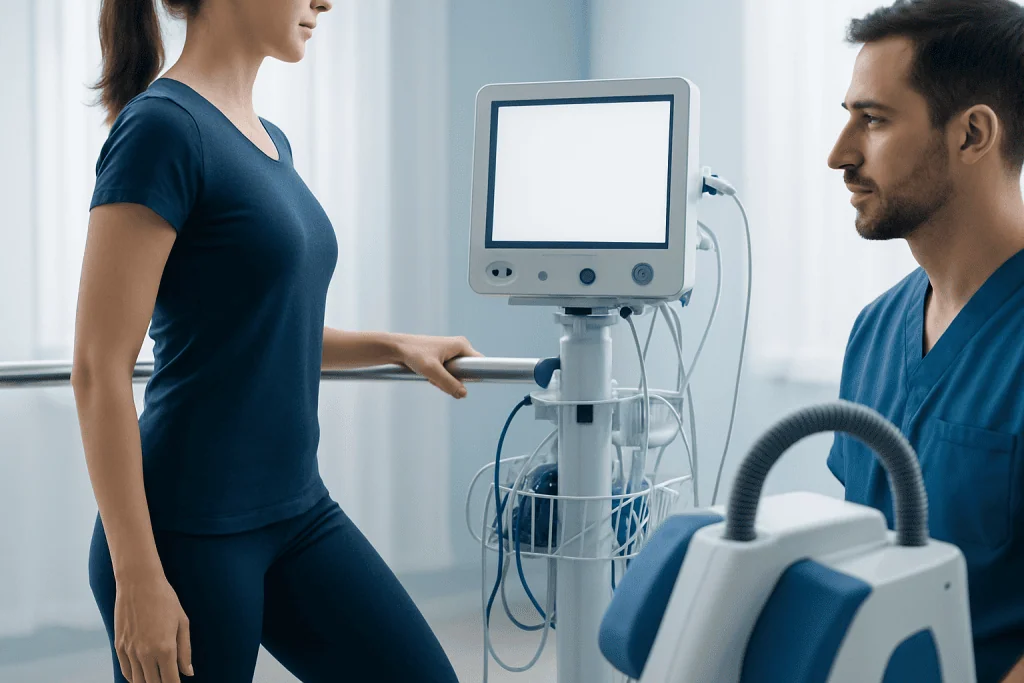
A typical barre class starts with a warm-up to increase circulation and prepare the muscles. The session then moves through a series of targeted exercises for the legs, hips, glutes, arms, and core. Many routines use high repetitions, light resistance, and isometric holds, meaning the muscles work without large visible movement.
Because the movements are often small and precise, barre places strong emphasis on body alignment. Instructors may cue neutral spine position, shoulder placement, pelvic control, and knee tracking over the feet. These details matter because the class is designed to challenge stability and muscle endurance rather than heavy strength output.
Workouts vary. Some are closer to Pilates, some include cardio intervals, and others are more dance-focused. A beginner may benefit from slower-paced classes that allow time to learn form. A supportive setup can also help, such as using a stable chair or rail at home rather than an improvised surface that could increase fall risk.
Potential health benefits of barre

Barre may offer several general fitness benefits when practiced consistently. It can improve muscular endurance, especially in the legs, hips, core, and postural muscles. The repeated contractions and controlled holds may also help a person become more aware of alignment and movement quality during daily activities.
Another possible benefit is balance and coordination. Since many exercises are performed standing on one leg or shifting body weight in a controlled way, barre may support neuromuscular control. This can be useful for adults who want a workout that challenges stability without the impact of jumping or sprinting. For people interested in broader joint and muscle health, related medical guidance on orthopedic conditions may be helpful when planning exercise around an injury.
Barre can also support flexibility and mobility, although the extent depends on the class style and the individual’s baseline range of motion. It should not be viewed as a cure for poor posture, pain, or chronic musculoskeletal problems, but it may complement a well-rounded program that includes walking, aerobic conditioning, and progressive strength training. In some cases, people recovering from an injury may also need structured physical therapy and rehabilitation rather than relying on exercise classes alone.
- Low-impact format that may feel more accessible than higher-impact exercise
- Emphasis on posture, core control, and body awareness
- Can be adapted with light weights, resistance bands, or no equipment
- May help maintain routine because classes are widely available in person and online
Limits, myths, and possible risks
Barre is often promoted with strong claims about “lengthening” muscles, reshaping the body in a specific way, or providing uniquely superior results. Medical evidence does not support the idea that one workout method can selectively change body shape beyond the normal effects of exercise, muscle conditioning, and overall lifestyle. Muscles do not literally become longer through barre; rather, people may feel improved mobility, posture awareness, and muscle tone.
Like any exercise, barre has limitations. It may improve endurance more than maximum strength because it usually relies on light resistance and repeated effort. People who want to build substantial strength, improve bone-loading capacity, or increase cardiovascular fitness may need additional training such as resistance exercise, walking, cycling, swimming, or medically guided programs.
There are also injury risks if technique is poor or if a person pushes through pain. Common problems include strain around the knees, hips, calves, Achilles tendon, lower back, neck, wrists, or feet. Repetitive small movements can still overload tissues, especially when recovery is inadequate or when a person already has an underlying problem such as instability, arthritis, tendon irritation, or foot mechanics issues. Someone with ongoing joint pain may need evaluation in orthopedics and traumatology if symptoms persist or worsen.
Who barre may suit best—and who may need modifications
Barre may be a good fit for adults seeking a lower-impact workout, beginners who want structured classes, and people who enjoy posture-focused movement. It can also appeal to those returning to exercise after a period of inactivity, provided they start gradually and choose beginner-friendly instruction. The pace and support of the barre itself can make some exercises feel approachable.
However, not every class is right for every person. Individuals with knee pain, hip arthritis, ankle instability, low back pain, osteoporosis, recent surgery, pregnancy-related concerns, balance disorders, or neurologic conditions may need changes to the range of motion, stance width, support level, or floor work. In some situations, supervised rehabilitation or a physician’s advice is a safer first step than a general fitness class.
People with a history of recurrent dizziness, numbness, falls, or pain that radiates down an arm or leg should be especially cautious. These symptoms may point to a condition that needs assessment rather than self-management through exercise alone. If symptoms involve the spine or nerves, information on spine health may help a person understand why professional evaluation is important before continuing a demanding routine.
How to practice barre safely
Safety in barre depends less on the brand of class and more on preparation, technique, and sensible progression. A proper warm-up is important because the exercises often involve sustained contractions and positions that challenge the calves, thighs, hips, and core. Good footwear or a stable non-slip surface can reduce the chance of slipping, especially in home workouts.
Form should take priority over intensity. A person should keep movements controlled, avoid forcing turnout from the knees or feet, and stop if pain feels sharp, unstable, or unusual. Muscle fatigue and mild exertion are expected during exercise, but joint pain, sudden pulling sensations, swelling, or lingering pain afterward are signs that the body may need rest, modification, or medical advice.
Cross-training is also helpful. Barre works best as one part of a broader exercise plan that includes aerobic activity, strength training, and recovery days. For people with movement limitations, guided exercise planning through sports medicine or rehabilitation professionals can help tailor a safe routine. Acibadem International’s multidisciplinary specialists and JCI-accredited hospitals also evaluate exercise-related musculoskeletal concerns for international patients when more individualized assessment is needed.
- Start with beginner classes and learn alignment cues
- Use a stable support surface and enough space to move safely
- Increase class frequency gradually rather than suddenly
- Rest or modify if pain, swelling, dizziness, or marked fatigue occurs
When to seek medical care
Most mild exercise soreness improves with rest, hydration, and a short reduction in training intensity. However, medical care is appropriate if pain is severe, if a joint becomes swollen, if walking is difficult, or if symptoms keep returning every time a person exercises. Persistent discomfort may indicate a strain, tendinopathy, joint irritation, or another condition that benefits from proper diagnosis.
Prompt medical attention is important for symptoms such as chest pain, shortness of breath out of proportion to exertion, fainting, sudden weakness, or a major fall. These are not typical effects of a standard barre class and should not be ignored. Numbness, tingling, progressive back pain, or pain that shoots into the limbs also deserves professional review.
A clinician can help determine whether a person should rest, modify technique, change activity, or undergo formal treatment. This is especially important for people with chronic medical conditions, those who are pregnant, or anyone returning to exercise after surgery or a prolonged illness.
Frequently asked questions
Is barre a good workout for beginners?
Barre can be a good choice for beginners because it is usually low impact and can be adapted to different fitness levels. The best starting point is a beginner class with clear instruction on posture, knee alignment, and core control.
Can barre help with weight loss?
Barre may contribute to weight management by increasing physical activity, but it does not cause weight loss on its own. Body weight changes depend on many factors, including diet, sleep, overall activity level, health conditions, and consistency over time.
Is barre safe for people with knee or back pain?
It can be safe for some people, but it depends on the cause of the pain and the class style. Deep knee bending, prolonged holds, or poor pelvic positioning may aggravate symptoms, so medical or rehabilitation advice may be helpful before starting.
Does barre build strength?
Barre can improve muscular endurance and control, especially in the lower body and core. However, it may not build maximum strength as effectively as progressive resistance training with heavier loads.
How often should someone do barre?
The right frequency varies by fitness level, recovery, and other exercise activities. Many people do well with a few sessions per week, allowing rest days or alternating with walking, cardio, and strength work.
Can barre replace physical therapy?
No. Barre is a fitness activity, while physical therapy is a personalized medical rehabilitation approach based on diagnosis, symptoms, and functional goals. Someone with an injury, surgery, or persistent pain should not use barre as a substitute for clinical care.
References
- World Health Organization
- American College of Sports Medicine
- Centers for Disease Control and Prevention
- National Institute of Arthritis and Musculoskeletal and Skin Diseases
- American Academy of Orthopaedic Surgeons
This article is for general information only and is not a substitute for professional medical advice. Please consult a qualified doctor about your individual situation.
Joint and spine care in Turkey — expert assessment & treatment
JCI-accredited · board-certified surgeons · reply within 24h
Add us as a Preferred Source to see more of our trusted health content across Google Search, AI Overviews and Discover.