Beer belly: A Complete Medical Guide for Patients

Beer belly usually reflects excess abdominal fat, not simply bloating or body shape alone. Visceral fat around the organs is more strongly linked to health risks than fat under the skin.
Key Takeaways
- Beer belly usually reflects excess abdominal fat, not simply bloating or body shape alone.
- Visceral fat around the organs is more strongly linked to health risks than fat under the skin.
- Alcohol can contribute to beer belly, but overall calorie intake, inactivity, sleep, stress, and aging also matter.
- Waist measurement can be a practical way to assess risk alongside weight and other health markers.
- Treatment focuses on sustainable lifestyle changes and, in some cases, medical evaluation for related conditions.
Beer belly refers to excess fat around the abdomen, especially deeper visceral fat that surrounds internal organs. It is not caused by beer alone, and while common, it can be a sign of increased health risk when waist size and overall metabolic health are affected.
Overview: What a Beer Belly Really Means
A beer belly is a common term for a larger abdomen caused by excess body fat, especially fat stored deep inside the belly. In medical terms, this is often related to abdominal obesity and visceral fat, which surrounds organs such as the liver, pancreas, and intestines. A person can have a beer belly even if they do not drink beer regularly.
The name can be misleading because beer is only one possible contributor. A beer belly usually develops over time when calorie intake regularly exceeds calorie use. Alcoholic drinks can add substantial calories, but large portions, sugary drinks, poor sleep, stress, reduced physical activity, and age-related metabolic changes can all play a role.
From a health perspective, the concern is not mainly appearance. The deeper fat associated with a beer belly is linked to insulin resistance, abnormal cholesterol levels, fatty liver, high blood pressure, and a higher risk of cardiovascular disease. That is why doctors often pay attention to waist size in addition to body weight.
Signs, Symptoms, and How to Tell It From Bloating
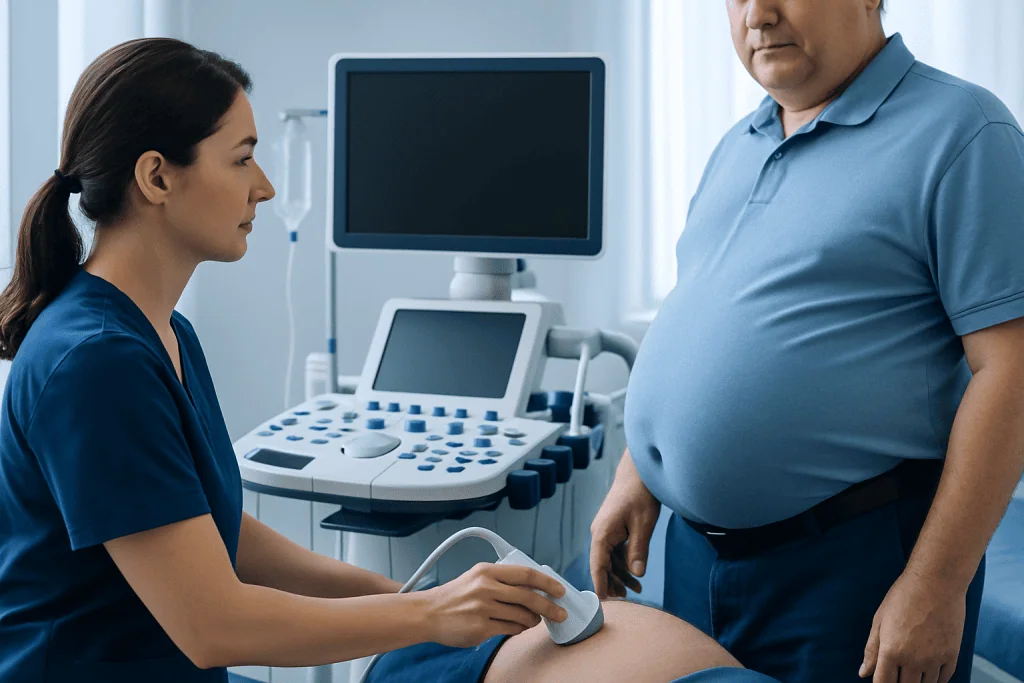
The main sign of a beer belly is an increase in abdominal size that develops gradually and persists over time. Clothes may feel tighter around the waist, and the abdomen may protrude more than the chest or hips. Some people also notice reduced stamina, lower comfort during exercise, or back strain due to changes in posture and weight distribution.
It is important to distinguish a beer belly from temporary bloating. Bloating often changes during the day, may follow meals, and can be accompanied by gas, fullness, or digestive discomfort. Fat-related abdominal enlargement is usually more constant and does not improve quickly after passing gas, having a bowel movement, or avoiding a single meal.
People with excess abdominal fat may also have signs of related metabolic problems, although many have no obvious symptoms at first. These can include fatigue, snoring, reduced exercise tolerance, elevated blood pressure, or blood test changes such as high blood sugar or triglycerides. When belly enlargement is sudden, painful, or associated with swelling elsewhere, it may point to a different medical problem rather than a simple beer belly.
Why Beer Belly Happens: Causes and Risk Factors

A beer belly develops when the body stores excess energy as fat, with some of that fat collecting in the abdomen. Alcohol can contribute because it provides calories without creating much fullness, and it may lower inhibitions, making overeating more likely. Beer is not unique in this respect; wine, spirits, sugary mixers, and high-calorie foods can have similar effects when consumed regularly.
Age is another important factor. As people get older, muscle mass tends to decrease and daily energy needs may fall. Hormonal changes also affect fat distribution. Men are more likely to store fat centrally around the abdomen, but women can also develop increased abdominal fat, especially after menopause.
Other contributors include low physical activity, diets high in refined carbohydrates and ultra-processed foods, chronic stress, and poor sleep. Some medical conditions and medications can also influence weight gain or abdominal enlargement. For example, hormonal disorders, fluid retention, or digestive conditions may sometimes be mistaken for a beer belly, so persistent changes deserve a proper assessment.
- Regular excess calorie intake
- Frequent alcohol use
- Sedentary lifestyle
- Increasing age and lower muscle mass
- Family history and genetic tendency
- Poor sleep and chronic stress
- Metabolic conditions such as obesity or insulin resistance
Health Risks Linked to Abdominal Fat
Not all body fat behaves the same way. The fat just under the skin, called subcutaneous fat, is different from visceral fat stored around internal organs. Visceral fat is more metabolically active and is associated with inflammation and hormone-like signals that can negatively affect blood vessels, blood sugar control, and liver function.
For this reason, a beer belly may be associated with increased risk of type 2 diabetes, heart disease, stroke, fatty liver disease, and sleep apnea. It can also worsen joint pain, mobility limitations, and overall energy levels. In some people, abdominal obesity appears together with a cluster of problems known as metabolic syndrome.
Waist circumference is often used as a practical measure of risk because it gives useful information beyond body weight alone. Someone can have a body mass index in an intermediate range but still carry too much visceral fat. If a clinician suspects broader metabolic risk, they may also evaluate blood pressure, fasting glucose, cholesterol, and liver markers, and may review related conditions such as diabetes.
How Doctors Assess a Beer Belly
Doctors usually begin with a medical history and physical examination. They ask about weight changes, diet, alcohol use, exercise, sleep, medications, and symptoms such as shortness of breath, swelling, digestive problems, or fatigue. Measuring waist circumference is especially useful because it helps estimate abdominal fat distribution.
In many cases, no special scan is needed to recognize abdominal obesity. However, testing may be recommended if there are signs of related health concerns or if the abdominal enlargement seems unusual. Blood tests may check glucose, cholesterol, liver enzymes, thyroid function, and other markers depending on the individual situation.
If the abdomen is rapidly enlarging, painful, very firm, or associated with leg swelling, jaundice, vomiting, or significant bowel changes, doctors may look for other causes such as fluid buildup, organ enlargement, or gastrointestinal disease. Imaging such as MRI or CT scan may sometimes be used when another underlying condition is suspected rather than for routine beer belly evaluation.
Treatment Options and How to Reduce a Beer Belly
The most effective way to reduce a beer belly is gradual fat loss through sustainable lifestyle changes. There is no reliable method to target belly fat alone with one exercise, detox, supplement, or short-term diet. In general, the goal is to create habits that reduce overall body fat while preserving muscle mass and improving metabolic health.
Helpful steps often include reducing alcohol intake, limiting sugary drinks, choosing balanced meals with vegetables, fruit, legumes, whole grains, and lean protein, and controlling portion sizes. Regular physical activity is also important. A combination of aerobic exercise and strength training is often recommended because building muscle helps support energy use and long-term weight management.
For some people, professional support is helpful, especially when abdominal obesity is severe or linked to conditions such as high blood sugar, fatty liver, or sleep apnea. Care may involve a primary care physician, dietitian, endocrinologist, or weight-management specialist. In selected cases, structured obesity surgery may be considered when lifestyle measures alone are not enough and a person meets medical criteria.
- Reduce or stop alcoholic drinks if they add excess calories
- Prioritize regular meals rich in fiber and protein
- Increase walking and planned exercise gradually
- Add resistance training to preserve muscle
- Improve sleep habits and manage stress
- Seek medical advice for persistent weight gain or obesity-related complications
Prevention, Self-Care, and Long-Term Success
Preventing a beer belly is usually easier than reversing it after years of weight gain. Simple routines can make a meaningful difference, such as keeping alcohol intake moderate, avoiding frequent late-night high-calorie snacks, and staying physically active throughout the week. Regular movement matters even for people who do not follow a formal exercise program.
Self-monitoring can be useful. Some people benefit from tracking waist size, body weight trends, alcohol intake, or meal patterns. The goal is not perfection but awareness. Small, consistent improvements are generally more realistic and more effective than restrictive plans that are difficult to maintain.
If there are concerns about obesity, blood sugar, or hormonal health, timely medical guidance can help identify the right approach. Near the end of the care pathway, some patients may also need broader metabolic assessment or support from specialists. Acibadem International’s multidisciplinary teams in JCI-accredited hospitals diagnose and treat abdominal obesity and related conditions for international patients when more advanced evaluation is needed.
When to Seek Medical Care
A routine medical visit is a good idea if the abdomen has been enlarging steadily, especially if waist size is increasing along with fatigue, high blood pressure, snoring, or abnormal blood sugar. A doctor can help determine whether the issue is mainly excess fat, another medical condition, or a combination of factors. Early evaluation may also detect treatable complications such as fatty liver or prediabetes.
More urgent medical assessment is needed if abdominal swelling appears suddenly or is accompanied by severe pain, vomiting, shortness of breath, jaundice, unexplained fever, black stools, or swelling in the legs. These features are not typical of a simple beer belly and may point to another condition requiring prompt attention.
People who struggle to lose abdominal weight despite sustained lifestyle changes may also benefit from medical review. In some cases, clinicians may look for sleep disorders, endocrine problems, medication effects, or other health issues that make weight management more difficult.
Frequently asked questions
Is a beer belly always caused by drinking beer?
No. Beer can contribute because it adds calories, but a beer belly is usually the result of overall excess calorie intake, reduced activity, and body fat distribution. People who rarely drink alcohol can still develop the same pattern of abdominal fat.
Is beer belly the same as bloating?
No. Bloating is usually temporary and may vary during the day, often with gas or digestive discomfort. A beer belly is more constant and is typically caused by fat accumulation, especially around the abdomen.
Why is belly fat considered more harmful than fat in other areas?
Deep belly fat, known as visceral fat, surrounds internal organs and is linked to inflammation and metabolic changes. This type of fat is more strongly associated with diabetes, heart disease, fatty liver, and high blood pressure than some other fat stores.
Can exercise alone get rid of a beer belly?
Exercise helps, but it usually works best when combined with changes in eating habits and alcohol intake. There is no proven way to spot-reduce only belly fat, so overall fat loss and improved muscle mass are the main goals.
How long does it take to reduce a beer belly?
The timeline varies depending on starting weight, health conditions, diet, activity level, and alcohol intake. In most cases, steady and sustainable progress over months is safer and more effective than rapid weight-loss plans.
When should someone worry that a beer belly could be something else?
Medical review is important if abdominal enlargement is sudden, painful, very firm, or linked to swelling, jaundice, vomiting, or major bowel changes. These signs are not typical of simple abdominal fat and may suggest another condition.
References
- World Health Organization
- Centers for Disease Control and Prevention
- National Institute of Diabetes and Digestive and Kidney Diseases
- American Heart Association
- Mayo Clinic
This article is for general information only and is not a substitute for professional medical advice. Please consult a qualified doctor about your individual situation.
Medical weight-loss options in Turkey — costs & eligibility
JCI-accredited · board-certified surgeons · reply within 24h
Add us as a Preferred Source to see more of our trusted health content across Google Search, AI Overviews and Discover.
Check your numbers in seconds
BMI, calories, due date, blood pressure and 30+ more clinical calculators — free, instant, doctor-reviewed ranges.

More from the Health Library



Related Specialists

Prof. Dr. Alp Demireller
Otorhinolaryngology
Prof. Dr. Sinan Karaoğlu
Orthopedic Surgery & Traumatology
Prof. Dr. Ahmet Karabulut
Cardiology
Fzt. Tuğçe Kahraman
Physical Medicine & Rehabilitation