Benign Prostatic Hyperplasia: Symptoms, Causes, and Treatment Options

Benign prostatic hyperplasia is a common, non-cancerous enlargement of the prostate. Typical symptoms include frequent urination, weak stream, urgency, and waking at night to urinate.
Key Takeaways
- Benign prostatic hyperplasia is a common, non-cancerous enlargement of the prostate.
- Typical symptoms include frequent urination, weak stream, urgency, and waking at night to urinate.
- Diagnosis usually involves a medical history, physical exam, urine testing, and sometimes imaging or flow studies.
- Many people improve with lifestyle steps or medication, while others may benefit from minimally invasive treatment or surgery.
- Medical review is important if symptoms are bothersome or if there is blood in the urine, pain, fever, or trouble passing urine.
Benign prostatic hyperplasia is a non-cancerous enlargement of the prostate gland that commonly affects aging men and can make urination slower, more frequent, or harder to control. Treatment depends on symptom severity and may range from simple self-care and medicines to minimally invasive procedures or surgery.
Overview: what benign prostatic hyperplasia means
Benign prostatic hyperplasia is a non-cancerous increase in the size of the prostate gland. The prostate sits below the bladder and surrounds part of the urethra, the tube that carries urine out of the body. As the gland enlarges, it can press on the urethra and affect how urine flows.
This condition is often called an enlarged prostate or BPH. It becomes more common with age and does not mean a person has prostate cancer. However, the symptoms can overlap with other urinary or prostate conditions, so a proper medical evaluation is important.
Not everyone with benign prostatic hyperplasia has bothersome symptoms. Some people have only mild urinary changes, while others notice disrupted sleep, urgency, or a feeling that the bladder is not emptying fully. The goal of care is to improve quality of life, protect bladder function, and rule out other causes.
How BPH affects urination and daily life
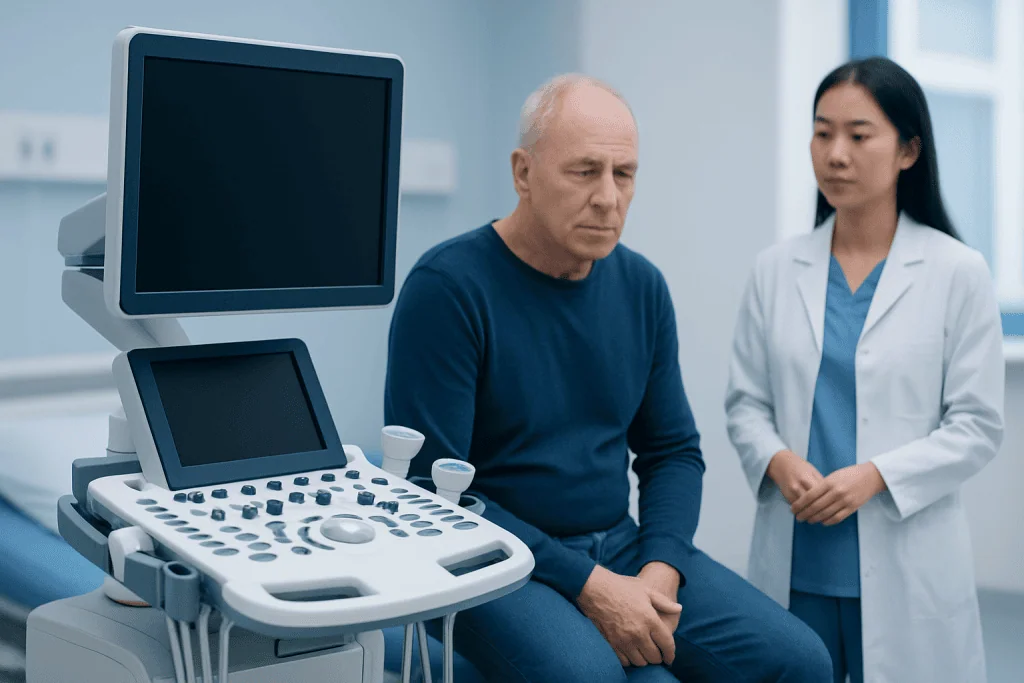
The prostate can enlarge in a way that narrows the urethra or changes how the bladder works. At first, the bladder muscle may push harder to move urine through the narrowed passage. Over time, the bladder may become more irritable or less efficient, which can lead to urgency, frequency, or incomplete emptying.
These changes may seem minor at first. A person may simply notice taking longer to urinate, needing to go again soon after finishing, or waking during the night more often. Even mild symptoms can affect concentration, travel, work, and sleep quality.
Because urinary symptoms can also be linked to infection, overactive bladder, prostate cancer, nerve problems, or medication side effects, it is helpful not to assume all urinary changes are due to aging alone. Assessment by a urology specialist can clarify the cause and identify the most appropriate next steps.
Symptoms of benign prostatic hyperplasia

Symptoms of benign prostatic hyperplasia are often grouped as storage symptoms and voiding symptoms. Storage symptoms happen while the bladder is filling, and voiding symptoms happen during urination. A person may have one pattern more than the other.
- Frequent urination, especially during the day
- Waking at night to urinate
- A sudden, hard-to-delay urge to urinate
- Difficulty starting urination
- A weak or interrupted urine stream
- Dribbling at the end of urination
- A feeling that the bladder does not empty completely
Some people also experience complications rather than just inconvenience. These may include urinary retention, recurrent urinary tract infections, bladder stones, or blood in the urine. Severe blockage can occasionally affect the kidneys if left untreated.
Symptoms do not always match prostate size. A relatively small enlargement can cause significant symptoms in one person, while a larger prostate may cause fewer problems in another. This is one reason symptom scoring and bladder assessment are often part of diagnosis.
Causes and risk factors
The exact cause of benign prostatic hyperplasia is not fully explained by one factor alone. Age-related changes in hormone balance appear to play an important role, particularly changes involving testosterone and dihydrotestosterone within the prostate. Family history and normal tissue growth signals may also contribute.
The main risk factor is increasing age. BPH becomes more likely in midlife and later years. Other factors associated with a higher chance of symptoms include obesity, low physical activity, metabolic syndrome, diabetes, and some cardiovascular risk factors.
Certain medicines can worsen urinary symptoms even when they do not cause BPH itself. Decongestants, some antihistamines, and some medications that affect bladder function may make urination more difficult in susceptible individuals. Caffeine and alcohol can also increase urgency or frequency in some people.
Benign prostatic hyperplasia is not caused by cancer, and it is not an infection. Still, doctors may need to distinguish BPH from prostatitis or other conditions that can cause pelvic discomfort, urinary changes, or elevated prostate-related test results.
How doctors diagnose BPH
Diagnosis begins with a conversation about symptoms, medical history, and medicines. A doctor will usually ask how often urinary symptoms occur, how much they interfere with daily life, and whether there are warning signs such as fever, pain, blood in the urine, or sudden inability to urinate. Symptom questionnaires are often used to measure severity and monitor progress over time.
A physical examination may include an abdominal exam and a digital rectal exam to assess the prostate. Common basic tests include a urine test to look for infection or blood, and sometimes blood tests to evaluate kidney function or prostate-specific antigen when appropriate. PSA testing does not diagnose BPH on its own, but it can be useful in context.
If symptoms are more complex or treatment is being planned, additional testing may be recommended. These can include bladder ultrasound to check how much urine remains after voiding, uroflowmetry to measure urine stream strength, cystoscopy in selected cases, or imaging if there is concern about stones, retention, or kidney effects. In some patients, the diagnostic process may include MRI or ultrasound when another condition needs to be excluded.
The purpose of diagnosis is not simply to confirm an enlarged prostate. It is also to understand how much the condition is affecting bladder function, whether complications are developing, and which treatment approach is most likely to help safely.
Treatment options: from observation to procedures
Treatment for benign prostatic hyperplasia depends on symptom severity, prostate size, overall health, and personal preferences. If symptoms are mild and there are no complications, careful monitoring may be enough. This approach is often called watchful waiting and usually includes regular follow-up, symptom tracking, and practical lifestyle measures.
Medication is often the next step when symptoms are bothersome. Some medicines relax the muscles around the prostate and bladder neck to improve urine flow, while others gradually shrink the prostate by affecting hormone pathways. In selected patients, combination treatment may be used. A doctor will consider possible side effects, blood pressure, sexual health concerns, and how quickly symptom relief is needed.
When medicines do not help enough, cause troublesome side effects, or when complications such as retention develop, procedural treatment may be considered. Minimally invasive therapies and surgery aim to open the blocked urinary channel and improve emptying. Depending on anatomy and clinical needs, options may include endoscopic prostate procedures or more traditional surgery. Some patients may be evaluated for robotic surgery if a surgical approach is appropriate, and others may benefit from specialist urology care to compare non-surgical and surgical choices.
Each treatment has potential benefits and trade-offs. Recovery time, durability, effect on ejaculation, bleeding risk, and the chance of retreatment can differ from one option to another. Shared decision-making with a urologist is the best way to match treatment to symptoms, test findings, and personal priorities.
Prevention and self-care that may ease symptoms
Benign prostatic hyperplasia cannot always be prevented, but certain habits may reduce symptom burden or slow worsening in some people. Limiting evening fluids can help with nighttime urination. Reducing caffeine and alcohol may also lessen urgency and frequency, especially in people who notice these drinks make symptoms worse.
It may also help to avoid delaying urination for long periods and to try double voiding, which means waiting briefly and trying again after finishing. Regular physical activity, weight management, and control of diabetes or blood pressure support bladder and overall urinary health. Constipation should also be addressed, since it can increase pelvic pressure and worsen symptoms.
People should use over-the-counter cold or allergy medications carefully, because some products can tighten the bladder outlet and make urination harder. It is sensible to ask a pharmacist or doctor before taking these medicines if there is a history of BPH. Pelvic floor guidance may also be useful in selected cases, especially when urgency is prominent.
Self-care is supportive, but it does not replace evaluation when symptoms are persistent or progressive. A check-up can confirm whether symptoms are truly due to BPH and whether the bladder or kidneys are being affected.
When to seek medical care
Medical advice is appropriate when urinary symptoms are new, persistent, or interfering with sleep, work, travel, or daily comfort. A person should also arrange an assessment if symptoms are gradually worsening or if there is concern about incomplete bladder emptying.
Prompt medical attention is especially important for warning signs such as inability to pass urine, fever, burning urination with illness, visible blood in the urine, severe lower abdominal pain, or back pain with urinary problems. These symptoms can suggest retention, infection, stones, or another condition that needs urgent care.
Even though benign prostatic hyperplasia is common and usually manageable, it should not be self-diagnosed. Evaluation helps exclude conditions such as infection, neurologic bladder problems, or prostate disease, and it can prevent complications through timely treatment.
For people seeking coordinated assessment, Acibadem International’s multidisciplinary specialists in JCI-accredited hospitals diagnose and treat prostate and urinary conditions for international patients, with treatment planning tailored to the individual clinical picture.
Frequently asked questions
Is benign prostatic hyperplasia the same as prostate cancer?
No. Benign prostatic hyperplasia is a non-cancerous enlargement of the prostate and does not mean a person has prostate cancer. However, both conditions can affect urination, so medical evaluation is important to tell them apart.
Can benign prostatic hyperplasia go away on its own?
BPH usually does not fully go away on its own because it is related to age-related prostate growth. Mild symptoms may remain stable for long periods, and some people manage well with monitoring and self-care. Others need medication or a procedure if symptoms become more troublesome.
Does a larger prostate always cause worse symptoms?
Not necessarily. Symptom severity does not always match prostate size. Some people with a modest enlargement have significant urinary problems, while others with a larger prostate have relatively mild symptoms.
When is surgery needed for BPH?
Surgery or a minimally invasive procedure may be considered when medicines do not provide enough relief, cause unacceptable side effects, or when complications develop. Examples of complications include urinary retention, recurrent infections, bladder stones, or kidney problems related to blockage.
Can lifestyle changes really help BPH symptoms?
Yes, they can help many people, especially when symptoms are mild to moderate. Steps such as limiting evening fluids, reducing caffeine and alcohol, staying active, and reviewing medications may lessen frequency, urgency, and nighttime urination. Lifestyle measures are often used together with medical treatment when needed.
What tests are usually done to diagnose BPH?
Doctors commonly start with a symptom review, medical history, physical exam, and urine test. Depending on the situation, they may also order blood tests, a PSA test, ultrasound, or tests that measure urine flow and post-void residual urine. The exact workup depends on symptoms and whether there are warning signs or complications.
References
- National Institute of Diabetes and Digestive and Kidney Diseases
- American Urological Association
- European Association of Urology
- National Health Service
- Mayo Clinic
This article is for general information only and is not a substitute for professional medical advice. Please consult a qualified doctor about your individual situation.
Prostatic Hyperplasia in Turkey — costs, top hospitals & a free quote
JCI-accredited · board-certified surgeons · reply within 24h
Add us as a Preferred Source to see more of our trusted health content across Google Search, AI Overviews and Discover.

More from the Health Library



Related Specialists

Prof. Dr. Emel Öztürk Durmaz
Dermatology
Prof. Dr. Bülent Özçelik
Gynecology & Obstetrics
Dt. Oğuzhan Hakan Özdemir
Oral & Dental Health
Dr. Feyza Arslan
Physical Medicine & Rehabilitation